


20 Feb Professional Intraoral Cameras: Bridging Home Care and Clinical Excellence
The evolution of intraoral camera technology has created a new paradigm in dental imaging, extending high-quality visualization beyond the traditional dental office. Modern intraoral cameras are transforming both professional clinical practice and patient-centered home care, creating unprecedented opportunities for early detection, patient education, and comprehensive oral health management.
Advanced Professional Intraoral Camera Systems
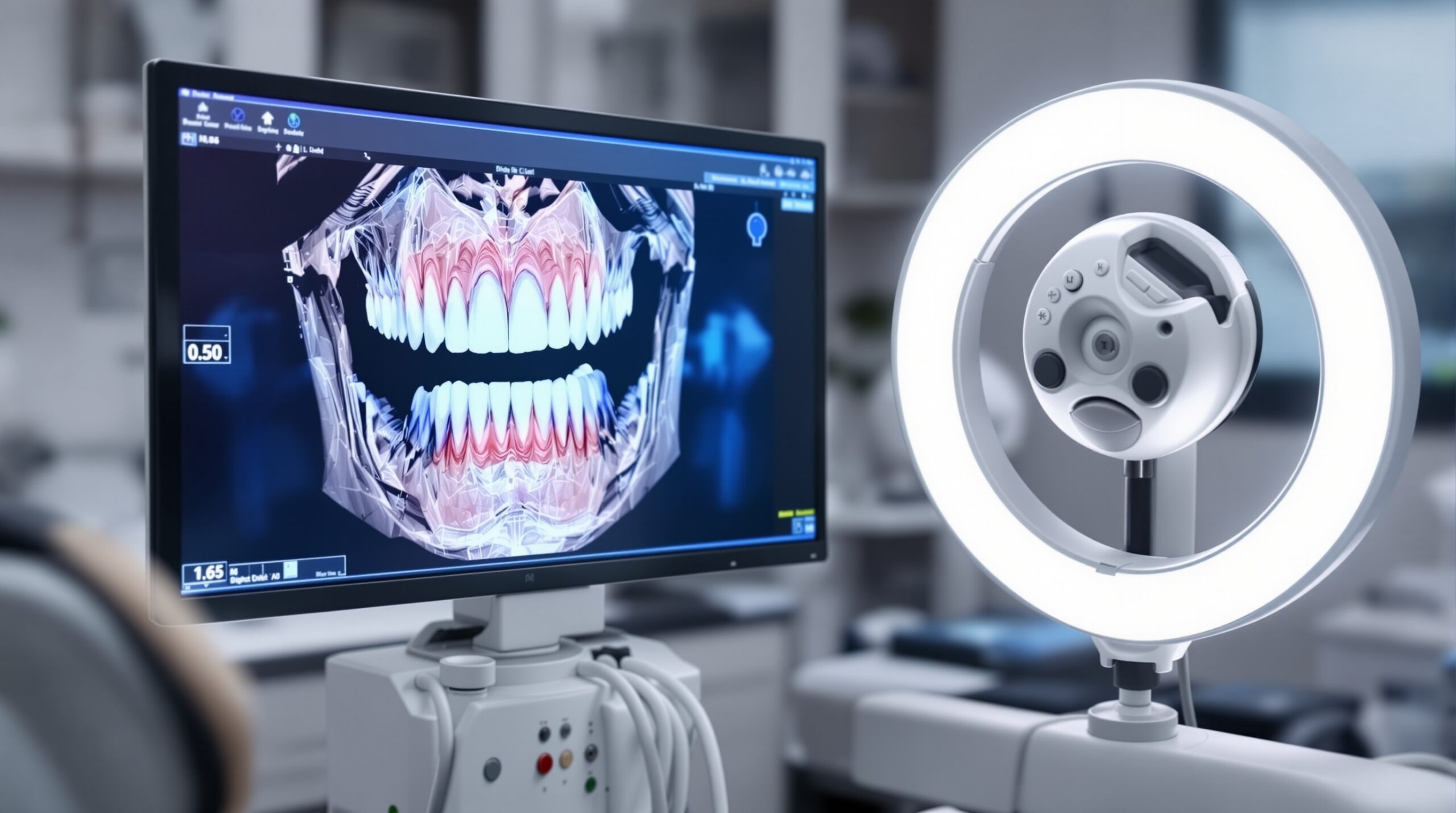
Today’s professional intraoral cameras represent a quantum leap from their predecessors. The latest systems feature 4K resolution sensors, advanced LED lighting arrays, and wireless connectivity that seamlessly integrates with practice management software. Leading manufacturers like Carestream, DEXIS, and Planmeca have developed cameras that capture ultra-high-resolution images with exceptional color accuracy and minimal distortion.
Key Features Driving Professional Adoption
- Ultra-High Resolution: 4K and 8K sensors capture microscopic details invisible to traditional examination
- Advanced Lighting Systems: Multi-spectrum LED arrays eliminate shadows and provide consistent illumination
- Wireless Connectivity: Bluetooth and Wi-Fi integration for seamless image transfer and storage
- Ergonomic Design: Lightweight, autoclavable construction for enhanced practitioner comfort
- AI Integration: Automated image analysis and diagnostic assistance capabilities
Home-Based Intraoral Camera Solutions
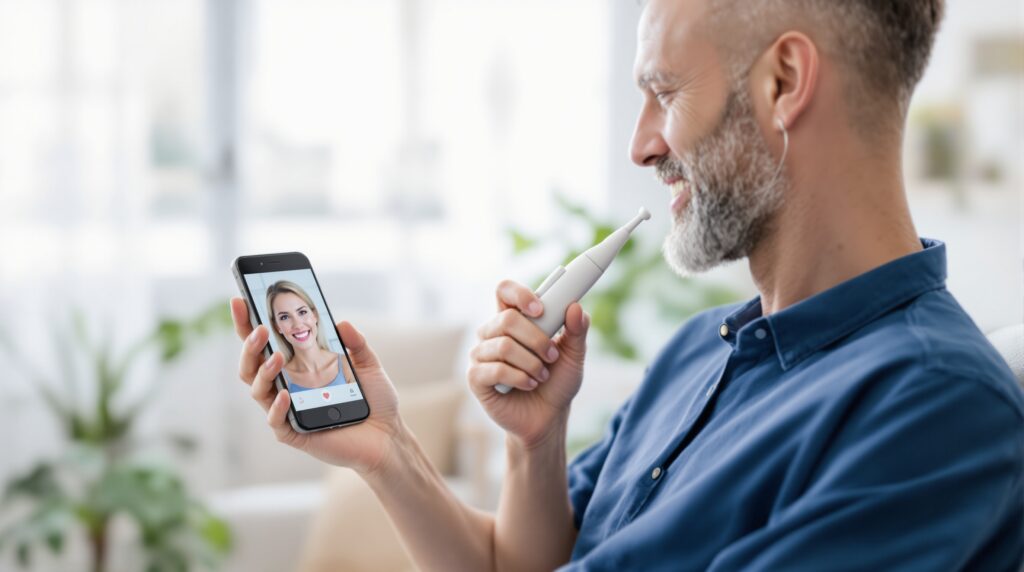
The emergence of consumer-grade intraoral cameras has revolutionized patient self-monitoring and teledentistry applications. Devices like the MouthCAM series and DentiFocal Home provide patients with professional-quality imaging capabilities in the comfort of their homes. These portable systems connect directly to smartphones and tablets, enabling real-time consultation with dental professionals.
Teledentistry Applications: Home intraoral cameras have proven invaluable for emergency triage, routine monitoring, and orthodontic progress tracking. During the COVID-19 pandemic, these devices enabled continuity of care when in-person visits were restricted, demonstrating their critical value in modern healthcare delivery.
Patient Empowerment and Education
Home intraoral cameras empower patients to become active participants in their oral health management. The ability to visualize dental conditions in real-time enhances understanding and compliance with treatment recommendations. Studies show that patients who use home monitoring devices demonstrate 40% better oral hygiene compliance compared to traditional care models.
Clinical Integration and Workflow Enhancement
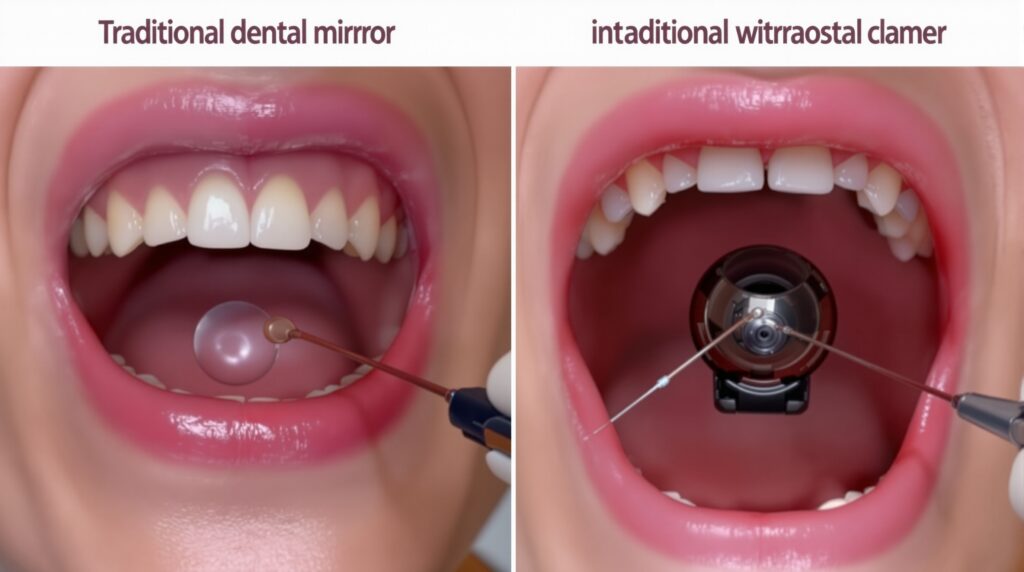
Modern intraoral cameras have transformed clinical workflows through seamless integration with digital systems. Images captured during examination are automatically uploaded to patient records, with AI-powered analysis providing instant diagnostic insights. This integration reduces documentation time while improving diagnostic accuracy and treatment planning precision.
Enhanced Patient Communication: Real-time image display on chairside monitors allows dentists to show patients exactly what they’re seeing, improving case acceptance and treatment understanding. The visual evidence provided by intraoral cameras significantly enhances informed consent processes.
Technological Innovations and Future Developments
The latest intraoral cameras incorporate cutting-edge technologies that push the boundaries of dental visualization:
- Fluorescence Imaging: Specialized sensors detect early caries and bacterial activity through fluorescence patterns
- Multispectral Analysis: Advanced cameras capture images across multiple light spectrums for enhanced diagnostic capability
- 3D Reconstruction: Stereophotogrammetry enables three-dimensional model creation from multiple 2D captures
- Machine Learning Integration: AI algorithms provide real-time diagnostic suggestions and abnormality detection
Quality Standards and Validation
Professional intraoral cameras must meet stringent quality standards for medical devices. FDA approval, CE marking, and ISO certification ensure reliability and safety in clinical environments. Regular calibration and maintenance protocols maintain consistent image quality and diagnostic accuracy.
Economic Impact and Practice Benefits
Investment in advanced intraoral camera systems delivers significant return on investment through improved case acceptance, enhanced diagnostic capabilities, and streamlined workflows. Practices using modern intraoral cameras report 25% higher case acceptance rates and 30% reduction in repeat appointments due to improved first-visit diagnostics.
Insurance and Documentation: High-quality intraoral images provide compelling evidence for insurance claims and legal documentation, reducing claim denials and supporting comprehensive treatment planning.
Training and Implementation Strategies
Successful integration of intraoral camera technology requires comprehensive staff training and standardized protocols. Leading practices establish imaging standards, maintain equipment calibration schedules, and provide ongoing education to ensure consistent, high-quality results across all operators.
The future of dental imaging lies in the continued evolution of intraoral camera technology, bridging the gap between professional clinical capabilities and accessible patient self-care, ultimately improving oral health outcomes through enhanced visualization and early intervention.
Sorry, the comment form is closed at this time.