


20 Feb Smartphone Clinical Photography: Revolutionizing Modern Dental Practice
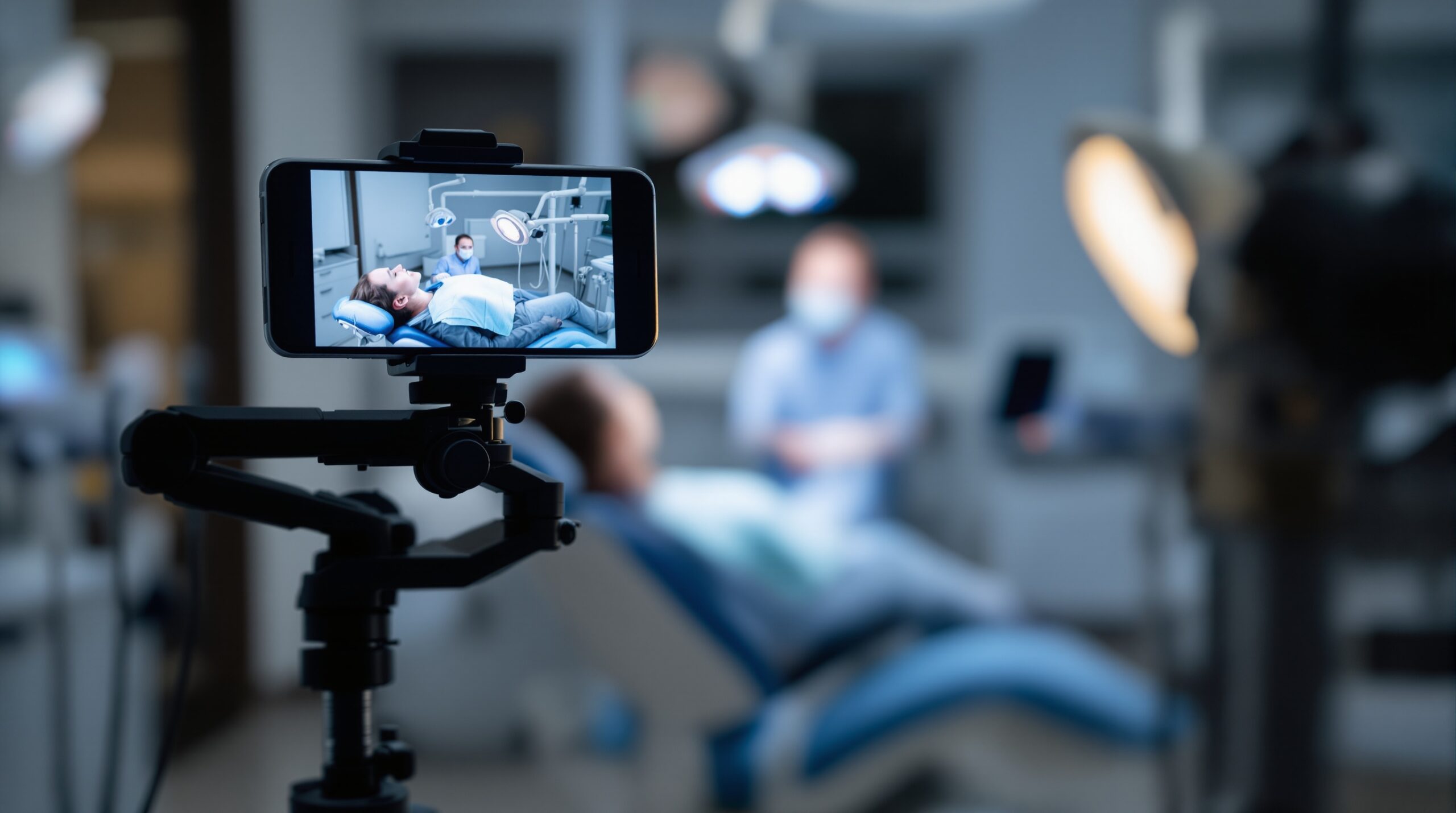
The integration of smartphone technology into dental practice has transformed clinical photography from a specialized skill into an accessible, everyday tool. Modern dental professionals are discovering that high-quality smartphones can deliver professional-grade images that enhance patient communication, treatment planning, and documentation.
The Smartphone Revolution in Dental Photography
Traditional dental photography required expensive DSLR cameras, specialized macro lenses, and extensive training. Today’s smartphones, equipped with advanced camera sensors, computational photography, and professional apps, have democratized clinical imaging. The iPhone 15 Pro and Samsung Galaxy S24 Ultra now offer macro capabilities, RAW image capture, and precise color reproduction that rivals traditional dental cameras.

Key Advantages of Smartphone Clinical Photography
- Accessibility: Most dental professionals already own smartphones, eliminating the need for additional equipment purchases
- Ease of Use: Intuitive interfaces and automatic settings reduce the learning curve
- Instant Sharing: Images can be immediately shared with patients, colleagues, or specialists
- Cloud Integration: Automatic backup and synchronization across devices
- Cost-Effectiveness: Significant savings compared to traditional dental photography setups
Professional Techniques for Clinical Excellence
Achieving professional results with smartphones requires understanding proper techniques and lighting principles. The key to exceptional clinical photography lies in consistent lighting, proper positioning, and standardized protocols.
Essential lighting techniques include using ring lights or LED panels to eliminate shadows and ensure even illumination. Many dental practices now invest in smartphone-specific lighting accessories that attach directly to the device, providing consistent results across different operators.
Positioning and angles remain critical for reproducible documentation. Establishing standardized photo sequences—including frontal, lateral, and occlusal views—ensures comprehensive documentation that meets both clinical and legal requirements.
Teledentistry and Remote Consultations
The COVID-19 pandemic accelerated the adoption of teledentistry, with smartphone photography playing a central role. Patients can now capture high-quality images at home using guided protocols, enabling dentists to perform initial assessments, monitor healing, and provide emergency triage remotely.
Technology Integration and Workflow Optimization
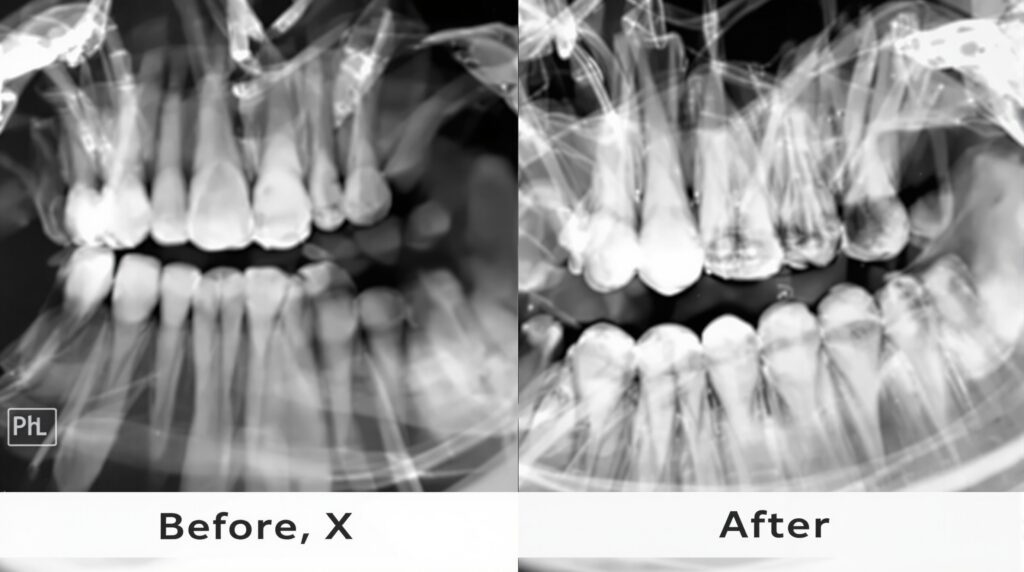
Modern dental practice management software now includes smartphone photography integration, allowing images to be directly imported into patient records. Apps like DentCard, SmileMate, and Clinical Photography Pro offer specialized features for dental documentation, including automatic image categorization, measurement tools, and HIPAA-compliant storage.
Quality Control and Standardization
Maintaining consistent image quality across different users requires establishing clear protocols and regular training. Many successful practices implement photography checklists, standardized lighting setups, and regular quality review sessions to ensure all team members can produce professional-grade images.
Future Developments and Emerging Technologies
Artificial intelligence is beginning to transform smartphone clinical photography through automated image analysis, treatment progress tracking, and diagnostic assistance. AI-powered apps can now detect dental conditions, measure tooth dimensions, and even suggest treatment options based on photographic analysis.
Augmented reality features are emerging that help guide proper image capture techniques, ensuring optimal angles and lighting conditions. These tools are particularly valuable for training new team members and maintaining consistency across multiple operators.
Best Practices for Implementation
Successfully integrating smartphone clinical photography requires careful planning and staff training. Start with standardized lighting equipment, establish clear photography protocols, and ensure proper patient consent procedures. Regular training sessions help maintain quality standards and keep staff updated on new techniques and technologies.
The future of dental photography lies in the seamless integration of smartphone technology with professional workflows, creating more efficient, accessible, and cost-effective solutions for modern dental practices.
Sorry, the comment form is closed at this time.