


February 20, 2026 AI-Powered 3D Imaging: Revolutionizing Dental Diagnostics in 2026
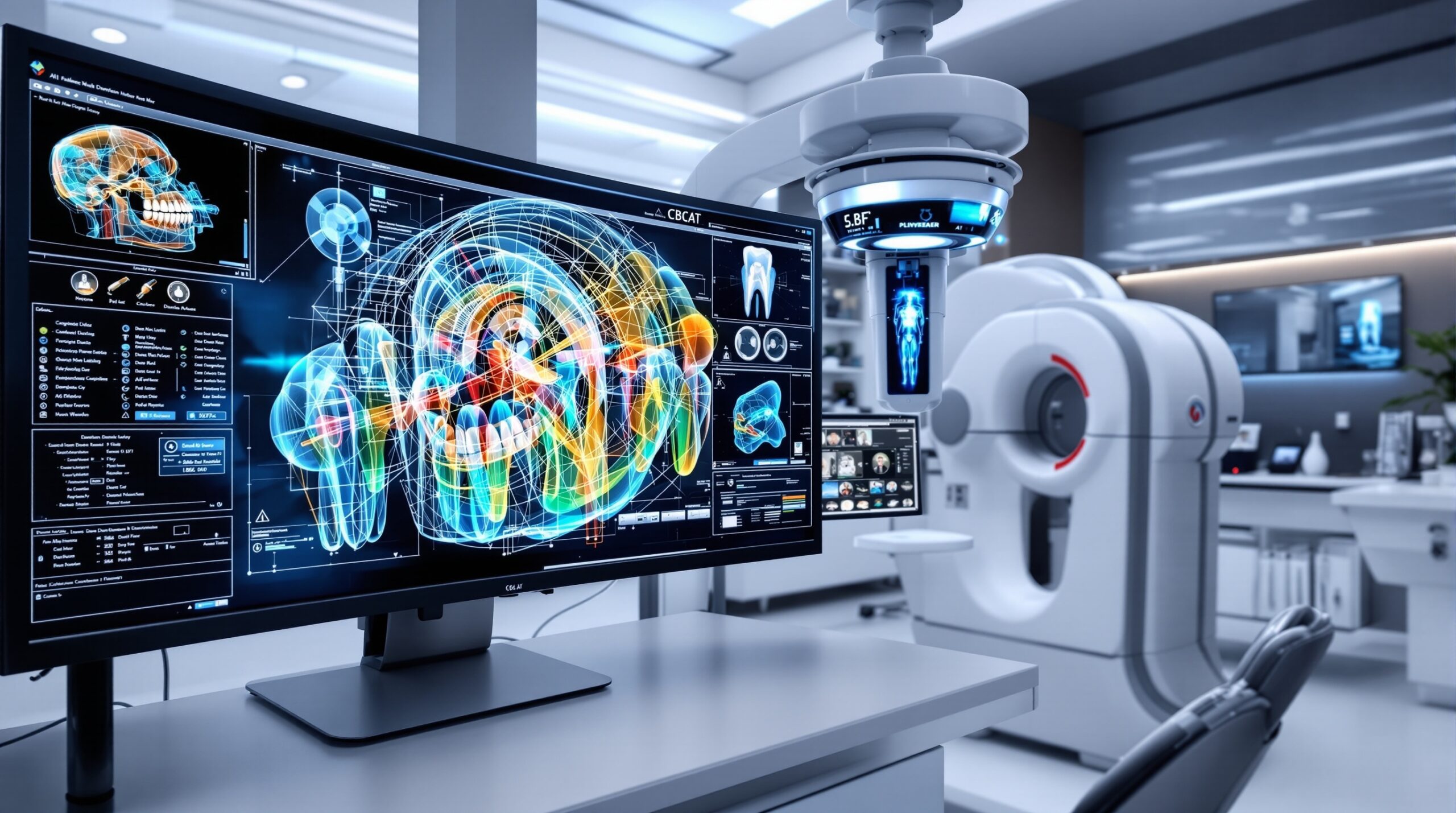
Artificial intelligence has fundamentally transformed 3D dental imaging, creating unprecedented opportunities for precise diagnostics, predictive treatment planning, and enhanced patient outcomes. The convergence of cone beam computed tomography (CBCT), machine learning algorithms, and advanced visualization technologies is reshaping how dental professionals approach complex cases in 2026.
The AI Revolution in Dental Imaging
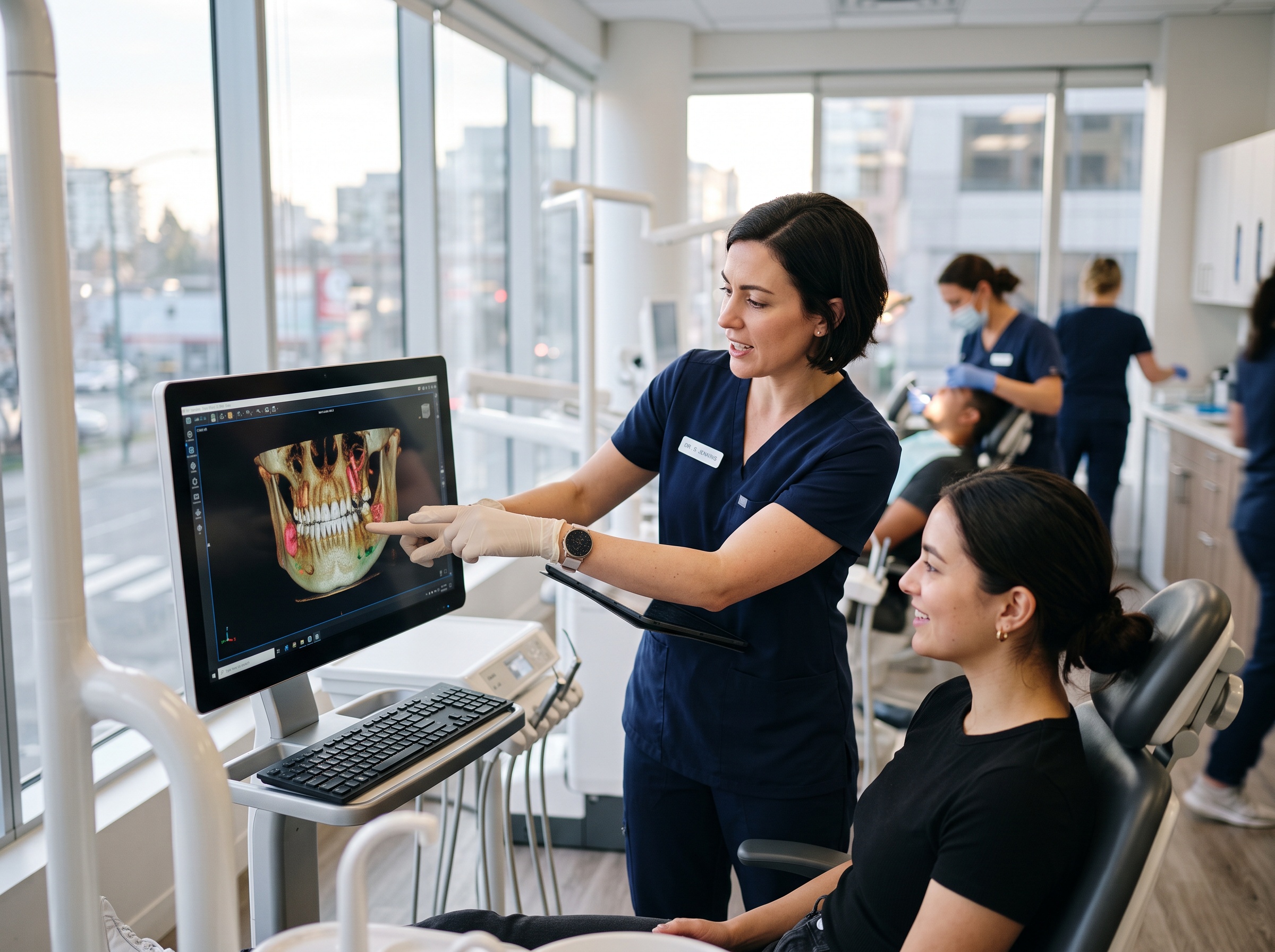
Traditional 3D imaging required extensive manual interpretation and measurement. Today’s AI-powered systems automatically detect anatomical structures, identify pathologies, and provide instant diagnostic insights. Companies like DEXIS, Planmeca, and Carestream have integrated deep learning algorithms that can analyze CBCT scans with superhuman accuracy, reducing interpretation time from hours to minutes.

Advanced Diagnostic Capabilities
Modern AI imaging systems excel in multiple diagnostic areas:
- Automated Pathology Detection: AI algorithms identify cysts, tumors, and bone abnormalities with 95%+ accuracy
- Precise Measurements: Automated bone density analysis and dimensional measurements for implant placement
- Airway Analysis: Comprehensive sleep apnea screening through automated airway volume calculations
- Root Canal Morphology: Detailed endodontic planning with automated root canal detection
- TMJ Assessment: Advanced temporomandibular joint analysis with motion prediction
Enhanced Treatment Planning Workflows
AI-powered 3D imaging has revolutionized treatment planning across multiple specialties. Oral surgeons now use predictive algorithms to simulate surgical outcomes, while orthodontists leverage AI to create precise tooth movement predictions. The integration of intraoral scanning data with CBCT imaging creates comprehensive digital treatment plans that were impossible just five years ago.
Implant Planning Excellence: Modern software automatically identifies optimal implant positions, avoiding anatomical structures while maximizing bone engagement. AI systems can predict long-term success rates based on bone quality, patient age, and medical history.
Real-Time Decision Support
The most significant advancement in 2026 is real-time AI decision support during image acquisition. Systems now provide immediate feedback on image quality, automatically adjust exposure parameters, and suggest additional views when pathology is detected. This intelligent guidance reduces radiation exposure while ensuring diagnostic adequacy.
Machine Learning and Pattern Recognition
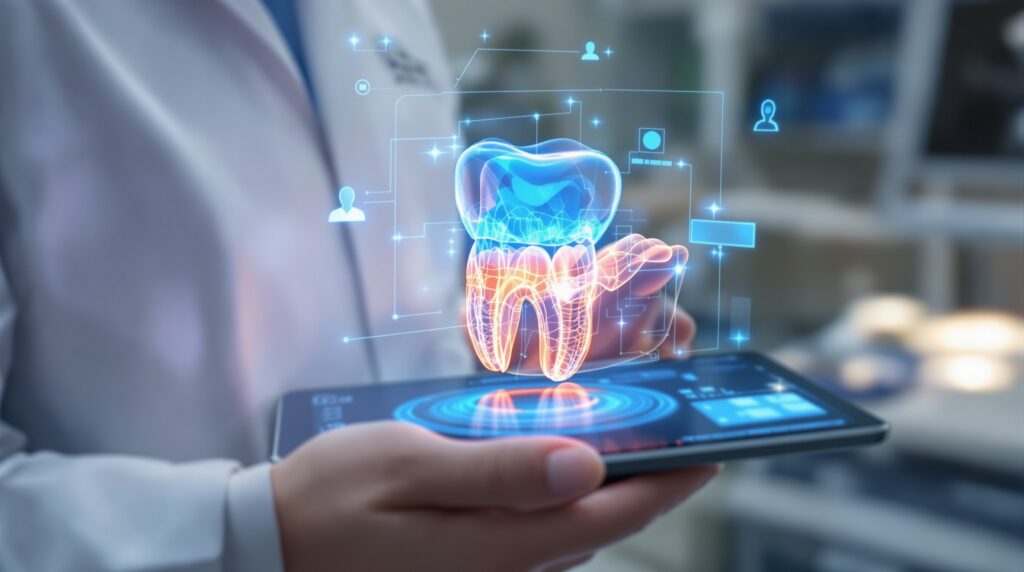
Contemporary AI imaging systems learn from vast databases of annotated cases, continuously improving their diagnostic accuracy. Neural networks trained on millions of CBCT scans can now identify subtle patterns that might escape human observation, particularly in early-stage pathology detection.
Predictive Analytics: AI models predict treatment outcomes, complications, and healing patterns based on pre-treatment imaging characteristics. This capability enables personalized treatment approaches and improved patient counseling.
Integration with Digital Workflows
The seamless integration of AI-powered 3D imaging with CAD/CAM systems, 3D printing, and guided surgery platforms has created comprehensive digital treatment ecosystems. Patients can visualize their treatment outcomes through augmented reality, while dentists benefit from automated treatment planning and surgical guide generation.
Cloud-Based Processing and Collaboration
Cloud computing has enabled sophisticated AI processing without requiring expensive local hardware. Dental practices can now access enterprise-level AI analysis tools, while specialists can provide remote consultations based on AI-enhanced imaging reports.
Quality Assurance and Radiation Optimization
AI systems continuously monitor image quality and automatically optimize radiation exposure. Advanced algorithms ensure diagnostic adequacy while minimizing patient radiation dose—a critical consideration in pediatric dentistry and pregnancy cases.
Automated Quality Control: Machine learning algorithms detect motion artifacts, positioning errors, and exposure inadequacies in real-time, preventing the need for retakes and additional radiation exposure.
Future Developments and Emerging Technologies
The horizon for AI-powered dental imaging includes several revolutionary developments:
- 4D Imaging: Time-lapse 3D imaging for studying growth patterns and treatment responses
- Molecular Imaging: AI-enhanced analysis of tissue composition and metabolic activity
- Holographic Visualization: Three-dimensional holographic displays for immersive treatment planning
- Quantum Computing: Exponentially faster image processing and analysis capabilities
Implementation Strategies and Training
Successful adoption of AI-powered 3D imaging requires comprehensive staff training and workflow integration. Leading practices establish protocols for AI-assisted interpretation while maintaining clinical oversight and decision-making authority.
The future of dental diagnostics lies in the synergistic combination of artificial intelligence, advanced imaging technologies, and human expertise, creating more accurate, efficient, and predictable treatment outcomes for patients worldwide.
Sorry, the comment form is closed at this time.