


February 21, 2026 Clinical Photography for Dental Trauma Documentation: Modern Standards and Best Practices
Clinical Photography for Dental Trauma Documentation: Modern Standards and Best Practices
Recent multinational research has highlighted the critical importance of standardized clinical photography in documenting pediatric dental trauma cases. As teledentistry continues to expand and medico-legal requirements become more stringent, dental professionals must master the art and science of clinical photography to ensure accurate diagnosis, effective treatment planning, and comprehensive case documentation.
The Evolution of Dental Trauma Documentation
Traditional dental trauma assessment relied heavily on written notes and basic radiographic images. However, the COVID-19 pandemic accelerated the adoption of photographic documentation systems, enabling remote diagnosis and triage of trauma cases when direct clinical access was restricted. This shift has proven so effective that many practices have made high-quality image documentation a permanent standard of care.
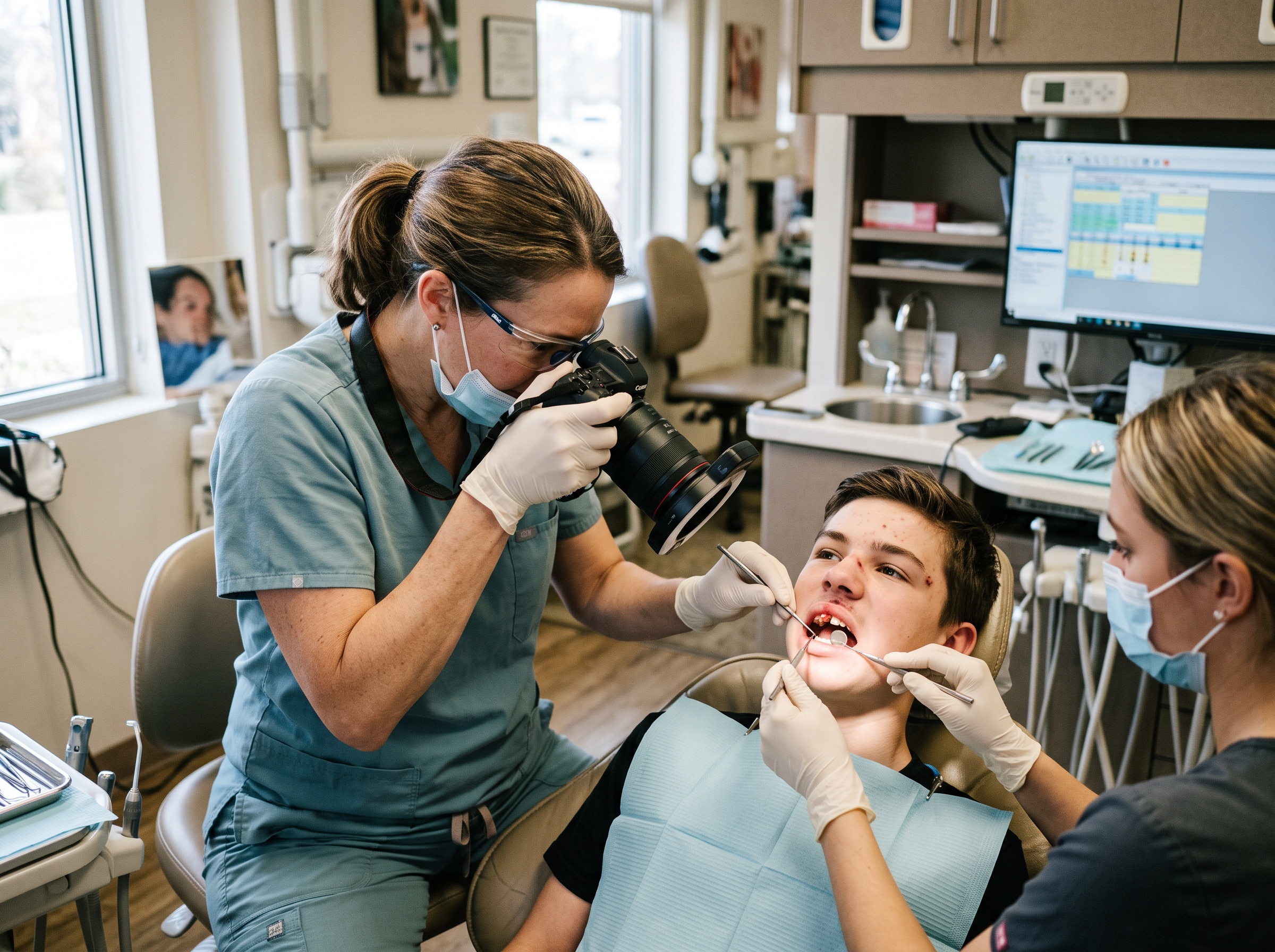
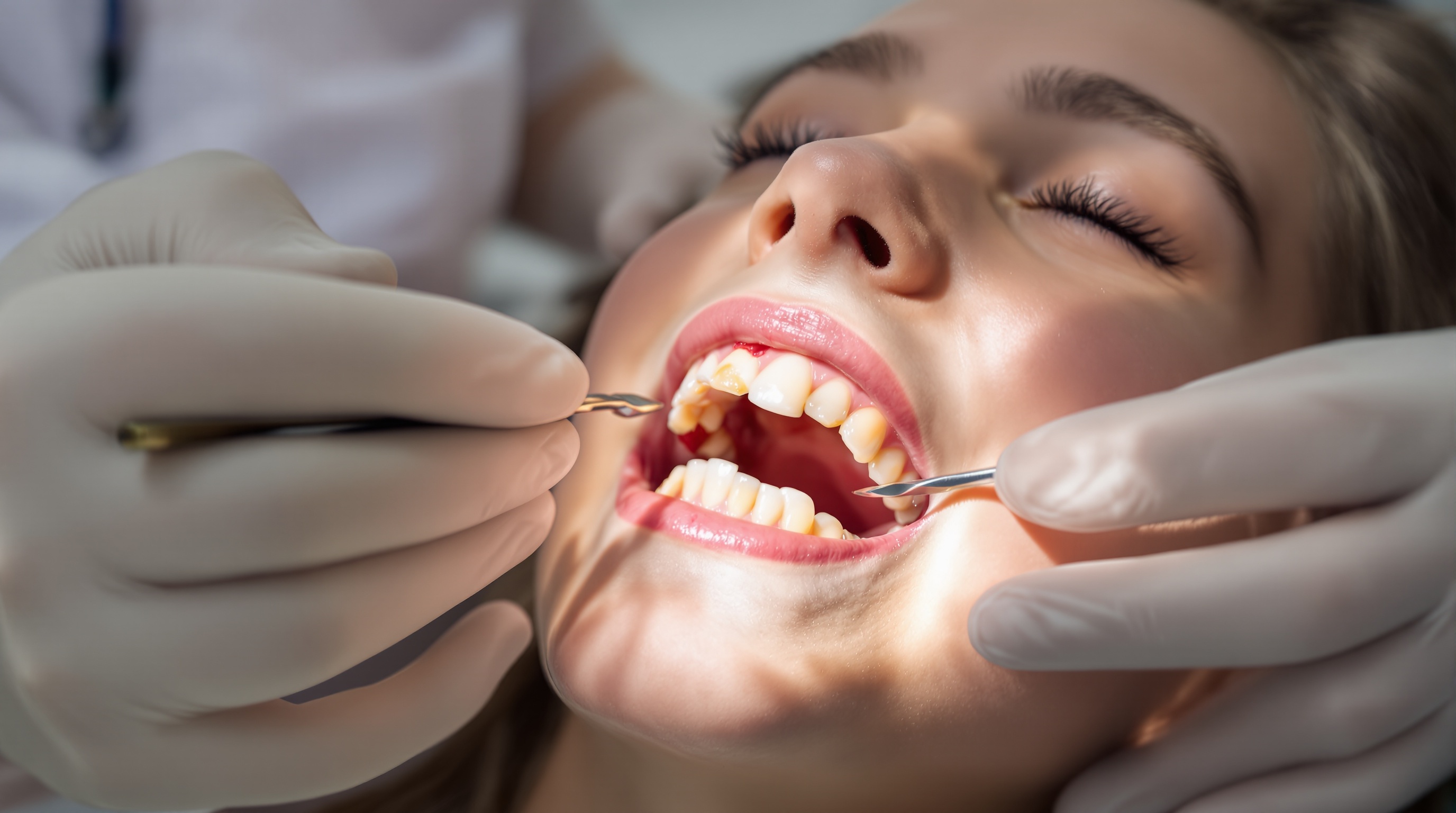
Modern clinical photography serves multiple functions in dental trauma cases:
- Immediate assessment and triage capabilities
- Enhanced communication between specialists and referring dentists
- Improved patient and parent education through visual evidence
- Comprehensive medico-legal documentation
- Long-term monitoring of treatment outcomes
Technical Standards for Trauma Photography
Achieving consistent, diagnostic-quality images requires attention to specific technical parameters. The camera settings should prioritize sharp focus and adequate depth of field to capture all relevant anatomical structures. Proper lighting eliminates shadows that could obscure important details, while standardized patient positioning ensures reproducible results across different practitioners and sessions.
For intraoral trauma photography, consider these essential techniques:
- Use appropriate retraction to fully expose the affected area
- Maintain consistent magnification ratios for comparative analysis
- Capture multiple angles to document the full extent of damage
- Include reference points for scale and orientation
- Ensure adequate contrast between tissues and any foreign objects
Integration with Digital Workflows
Modern dental practices are integrating trauma photography into comprehensive digital workflows that streamline case management and improve outcomes. Digital imaging systems allow for immediate image review, quick adjustments to technique, and seamless integration with practice management software.
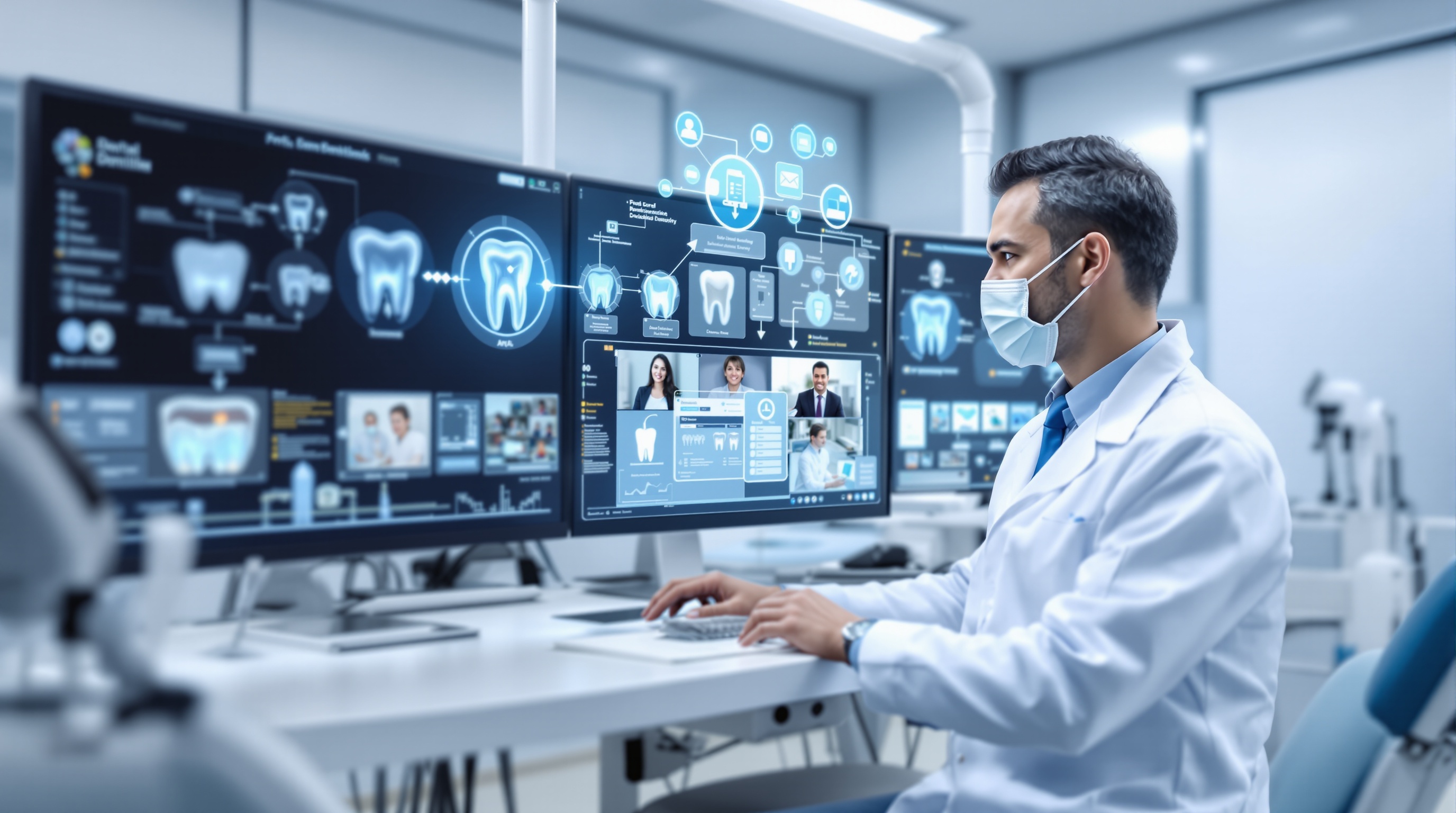
Advanced practices are implementing artificial intelligence tools to assist with trauma assessment and standardize image quality. These systems can automatically detect common trauma patterns, suggest additional imaging angles, and ensure that all necessary documentation has been captured before the patient leaves the chair.
Patient Communication and Education Benefits
High-quality clinical photography significantly enhances patient and parent understanding of dental trauma cases. Visual documentation helps explain the extent of injury, treatment options, and expected outcomes in a way that verbal descriptions alone cannot achieve. This improved communication often leads to better compliance with treatment recommendations and follow-up care.
When presenting trauma cases to patients and families, photographs can demonstrate:
- The immediate impact of the traumatic event
- Progress during treatment phases
- Comparison with normal anatomy
- Expected healing patterns and timelines
Future Directions and Technology Integration
The field of dental trauma photography continues to evolve with emerging technologies. Smartphone-based imaging solutions are becoming more sophisticated, offering professional-quality results with simplified workflows. Cloud-based storage and sharing systems enable secure collaboration between specialists while maintaining patient privacy requirements.
Looking ahead, we can expect further integration of photography with other diagnostic modalities, including 3D imaging and spectral analysis. These advances will provide even more comprehensive documentation of trauma cases while reducing the time and complexity required for high-quality image capture.
Sorry, the comment form is closed at this time.