


February 17, 2026 Panoramic Radiography in Modern Dental Practice: Advanced Techniques and Clinical Applications
Panoramic radiography has revolutionized dental imaging since its introduction, providing practitioners with comprehensive views of the entire dentition and surrounding structures in a single exposure. As dental technology continues to advance, modern panoramic systems offer unprecedented image quality, reduced radiation exposure, and enhanced diagnostic capabilities that are transforming clinical practice.
The Evolution of Panoramic Imaging
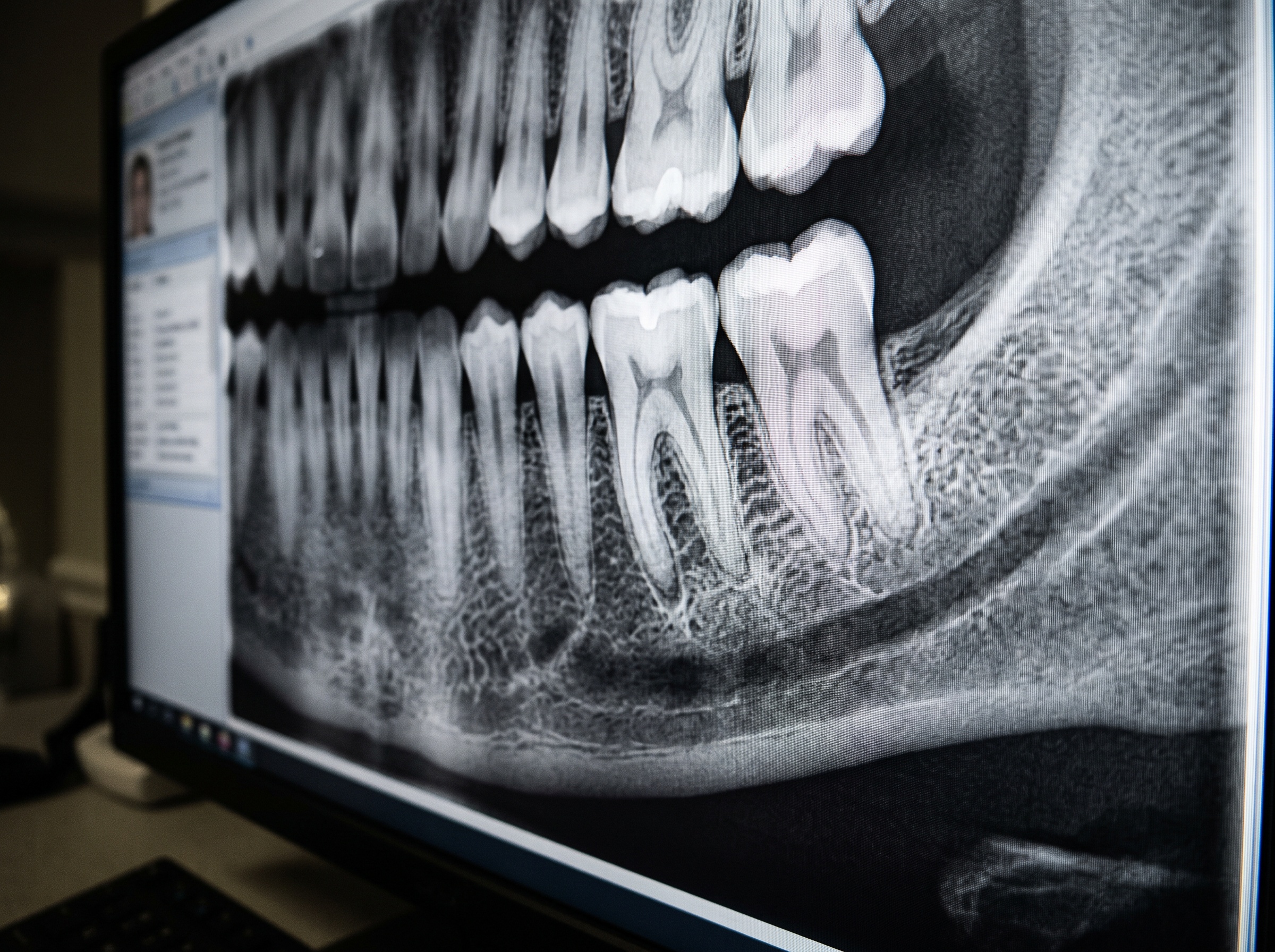
Modern panoramic radiographic systems represent a significant advancement from their predecessors. Digital panoramic units now incorporate sophisticated sensor technology, advanced image processing algorithms, and precise mechanical movements that deliver superior diagnostic information. These systems provide detailed visualization of the maxilla, mandible, temporomandibular joints, sinuses, and soft tissues in a single comprehensive image.
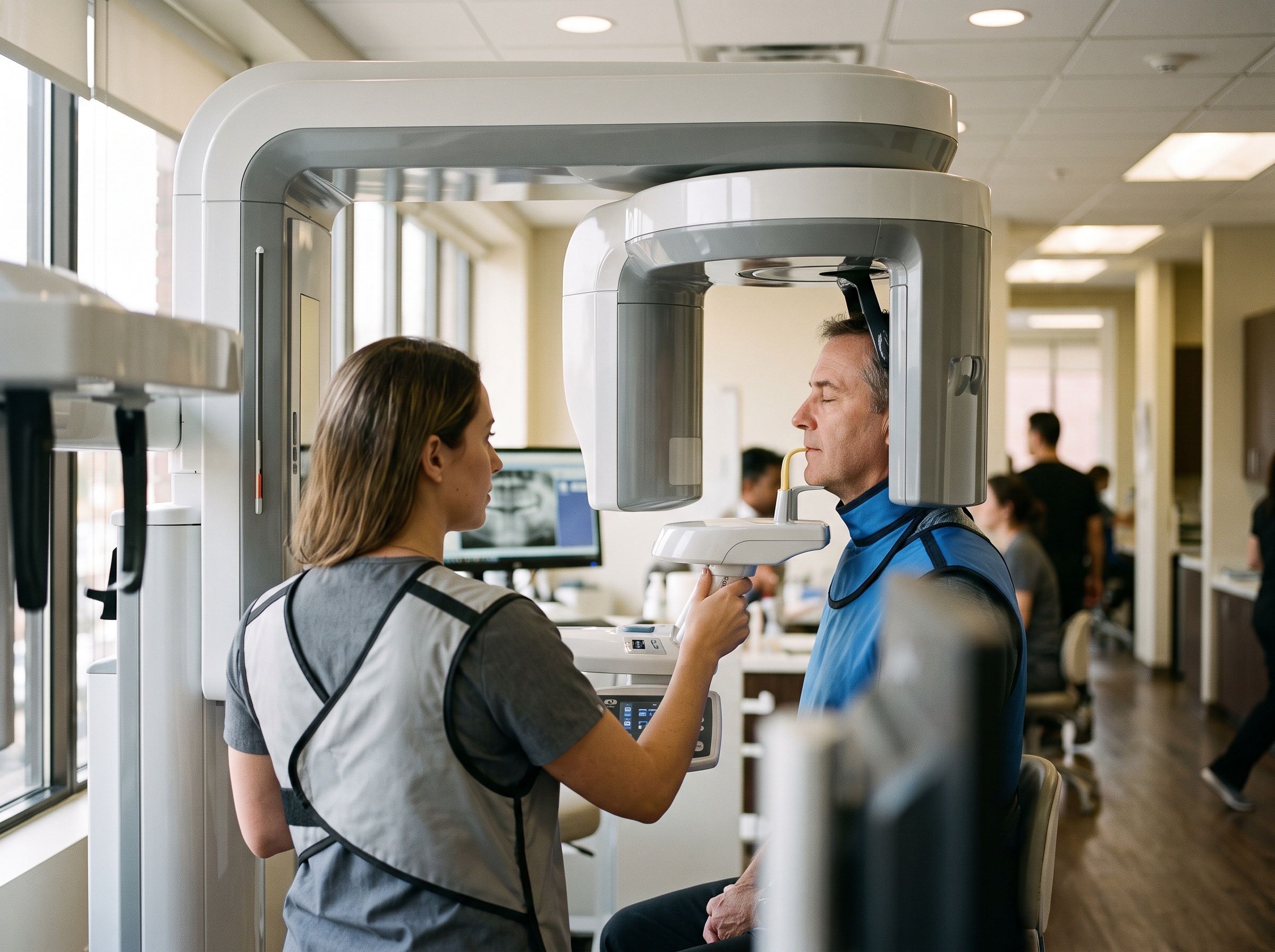
The transition from film-based to digital panoramic systems has brought numerous advantages. Digital sensors offer immediate image acquisition, eliminating processing time and chemical waste. The dynamic range of digital sensors far exceeds that of conventional film, allowing for better visualization of both dense structures like enamel and soft tissues simultaneously. Additionally, digital systems enable post-processing enhancements that can reveal subtle pathology that might be missed on conventional radiographs.
Advanced Positioning and Technique Optimization
Proper patient positioning remains critical for diagnostic quality panoramic radiographs. Modern units incorporate laser positioning lights, bite guides, and head stabilization systems that ensure accurate patient placement. The Frankfort plane should be positioned parallel to the floor, with the sagittal plane perpendicular to the image layer. The patient’s spine must remain straight, and the tongue should be positioned against the palate to eliminate air spaces that could obscure diagnostic information.
Contemporary panoramic systems feature multiple exposure programs tailored to different patient types and clinical requirements. Adult, child, and temporomandibular joint programs adjust exposure parameters automatically based on patient selection. Some systems incorporate automatic exposure control that adjusts radiation output based on patient anatomy, ensuring optimal image quality while minimizing radiation dose.
Clinical Applications and Diagnostic Advantages
Panoramic radiography excels in screening for pathology, evaluating impacted teeth, and assessing overall dental and skeletal development. The broad coverage area makes it particularly valuable for orthodontic treatment planning, where the relationship between all teeth and supporting structures must be evaluated comprehensively.
For oral surgery applications, panoramic images provide essential information about anatomical landmarks such as the mandibular canal, maxillary sinuses, and mental foramina. This information is crucial for safe extraction of impacted third molars, placement of dental implants, and other surgical procedures. The ability to visualize bilateral structures simultaneously allows for comparative evaluation and detection of asymmetries that might indicate pathology.
Integration with Digital Workflow
Modern panoramic systems integrate seamlessly with digital dental workflows. DICOM compatibility ensures that images can be imported directly into practice management software and shared electronically with specialists and laboratories. This integration eliminates the need for physical film handling and storage while providing instant access to patient images from any workstation in the practice.
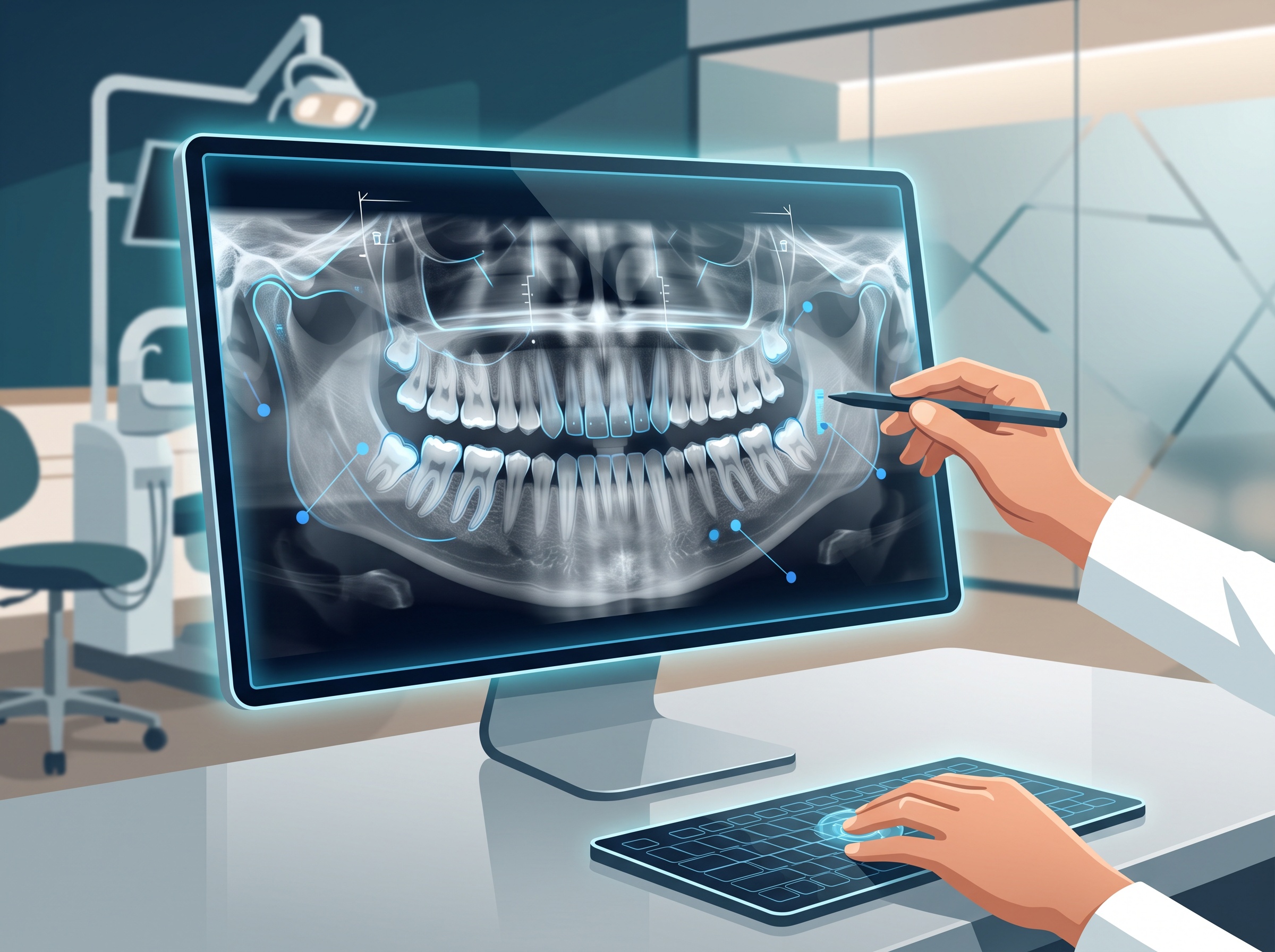
Many contemporary systems also incorporate artificial intelligence algorithms that assist in image analysis and pathology detection. These systems can highlight areas of concern, measure anatomical structures automatically, and provide quantitative analysis that supports clinical decision-making.
Quality Assurance and Radiation Safety
Contemporary panoramic systems incorporate numerous safety features and quality assurance protocols. Automatic collimation ensures that the radiation field is limited to the area of diagnostic interest, while programmable exposure parameters prevent overexposure. Many systems feature dose monitoring capabilities that track cumulative radiation exposure for quality assurance purposes.
Regular quality control procedures are essential for maintaining optimal image quality and radiation safety. These include daily warm-up procedures, periodic image quality assessments, and annual calibration by qualified service personnel. Proper maintenance ensures that the system operates within manufacturer specifications and provides consistent, diagnostic-quality images.
Future Developments and Emerging Technologies
The future of panoramic radiography lies in enhanced three-dimensional capabilities and artificial intelligence integration. Some manufacturers are developing hybrid systems that combine panoramic and limited field-of-view CBCT capabilities in a single unit, providing practitioners with both screening and detailed diagnostic imaging options.
Artificial intelligence applications in panoramic imaging continue to evolve, with algorithms becoming increasingly sophisticated in detecting caries, periodontal disease, and pathology. These systems will likely become standard features in future panoramic units, providing real-time diagnostic assistance and quality assurance.
Best Practices for Clinical Implementation
Successful integration of modern panoramic radiography requires proper staff training, protocol development, and quality assurance procedures. All operators should receive comprehensive training on positioning techniques, exposure parameters, and image quality evaluation. Standardized protocols should be established for different clinical scenarios to ensure consistent, high-quality results.
Patient communication is also essential for optimal outcomes. Patients should receive clear instructions about positioning requirements and the importance of remaining still during the exposure. Proper explanation of the procedure reduces patient anxiety and improves cooperation, resulting in better image quality.
Conclusion
Modern panoramic radiography represents a cornerstone of contemporary dental imaging, offering comprehensive diagnostic capabilities with excellent patient acceptance and workflow integration. As technology continues to advance, these systems will become even more sophisticated, providing practitioners with enhanced diagnostic tools while maintaining the broad coverage and ease of use that make panoramic imaging an essential component of dental practice.
The investment in modern panoramic technology pays dividends through improved diagnostic capabilities, enhanced patient care, and streamlined clinical workflows. Practitioners who embrace these advanced systems position themselves to provide the highest quality care while maximizing practice efficiency and patient satisfaction.
Sorry, the comment form is closed at this time.