


April 6, 2026 Close-Range Photogrammetry in Dentistry: Revolutionary 3D Imaging Technology for Precision Diagnostics
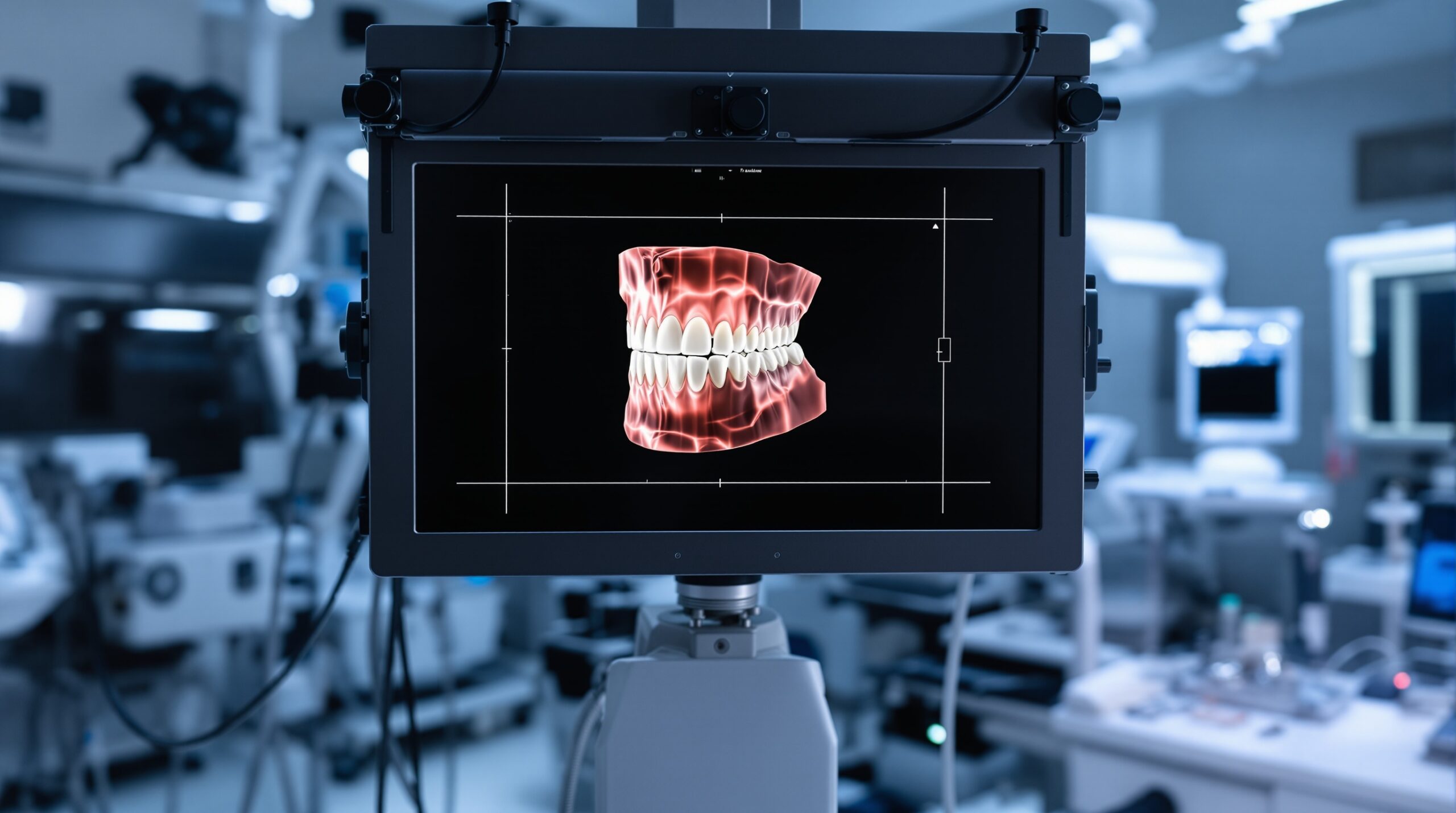
Close-range photogrammetry is transforming dental imaging by offering unprecedented accuracy and detail in 3D reconstruction of oral structures. This innovative technology combines multiple photographic perspectives to create precise digital models, revolutionizing diagnosis and treatment planning in modern dentistry.
Understanding Close-Range Photogrammetry
Close-range photogrammetry-based dental imaging (CPDI) represents a breakthrough in dental diagnostics. Unlike traditional imaging methods, this technique captures multiple photographs from different angles and uses sophisticated algorithms to reconstruct three-dimensional models with submillimeter accuracy.
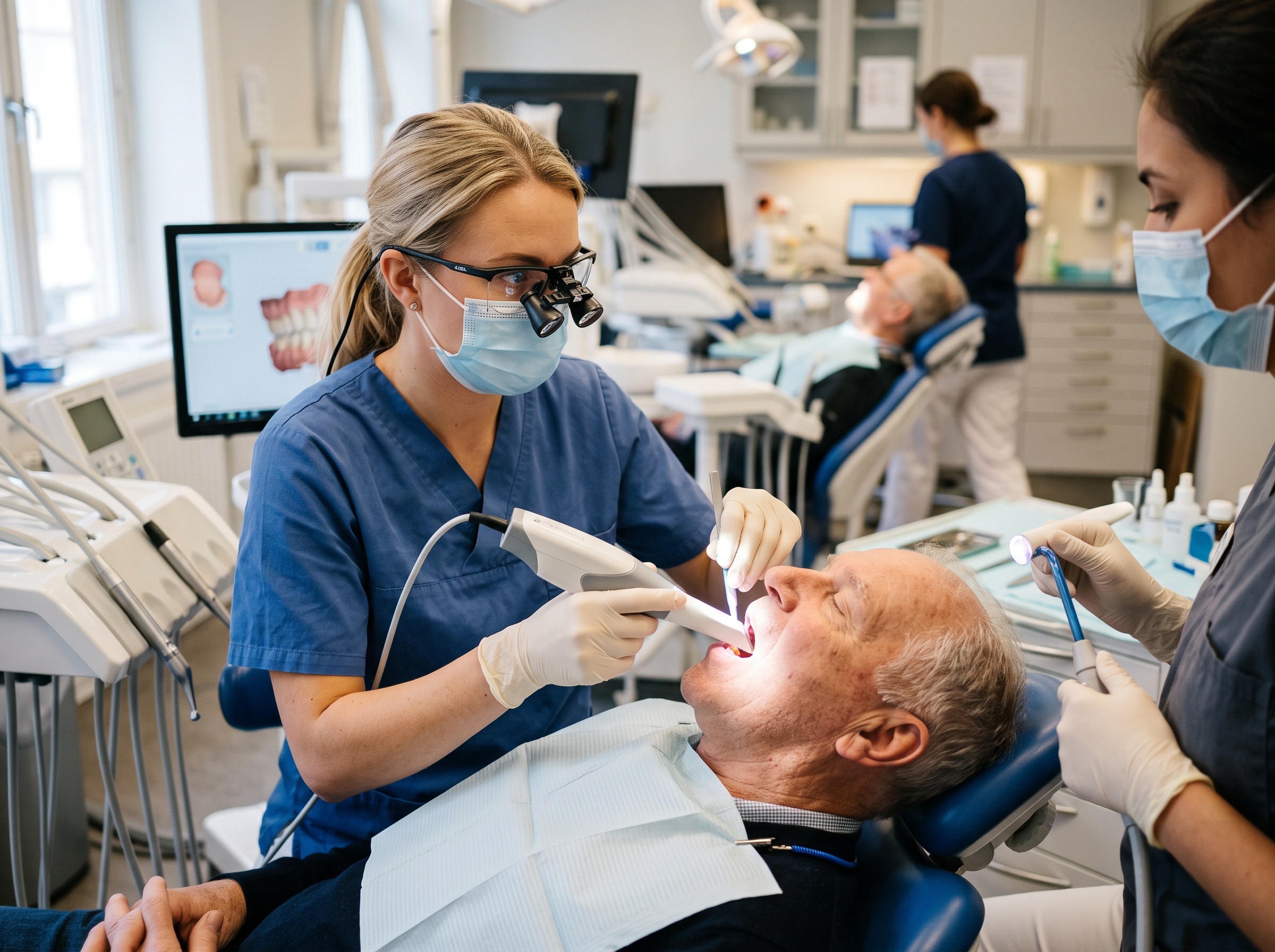
The process involves strategically positioned cameras that simultaneously capture images of dental structures. Advanced software then analyzes corresponding points across multiple images to calculate precise spatial coordinates, creating detailed 3D reconstructions that rival expensive specialized scanners.
Technical Advantages and Applications
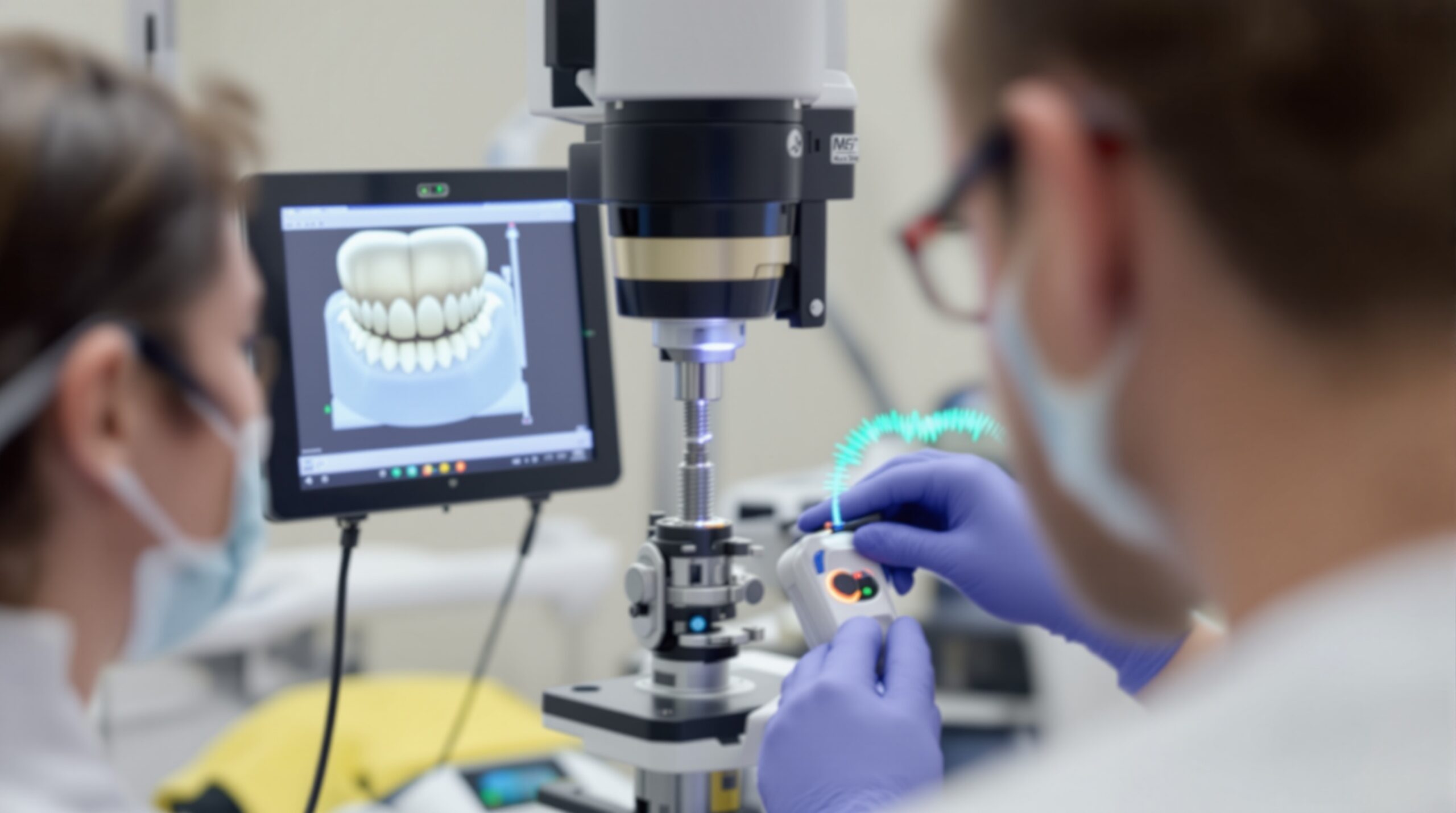
Modern photogrammetry systems like the Imetric 4D ICam combine photogrammetric principles with structured light scanning. This hybrid approach captures both geometric accuracy and surface texture, providing comprehensive data for treatment planning.
Key Benefits:
- Cost-effectiveness: Significantly lower equipment costs compared to dedicated 3D scanners
- Portability: Lightweight camera systems enable chairside imaging
- Accuracy: Achieves precision levels suitable for implant planning and prosthetic design
- Speed: Rapid data acquisition minimizes patient discomfort
- Versatility: Compatible with existing dental workflows
Clinical Applications
Photogrammetry excels in several clinical scenarios:
Implant Dentistry
Precise measurement of implant positions across full arches enables accurate prosthetic fabrication. Studies demonstrate photogrammetric accuracy comparable to traditional impression techniques while eliminating patient discomfort associated with impression materials.
Orthodontic Treatment Planning
Detailed 3D models support comprehensive orthodontic analysis, enabling practitioners to visualize treatment outcomes and plan optimal tooth movement strategies.
Prosthetic Design
High-resolution surface capture supports CAD/CAM workflows, enabling precise crown and bridge fabrication with optimal fit and esthetics.
Technical Implementation
Successful photogrammetry requires careful attention to several factors:
Equipment Setup
Modern systems typically employ four-camera arrays with integrated projection systems. This configuration ensures adequate coverage while maintaining portability. Professional lighting eliminates shadows that could compromise measurement accuracy.
Calibration Protocol
Precise camera calibration ensures measurement accuracy. Reference objects with known dimensions validate system performance and enable real-world scaling of digital models.
Data Processing
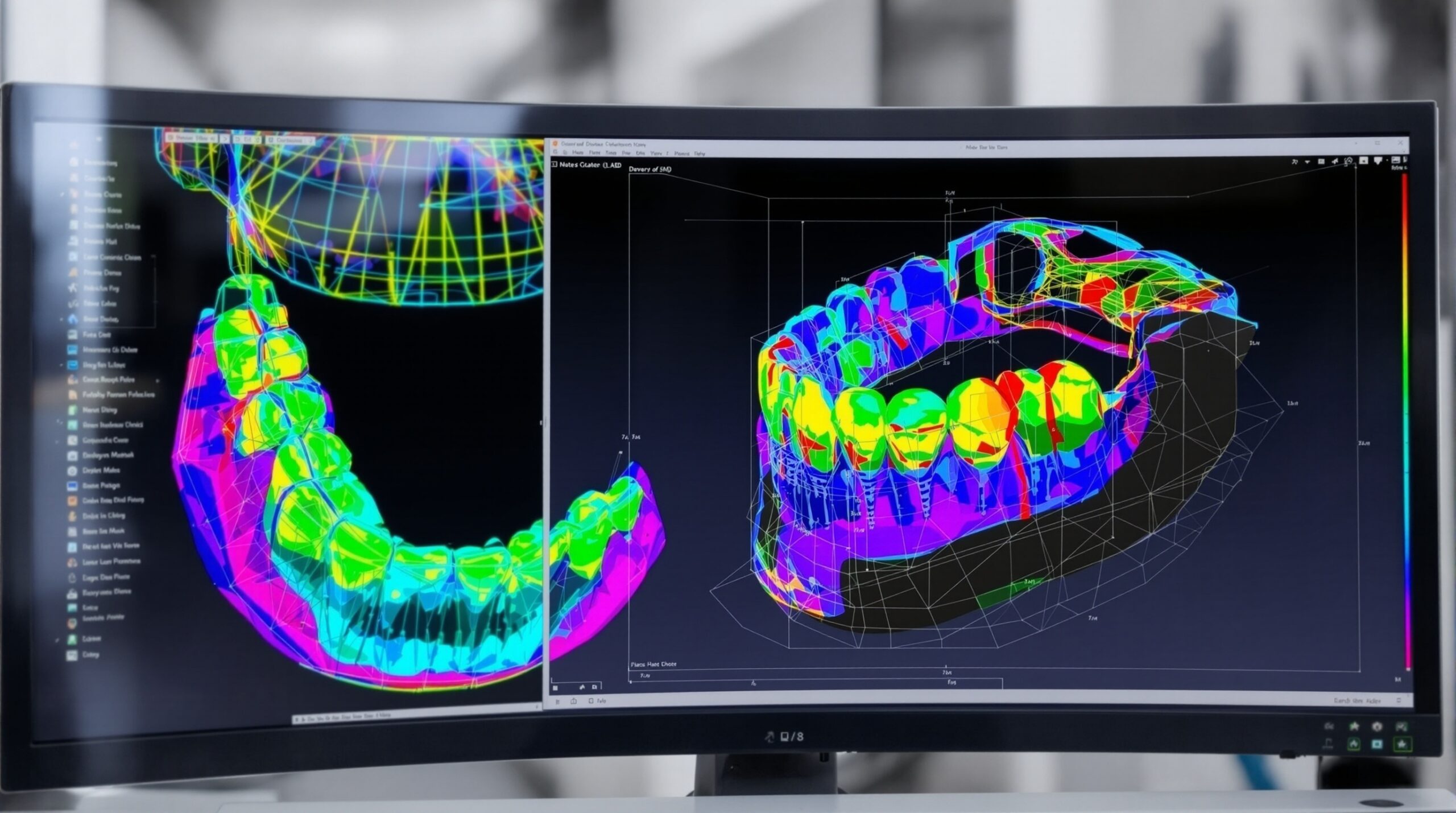
Sophisticated algorithms analyze feature points across multiple images, calculating 3D coordinates through triangulation. Post-processing software filters noise and optimizes surface reconstruction quality.
Comparison with Traditional Methods
Research comparing photogrammetry with conventional impressions and intraoral scanning demonstrates competitive accuracy for most clinical applications. While specialized scanners may offer superior resolution for certain procedures, photogrammetry provides an accessible entry point for practices seeking 3D imaging capabilities.
Future Developments
Emerging trends include integration with artificial intelligence for automated analysis, improved camera sensors for enhanced detail capture, and streamlined workflows that reduce processing time. Mobile applications may eventually enable photogrammetry using consumer smartphones, further democratizing access to 3D dental imaging.
Conclusion
Close-range photogrammetry represents a paradigm shift in dental imaging, offering professional-grade 3D reconstruction capabilities at accessible price points. As technology continues advancing, photogrammetry will likely play an increasingly important role in routine dental practice, supporting more precise diagnoses and improved treatment outcomes.
Dental professionals considering 3D imaging solutions should evaluate photogrammetry as a cost-effective alternative to traditional scanning systems, particularly for practices seeking to enhance their diagnostic capabilities while maintaining budget consciousness.
Sorry, the comment form is closed at this time.