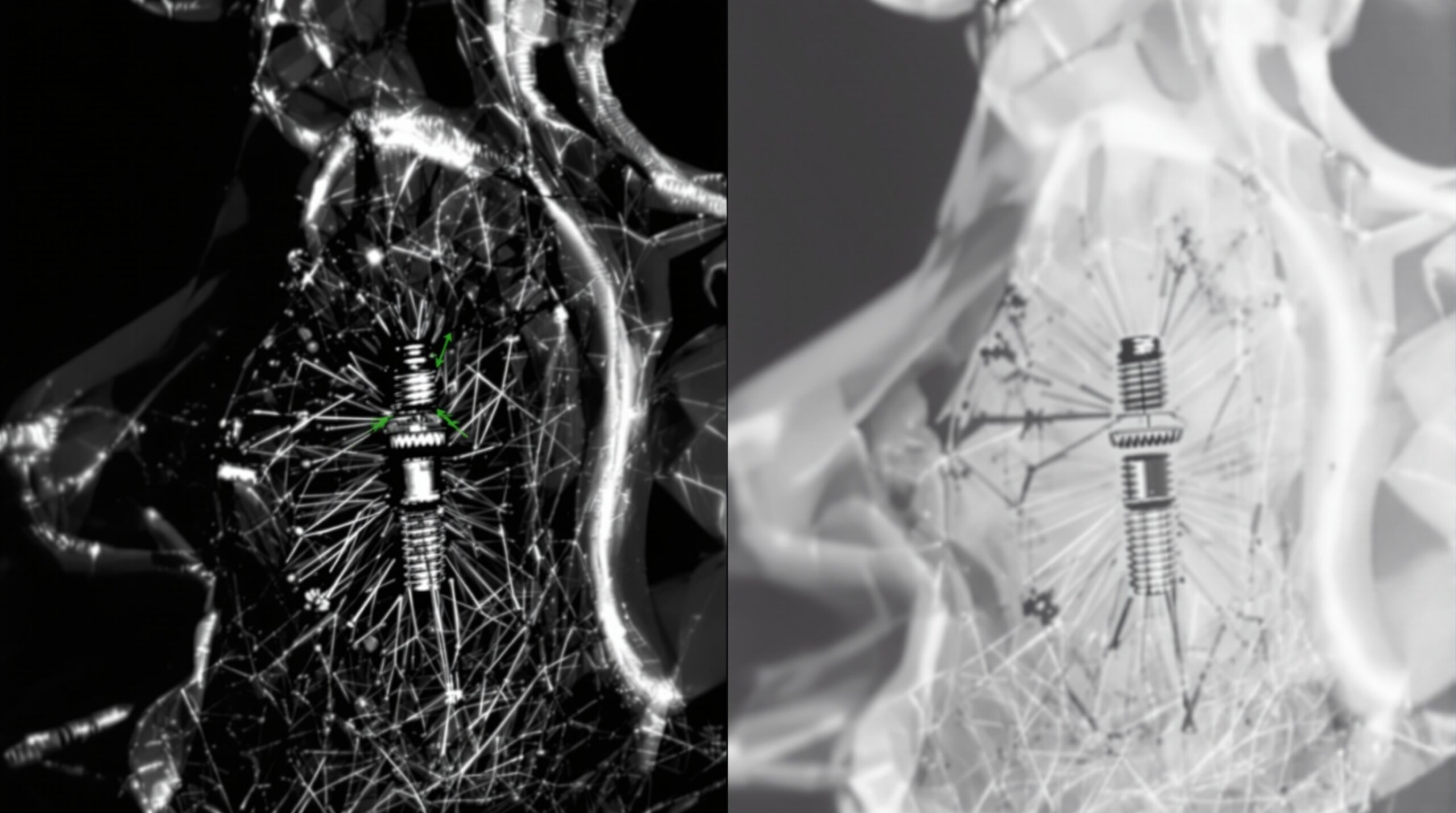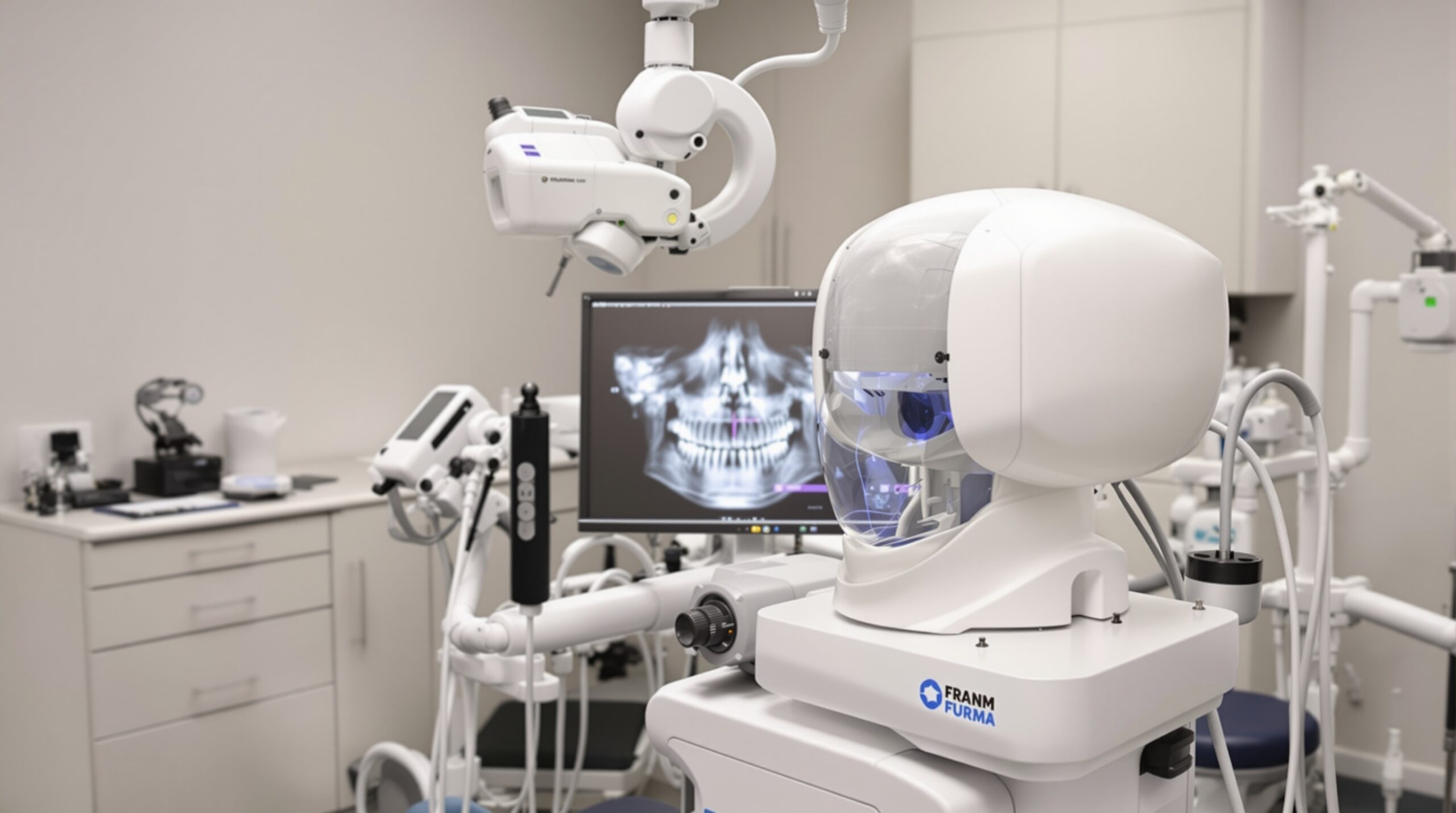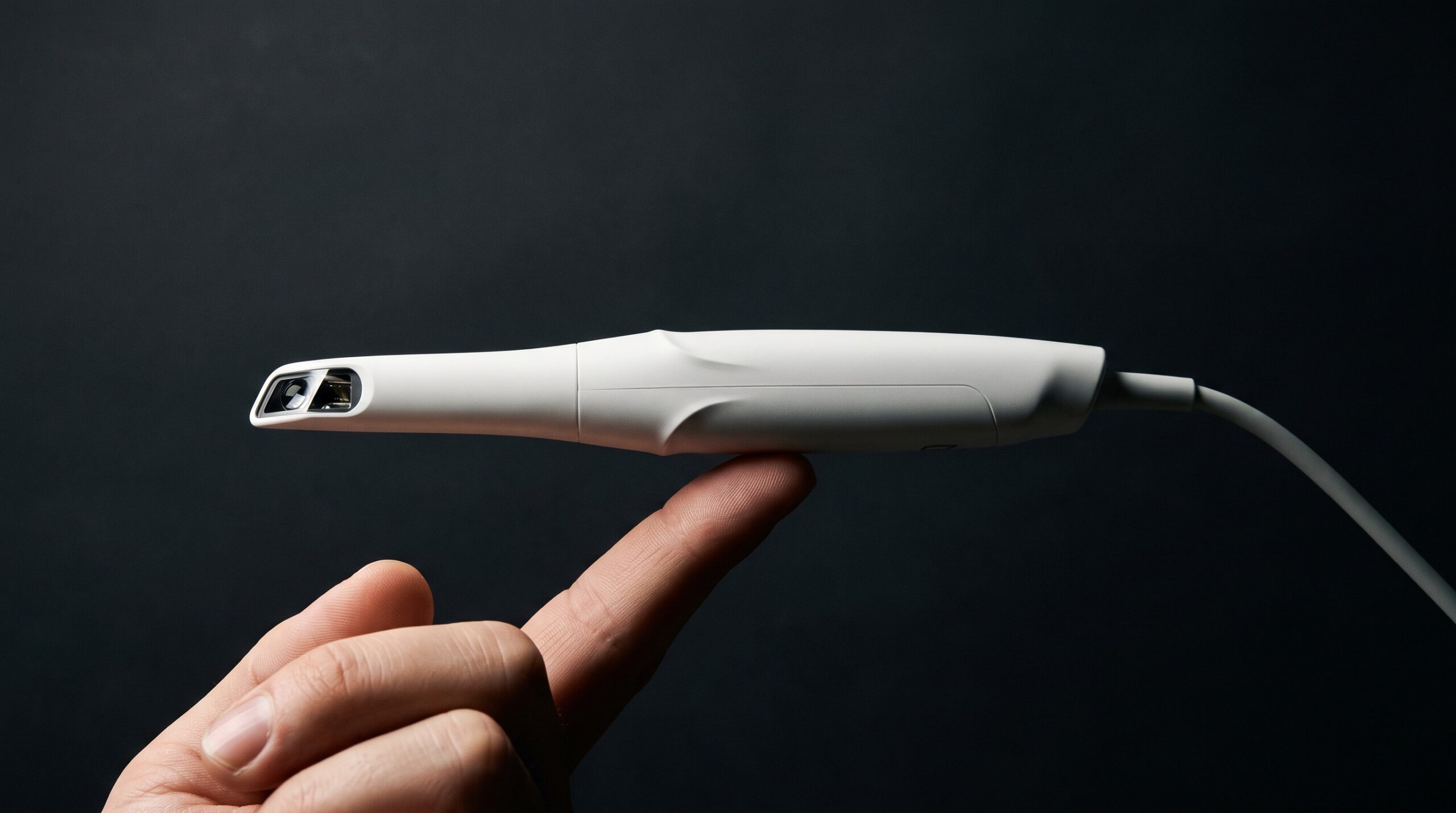
Quality assurance (QA) phantom testing represents a cornerstone of modern digital dental imaging, ensuring consistent performance and diagnostic reliability across all imaging systems. These specialized calibration tools provide standardized test objects that enable dental professionals to maintain optimal imaging parameters while adhering to ALARA (As...

Bitewing radiography remains one of the most frequently performed dental imaging procedures, essential for detecting interproximal caries, evaluating bone levels, and monitoring periodontal health. However, achieving optimal diagnostic quality while ensuring patient comfort requires mastering specific positioning techniques and understanding the nuances of sensor placement. Fundamentals...

Photoacoustic imaging represents a groundbreaking advancement in dental diagnostic technology, offering clinicians unprecedented capabilities for non-invasive periodontal health assessment. This revolutionary imaging modality combines optical and acoustic technologies to provide high-resolution visualization of dental tissues, periodontal structures, and gingival health parameters with exceptional precision and...

Ultrasound elastography represents a groundbreaking advancement in dental imaging technology, offering clinicians the ability to assess tissue stiffness and mechanical properties in real-time. This revolutionary diagnostic tool is transforming the way dental professionals evaluate temporomandibular joint (TMJ) disorders, masseter muscle conditions, and various oral tissue...

SWeep Imaging with Fourier Transform (SWIFT) represents a groundbreaking advancement in dental magnetic resonance imaging technology, offering unprecedented visualization capabilities for both hard and soft dental tissues. Unlike conventional MRI techniques that struggle with dental applications, SWIFT technology provides clinicians with high-resolution imaging of teeth,...

Hyperspectral imaging (HSI) represents a groundbreaking advancement in dental diagnostics, offering unprecedented insight into oral tissue composition through comprehensive spectral analysis. This cutting-edge technology captures both spatial and spectral information across numerous wavelength bands, enabling clinicians to detect dental pathologies that remain invisible to conventional...

Professional dental photography demands precise lighting control to capture accurate clinical details, making the choice of flash system critical for diagnostic quality images. Twin-point flash systems represent a sophisticated lighting solution that addresses the unique challenges of intraoral photography, offering superior shadow control and dimensional...

Artificial intelligence has transformed dental imaging through advanced segmentation technologies that automatically identify and highlight anatomical structures in radiographic images. AI-powered image segmentation represents a paradigm shift from manual interpretation to automated analysis, enhancing diagnostic accuracy while streamlining clinical workflows. Understanding AI Image Segmentation Technology AI image...

Dental plaque detection has evolved significantly with the introduction of fluorescence-based imaging technologies that can identify bacterial biofilms without the need for traditional disclosing agents. Red fluorescence plaque detection using 405nm LED illumination represents a breakthrough in non-invasive oral health assessment, offering clinicians precise, real-time...

Optical coherence tomography (OCT) represents a groundbreaking advancement in dental imaging technology, offering clinicians unprecedented visualization capabilities for oral tissues without invasive procedures. Often referred to as an "optical biopsy," OCT provides high-resolution, cross-sectional imaging that rivals histopathological examination quality. Understanding OCT Technology OCT operates on the...