


October 15, 2026 The Wand Gets Lighter: How 2026’s Featherweight Intraoral Scanners Rewrite the Ergonomics of Capture
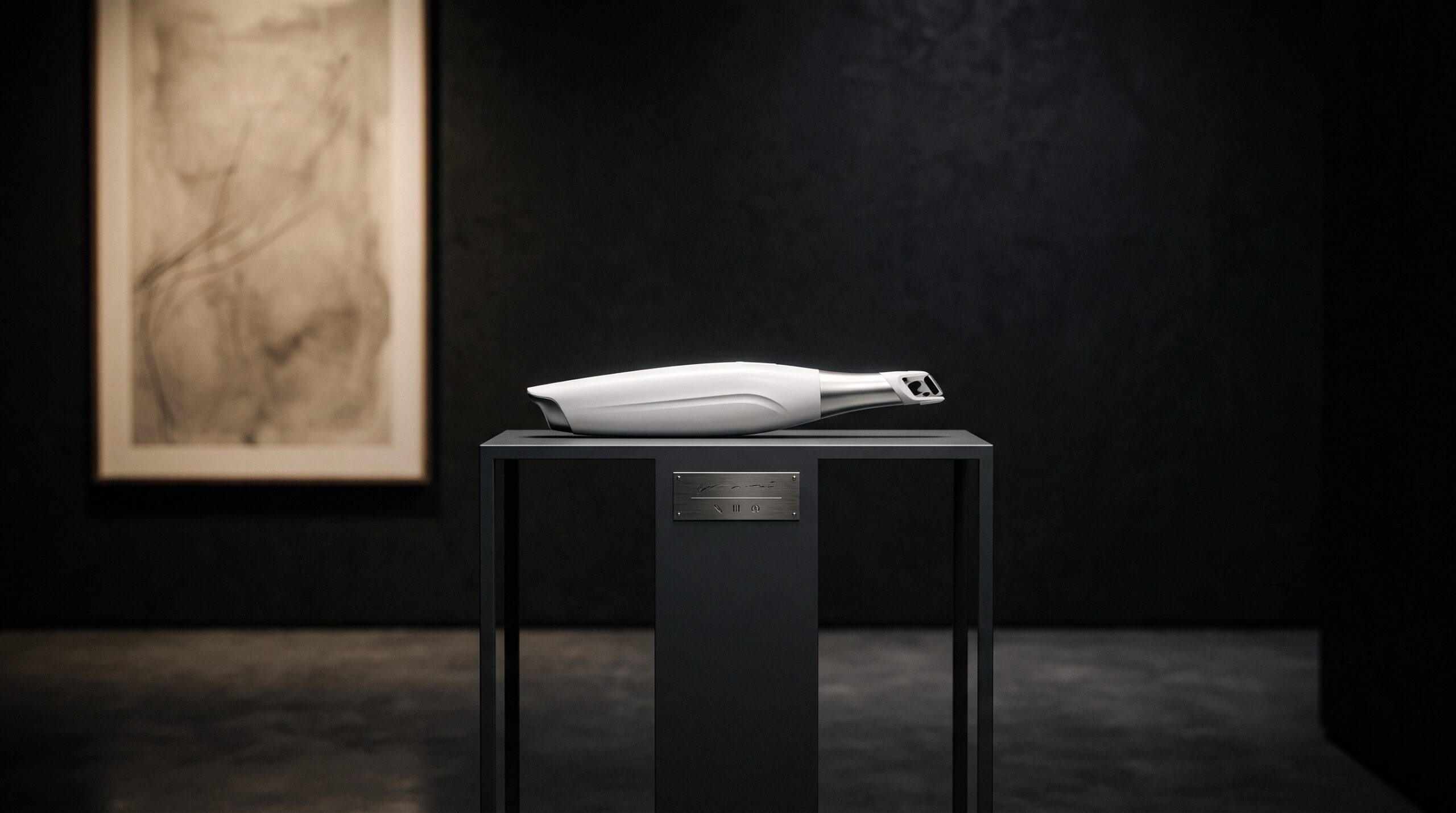
For most of its history the intraoral scanner was something you endured as much as wielded. The early wands were bulky, cable-tethered, and heavy enough that a full-arch scan left a faint ache in the wrist and a patient shifting in the chair. The image they produced was the point, and the instrument that produced it was simply a cost of doing digital dentistry. That bargain is quietly ending. The headline specification of 2026’s new scanners is not resolution or speed but mass — and SHINING 3D’s newly launched Aoralscan Elf, at roughly 106 grams, is one of the lightest intraoral scanners ever brought to market. Light enough to sit in the hand like a fountain pen, it signals a shift in where the craft of capture actually lives: not only in the optics at the tip, but in the fatigue-free geometry of the hand that guides them.
Why the mass in your hand ends up in the scan
It is tempting to treat weight as a comfort feature, a nicety that spares the operator an aching wrist at the end of a long day. It is more than that. An intraoral scanner does not take a single photograph; it captures a rapid stream of frames that software stitches into one continuous surface as the wand travels along the arch. The quality of that stitch depends on the smoothness of the path the tip traces. A heavy wand demands more muscular effort to hold steady and to change direction, and that effort expresses itself as micro-tremor, as hesitation at the turns, and as the small involuntary jerks that creep in once the hand tires. Each of those is a discontinuity the stitching algorithm must work to reconcile — and where it cannot, the result is drift, a doubled surface, or a soft zone that has to be rescanned. A lighter, well-balanced wand lets the hand move in one unhurried, flowing arc, and a smoother arc hands the software a cleaner, more coherent surface to assemble. Comfort and accuracy are not separate virtues here; they are the same virtue seen from two ends.
Balance matters as much as grams
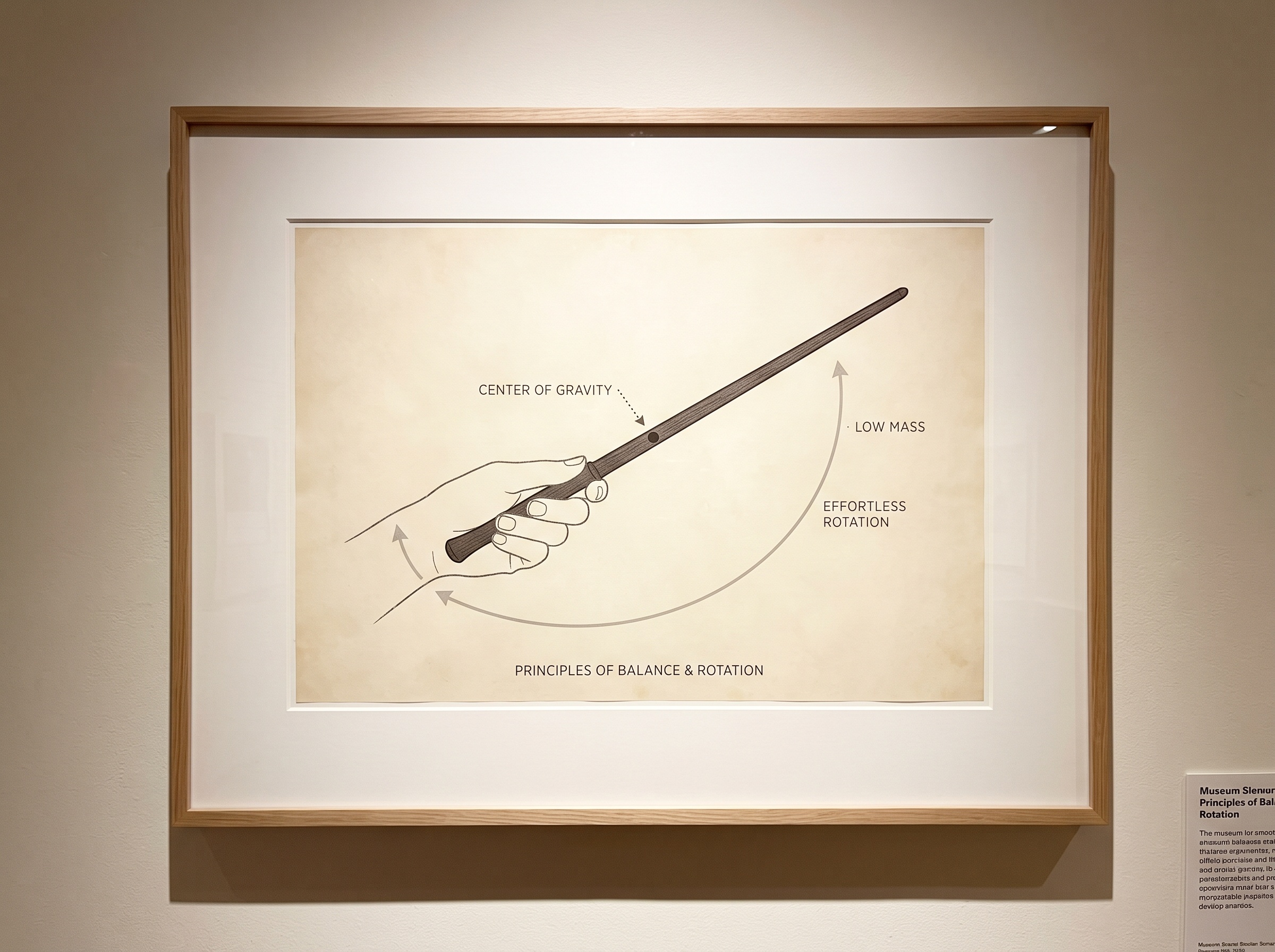
Raw weight is only half the ergonomic equation. A scanner’s handling is governed just as much by where that mass sits relative to the grip — its center of gravity. A wand that is light overall but tip-heavy still forces the wrist to counter a lever arm every time it rotates, and rotation is exactly what full-arch scanning demands as the operator rolls the tip around the buccal, occlusal, and lingual surfaces of each tooth. The design ambition behind the newest instruments is a pen-like balance: the mass pulled back toward the hand so the wand pivots around a point near the fingers rather than swinging from the end. Achieving that has driven real engineering trade-offs. The Aoralscan Elf, for instance, reaches its featherweight figure in part through a polymer body rather than the metal shell of heavier siblings — a choice that lowers both mass and, pointedly, price, while asking questions about long-term durability that only clinical mileage will answer. The balance story also explains why a lighter tool can improve the patient’s experience as directly as the operator’s: a nimble wand spends less time lingering in a sensitive mouth, because the scan is finished before fatigue or a gag reflex forces a pause. The same discipline that governs keeping the field dry and isolated during a scan — minimizing the time and disturbance a capture imposes — is served by a wand that simply gets in and out faster.
Intelligence moves to the tip
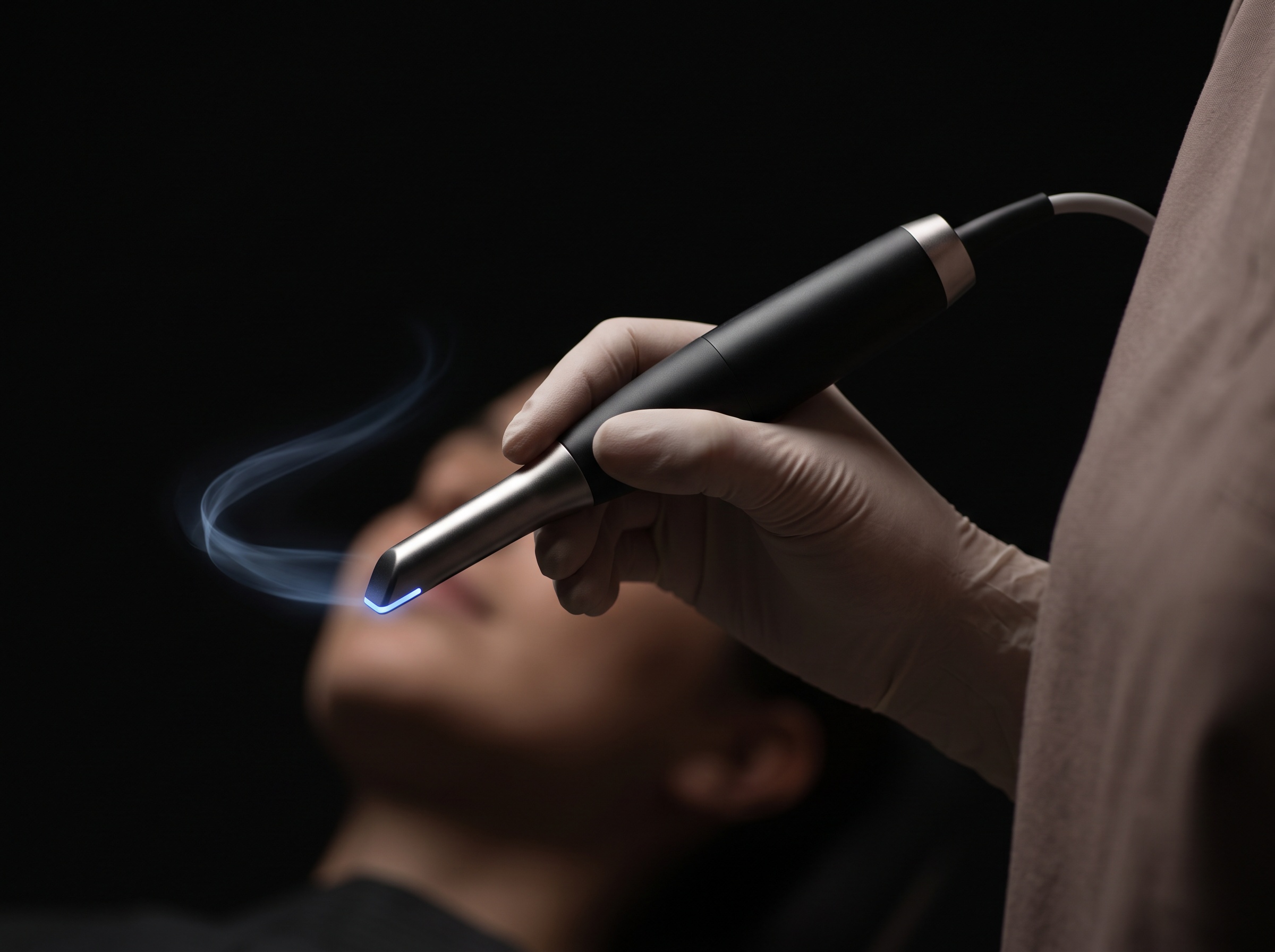
Shedding grams is the visible headline; the less visible one is that artificial intelligence is migrating into the scan itself. The Aoralscan Elf is marketed not only on its weight but on AI-driven occlusal accuracy — software that reasons about how the upper and lower arches actually meet rather than relying solely on the operator to capture a clean bite registration. This matters because occlusion has long been the quiet failure point of digital impressions: a beautifully captured arch is useless to the laboratory if the bite it is married to is a few degrees off. Folding that judgment into the capture stage means the instrument is beginning to correct for the very human variability that lighter ergonomics also address. It is a telling convergence — hardware removing the physical sources of error while software removes the interpretive ones — and it places the scanner on the same trajectory as the rest of the imaging chain, where machine reasoning increasingly shapes the picture at the moment it is formed rather than long afterward.
A crowding field and a new challenger
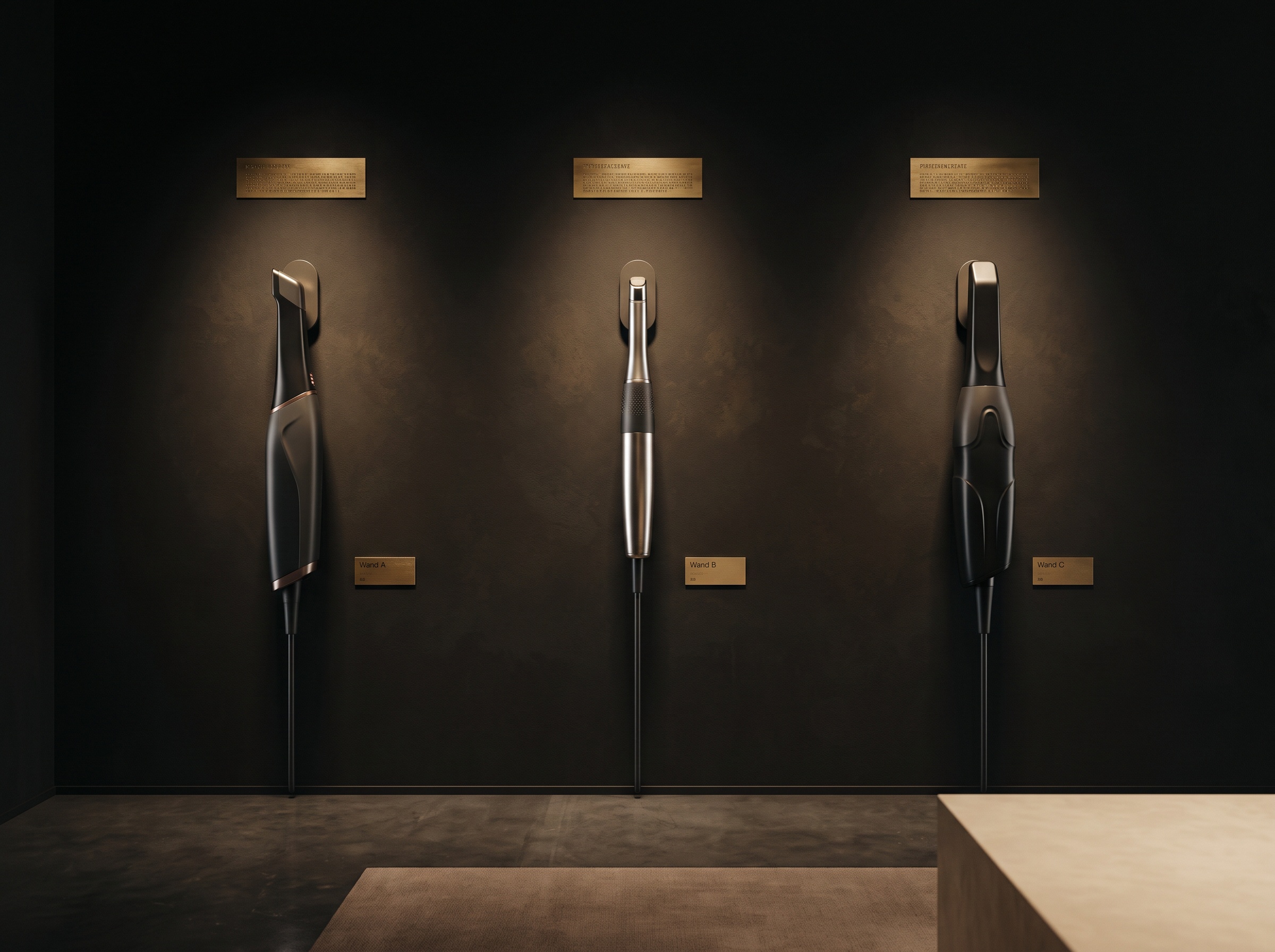
None of this is happening in a single company’s vacuum. The intraoral scanner market in 2026 is unusually crowded, with established makers and insurgents alike racing toward the same brief: lighter, faster, smarter, and cheaper. The clearest sign of the gold-rush energy is who is now trying to enter. Arcreal, a South Korean AI-healthcare company, raised $5.4 million in Pre-Series A funding late in 2025 to advance its own intraoral scanner, build out a dental AI foundation model, and establish a United States subsidiary in 2026. That a venture-backed newcomer would stake its future on building a scanner from scratch is itself significant: intraoral scanning is widely regarded as one of the highest technical barriers in dentistry, demanding the fusion of precision optics, real-time three-dimensional reconstruction, and now machine learning into a tool slim enough to maneuver inside a molar’s shadow. When new money and new entrants chase a problem that hard, it is a reliable signal that the underlying technology has matured to the point where meaningful improvement — and meaningful market share — is finally up for grabs. For the clinician, a crowded field is mostly good news: competition on weight, price, and intelligence tends to push the whole category forward faster than any single vendor would on its own.
What a lighter wand changes for the practice
The practical consequences accrue quietly but add up. A wand that does not tire the hand makes full-arch and full-mouth scanning less of an endurance exercise, which in turn makes clinicians more willing to scan thoroughly rather than settling for a hurried capture. Lower price points, enabled partly by lighter materials, lower the barrier for practices that have held off on going digital. Faster, AI-assisted workflows shorten chair time and feed cleaner data downstream — to the design software that turns a scan into a restoration, and to the automated journey from scan to printed mock-up that increasingly begins the moment the wand is set down. And every one of these gains depends, in the end, on the same raw material: a dense, accurate three-dimensional record of the mouth, captured cleanly. The better and more effortlessly that record is made, the more valuable it becomes as the foundation for everything built on top of it — including the labeled datasets that teach dental AI to see in the first place.
Future Developments
If 106 grams is a landmark, it is not a destination. The trajectory points toward wands that are lighter still, fully untethered, and increasingly autonomous in judgment — instruments that not only capture the arch but flag an incomplete margin, a missed contact, or a questionable bite while the patient is still in the chair, and quietly guide the operator’s hand back to fill the gap. As the physical instrument shrinks toward the ergonomic limit of what a hand can hold, the competitive frontier will move almost entirely into software: into the foundation models that newcomers like Arcreal are betting on, into real-time error detection, and into the seamless hand-off from capture to design. The scanner is following the same arc every mature imaging tool eventually traces — the hardware receding until it all but disappears into the clinician’s hand, leaving the attention where it always belonged, on the luminous, faithful model of the mouth it conjures, and on the care that model makes possible.
Sources & further reading:
- SHINING 3D Dental launches Aoralscan Elf intra-oral scanner
- Arcreal Raises $5.4 Million to Advance AI and Enter U.S. Intraoral Scanner Market
No Comments