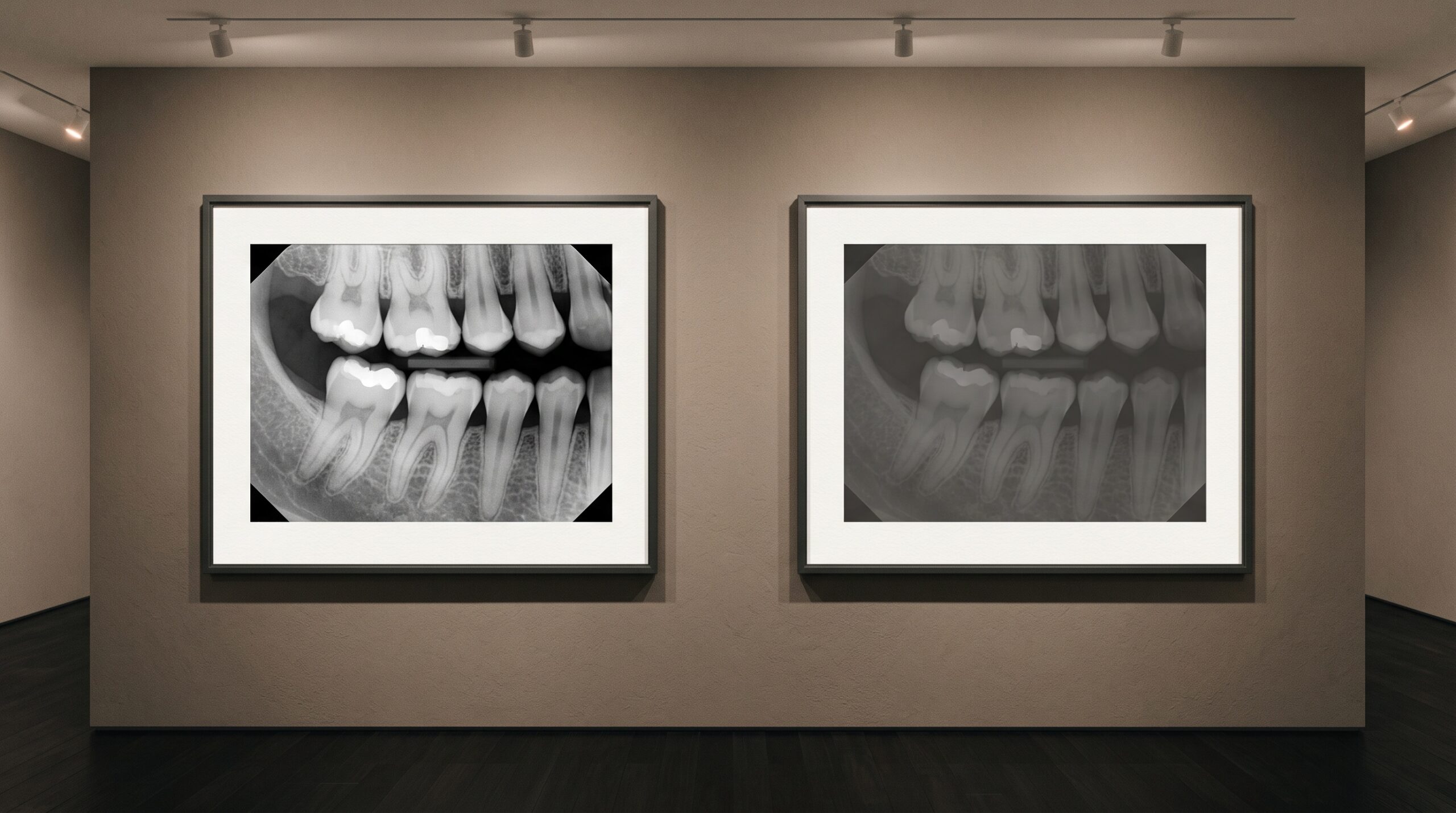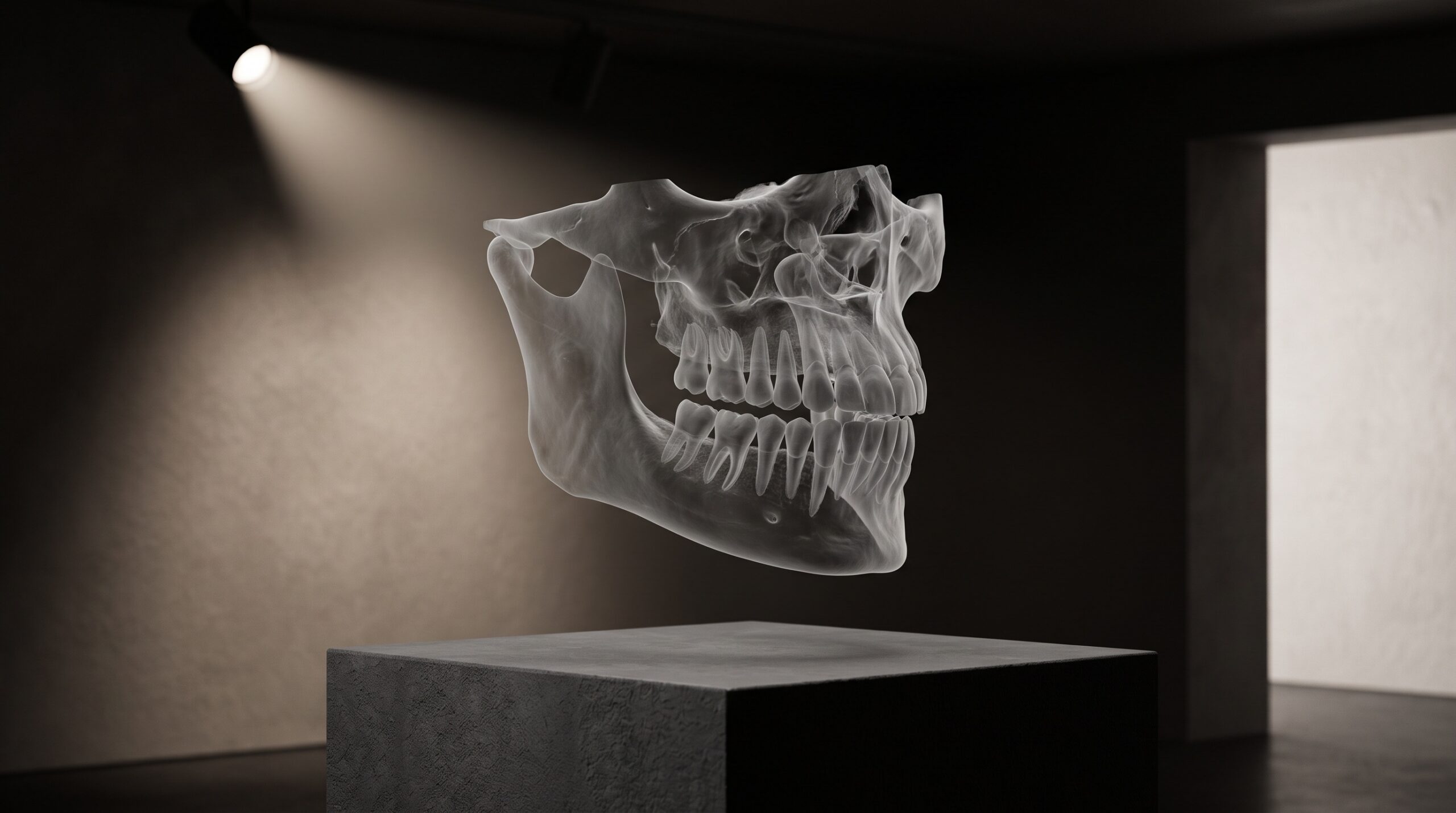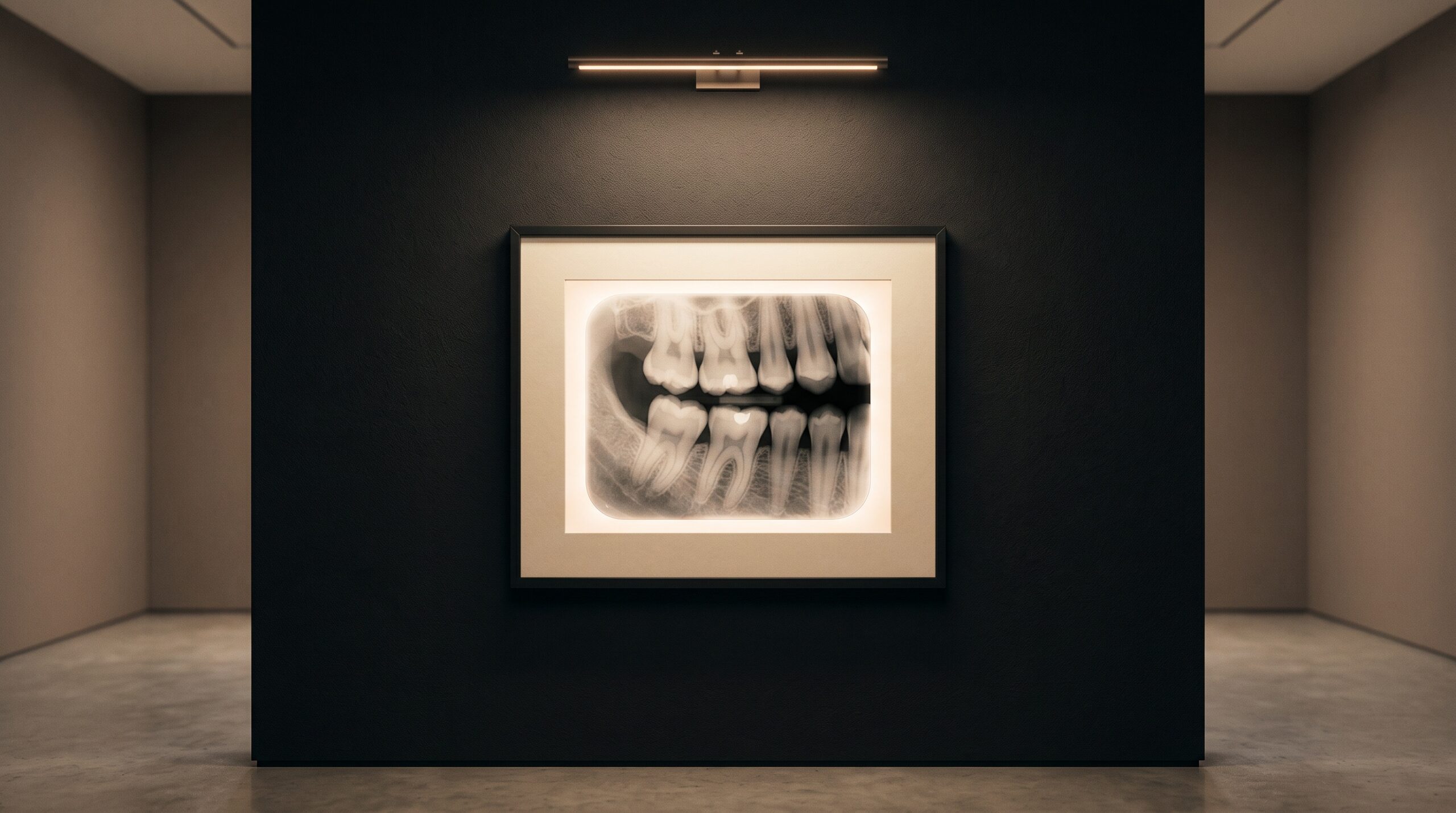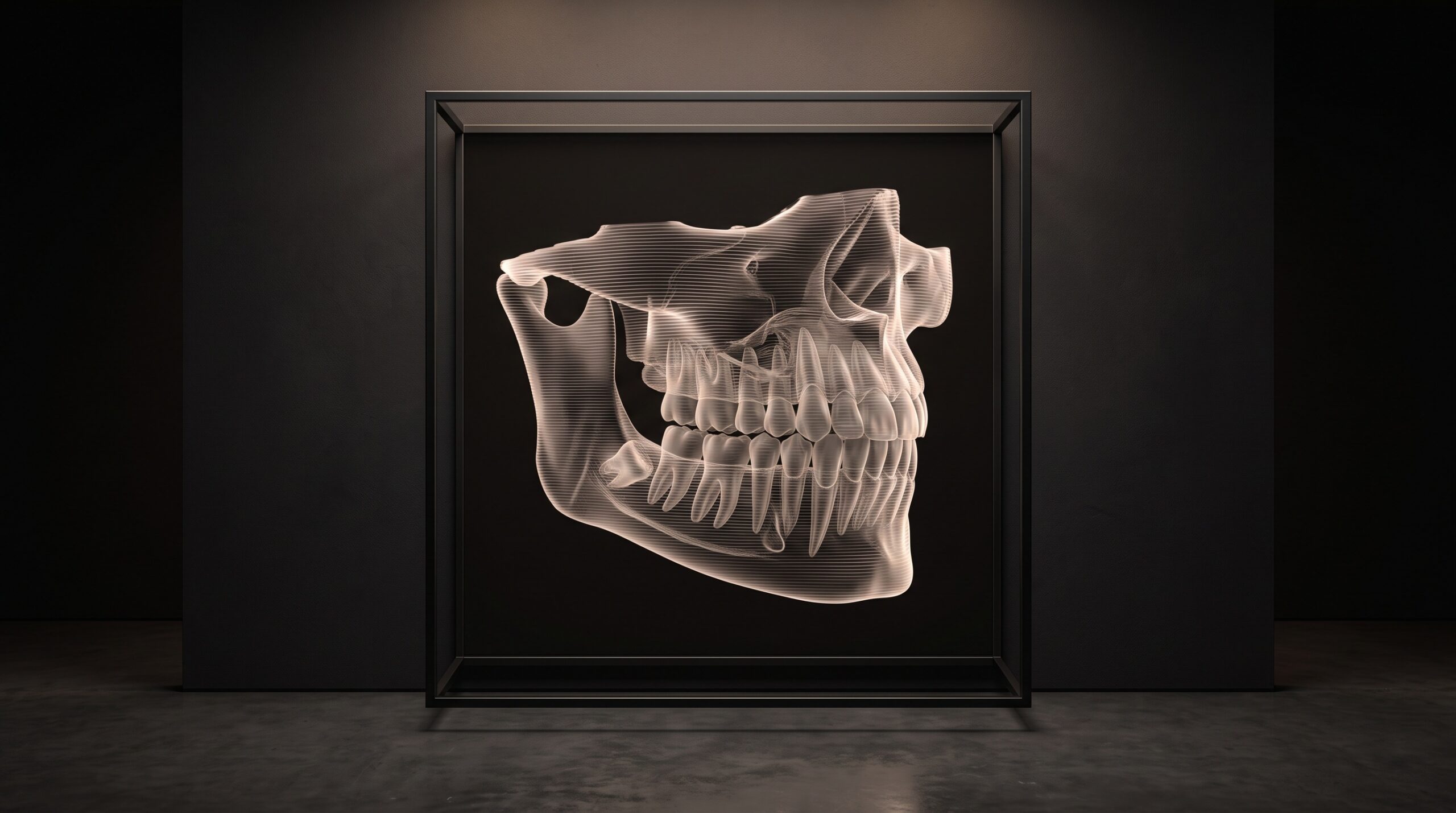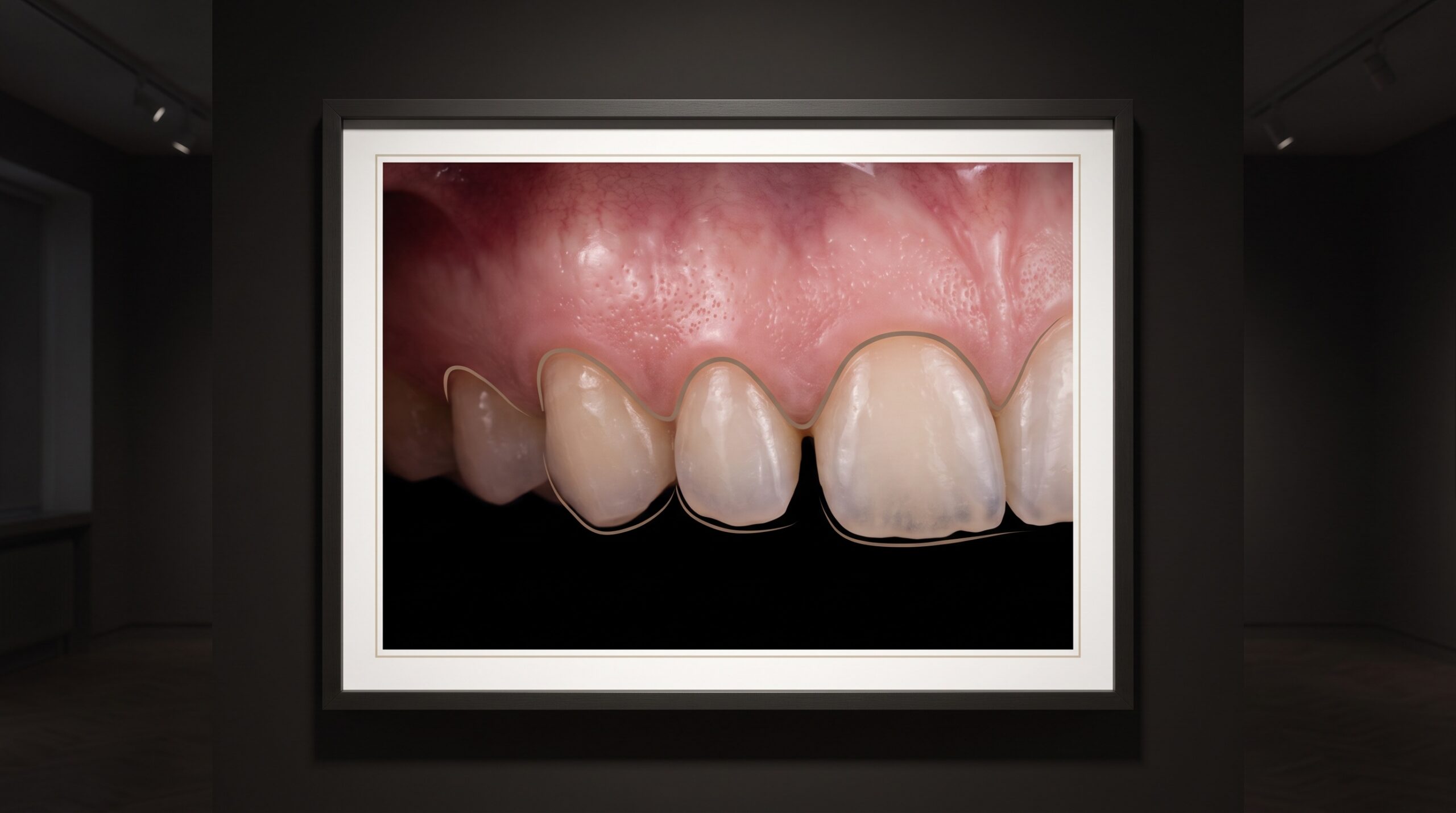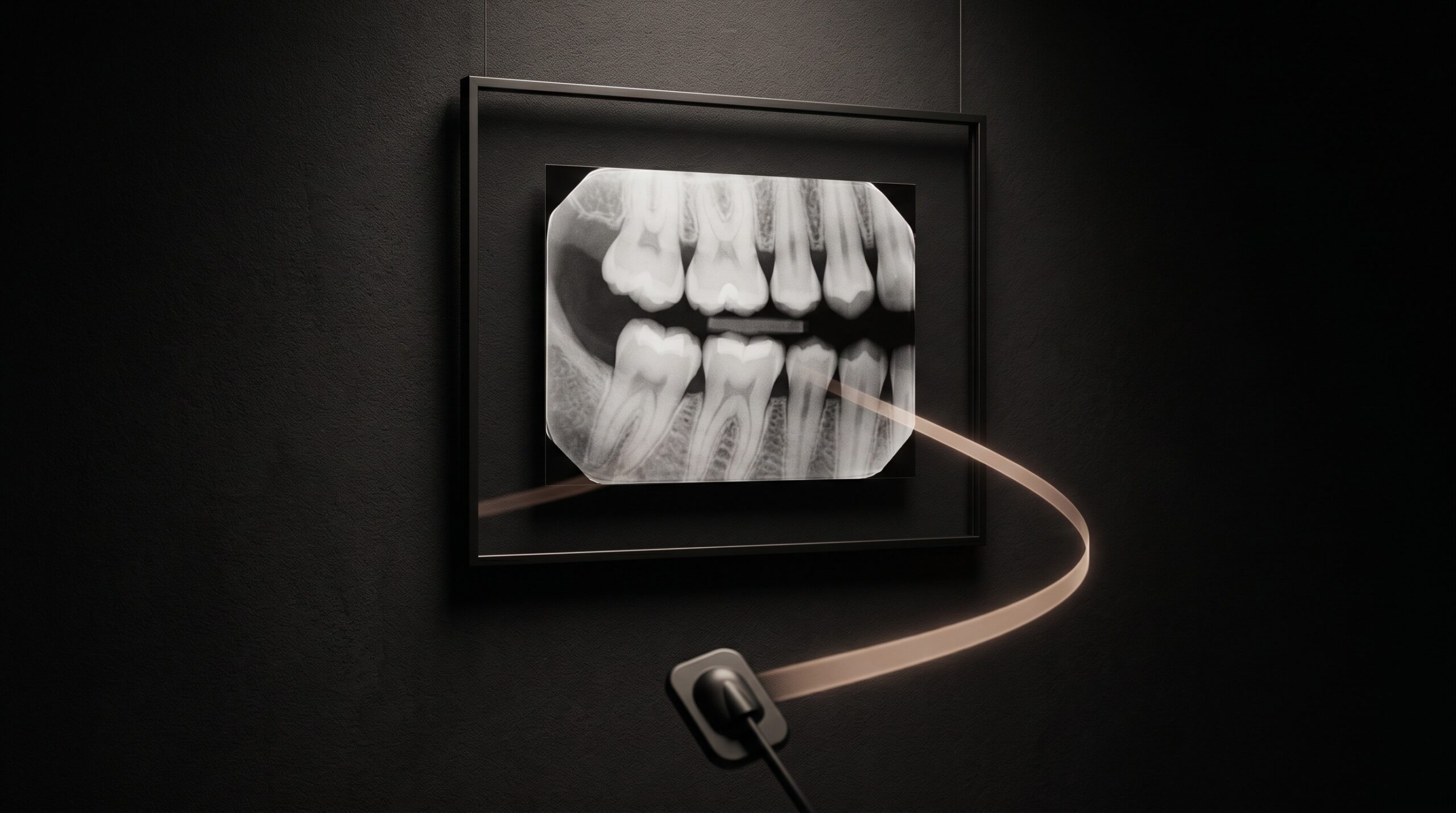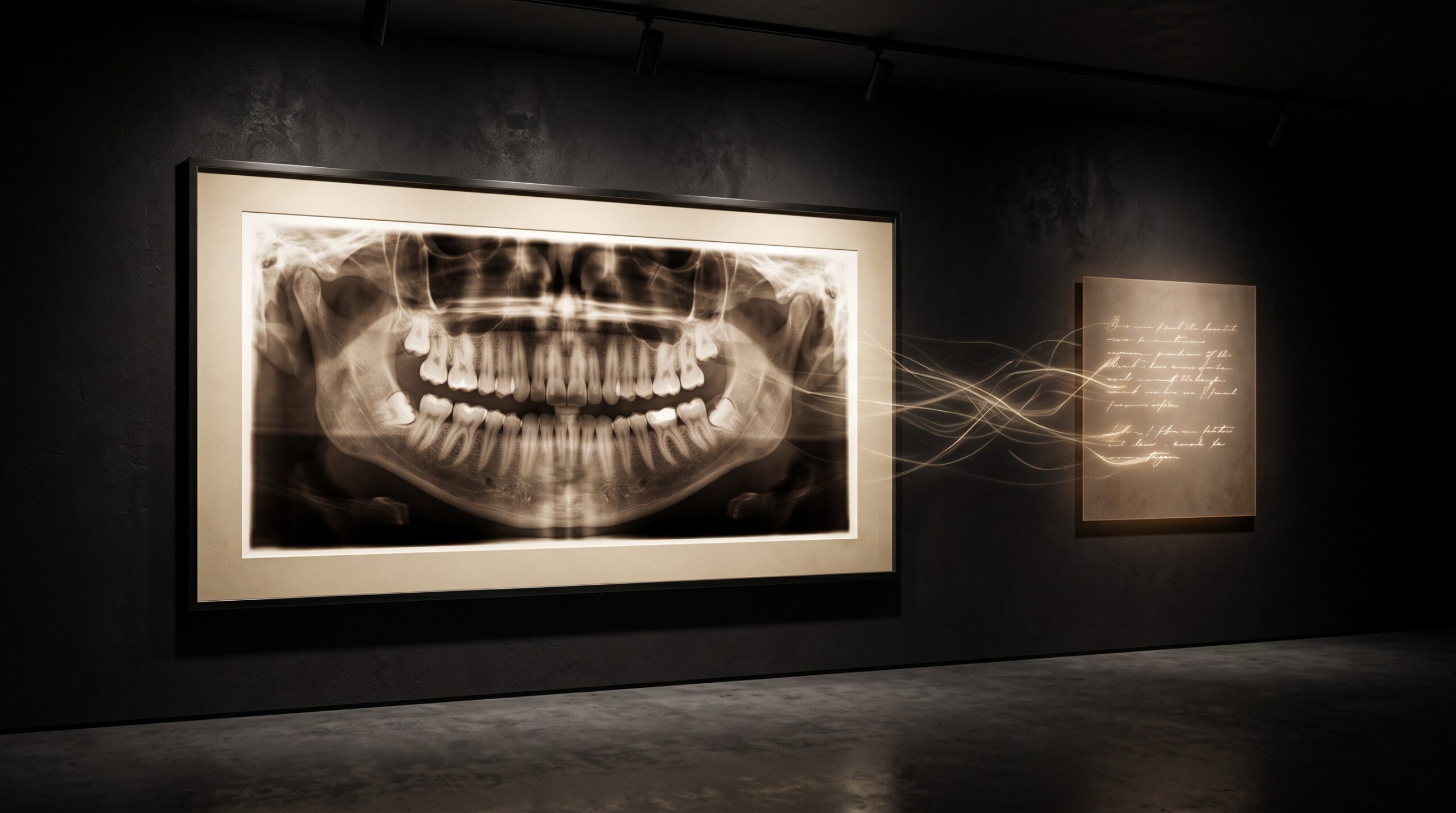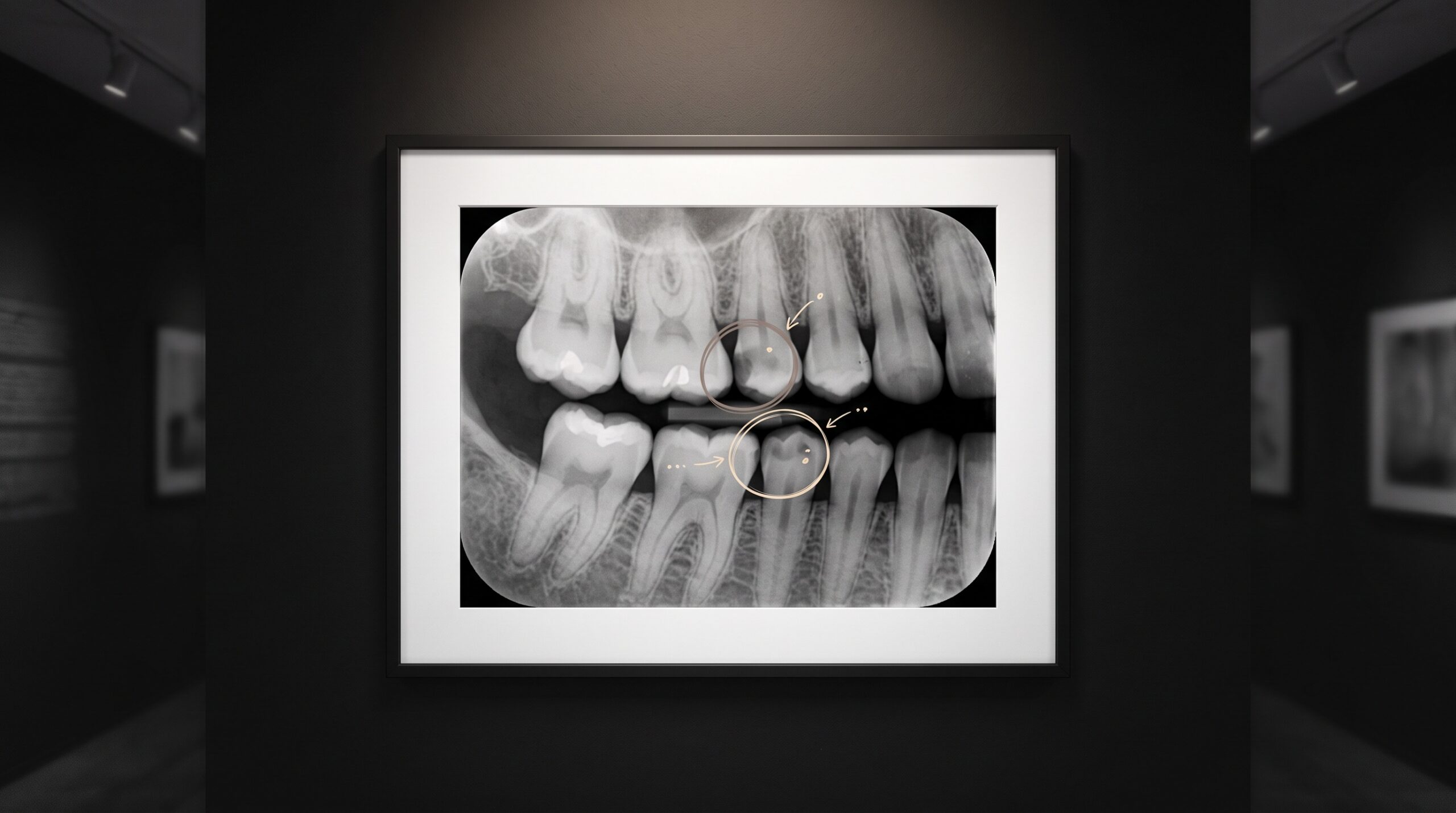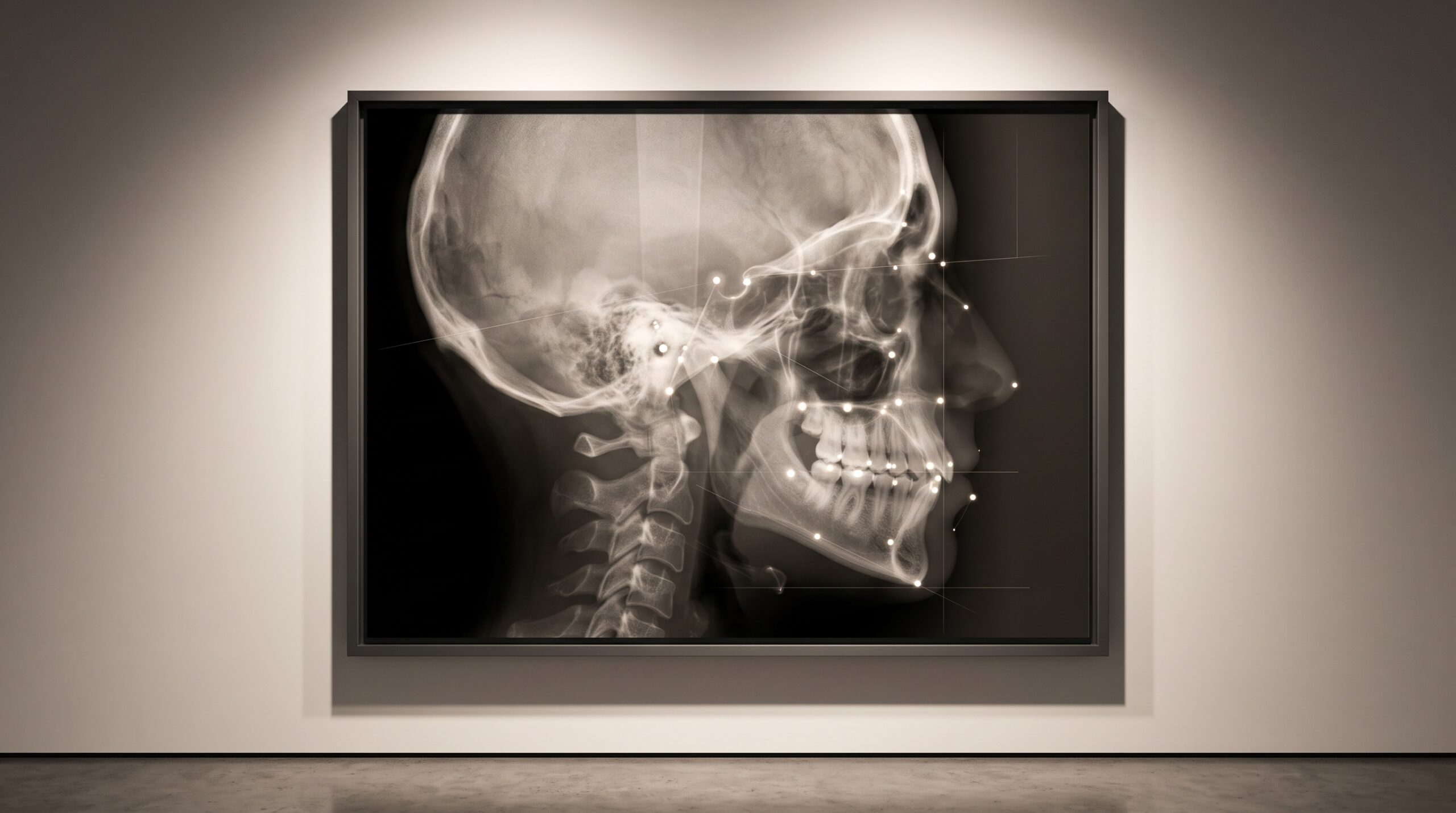
Radiopaque contrast agents represent a transformative advancement in dental imaging technology, offering clinicians enhanced diagnostic capabilities through improved radiographic visibility. These specialized materials fundamentally alter how dental structures, restorative materials, and pathological conditions appear on radiographic images, providing unprecedented clarity in complex clinical scenarios.Understanding Radiopaque...

Modern dental practices increasingly rely on intraoral scanners to deliver precise digital impressions, but achieving consistent sub-5 micrometer accuracy requires strict adherence to automated calibration protocols. The 2026 accuracy benchmark established by ISO 12836:2025 Amendment 1 demands ≤4.2μm RMS error, making proper calibration procedures essential...

Polarized light microscopy (PLM) stands as one of the most sophisticated and revealing imaging techniques in modern dental diagnostics, offering unprecedented insights into enamel structure and pathology. This advanced optical method leverages the birefringent properties of dental enamel to visualize microscopic changes that are invisible...

Teledentistry platforms enhanced with artificial intelligence are transforming the landscape of remote dental consultations and diagnosis. These advanced systems enable dental professionals to provide high-quality care beyond the traditional clinical setting, improving accessibility and efficiency in oral healthcare delivery. The Evolution of Remote Dental Diagnostics Modern teledentistry...

Metal artifacts in dental imaging present significant diagnostic challenges, creating streaking patterns and distortions that can obscure critical anatomical structures. Modern dental practices increasingly rely on sophisticated artifact reduction techniques to maintain image quality while preserving essential diagnostic information.Understanding Metal Artifact FormationMetal artifacts occur when...

Hyperspectral imaging (HSI) represents a groundbreaking advancement in dental diagnostics, offering unprecedented insight into oral tissue composition through comprehensive spectral analysis. This cutting-edge technology captures both spatial and spectral information across numerous wavelength bands, enabling clinicians to detect dental pathologies that remain invisible to conventional...

Artificial intelligence has transformed dental imaging through advanced segmentation technologies that automatically identify and highlight anatomical structures in radiographic images. AI-powered image segmentation represents a paradigm shift from manual interpretation to automated analysis, enhancing diagnostic accuracy while streamlining clinical workflows. Understanding AI Image Segmentation Technology AI image...

Patient comfort during intraoral X-ray procedures significantly impacts image quality, treatment acceptance, and overall clinical workflow. Modern digital sensor technology offers unprecedented diagnostic capabilities, but achieving optimal results requires careful attention to ergonomic positioning techniques that prioritize both patient experience and clinical efficiency.Understanding Digital Sensor...

Dental plaque detection has evolved significantly with the introduction of fluorescence-based imaging technologies that can identify bacterial biofilms without the need for traditional disclosing agents. Red fluorescence plaque detection using 405nm LED illumination represents a breakthrough in non-invasive oral health assessment, offering clinicians precise, real-time...

Digital Subtraction Radiography (DSR) represents a revolutionary advancement in dental imaging technology, offering unparalleled precision in detecting and monitoring subtle changes in oral and maxillofacial structures. This sophisticated technique has transformed how dental professionals approach diagnostic imaging by eliminating anatomical noise and highlighting even the...