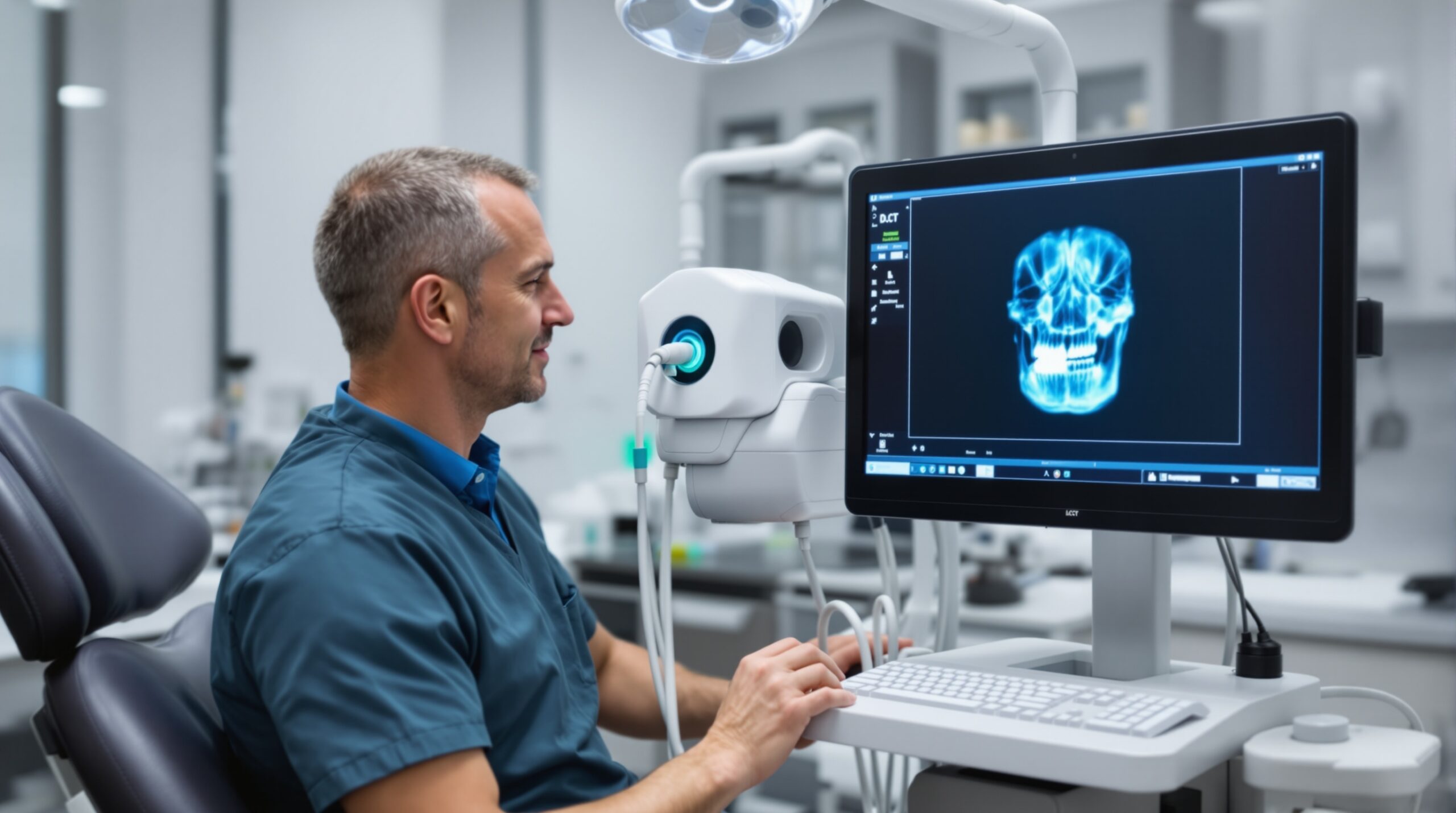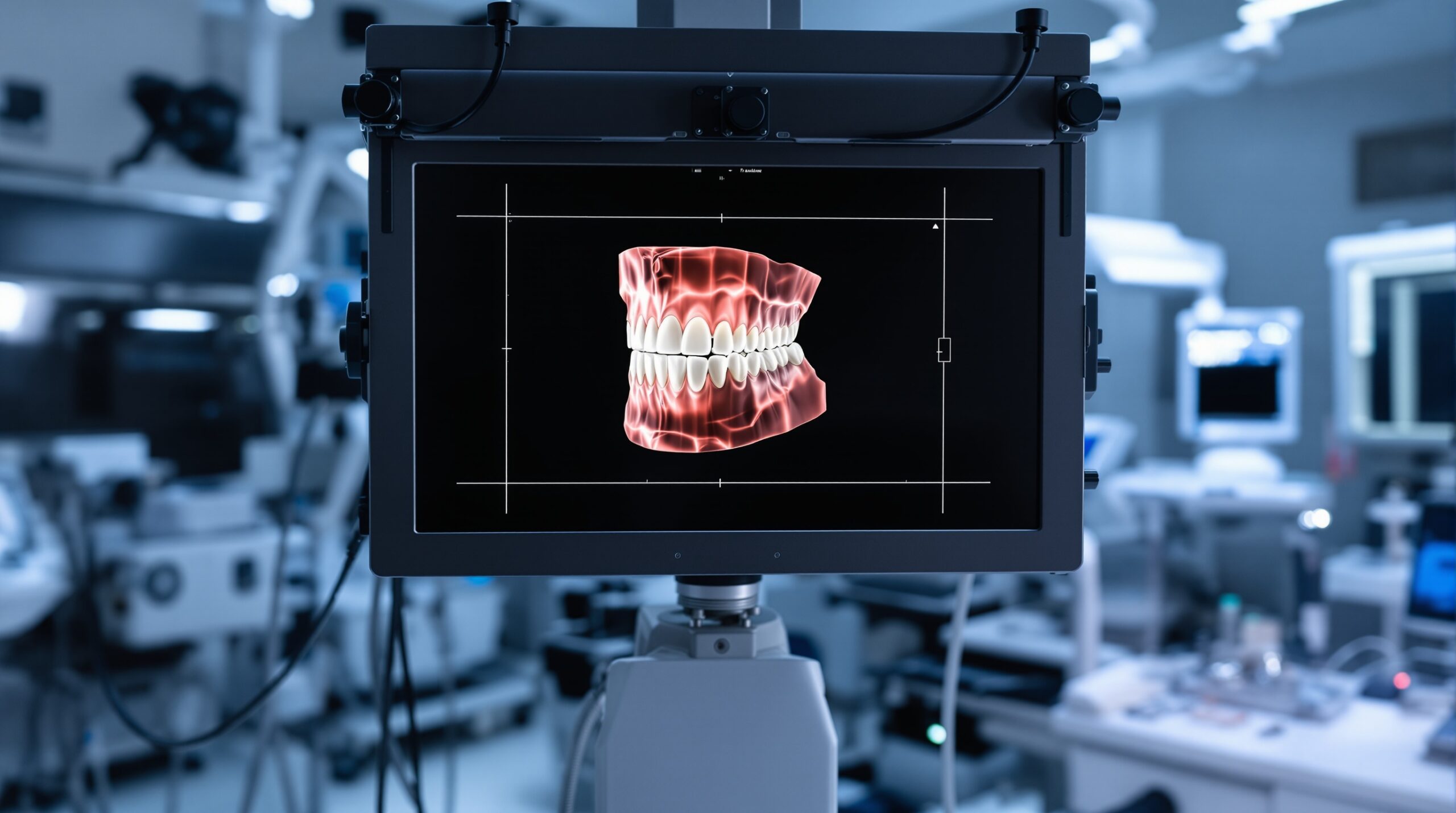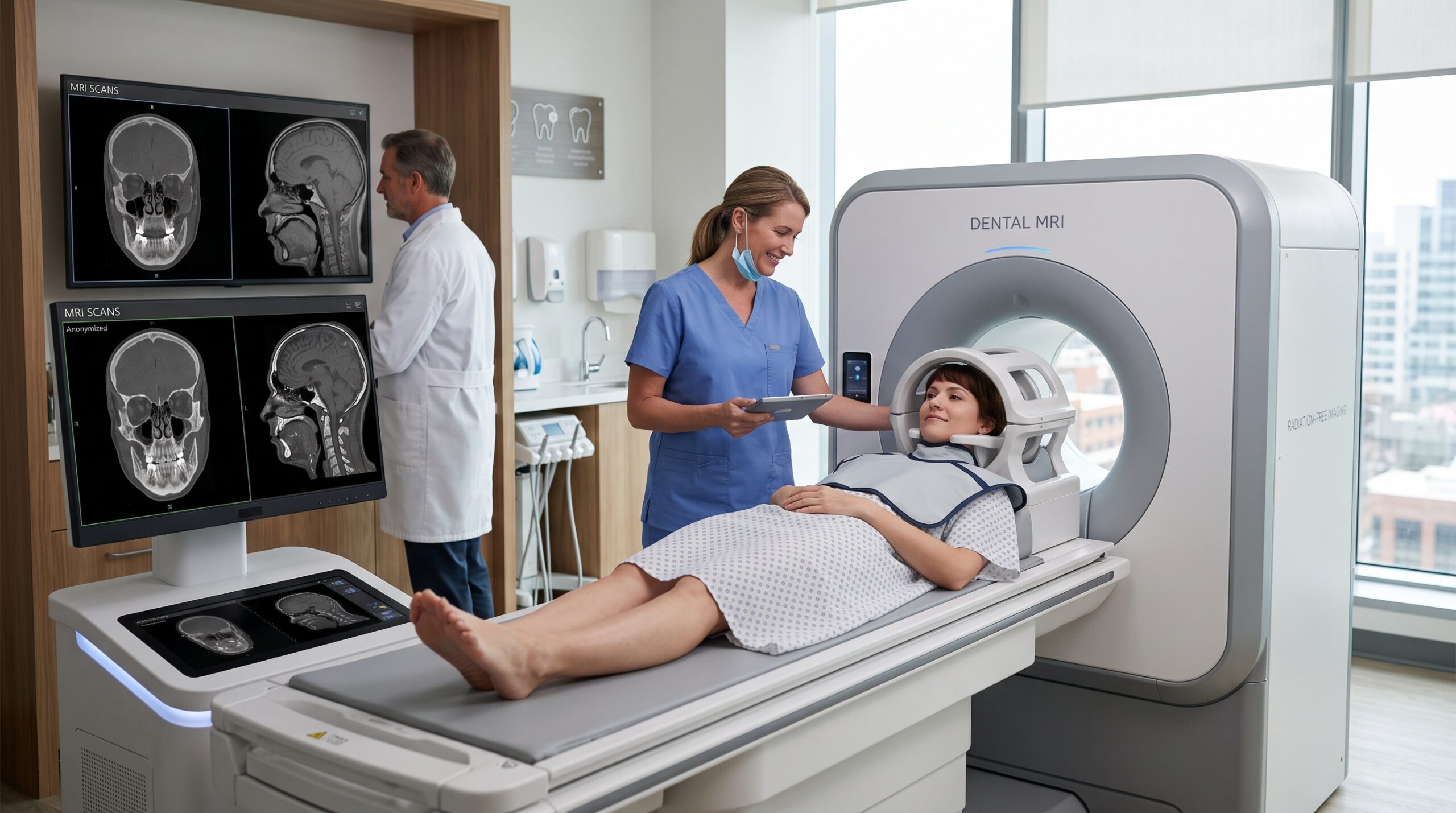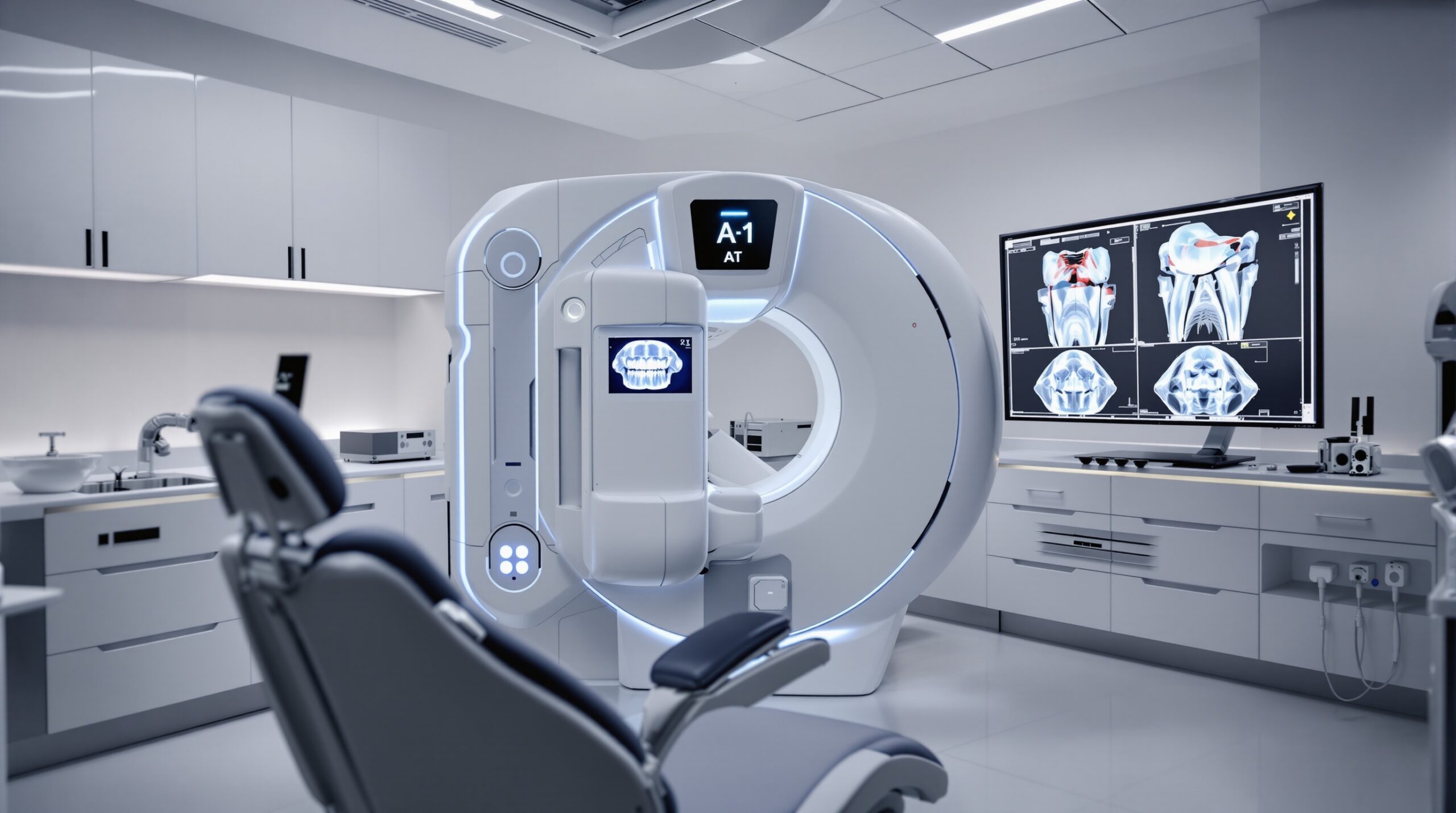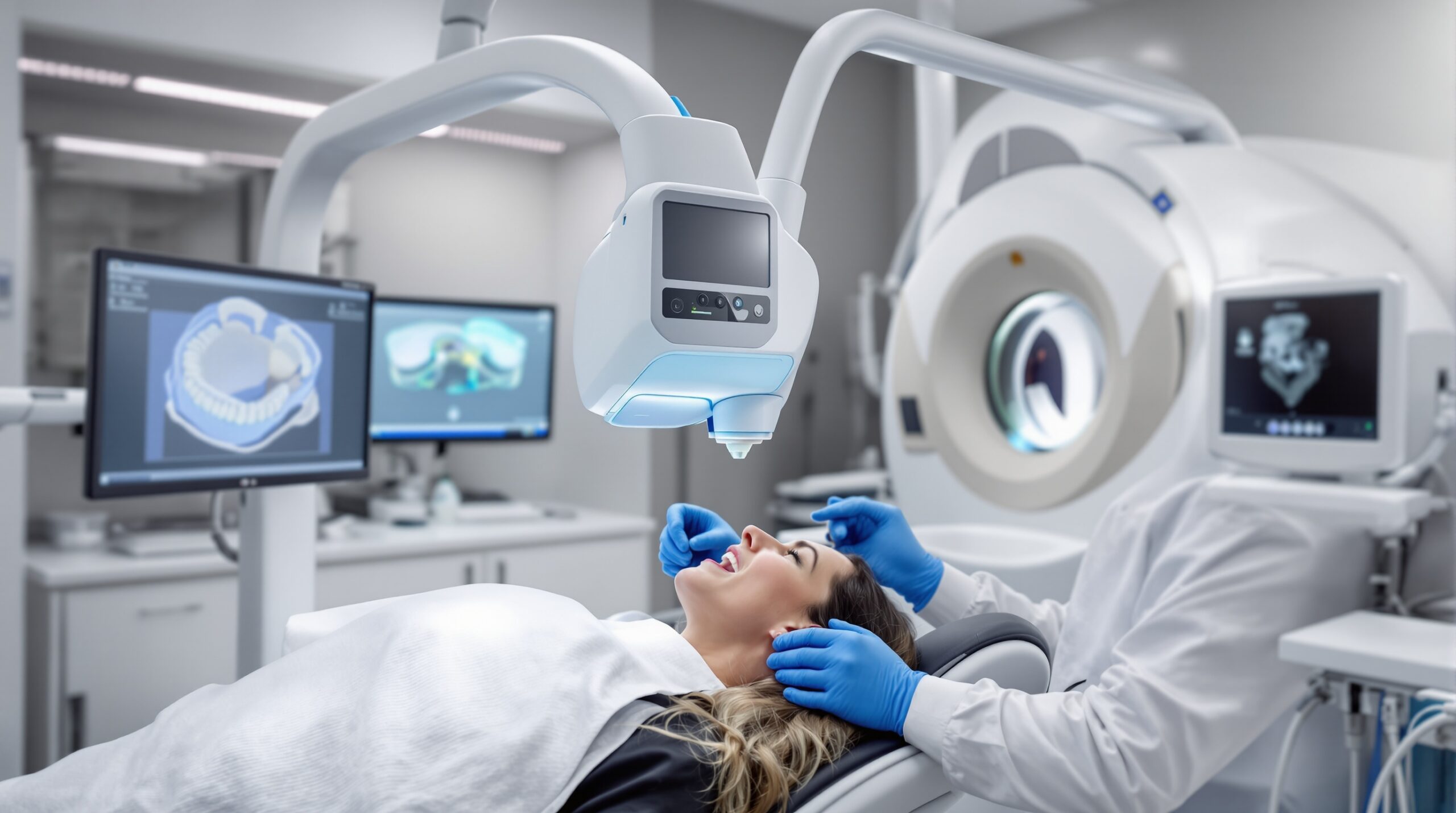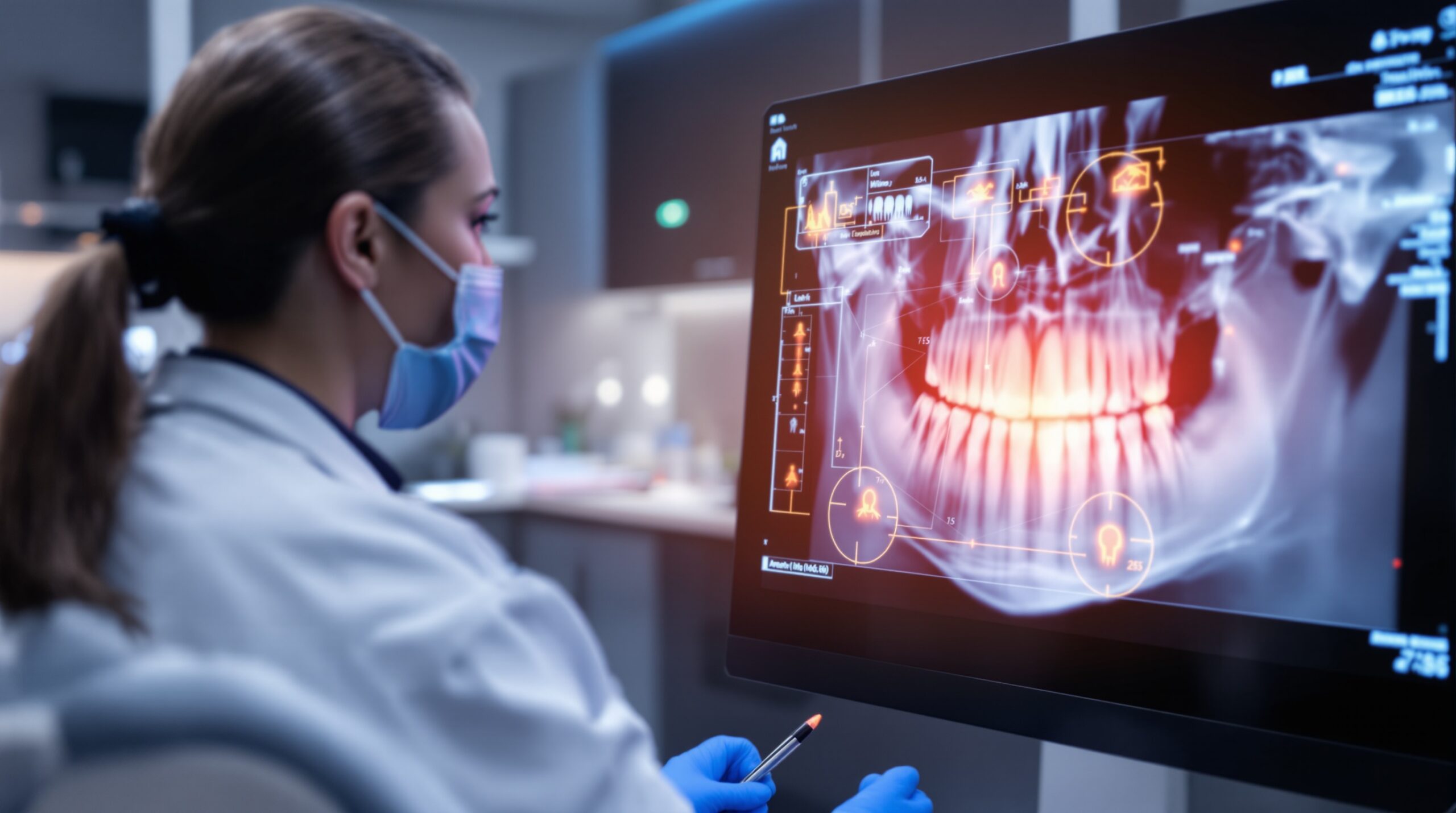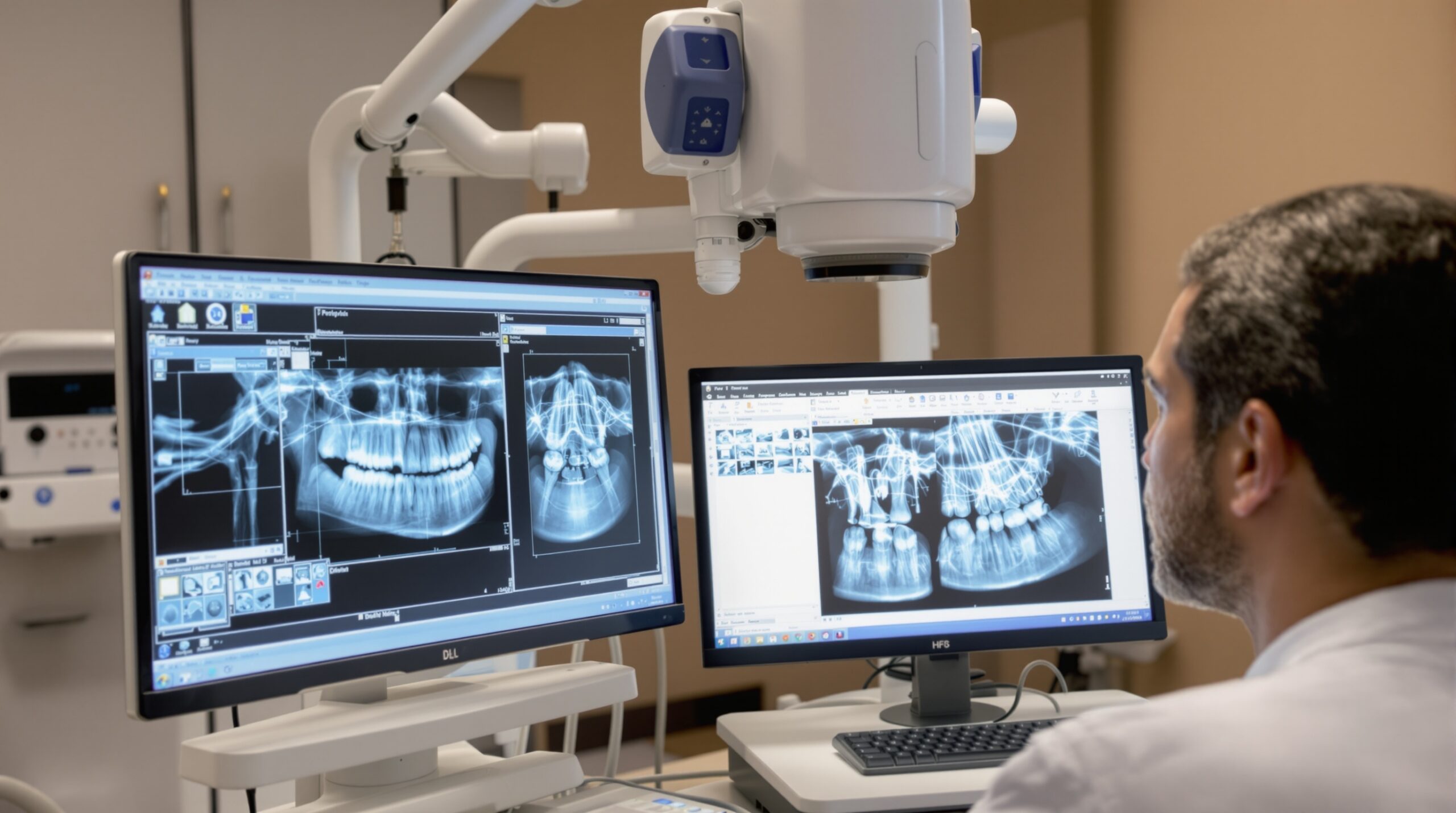
Cone Beam Computed Tomography (CBCT) has fundamentally transformed dental imaging, offering unprecedented three-dimensional visualization of oral and maxillofacial structures. This advanced imaging technology provides dental professionals with detailed anatomical information that was previously impossible to obtain through traditional radiographic methods. Understanding CBCT Technology CBCT uses a cone-shaped...

Cone-beam computed tomography (CBCT) has transformed dental diagnosis by providing detailed 3D imaging capabilities. However, radiation exposure concerns have led researchers to develop groundbreaking artificial intelligence solutions that maintain image quality while significantly reducing patient radiation doses.The Challenge of Radiation ExposureTraditional CBCT imaging requires substantial...

The integration of Cone Beam Computed Tomography (CBCT) systems with intraoral scanners represents one of the most significant advances in dental imaging technology. As we progress through 2026, this powerful combination is transforming clinical workflows, enhancing diagnostic capabilities, and improving patient outcomes across all dental...

Cone Beam Computed Tomography (CBCT) has already transformed dental imaging by providing detailed 3D reconstructions with minimal radiation exposure. Now, artificial intelligence is taking this technology to unprecedented levels of diagnostic accuracy and efficiency.The Evolution of CBCT TechnologyTraditional dental X-rays provided only limited 2D views...

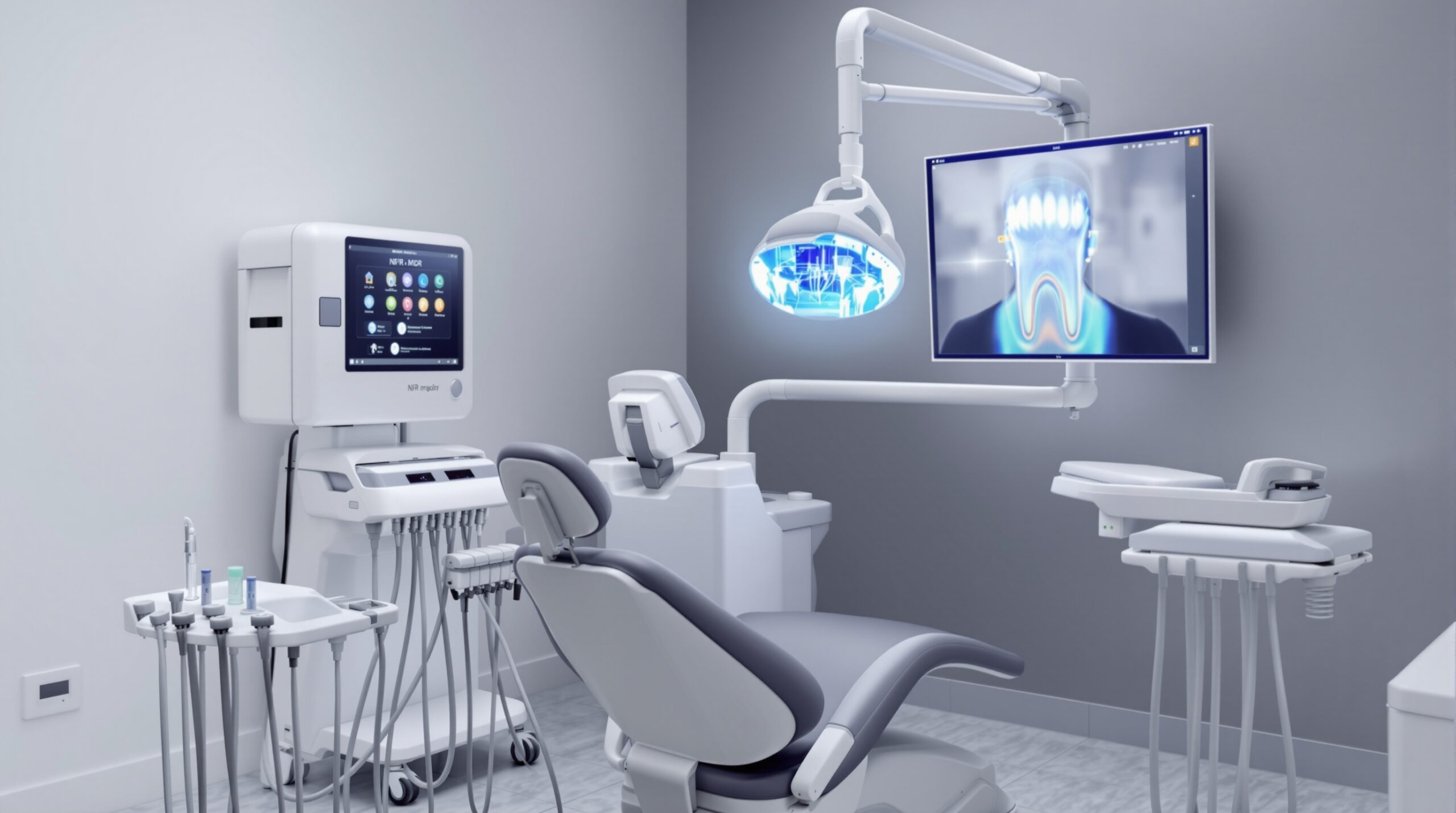
The integration of artificial intelligence into dental imaging represents one of the most significant advances in clinical dentistry in recent years. As we move through 2026, AI-enhanced diagnostic tools are revolutionizing how practitioners interpret radiographic images, improving accuracy while reducing interpretation time. Current State of AI...

Artificial intelligence is transforming dental imaging practices across the globe, with Cone Beam Computed Tomography (CBCT) leading the charge in advanced diagnostic capabilities. Modern AI-powered systems are now capable of automatically detecting dental pathologies, measuring anatomical structures, and providing real-time diagnostic assistance that enhances clinical...

The transition from traditional film-based radiography to digital systems has revolutionized dental imaging, offering immediate results, reduced radiation exposure, and streamlined workflows. However, simply adopting digital technology isn't enough – optimizing these workflows is essential for maximizing efficiency, improving patient care, and ensuring long-term practice...

Cone Beam Computed Tomography (CBCT) has already transformed dental imaging, providing three-dimensional views of oral structures that were impossible with traditional radiography. Now, the integration of artificial intelligence into CBCT analysis is taking this revolution one step further, enabling faster diagnoses, improved treatment planning, and...

Digital impression technology has fundamentally transformed the traditional approach to capturing dental impressions, replacing messy impression materials and time-consuming procedures with precise, efficient, and patient-friendly digital workflows. Modern intraoral scanners have revolutionized how dental professionals approach restorative, orthodontic, and implant procedures, creating seamless integration between...

The intraoral camera has come a long way from the grainy, wand-shaped devices that first appeared in dental operatories in the 1990s. In 2026, these pen-sized imaging tools have evolved into sophisticated diagnostic instruments that combine high-definition imaging, artificial intelligence, and even three-dimensional capture —...