


February 12, 2026 Intraoral Camera Technology in 2026: AI Integration, 3D Imaging, and the Future of Chairside Diagnostics
The intraoral camera has come a long way from the grainy, wand-shaped devices that first appeared in dental operatories in the 1990s. In 2026, these pen-sized imaging tools have evolved into sophisticated diagnostic instruments that combine high-definition imaging, artificial intelligence, and even three-dimensional capture — transforming how dentists diagnose, document, and communicate with patients.
With the global intraoral camera market growing at a compound annual growth rate of 11.1% and the broader intraoral scanner market projected to reach $1.8 billion by 2033, this technology is experiencing a renaissance driven by AI and advanced optics.
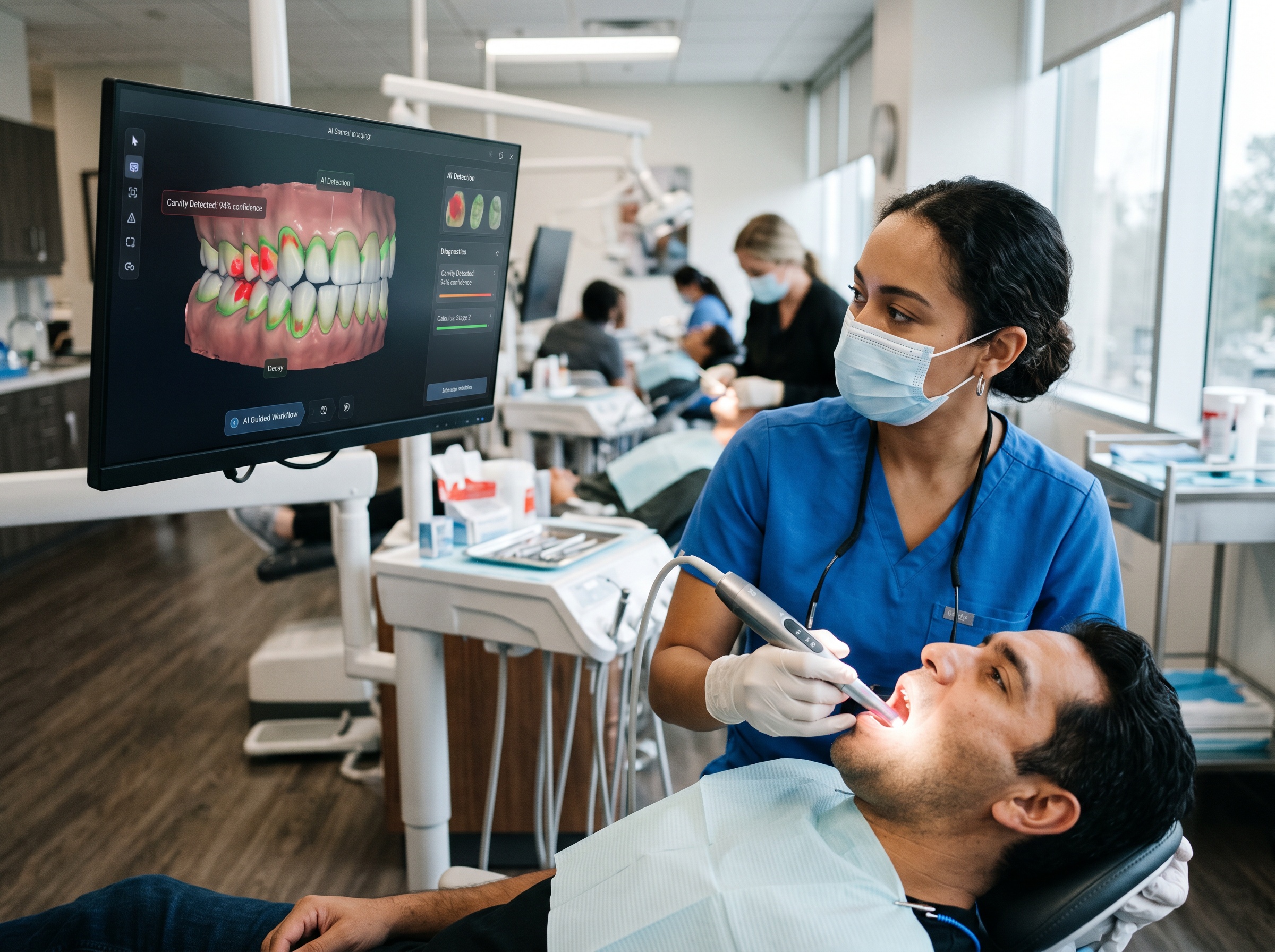
The State of Intraoral Cameras in 2026
Today’s intraoral cameras bear little resemblance to their predecessors. Modern devices capture images at resolutions of 4K and beyond, with autofocus systems that produce consistently sharp images even in the challenging confines of the oral cavity. LED illumination provides natural-looking color reproduction, while ergonomic designs reduce hand fatigue during extended use.
But the real revolution isn’t in the hardware — it’s in the software and AI capabilities that are being built into these devices.
AI-Powered Caries Detection
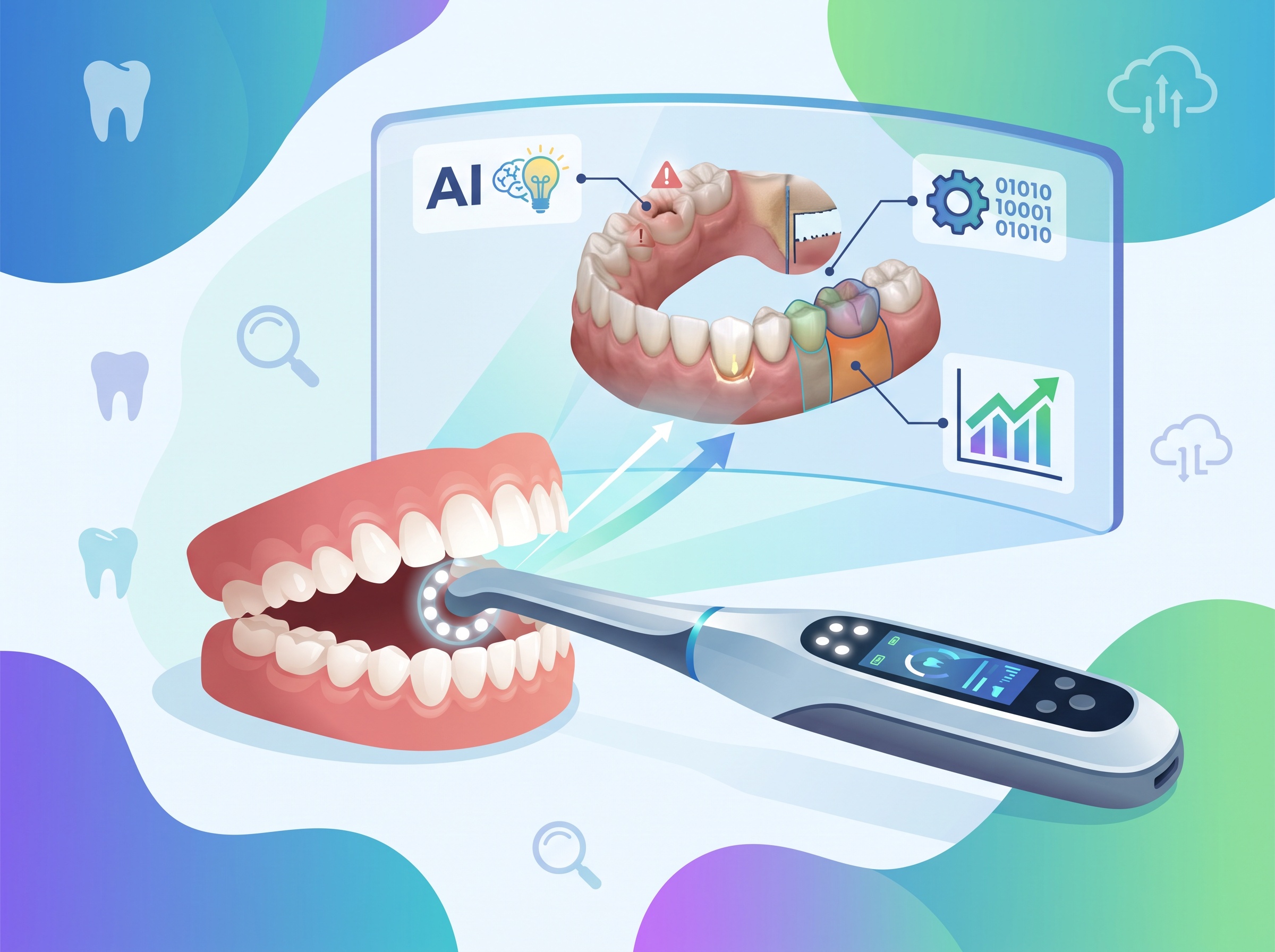
The most transformative development in intraoral camera technology is the integration of artificial intelligence for real-time diagnostic assistance. Several manufacturers now offer cameras with built-in AI that can:
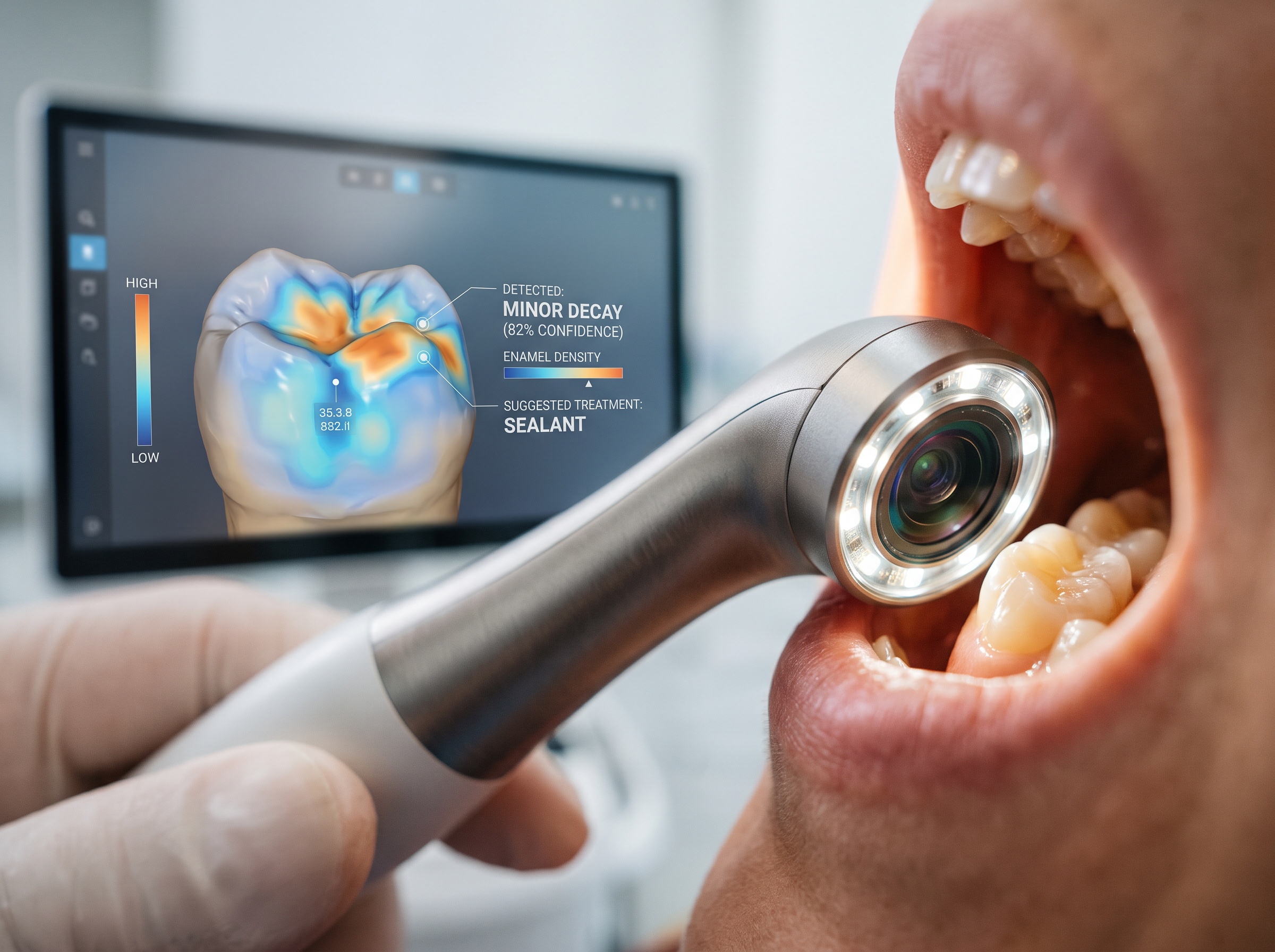
- Detect early caries: AI algorithms analyze captured images and highlight areas of potential decay that might not be visible to the naked eye, including interproximal and sub-surface lesions
- Identify cracks and fractures: Pattern recognition technology can detect hairline cracks in enamel that would otherwise require magnification or transillumination to identify
- Assess periodontal health: Some systems can evaluate gingival inflammation, measure recession, and track changes over time through image comparison
- Generate diagnostic confidence scores: AI provides probability scores for detected conditions, helping dentists prioritize treatment and reduce the risk of missed diagnoses
These AI features don’t replace clinical judgment — they augment it. Think of them as a second set of eyes that never gets fatigued and can reference thousands of diagnostic images in milliseconds.
3D Intraoral Imaging
While traditional intraoral cameras capture 2D images, a new generation of devices is bridging the gap between cameras and intraoral scanners by offering 3D surface capture capabilities. These hybrid devices can:
- Create three-dimensional surface maps of teeth and soft tissue
- Measure cavity preparations and margins digitally
- Generate data compatible with CAD/CAM workflows for same-day restorations
- Track tooth wear and erosion patterns through 3D surface comparisons over time
This convergence of intraoral cameras and scanners means that a single device can serve dual purposes — clinical documentation and digital impression capture — reducing equipment costs and streamlining the clinical workflow.
New ADA Imaging Guidelines
In January 2026, the American Dental Association released updated recommendations for dental imaging, confirming that imaging is “most effectively used in moderation.” The guidelines emphasize using intraoral 2D radiographs as the primary imaging modality for initial evaluations, with CBCT reserved for cases where 2D imaging is insufficient.
This guidance actually strengthens the case for advanced intraoral cameras with AI diagnostic capabilities. If AI-assisted visual examination can identify conditions that previously required radiographic confirmation, practices can reduce unnecessary radiation exposure while maintaining — or even improving — diagnostic accuracy.
Integration with Practice Management Systems
Modern intraoral cameras are designed for seamless integration with practice management software and electronic health records. Key integration features include:
- Automatic image filing: Captured images are automatically associated with the correct patient record and tooth number
- Cloud storage: Images are backed up to HIPAA-compliant cloud storage, eliminating the risk of data loss and enabling remote access for consultations
- Teledentistry compatibility: High-quality intraoral images can be shared with specialists for virtual consultations, reducing referral delays
- AI annotation: Diagnostic findings are automatically annotated on images, creating detailed visual records for treatment planning and patient communication
Patient Education and Case Acceptance
Perhaps the most immediate practical benefit of intraoral cameras remains patient education. When patients can see what the dentist sees — magnified 40x or more on a chairside monitor — they understand the need for treatment in a way that verbal explanations alone can’t achieve.
Studies consistently show that practices using intraoral cameras experience higher case acceptance rates. In 2026, with AI-highlighted findings overlaid on the images, the educational impact is even more powerful. Patients can see not just the problem area, but an AI-generated visualization of how the condition may progress without treatment.
Leading Intraoral Camera Systems in 2026
Several systems stand out in the current market:
- DEXIS CariVu/IXS: Combines transillumination technology with standard imaging for enhanced caries detection without radiation
- Carestream CS 3800: A hybrid intraoral camera and scanner that captures both high-resolution images and 3D surface data
- Acteon SOPRO: Known for exceptional image quality with autofluorescence and chromatic imaging modes for enhanced tissue visualization
- Overjet AI Camera: Integrates FDA-cleared AI analysis directly into the imaging workflow for real-time diagnostic assistance
What to Look for When Upgrading
If you’re considering a new intraoral camera for your practice, prioritize these features:
- Resolution: Look for at least Full HD (1080p); 4K is increasingly standard
- AI capabilities: Caries detection and diagnostic assistance features are rapidly becoming essential
- Integration: Ensure compatibility with your existing practice management software
- Ergonomics: Test the weight, grip, and button placement — you’ll be holding this device dozens of times per day
- Infection control: Autoclavable tips or affordable disposable sheaths simplify compliance
- Image capture speed: Autofocus and one-button capture reduce chair time
The Future Is Visual
Intraoral cameras in 2026 are no longer just documentation tools — they’re becoming intelligent diagnostic assistants that enhance clinical decision-making, improve patient communication, and integrate seamlessly into digital workflows. As AI capabilities continue to advance and 3D imaging becomes more accessible, the intraoral camera will only become more central to modern dental practice.
If your practice is still using a camera from five or more years ago — or worse, not using one at all — 2026 is the year to invest in this technology. The improvements in diagnostic capability, patient engagement, and workflow efficiency make it one of the highest-ROI investments a dental practice can make.
Sorry, the comment form is closed at this time.