


February 17, 2026 Digital Radiography Workflow Optimization in Modern Dental Practice
The transition from traditional film-based radiography to digital systems has revolutionized dental imaging, offering immediate results, reduced radiation exposure, and streamlined workflows. However, simply adopting digital technology isn’t enough – optimizing these workflows is essential for maximizing efficiency, improving patient care, and ensuring long-term practice success.
Understanding Digital Radiography Systems
Modern digital radiography encompasses two primary technologies: direct digital sensors and photostimulable phosphor (PSP) plates. Each system offers unique advantages and considerations for workflow integration.
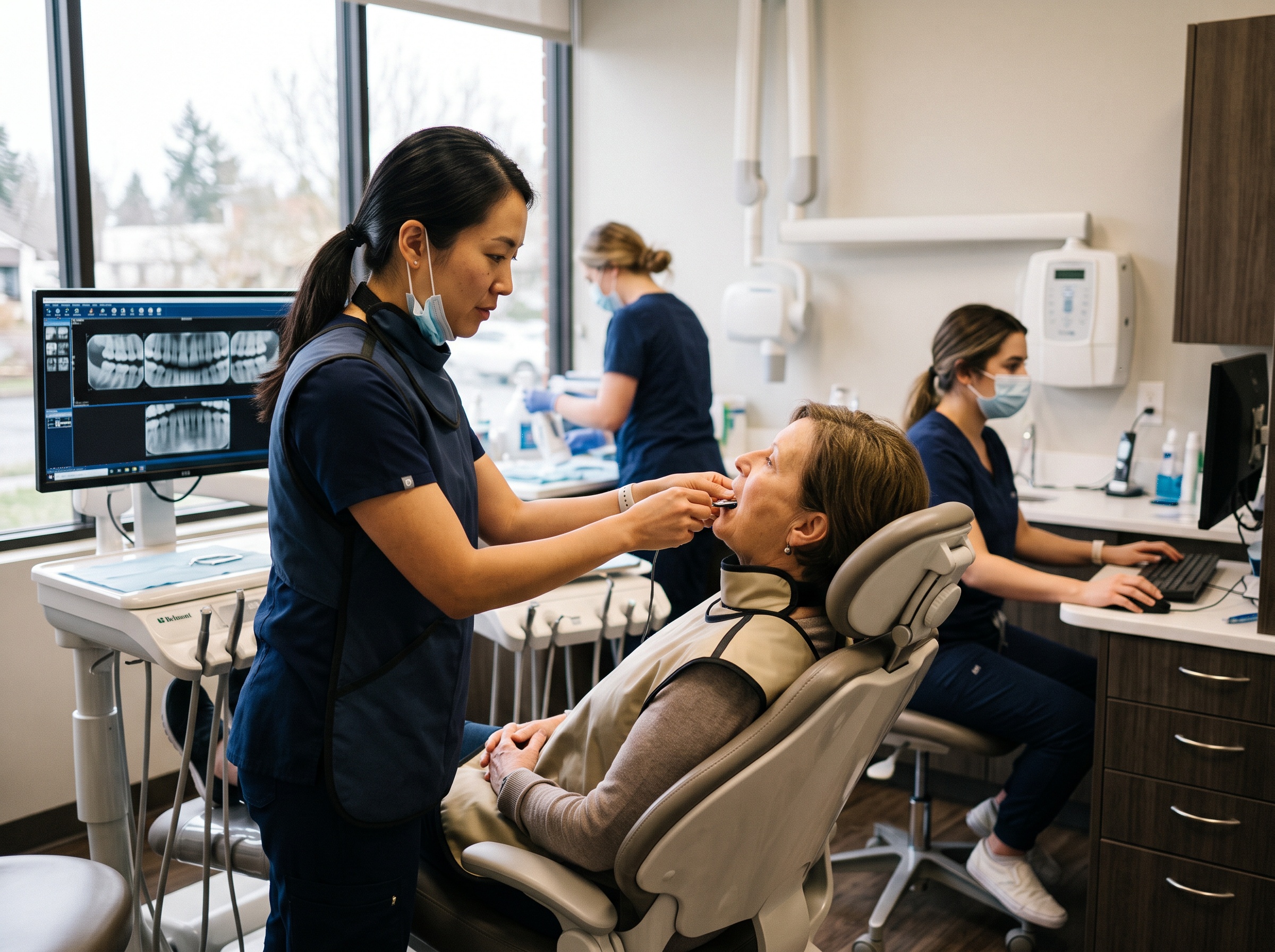
Direct Digital Sensors
Direct sensors provide instantaneous image capture and display, eliminating processing time entirely. These systems connect directly to practice management software, allowing immediate integration with patient records. The wired and wireless sensor options each present different workflow considerations, with wireless sensors offering greater positioning flexibility but requiring careful battery management protocols.
Photostimulable Phosphor Systems
PSP plates bridge the gap between traditional film and full digital workflow. While requiring scanning steps, they offer familiar form factors and can be more cost-effective for practices transitioning gradually to digital systems. Modern PSP scanners process images in under 10 seconds, making them viable for high-volume practices.
Workflow Design Principles
Zone-Based Organization
Effective digital radiography workflows organize clinical spaces into distinct zones:
- Preparation zone: Sensor setup, barrier placement, patient positioning
- Capture zone: Image acquisition with optimal ergonomics
- Processing zone: Image review, enhancement, and storage
- Documentation zone: Integration with treatment records and patient education
This zoning approach minimizes movement, reduces contamination risks, and creates predictable routines that improve efficiency and consistency.
Staff Training and Standardization
Competency Development
Digital radiography success depends heavily on staff competency. Training programs should cover:
- Proper sensor handling and positioning techniques
- Image quality assessment and retake protocols
- Software navigation and image processing
- Infection control procedures specific to digital equipment
- Troubleshooting common technical issues
Regular competency assessments ensure skills remain sharp and new techniques are properly integrated into practice workflows.
Standardized Protocols
Developing written protocols for each radiographic procedure creates consistency across all staff members. These should include specific steps for patient setup, sensor positioning, exposure settings, and quality control measures. Standardization reduces variability, improves image quality, and accelerates the training process for new team members.
Quality Assurance Programs
Image Quality Monitoring
Digital systems provide immediate feedback on image quality, but systematic monitoring prevents quality drift over time. Implementing regular reviews of image sharpness, contrast, and positioning helps maintain diagnostic standards and identifies training needs before they become problematic.
Equipment Maintenance Schedules
Digital sensors and processing equipment require regular maintenance to function optimally. Preventive maintenance schedules should include:
- Daily: Sensor cleaning and visual inspection
- Weekly: Software updates and backup verification
- Monthly: Calibration checks and performance testing
- Quarterly: Professional service and deeper system analysis
Proactive maintenance reduces unexpected downtime and extends equipment lifespan, protecting the practice’s technology investment.
Integration with Practice Management Systems
Seamless Data Flow
Modern digital radiography systems integrate directly with practice management software, creating automated workflows that reduce manual data entry and minimize errors. Images automatically associate with patient records, and metadata including exposure settings and acquisition dates populate without staff intervention.
Cloud-Based Storage Solutions
Cloud storage eliminates local server maintenance while providing secure, accessible image archives. These systems typically offer automatic backup, disaster recovery, and compliance with healthcare data protection regulations. The ability to access images from any location supports remote consultation and improves patient care continuity.
Ergonomic Considerations
Equipment Positioning
Digital radiography equipment should be positioned to minimize staff movement and reduce physical strain. Monitor placement at appropriate heights prevents neck strain, while sensor cord management reduces trip hazards and equipment damage. Adjustable workstations accommodate different staff members and various patient positions.
Patient Positioning Aids
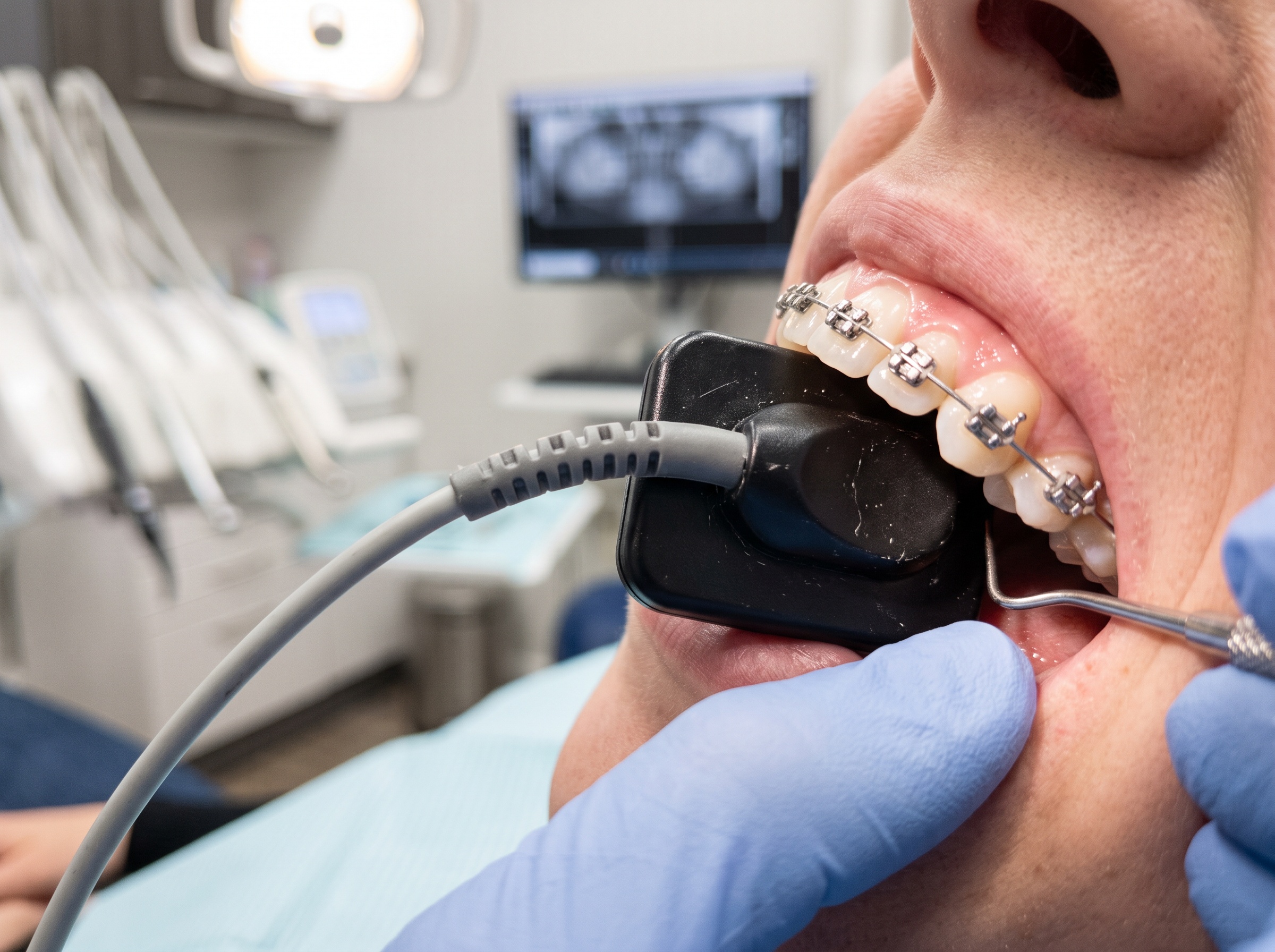
Proper patient positioning is crucial for diagnostic image quality. Digital workflows should incorporate positioning aids such as bite blocks, head restraints, and sensor holders. These tools improve image consistency while reducing patient discomfort and the need for retakes.
Cost-Effectiveness Analysis
Return on Investment
Digital radiography systems require significant initial investment but provide long-term financial benefits. Cost savings include:
- Eliminated film and processing chemical costs
- Reduced retake rates due to immediate image review
- Decreased storage space requirements
- Improved diagnostic efficiency leading to better treatment acceptance
- Enhanced patient communication through immediate image sharing
Most practices see full return on investment within 18-24 months of implementation when workflows are properly optimized.
Productivity Improvements
Well-designed digital workflows significantly improve practice productivity. Immediate image availability eliminates waiting periods, allowing same-visit diagnosis and treatment planning. This efficiency increases patient satisfaction and enables practices to serve more patients without compromising care quality.
Patient Communication Enhancement
Digital radiography transforms patient education opportunities. Immediate image availability allows real-time discussion of findings, improving patient understanding and treatment acceptance. Modern software includes annotation tools that help highlight specific areas of concern, making complex dental conditions more comprehensible to patients.
Mobile Integration
Many digital radiography systems now offer mobile device integration, allowing patients to receive copies of their images directly on their smartphones. This capability improves patient engagement and facilitates consultations with specialists or family members.
Compliance and Documentation
Regulatory Requirements
Digital radiography workflows must address various regulatory requirements including HIPAA compliance, radiation safety protocols, and state dental practice regulations. Automated audit trails in digital systems simplify compliance documentation while reducing administrative burden on staff.
Quality Improvement Tracking
Digital systems facilitate quality improvement initiatives through detailed usage analytics. Practices can track metrics such as retake rates, examination times, and image quality scores to identify improvement opportunities and measure workflow optimization success.
Future Workflow Considerations
Artificial Intelligence Integration
AI-powered image analysis is increasingly available for digital radiography systems. These tools can automatically detect potential pathology, measure anatomical structures, and suggest optimal treatment approaches. Incorporating AI into workflows requires careful validation and staff training but promises to further improve diagnostic accuracy and efficiency.
Interoperability Standards
As dental technology continues evolving, ensuring system interoperability becomes increasingly important. Practices should prioritize systems that support standard file formats and communication protocols, facilitating future upgrades and integration with new technologies.
Conclusion
Digital radiography workflow optimization is an ongoing process that requires attention to technology, training, and continuous improvement. Practices that invest time in developing efficient workflows, training staff thoroughly, and maintaining quality standards will realize the full benefits of digital technology while providing superior patient care.
Success depends not just on having digital equipment, but on thoughtfully designing processes that leverage technology’s capabilities while addressing the human factors that ultimately determine workflow effectiveness. The practices that excel in this area will find themselves well-positioned for the future of digital dentistry, where speed, accuracy, and patient satisfaction are increasingly paramount to success.
Sorry, the comment form is closed at this time.