


March 15, 2026 CBCT and Intraoral Scanner Integration: Revolutionizing Digital Dental Workflows in 2026
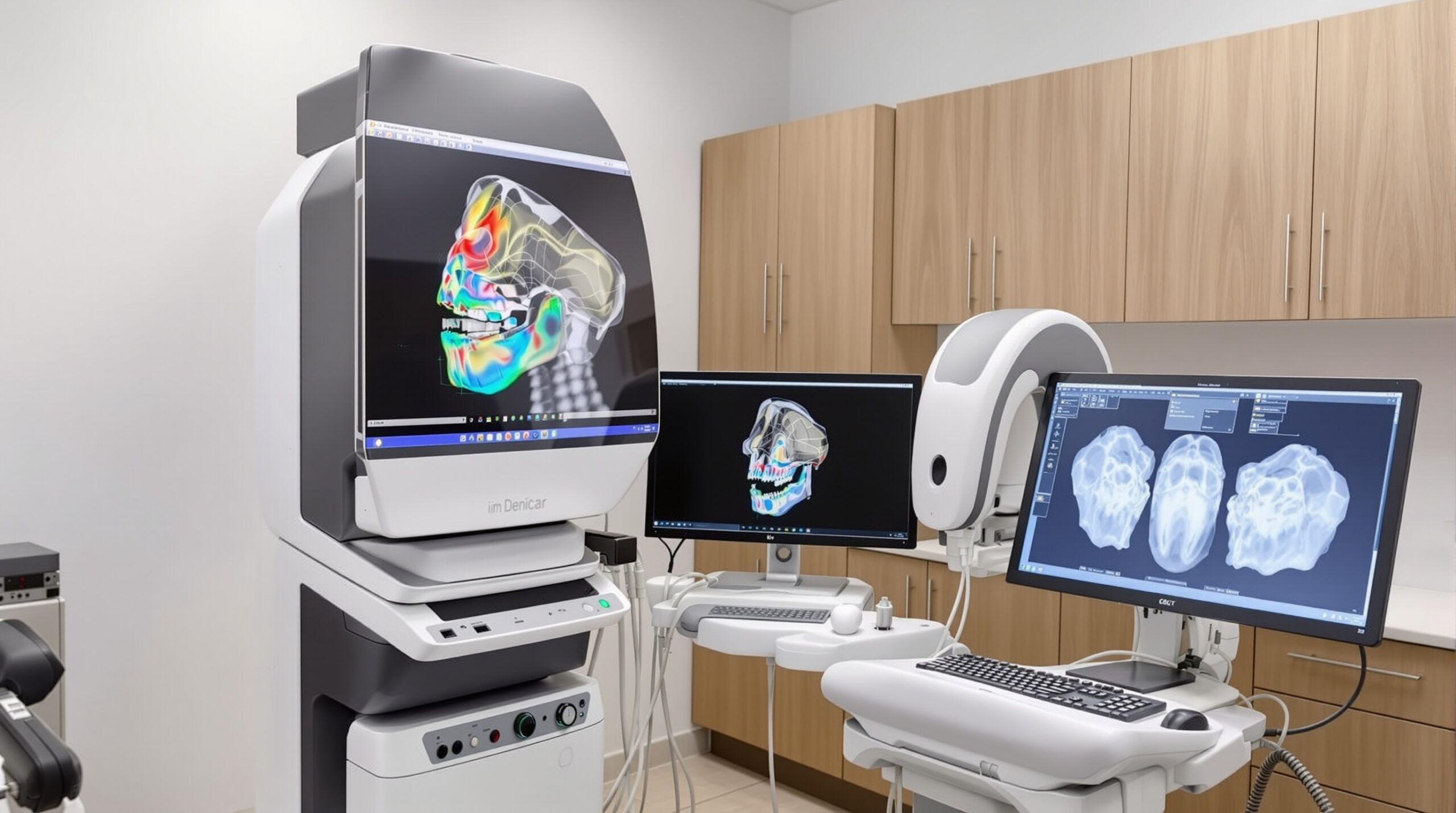
The integration of Cone Beam Computed Tomography (CBCT) systems with intraoral scanners represents one of the most significant advances in dental imaging technology. As we progress through 2026, this powerful combination is transforming clinical workflows, enhancing diagnostic capabilities, and improving patient outcomes across all dental specialties.
The Power of Digital Integration
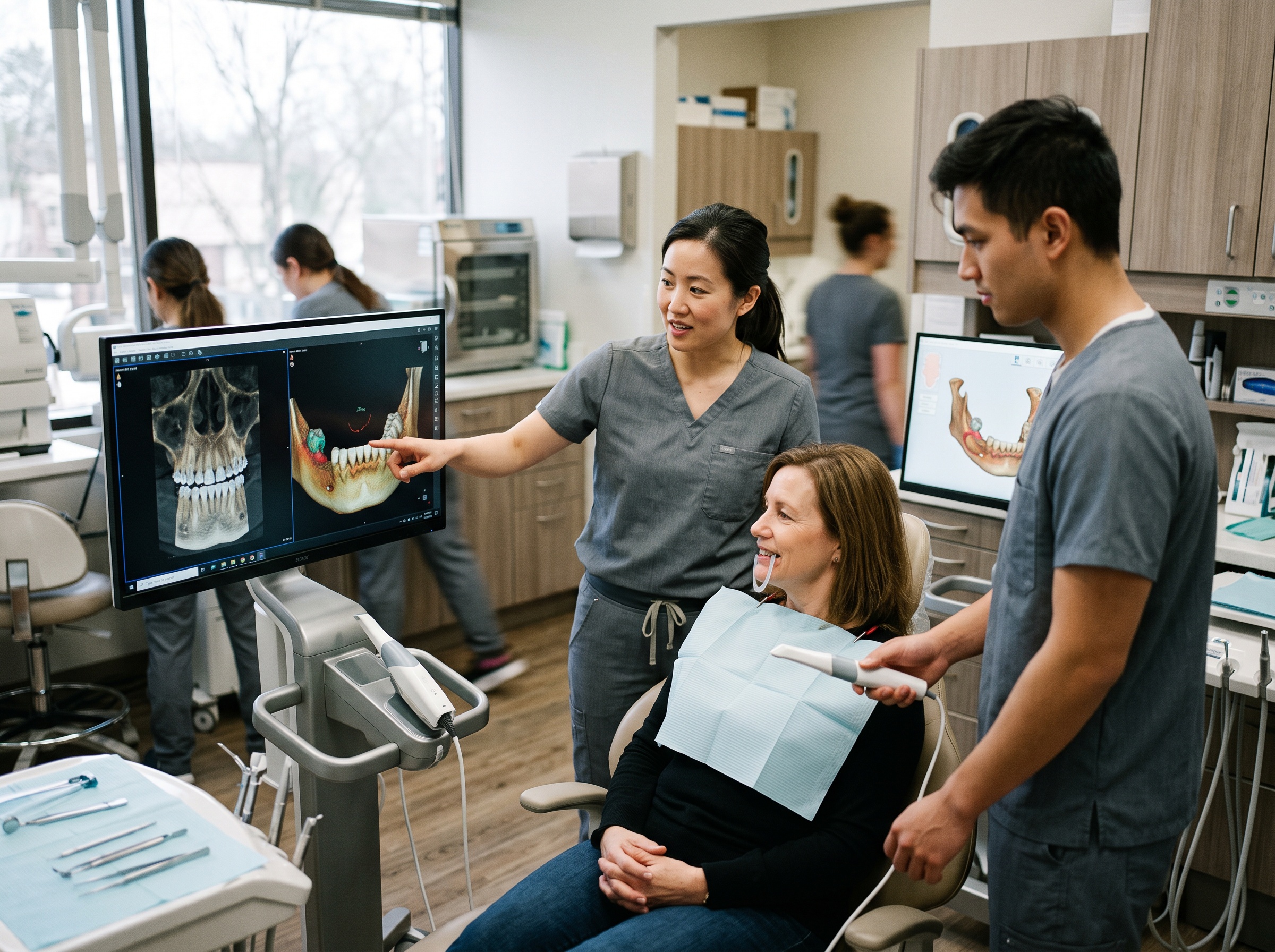
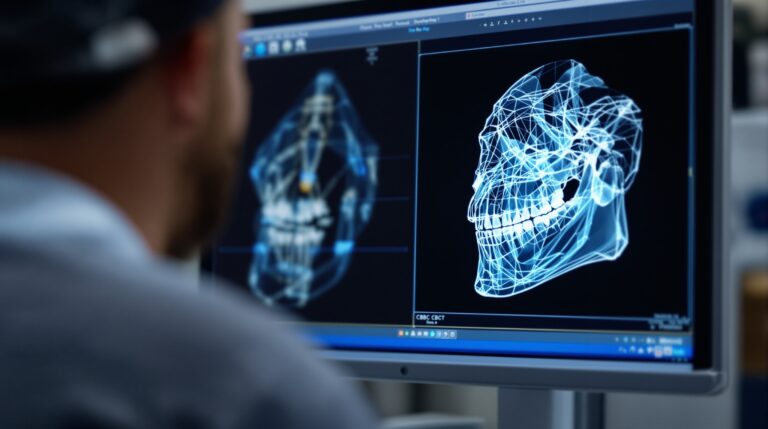
Modern dental practices are witnessing unprecedented workflow efficiency through the seamless integration of CBCT imaging and intraoral optical scanning (IOS) technologies. This digital convergence allows practitioners to combine three-dimensional volumetric data with high-resolution surface scans, creating comprehensive digital twin models that revolutionize treatment planning and execution.
Enhanced Clinical Applications
The merged data from CBCT and intraoral scanners enables sophisticated clinical applications that were previously impossible. Digital smile design becomes more predictable when face scans are combined with IOS data, while static and dynamic navigation methods benefit from the fusion of CBCT volumetric information with precise surface mapping.
Guided Procedures
Contemporary guided endodontics exemplifies this technological synergy. Practitioners can now create digital twin models directly on intraoral scanner platforms, enabling:
- Precision orthodontic mini-implant placement
- Accurate endodontic access cavity preparation
- Optimized dental implant insertion
- Enhanced tooth autotransplantation procedures
Technological Advancements in 2026
Leading CBCT systems from manufacturers like Planmeca ProMax, Carestream CS 9600, and Vatech PaX-i³D have evolved beyond simple imaging devices to become comprehensive workflow orchestrators. These systems now feature:

- Enhanced resolution capabilities
- Improved ease of use interfaces
- Seamless digital integration protocols
- Advanced AI-assisted analysis tools
Artificial Intelligence Integration
The integration of artificial intelligence into dental imaging workflows represents a paradigm shift in diagnostic capability. AI algorithms now assist in automated detection of pathologies, precise measurement calculations, and treatment planning optimization, significantly reducing diagnostic time while improving accuracy.
Clinical Benefits and Outcomes
The combination of CBCT and intraoral scanning technologies delivers tangible clinical advantages:
Improved Accuracy
Digital workflows eliminate traditional impression errors and provide sub-millimeter precision in treatment planning. The fusion of volumetric and surface data creates unprecedented diagnostic detail.
Enhanced Patient Experience
Digital impressions eliminate the discomfort associated with traditional impression materials, while reduced appointment times and improved treatment predictability enhance overall patient satisfaction.
Streamlined Workflows
Integrated systems reduce chair time, minimize retakes, and enable immediate visualization of treatment outcomes, creating more efficient clinical processes.
Future Directions
As dental imaging technology continues to evolve, we anticipate further advances in real-time processing capabilities, enhanced AI diagnostic support, and even more seamless integration between imaging modalities. The convergence of CBCT and intraoral scanning represents just the beginning of a comprehensive digital transformation in dental practice.
The integration of these technologies positions dental practices at the forefront of precision dentistry, enabling clinicians to deliver superior patient care through enhanced diagnostic capabilities and streamlined digital workflows.
Sorry, the comment form is closed at this time.