


March 20, 2026 Advanced Integration of Intraoral Scanners and CBCT for Enhanced Dental Diagnostics in 2026
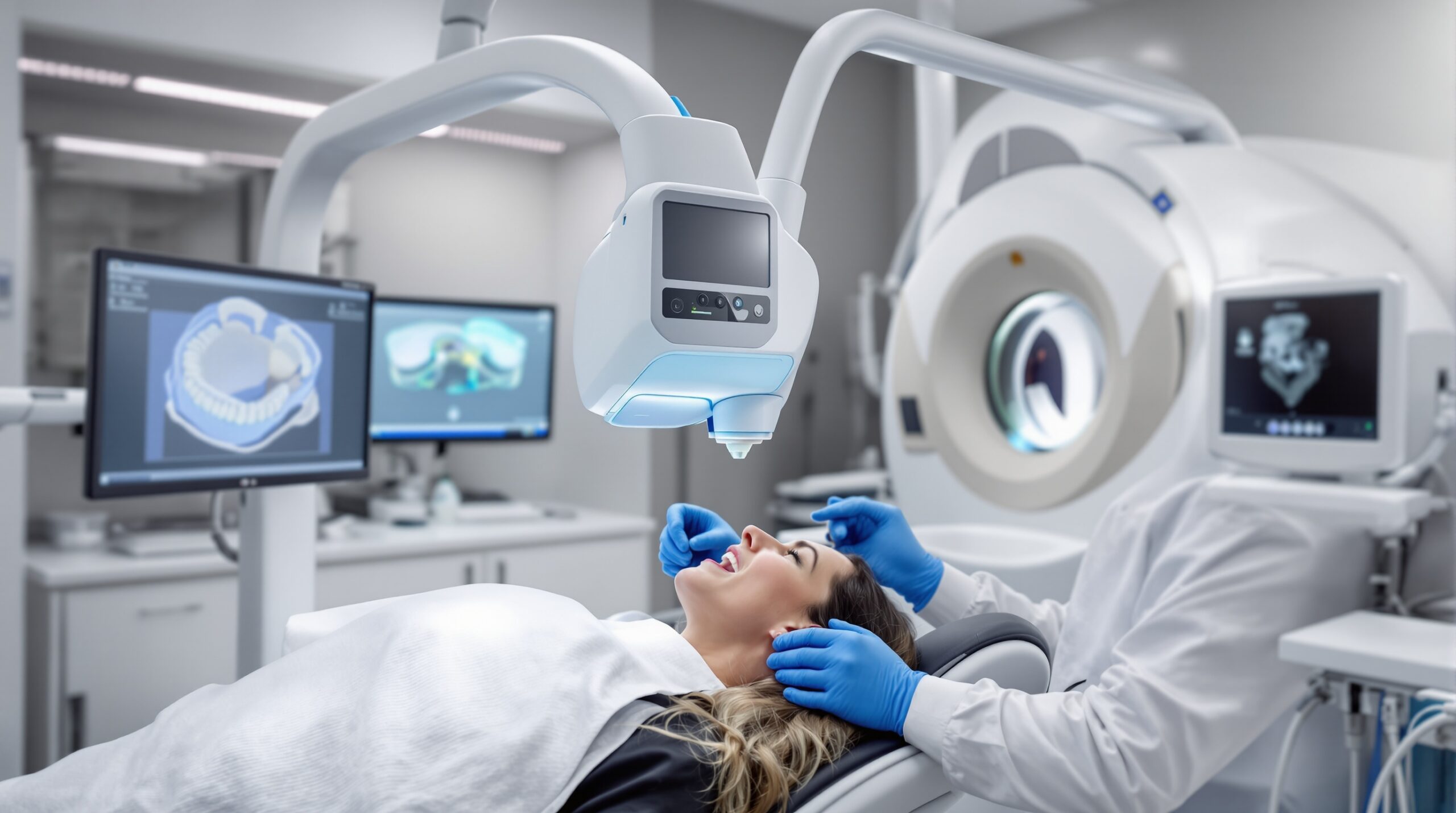
The dental imaging landscape continues to evolve rapidly in 2026, with the integration of intraoral scanners (IOS) and Cone Beam Computed Tomography (CBCT) systems delivering unprecedented diagnostic precision and treatment planning capabilities. This technological convergence is revolutionizing how dental professionals approach complex cases across implantology, endodontics, and prosthodontics.
The Power of Combined Digital Technologies
Contemporary dental practices are increasingly adopting integrated digital workflows that combine the surface topology data from intraoral scanners with the volumetric anatomical information provided by CBCT systems. This merger creates a comprehensive three-dimensional understanding of patient anatomy that was previously unattainable with traditional imaging methods.
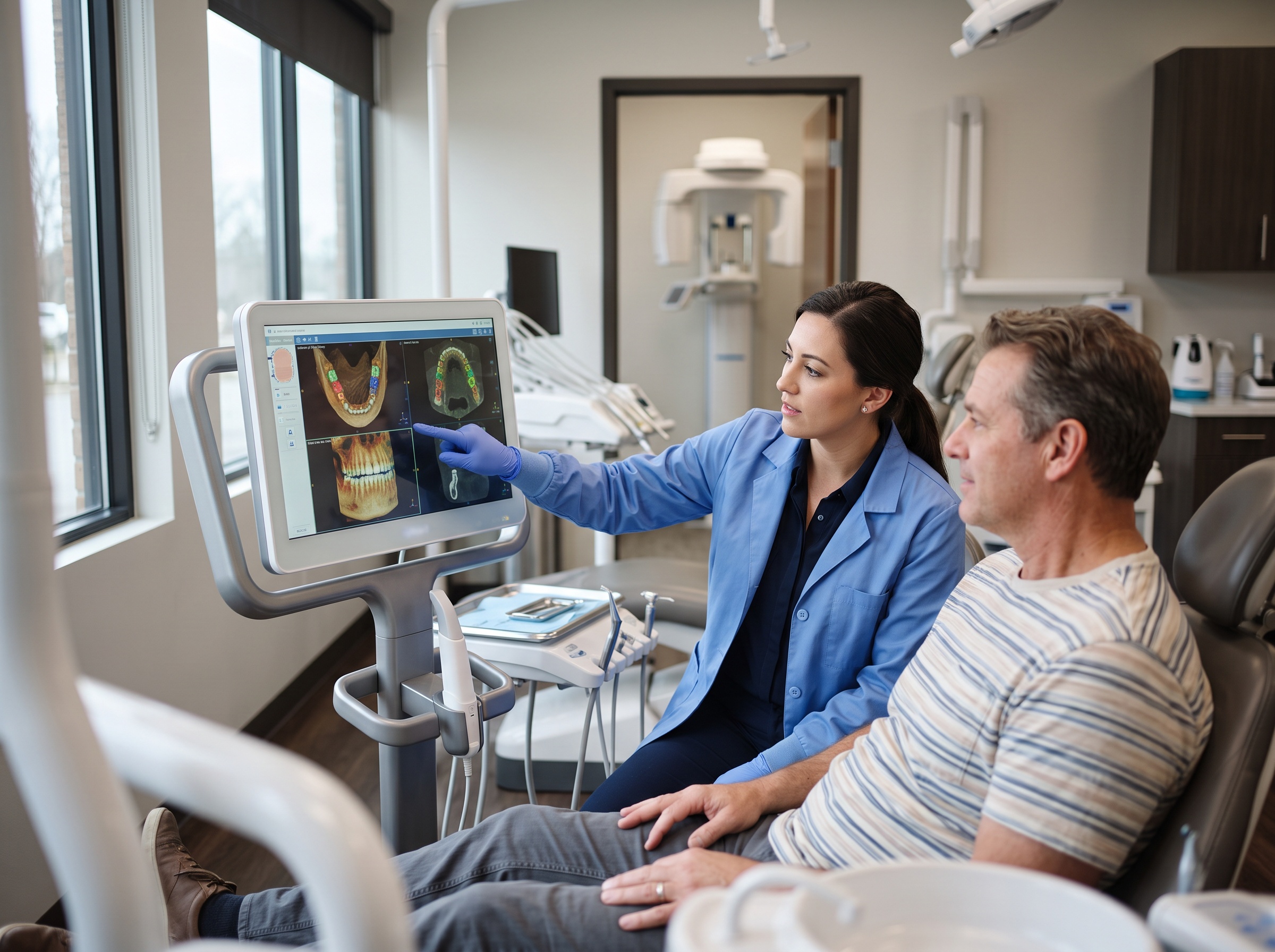
Modern CBCT systems, including advanced models like the Planmeca ProMax®, Carestream CS 9600, and Vatech PaX-i³D, have evolved far beyond simple imaging devices. These systems now serve as central hubs for comprehensive treatment planning, offering enhanced resolution, reduced radiation exposure, and seamless integration with digital design software.
Clinical Applications and Workflow Integration
The integration of IOS and CBCT data supports both static and dynamic navigation methods across multiple dental disciplines. Key applications include:
- Orthodontic mini-implant placement with precise positioning guidance
- Endodontic access cavity preparation using digital twin models
- Dental implant insertion with enhanced surgical planning
- Tooth autotransplantation procedures with optimal positioning
- Digital smile design combining facial scans with intraoral data
Enhanced Diagnostic Capabilities
The combination of high-resolution intraoral scanning with volumetric CBCT imaging provides clinicians with comprehensive diagnostic information. This dual-technology approach enables detection of pathology, assessment of bone quality and quantity, and precise measurement of anatomical structures critical for successful treatment outcomes.
Future Directions and Market Trends
The dental imaging market continues to expand, driven by innovations in sensor technology, artificial intelligence integration, and improved workflow efficiency. Intraoral imaging systems are experiencing particularly strong growth due to advances in sensor resolution, ease of use, and digital integration capabilities.
Looking ahead, we can expect further developments in:
- AI-powered diagnostic assistance and treatment planning
- Real-time image processing and analysis
- Enhanced patient communication through improved visualization
- Streamlined integration with laboratory workflows
- Advanced materials compatibility and digital manufacturing
Implementation Considerations
Successful integration of IOS and CBCT technologies requires careful consideration of workflow design, staff training, and patient communication. Practices should evaluate their specific needs, case complexity, and volume to determine the optimal configuration of these advanced imaging systems.
The investment in integrated digital imaging pays dividends through improved diagnostic accuracy, enhanced treatment predictability, and increased patient satisfaction. As these technologies continue to mature, they are becoming essential tools for comprehensive dental care delivery in the modern practice environment.
Sorry, the comment form is closed at this time.