


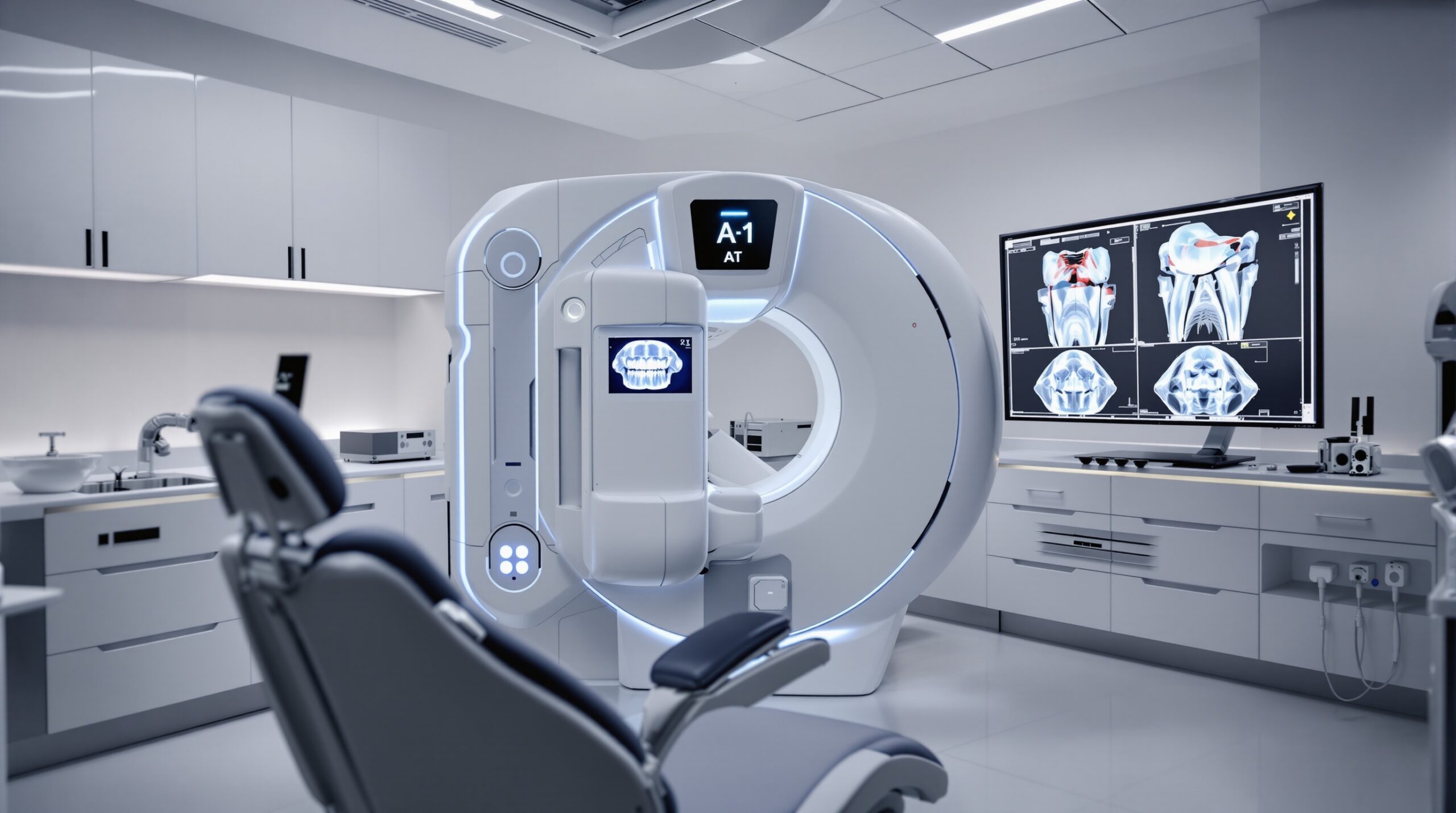
March 21, 2026 AI-Enhanced CBCT Imaging: Transforming Dental Diagnostics and Treatment Planning
The integration of artificial intelligence (AI) with cone beam computed tomography (CBCT) is revolutionizing dental imaging, offering unprecedented accuracy in diagnostics and treatment planning. This technological advancement represents a significant leap forward in dental care, combining the detailed 3D visualization capabilities of CBCT with the analytical power of AI algorithms.
The Evolution of CBCT Technology
Cone beam computed tomography has already transformed dental imaging by providing three-dimensional views of oral structures with significantly lower radiation exposure compared to traditional medical CT scans. CBCT scanners utilize cone-shaped X-ray beams that capture complete anatomical information in a single rotation, making them ideal for dental applications.
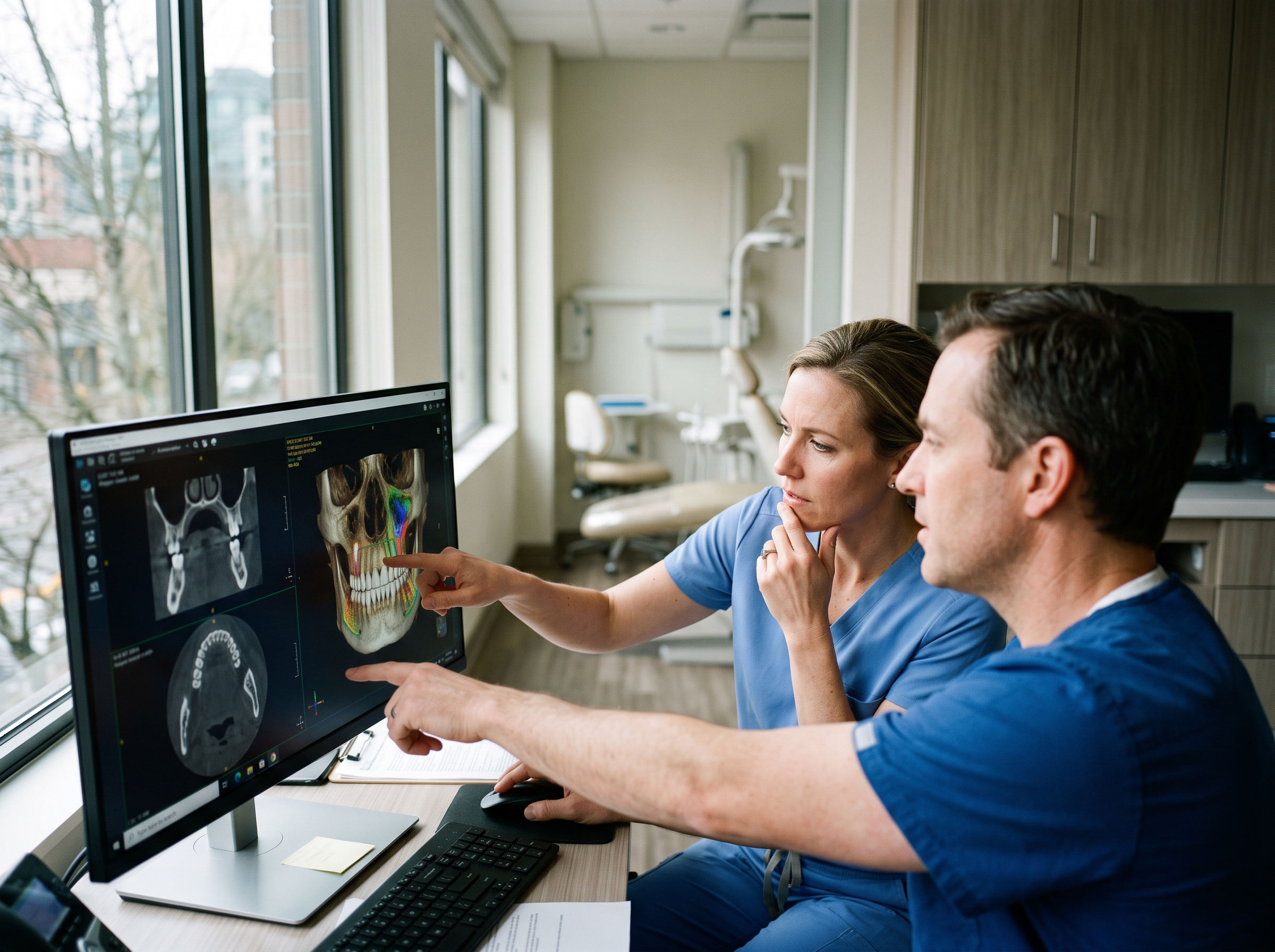
Modern CBCT systems offer several advantages over conventional imaging methods:
- Reduced radiation exposure compared to medical CT scans
- High-resolution 3D imaging capabilities
- Real-time visualization of anatomical structures
- Cost-effective operation with lower electrical energy requirements
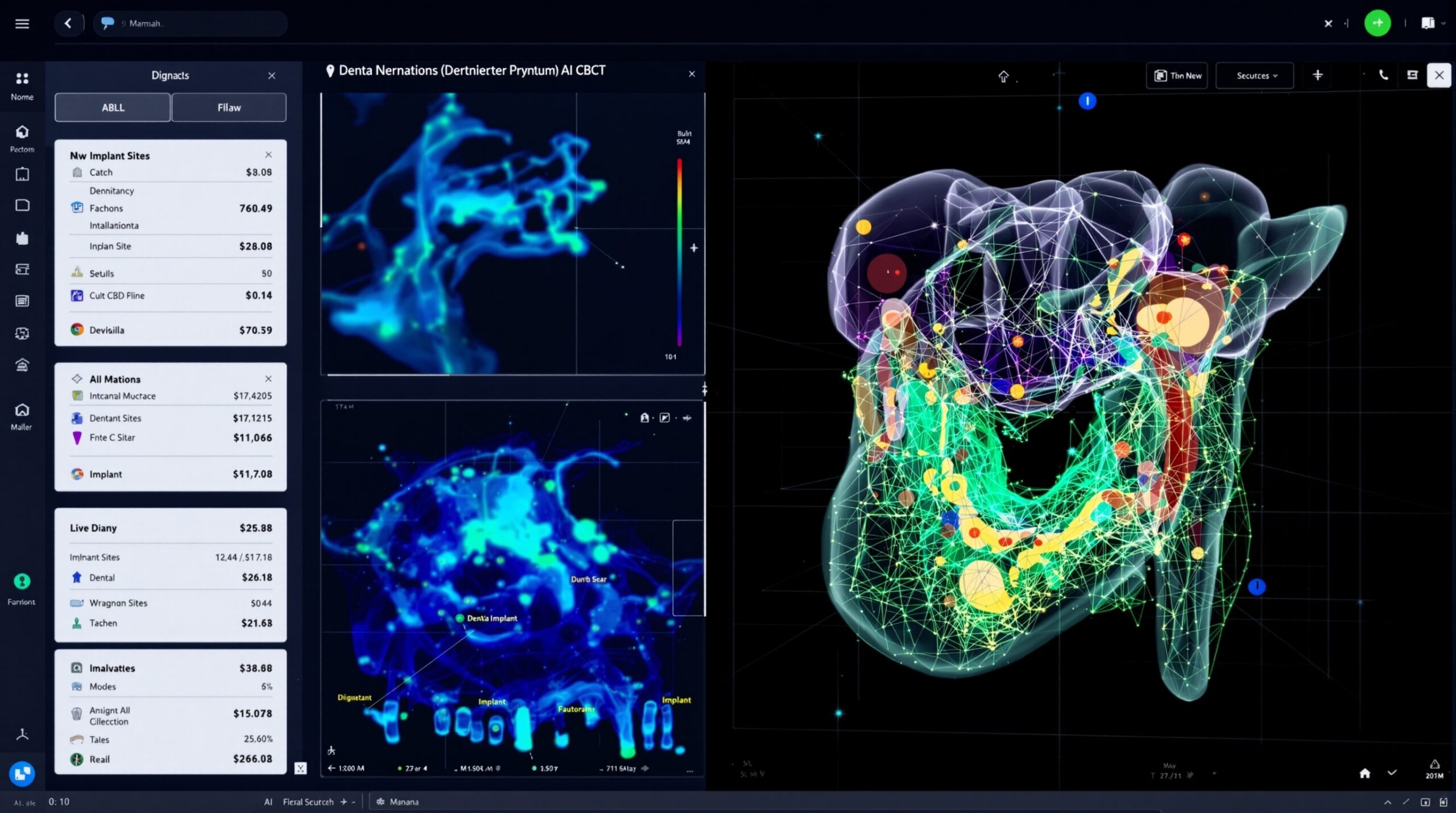
AI Integration: The Next Frontier
The incorporation of artificial intelligence into CBCT imaging systems has opened new possibilities for automated analysis and enhanced diagnostic accuracy. AI algorithms excel at pattern recognition and can identify subtle abnormalities that might be missed by the human eye during initial examination.
Key benefits of AI-enhanced CBCT include:
- Automated Detection: AI can identify dental caries, periodontal disease, and root morphology with exceptional precision
- Anatomical Landmark Recognition: Essential for surgical planning and implant placement
- Pathology Identification: Early detection of abnormalities and disease progression
- Treatment Planning Optimization: AI-assisted analysis for more predictable outcomes
Clinical Applications and Benefits
The American Dental Association’s latest recommendations emphasize the strategic use of dental imaging, highlighting CBCT’s role in specific clinical scenarios. AI enhancement makes these applications even more valuable:
Implant Planning and Placement
AI-enhanced CBCT systems provide superior accuracy in implant site analysis, bone density assessment, and proximity to vital structures. The technology can automatically generate optimal implant positioning recommendations while considering anatomical limitations.
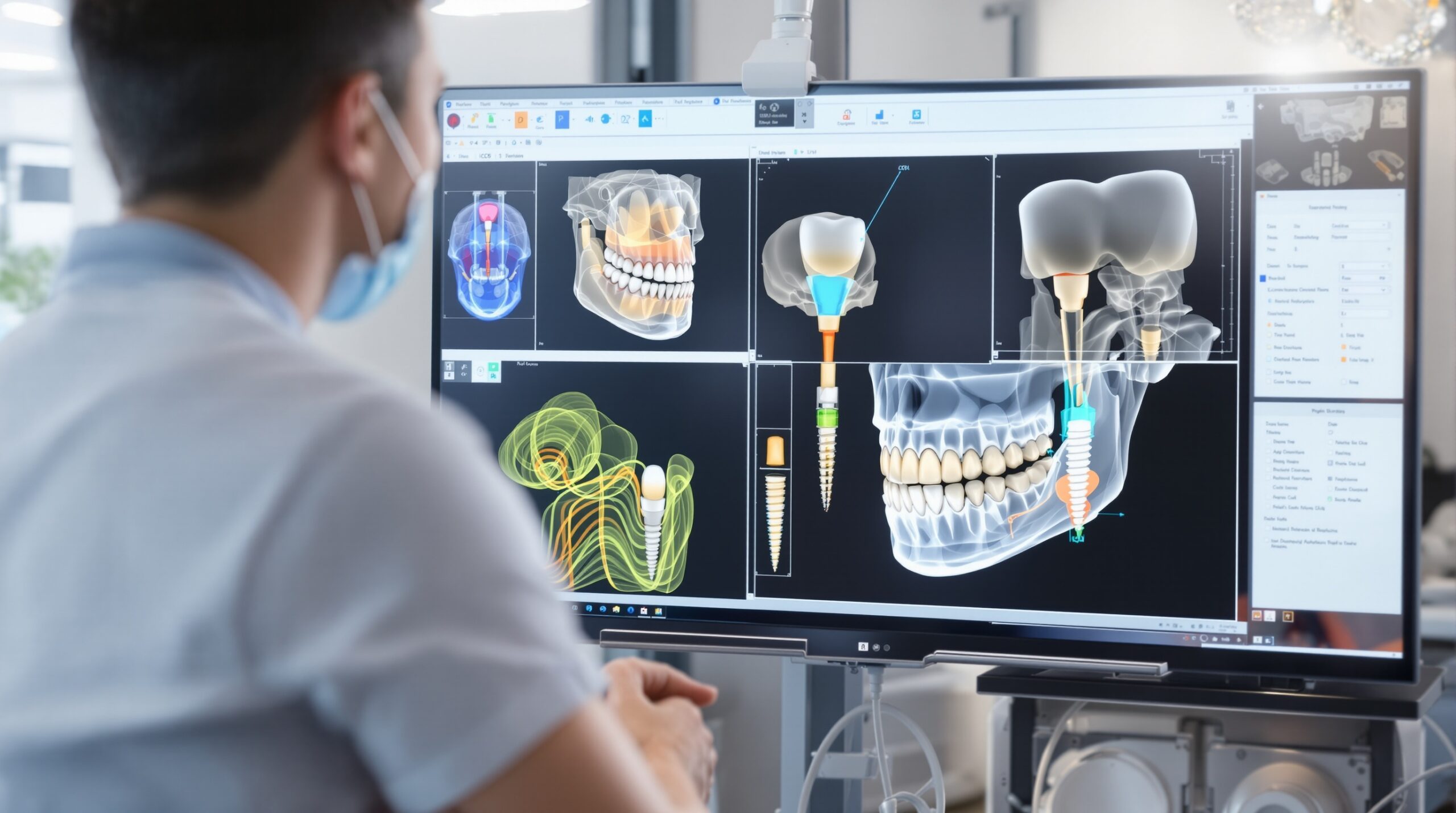
Endodontic Applications
AI algorithms can analyze root canal morphology with unprecedented detail, identifying complex anatomical variations and potential complications before treatment begins. This capability significantly improves treatment success rates and reduces procedural risks.
Orthodontic Treatment Planning
The combination of CBCT imaging and AI analysis enables comprehensive evaluation of tooth positions, root angulations, and skeletal relationships, facilitating more precise orthodontic treatment plans.
Future Developments and Considerations
As AI technology continues to evolve, we can expect even more sophisticated applications in dental imaging. Machine learning algorithms are becoming increasingly adept at:
- Predicting treatment outcomes based on imaging data
- Identifying optimal treatment sequences
- Reducing false positive and negative diagnoses
- Streamlining workflow efficiency in dental practices
However, it’s important to note that AI should complement, not replace, clinical expertise. The technology serves as a powerful diagnostic aid, but final treatment decisions should always involve professional clinical judgment.
Implementation in Modern Dental Practice
Dental practices considering AI-enhanced CBCT systems should evaluate their specific clinical needs and patient demographics. The investment in this technology often pays dividends through:
- Improved diagnostic accuracy and confidence
- Enhanced patient communication through advanced visualization
- Reduced treatment time and improved outcomes
- Competitive advantage in comprehensive dental care
The integration of AI with CBCT imaging represents a paradigm shift in dental diagnostics, offering practitioners unprecedented insights into oral health conditions. As this technology continues to mature, it will undoubtedly become an essential tool in modern dental practice, improving patient outcomes while advancing the standard of care in dentistry.
Sorry, the comment form is closed at this time.