


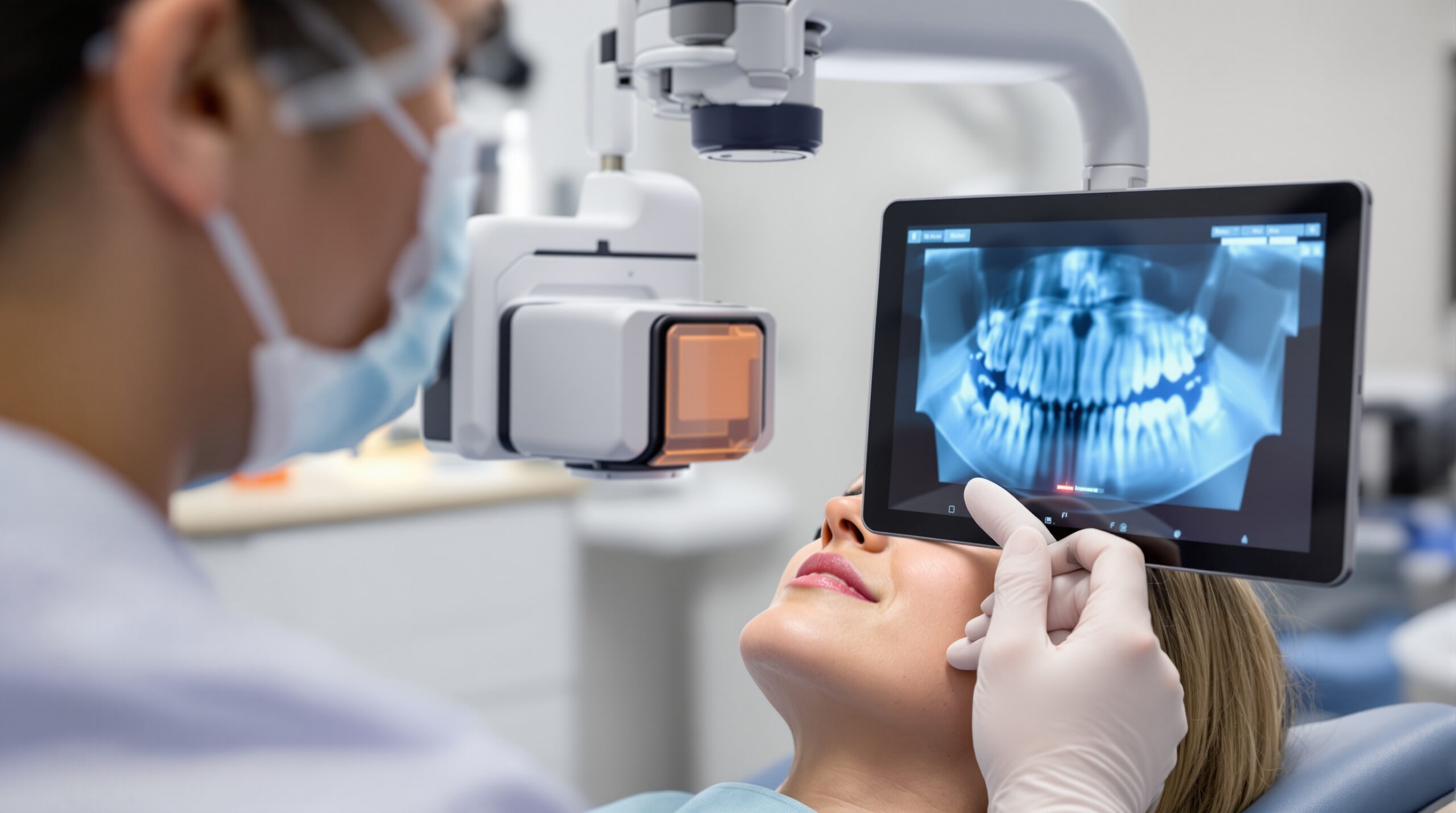
May 2, 2026 Extraoral Periapical Radiography: Advanced Patient-Comfort Solutions for Challenging Dental Imaging Cases
Extraoral periapical radiography represents a revolutionary approach to dental imaging, specifically designed for patients who cannot tolerate traditional intraoral sensor placement. This innovative technique addresses the growing challenges in modern dental practice, where digital sensors’ increased thickness and rigidity often create discomfort for sensitive patients.
Understanding Patient Limitations
Traditional intraoral periapical radiography poses significant challenges for various patient populations. Elderly patients, individuals with neurological difficulties, those with restricted mouth opening, and patients with pronounced gag reflexes often struggle with conventional intraoral sensor positioning. The advent of digital radiography, while offering superior image quality, has paradoxically increased patient discomfort due to the rigid nature of digital sensors compared to traditional film.
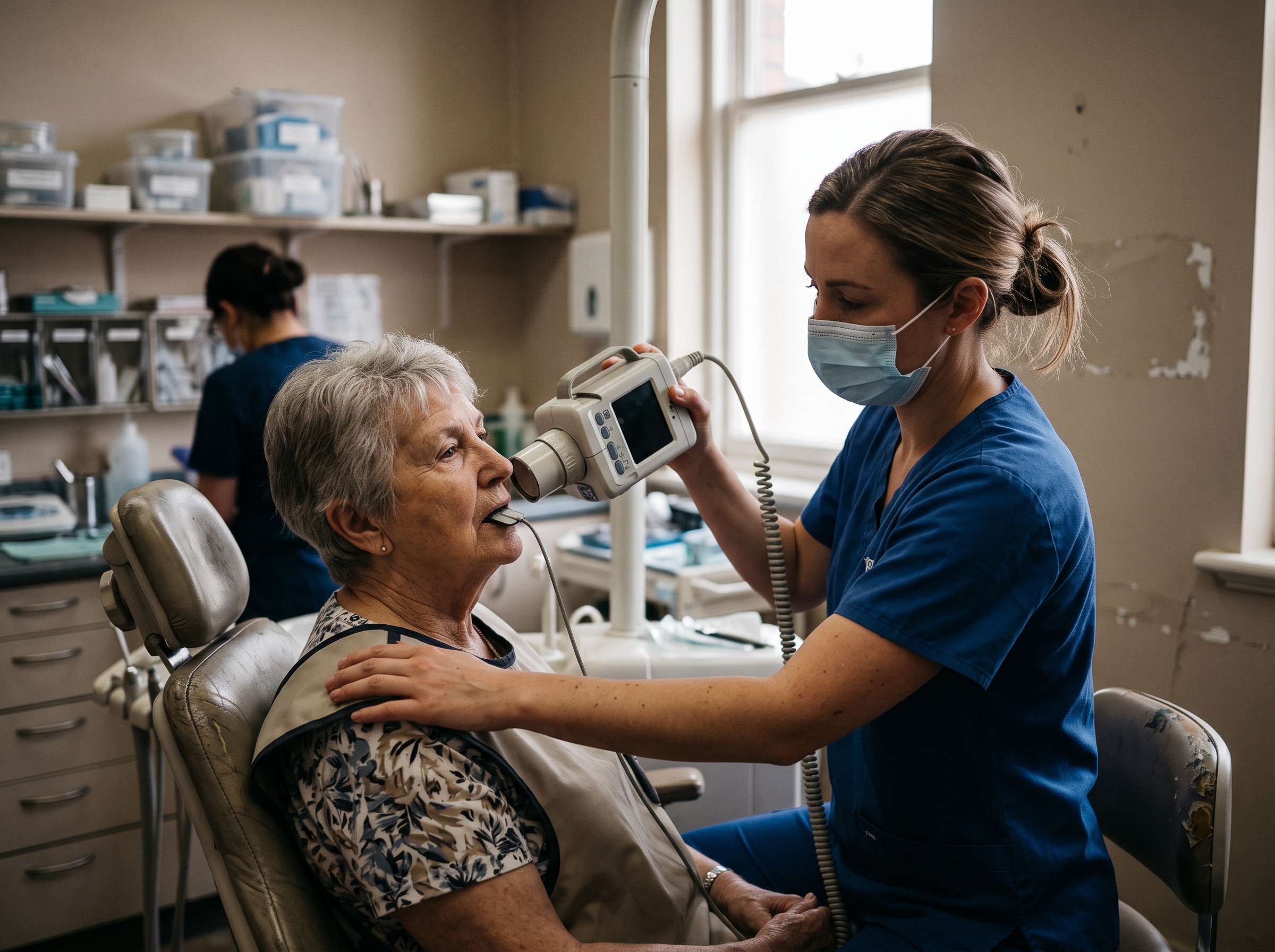
Children, patients with developmental disabilities, and those with anatomical variations such as large tongues or shallow palates frequently require alternative imaging approaches. Extraoral periapical radiography provides a compassionate solution that maintains diagnostic accuracy while prioritizing patient comfort and clinical efficiency.
Technical Methodology and Equipment Setup
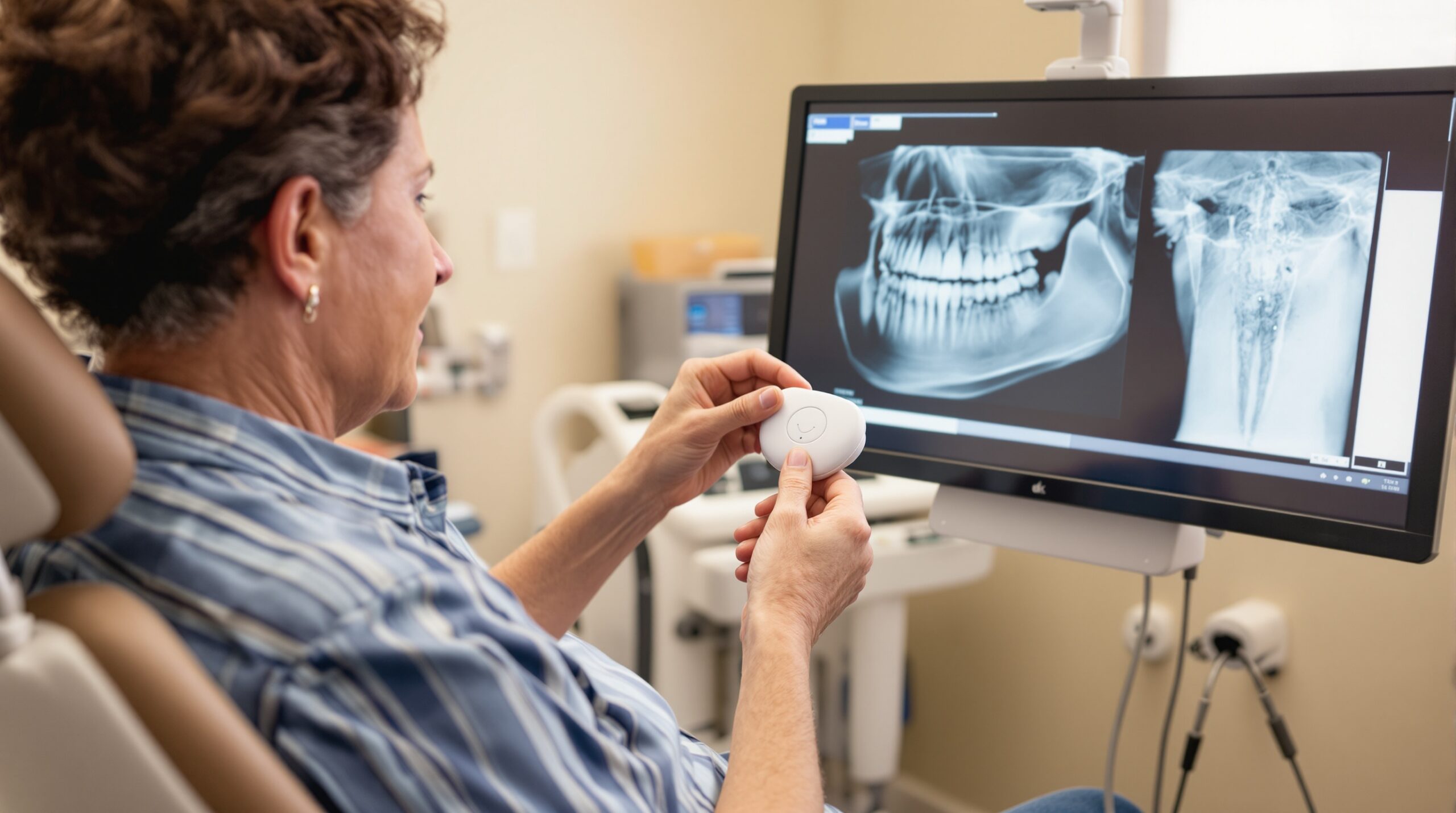
The extraoral periapical technique employs specialized beam-aiming devices positioned outside the oral cavity. The digital sensor is held externally against the patient’s face, aligned with the area of interest through precise geometric calculations. This approach utilizes modified position-indicating devices that maintain the necessary spatial relationships for accurate image reproduction.
Critical positioning requires careful attention to the central ray direction, sensor placement, and patient head position. The technique maintains diagnostic quality comparable to traditional intraoral methods while eliminating the need for intraoral sensor placement. Proper technique execution demands thorough understanding of extraoral geometric principles and anatomy-specific positioning protocols.
Advantages of Extraoral Periapical Radiography
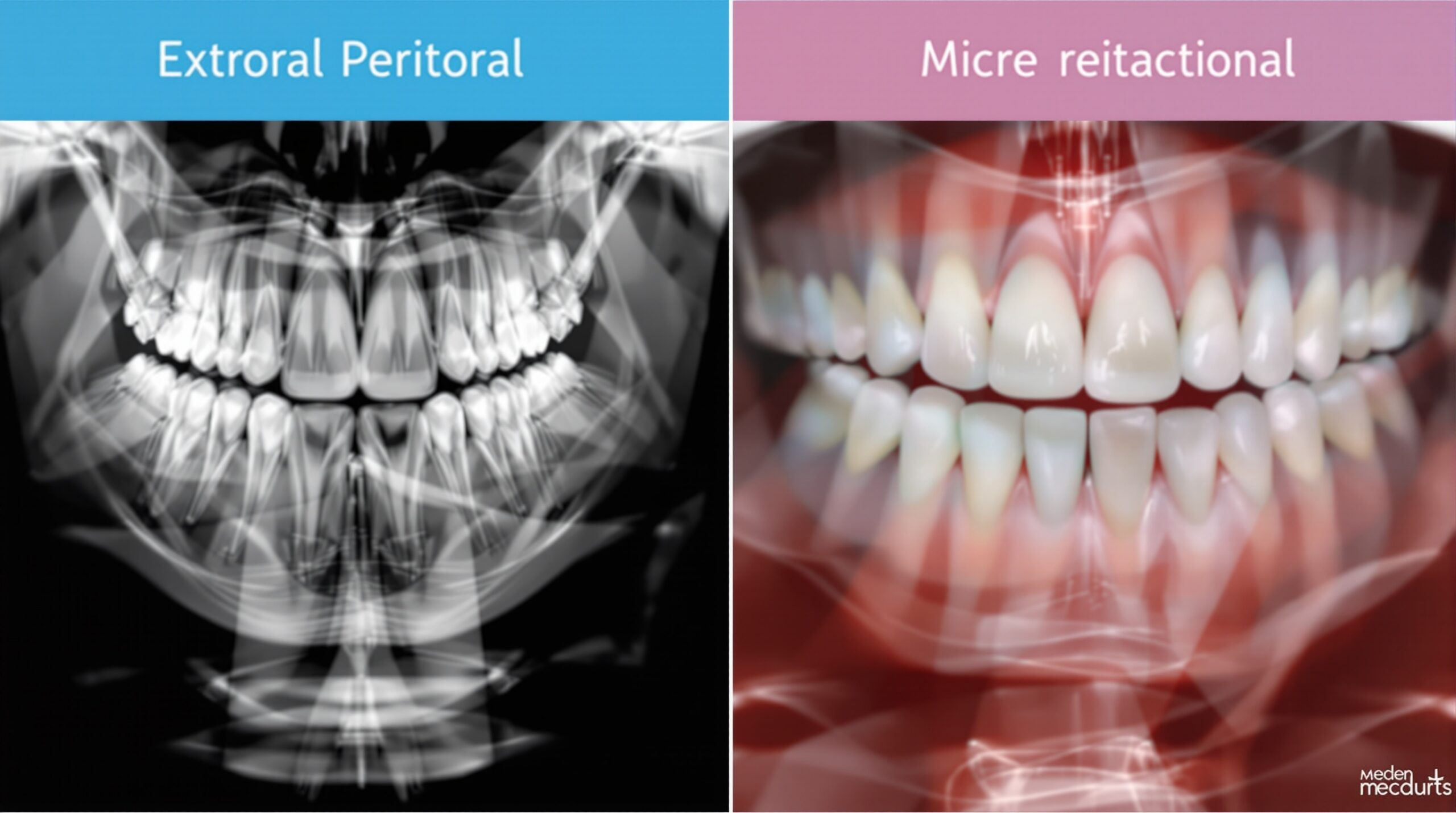
This technique offers numerous clinical benefits that extend beyond patient comfort considerations. Reduced chair time, elimination of gag reflex interference, and improved patient compliance contribute to enhanced clinical workflow efficiency. The extraoral approach particularly benefits endodontic procedures, where multiple radiographs are often required throughout treatment.
Patient acceptance rates significantly improve when practitioners offer extraoral alternatives, leading to better treatment compliance and reduced appointment anxiety. The technique also proves invaluable in emergency situations where rapid diagnostic imaging is essential, but patient cooperation is limited due to pain or trauma.
Diagnostic Quality and Clinical Applications
Research demonstrates that extraoral periapical radiography maintains diagnostic accuracy comparable to traditional intraoral techniques for most clinical applications. Root apex visualization, periapical pathology detection, and endodontic working length determination show excellent correlation with conventional methods.
The technique excels in applications requiring serial imaging, such as endodontic treatment monitoring, healing assessment, and treatment outcome evaluation. Clinical studies indicate that extraoral periapical radiography provides sufficient diagnostic information for treatment planning in the vast majority of cases where intraoral sensor placement proves problematic.
Integration into Modern Practice
Successful implementation requires staff training in alternative positioning techniques and patient communication strategies. Practitioners must understand when to recommend extraoral approaches and how to explain the benefits to patients who may be unfamiliar with these alternatives.
Modern dental practices increasingly recognize that patient-centered care requires flexibility in imaging approaches. Extraoral periapical radiography represents a valuable addition to the diagnostic toolkit, enabling practitioners to provide comprehensive care while accommodating diverse patient needs and preferences.
Sorry, the comment form is closed at this time.