


March 26, 2026 Mastering Occlusal Radiography: Advanced Positioning Techniques for Comprehensive Dental Imaging
Understanding Occlusal Radiography
Occlusal radiography provides a unique cross-sectional view of dental structures, offering diagnostic capabilities that complement traditional periapical and bitewing techniques. This specialized imaging method captures a broader view of the maxillary or mandibular arch, making it invaluable for detecting pathology, locating impacted teeth, and evaluating fractures.
Clinical Applications and Diagnostic Value
Occlusal radiographs excel in several diagnostic scenarios. They are particularly useful for detecting supernumerary teeth, evaluating the extent of cystic lesions, and assessing fractures of the mandible or maxilla. The technique also proves invaluable when traditional periapical radiographs are difficult to obtain due to patient limitations such as restricted mouth opening or severe gag reflex.
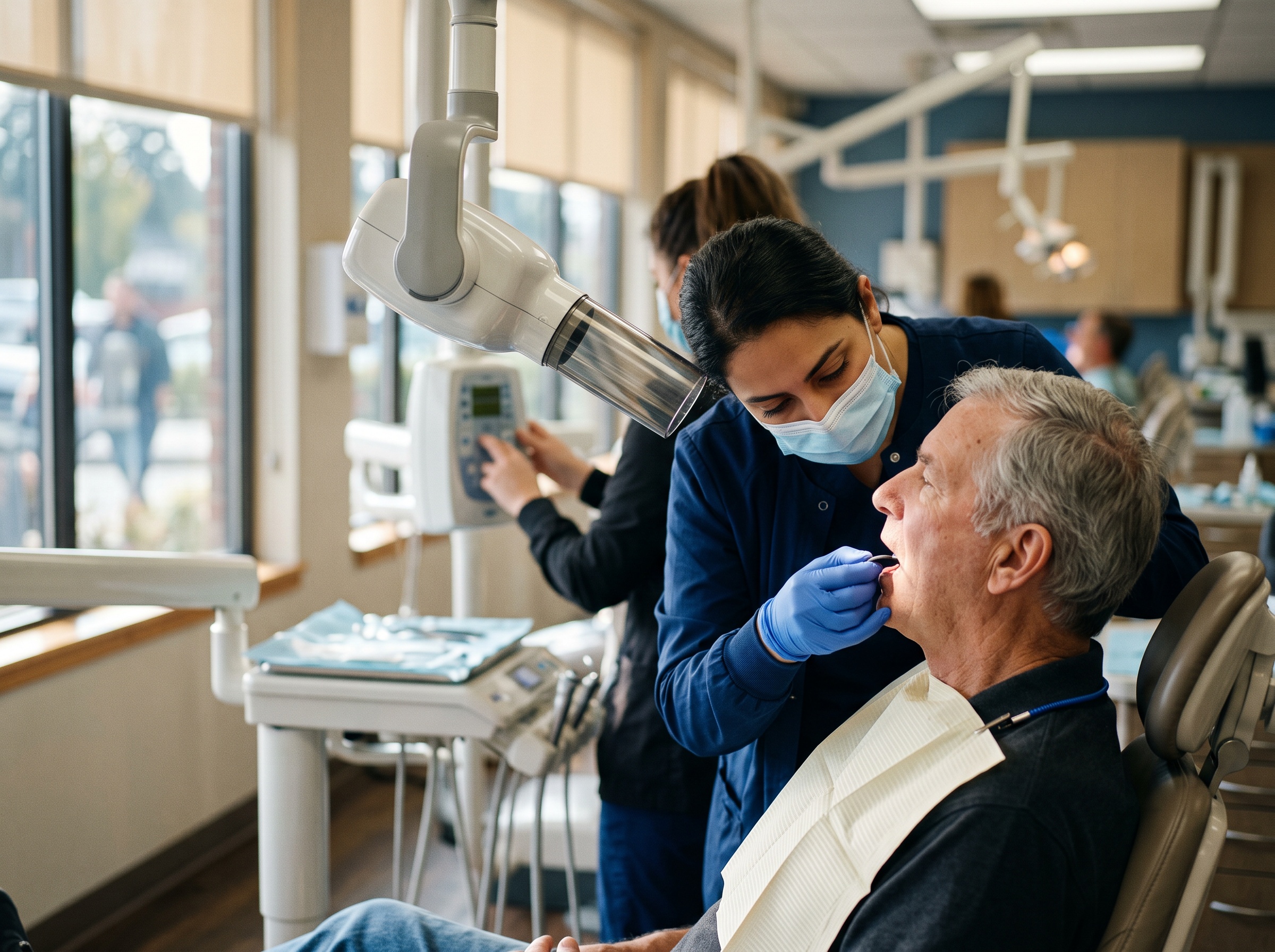
In orthodontic treatment planning, occlusal views provide essential information about the position of impacted canines and the overall arch form. They can reveal whether impacted teeth lie palatally or labially, crucial information for surgical planning and orthodontic intervention strategies.
Maxillary Occlusal Technique
Proper maxillary occlusal positioning requires precise patient preparation and film placement. Begin by seating the patient upright with the occlusal plane parallel to the floor. The film packet, with the white side facing upward, is positioned flat against the occlusal surfaces of the maxillary teeth.

The central ray should be directed perpendicular to the film at a 90-degree angle from above. For standard maxillary occlusal views, use an exposure time similar to that used for maxillary premolar periapical radiographs, adjusted for the patient’s size and density of structures.
Mandibular Occlusal Positioning
Mandibular occlusal radiography presents unique positioning challenges due to anatomical constraints. The patient should be positioned with the head tilted backward to allow proper access for the X-ray tube. The film is placed on the occlusal surfaces of the mandibular teeth with the patient gently biting to hold it in position.
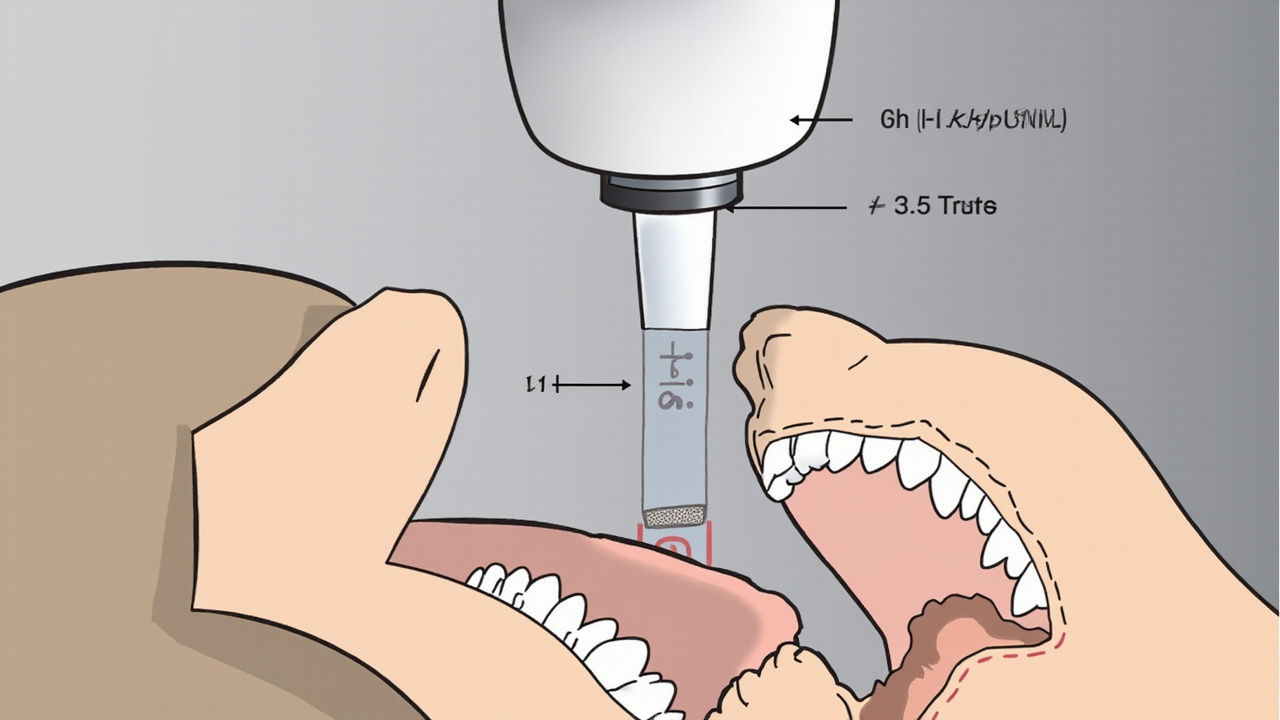
The central ray is directed from below at approximately a 45-degree angle to the film plane. This angulation is critical for proper image quality and avoiding superimposition of anatomical structures. The exposure should account for the increased tissue density in the mandibular region.
Image Quality and Troubleshooting
Common technical errors in occlusal radiography include improper film placement, incorrect angulation, and inadequate exposure. Ensure the film covers the area of interest completely, typically extending from canine to canine for standard views.
When evaluating image quality, look for sharp definition of anatomical landmarks, proper density and contrast, and absence of overlapping structures. The nasal septum, anterior nasal spine, and incisive foramen should be clearly visible in maxillary views, while the mental ridge and symphysis should be evident in mandibular projections.
2026 Guidelines and Best Practices
Recent ADA updates emphasize the importance of justifying occlusal radiographs based on clinical findings and patient-specific diagnostic needs. Following ALARA principles, occlusal views should supplement, not replace, standard intraoral radiographs when additional diagnostic information is required.
Consider patient comfort and cooperation when selecting between standard occlusal views and alternative techniques. For pediatric patients or those with limited mobility, modified positioning techniques may be necessary while maintaining diagnostic quality.
Integration with Digital Workflows
Modern digital sensors and phosphor storage plates have enhanced the efficiency and quality of occlusal radiography. Digital systems allow for immediate image assessment and potential retakes if positioning errors are detected. The ability to adjust contrast and density digitally can compensate for minor exposure variations.
When integrating occlusal radiographs into comprehensive treatment planning, consider their relationship to CBCT imaging and other advanced diagnostic modalities. While occlusal views provide valuable two-dimensional information, they may be supplemented by three-dimensional imaging for complex cases requiring detailed spatial relationships.
Sorry, the comment form is closed at this time.