


April 7, 2026 Optical Coherence Tomography in Dentistry: Revolutionary Non-Invasive Imaging for Advanced Dental Diagnostics
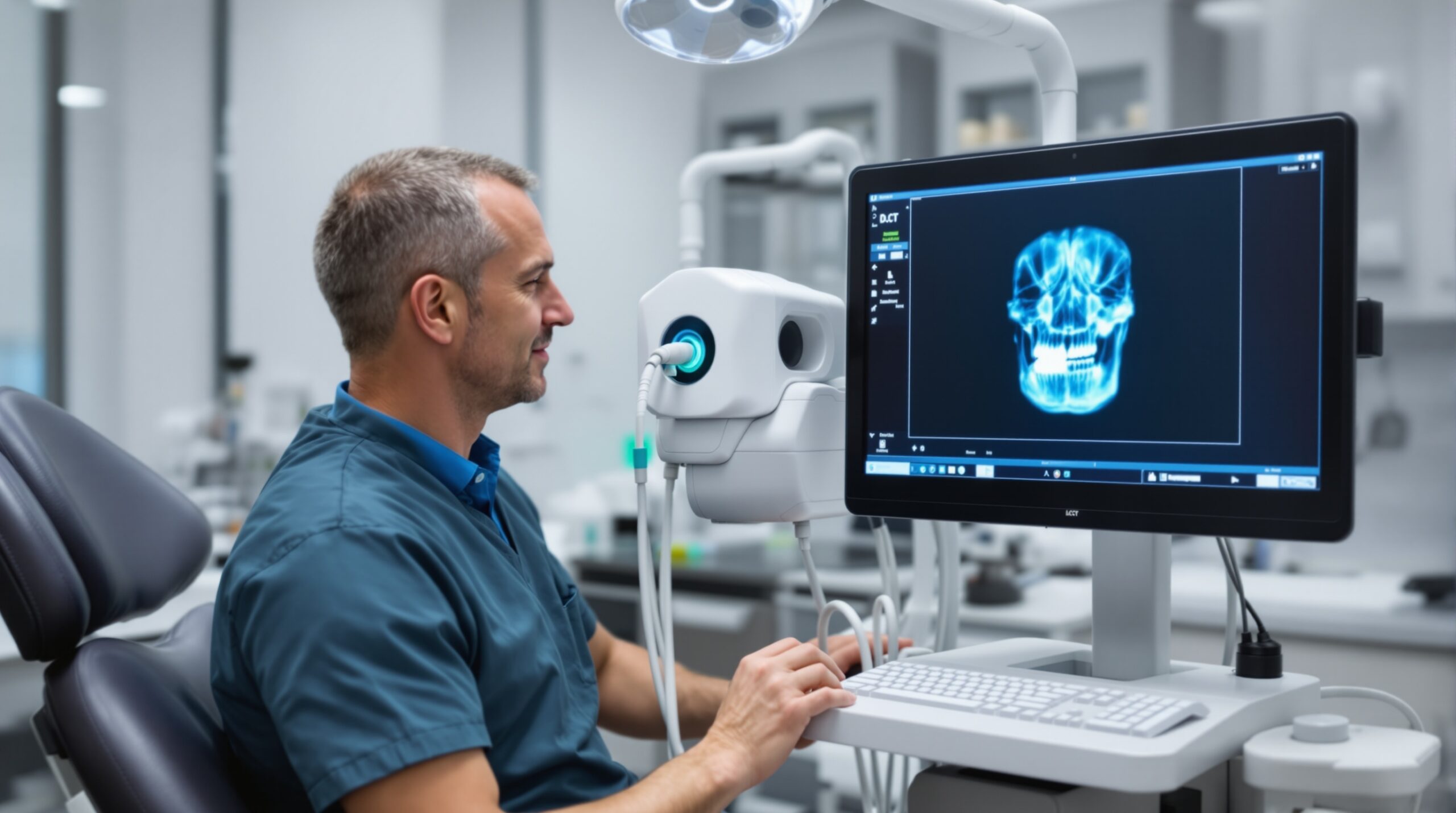
Optical coherence tomography (OCT) represents a groundbreaking advancement in dental imaging technology, offering clinicians unprecedented visualization capabilities for oral tissues without invasive procedures. Often referred to as an “optical biopsy,” OCT provides high-resolution, cross-sectional imaging that rivals histopathological examination quality.
Understanding OCT Technology
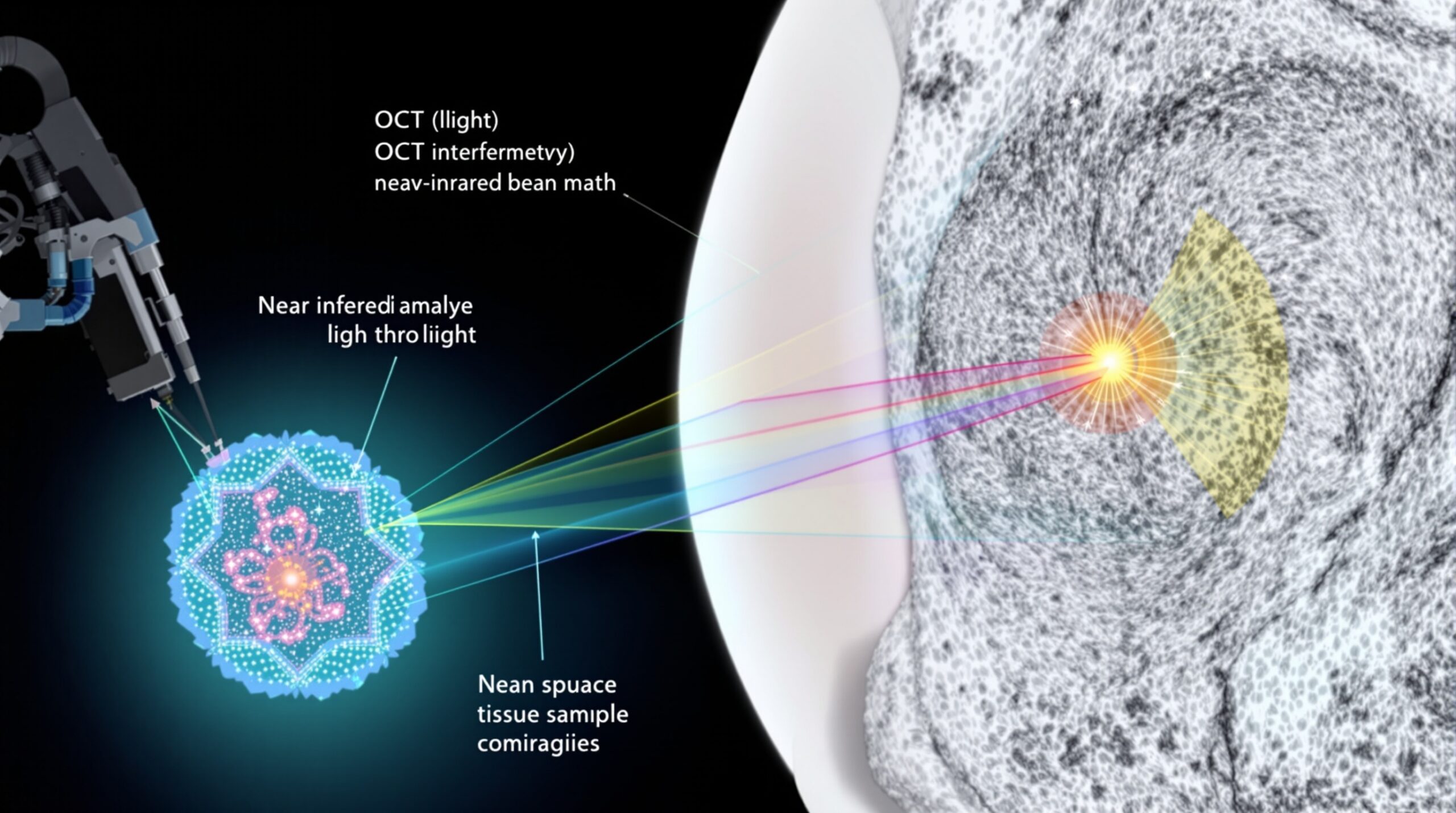
OCT operates on the principle of low-coherence interferometry, utilizing near-infrared (NIR) light to penetrate tissue and generate detailed structural images. The technology measures backscattered light and echo time delays to construct comprehensive cross-sectional views of dental tissues at micron-level resolution.
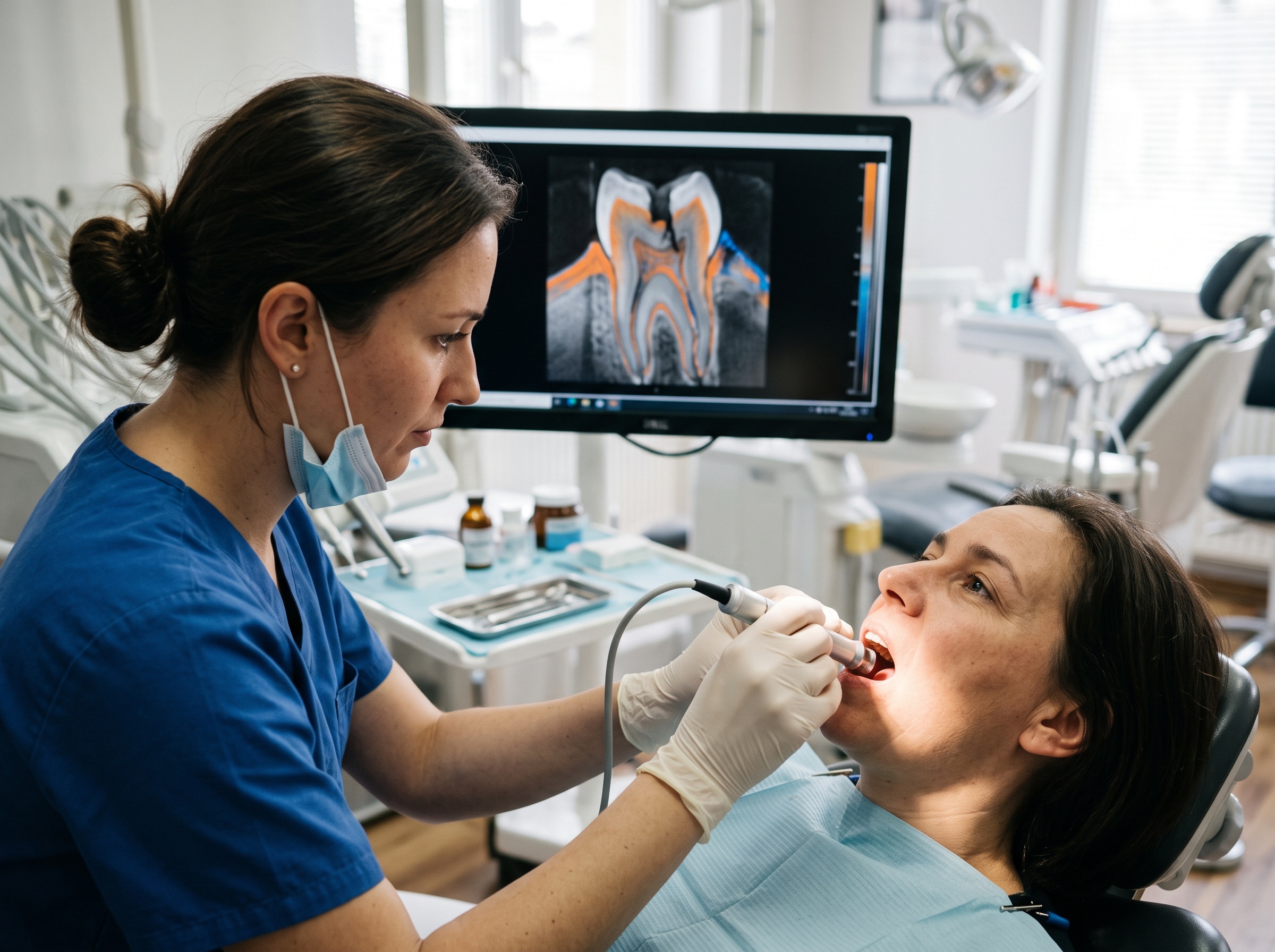
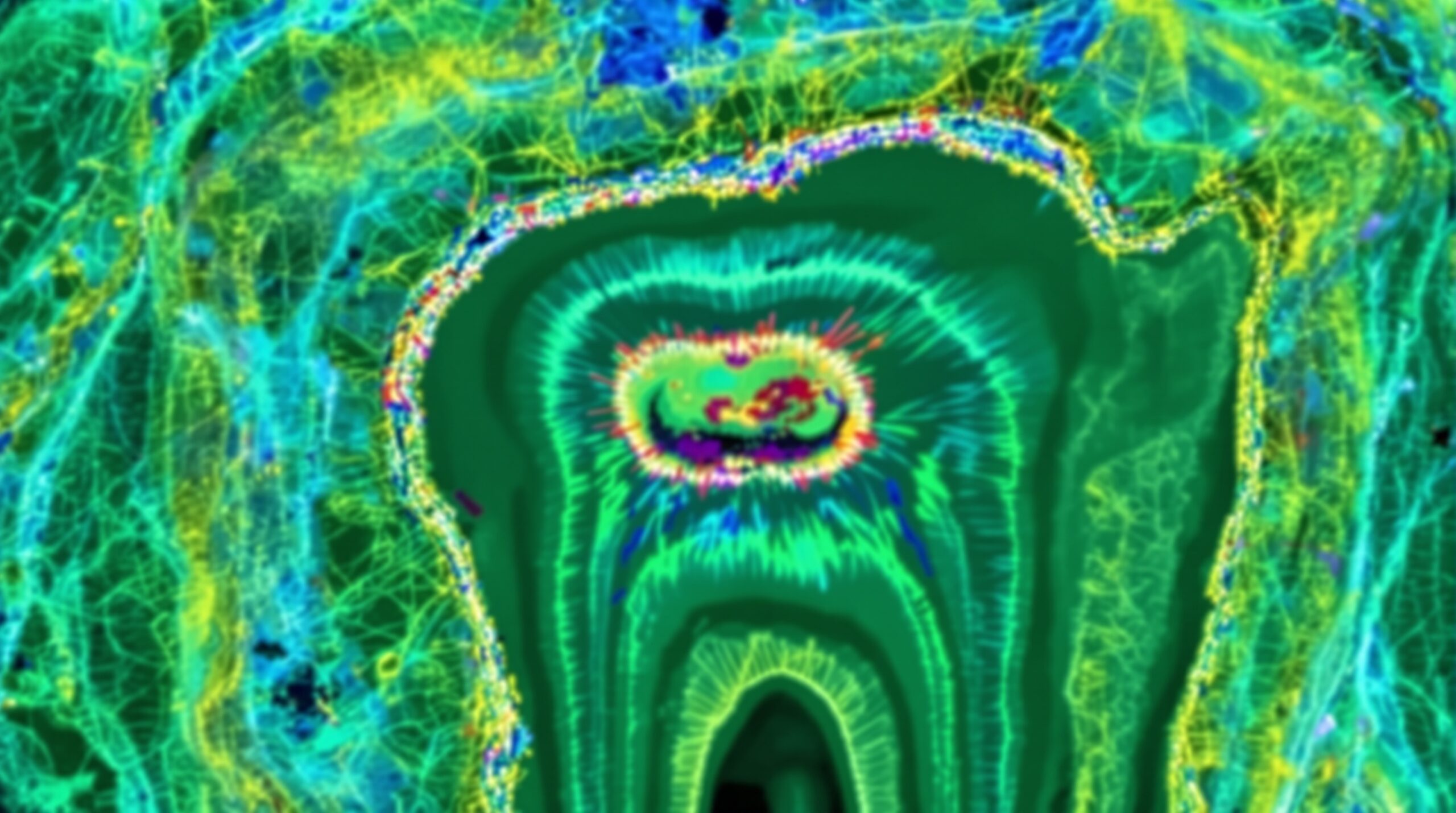
Two primary OCT systems dominate clinical applications: time-domain OCT (TD-OCT) and Fourier-domain OCT (FD-OCT). FD-OCT offers superior imaging speed and sensitivity, making it increasingly preferred for real-time dental diagnostics.
Clinical Applications in Dental Practice
Caries Detection and Analysis
OCT excels at early caries detection, revealing demineralization patterns invisible to conventional radiography. The technology can differentiate between healthy enamel, early demineralization, and advanced carious lesions with exceptional precision.
Periodontal Assessment
Non-invasive evaluation of periodontal tissues enables clinicians to assess pocket depths, tissue inflammation, and treatment responses without patient discomfort. OCT imaging reveals subgingival calculus and root surface irregularities with remarkable clarity.
Oral Cancer Screening
OCT provides valuable insights into oral mucosal lesions, helping differentiate between benign and potentially malignant tissue changes. The technology enables early detection of cellular alterations that may indicate developing pathology.
Technical Advantages
OCT offers several compelling advantages over traditional imaging methods:
- Non-ionizing radiation: Eliminates X-ray exposure concerns
- Real-time imaging: Immediate visualization during procedures
- High resolution: Achieves 10-15 micron axial resolution
- Penetration depth: Images up to 2-3mm into tissue
- Patient comfort: Non-contact, painless examination
Integration into Modern Dental Practice
Contemporary dental practices increasingly incorporate OCT technology for comprehensive patient care. The technology complements existing diagnostic tools, providing additional insights that enhance treatment planning accuracy and patient outcomes.
Treatment Monitoring
OCT enables precise monitoring of treatment progress, particularly in periodontal therapy and restorative procedures. Clinicians can track healing responses and make evidence-based treatment adjustments.
Research Applications
Academic and clinical research benefits significantly from OCT capabilities, advancing understanding of dental pathology progression and treatment effectiveness through longitudinal studies.
Future Directions
OCT technology continues evolving with enhanced imaging algorithms, improved penetration depths, and integration with artificial intelligence for automated diagnosis. These developments promise even greater diagnostic accuracy and clinical utility.
As OCT transitions from experimental laboratories to mainstream clinical practice, dental professionals must prepare for integration through continuing education and hands-on training. The technology represents a paradigm shift toward non-invasive, high-precision dental diagnostics that will likely become standard care in modern dental practice.
Related Reading
- DIAGNOdent Laser Fluorescence Imaging: Precision Caries Detection Technology for Modern Dental Practice
- Close-Range Photogrammetry in Dentistry: Revolutionary 3D Imaging Technology for Precision Diagnostics
- Photoacoustic Imaging in Dentistry: Revolutionary Non-Invasive Periodontal Health Monitoring and Diagnostic Technology
Sorry, the comment form is closed at this time.