


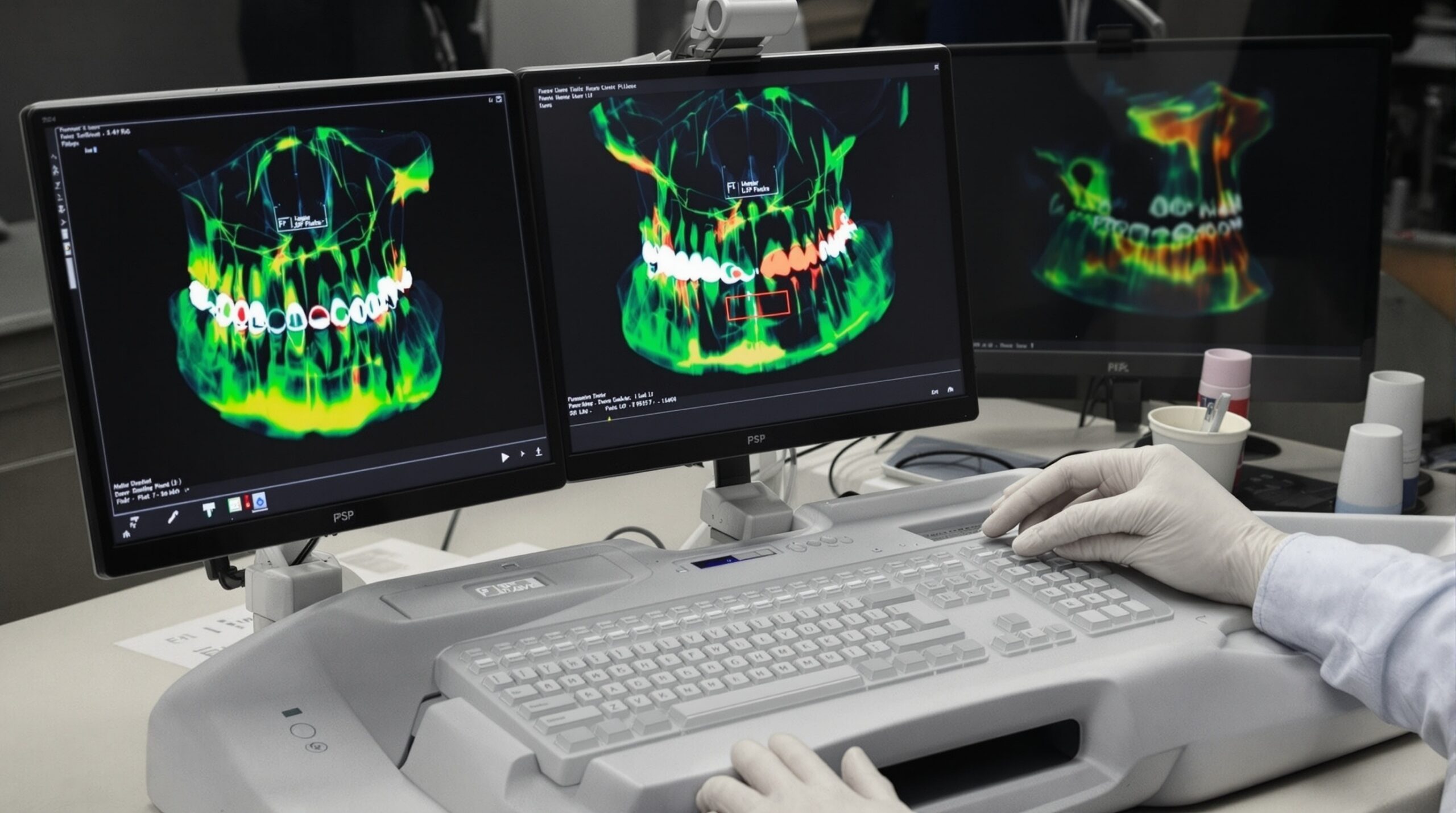
March 30, 2026 Photostimulable Phosphor Plates (PSP): Advanced Semi-Direct Digital Radiography for Modern Dental Practice
Photostimulable phosphor plates (PSP) represent a pivotal advancement in digital dental radiography, offering dental professionals a cost-effective transition from traditional film-based imaging to digital workflows. This semi-direct digital imaging technology combines the familiar feel of conventional radiography with the benefits of digital processing and storage.
Understanding PSP Technology
PSP plates utilize europium-activated barium fluorohalide phosphor crystals that store X-ray energy in a latent image state. When exposed to X-rays during patient imaging, these phosphor crystals trap electrons in higher energy states, creating an invisible latent image pattern that corresponds to the radiographic anatomy.

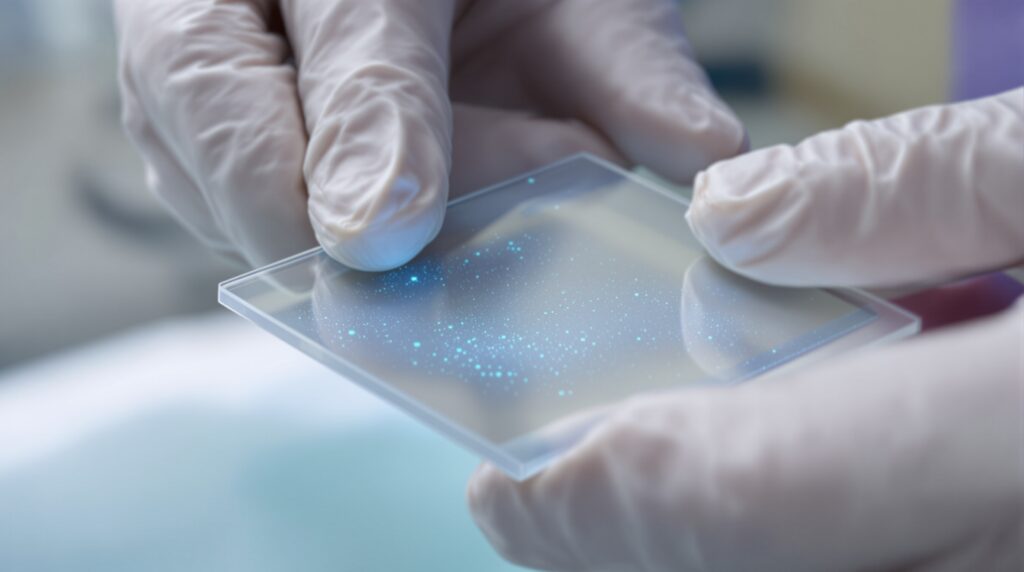
The conversion process occurs when the exposed PSP plate is scanned by a helium-neon laser or LED light source in a dedicated scanner. This stimulation releases the trapped electrons as photostimulated luminescence, which is captured by photomultiplier tubes and converted into digital image data.
Clinical Advantages in Dental Practice
PSP systems offer several compelling advantages for dental practices transitioning to digital imaging:
- Cost-effective digitization – Lower initial investment compared to direct digital sensors
- Familiar workflow – Maintains positioning techniques similar to film radiography
- Flexible plate sizes – Available in standard intraoral sizes (0, 1, 2, 3, 4)
- Durability – Reusable plates withstand thousands of exposures
- Radiation dose reduction – Requires 25-50% less radiation than conventional film
Optimizing PSP Image Quality
Achieving optimal image quality with PSP technology requires attention to several critical factors. Proper plate handling is essential, as PSP plates are sensitive to light exposure and physical damage. Storage in light-tight containers and gentle handling prevent artifacts and maintain image integrity.
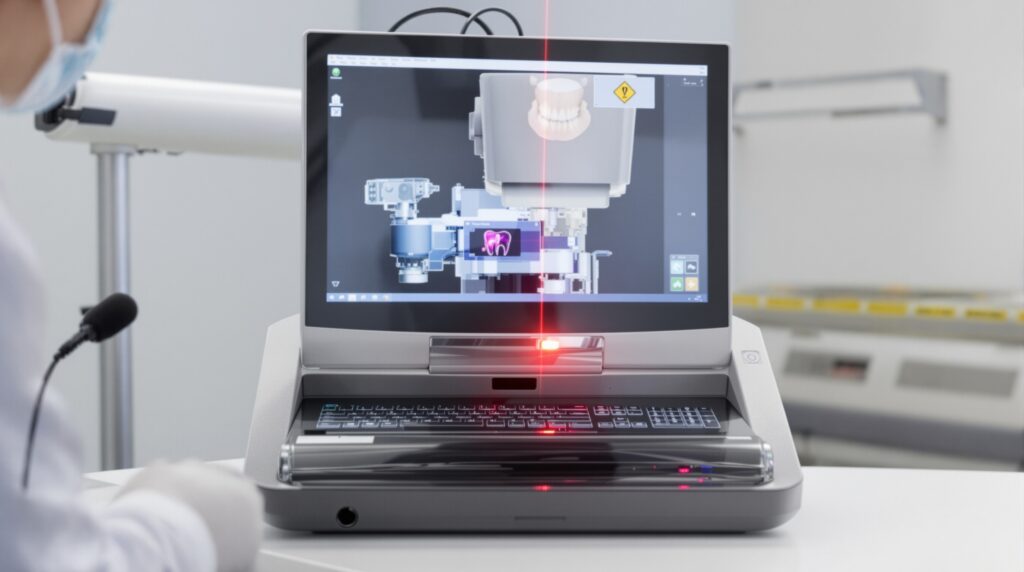
Scanner maintenance plays a crucial role in image quality. Regular cleaning of scanner components, calibration procedures, and replacement of aging laser components ensure consistent image reproduction and prevent degradation artifacts.
Artifact Prevention and Management
Common PSP artifacts include light fog from improper storage, scratch artifacts from mishandling, and incomplete erasure patterns from scanner malfunction. Understanding these artifact patterns enables practitioners to implement preventive protocols and troubleshoot image quality issues effectively.
Proper plate cycling and erasure protocols are essential. While PSP plates can be reused extensively, residual image retention from incomplete erasure can compromise diagnostic quality. Implementing double-erasure protocols and monitoring plate performance over time ensures optimal imaging results.
Integration with Modern Dental Workflows
PSP systems integrate seamlessly with practice management software and digital imaging platforms, enabling efficient patient record management and treatment documentation. The ability to enhance, manipulate, and transmit digital images enhances diagnostic capabilities and facilitates consultation processes.
For practices considering digital radiography adoption, PSP technology provides an accessible entry point that maintains familiar clinical procedures while delivering the advantages of digital imaging. The technology continues to evolve with improved scanner efficiency and enhanced image processing algorithms.
Sorry, the comment form is closed at this time.