


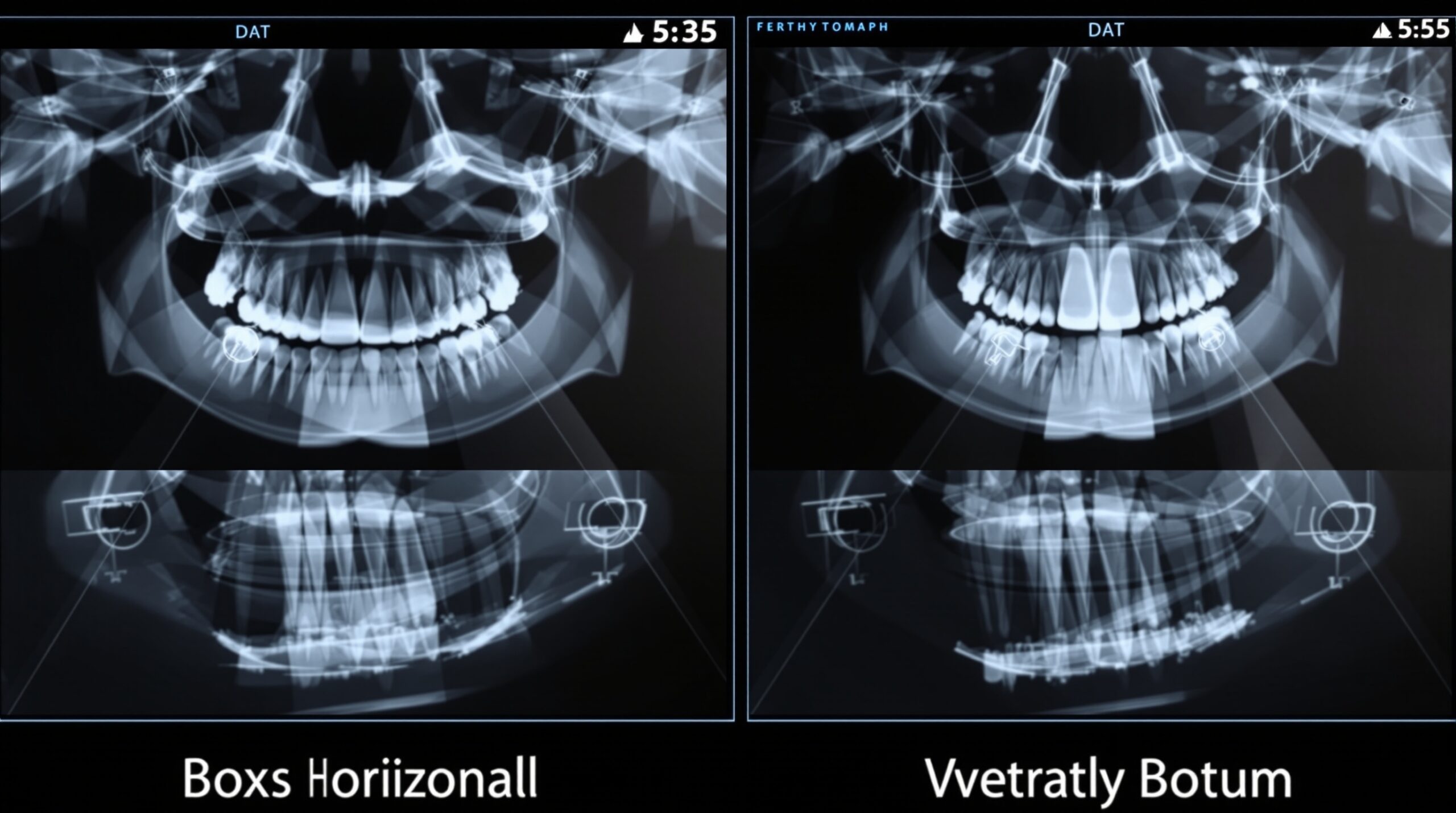
March 24, 2026 Vertical vs. Horizontal Bitewing Radiography: 2026 Clinical Guidelines and Best Practices
Bitewing radiography remains a cornerstone of dental diagnostics, providing critical information about caries detection and periodontal health assessment. The choice between vertical and horizontal bitewing orientations significantly impacts diagnostic accuracy and clinical decision-making. Recent research and updated 2026 guidelines offer new insights into optimal positioning strategies.
Understanding Bitewing Orientation Options
The fundamental difference between horizontal and vertical bitewing radiographs lies in receptor positioning relative to the occlusal plane. Horizontal bitewings have traditionally been the gold standard for routine examinations, while vertical bitewings offer enhanced visualization of alveolar bone levels and root anatomy.
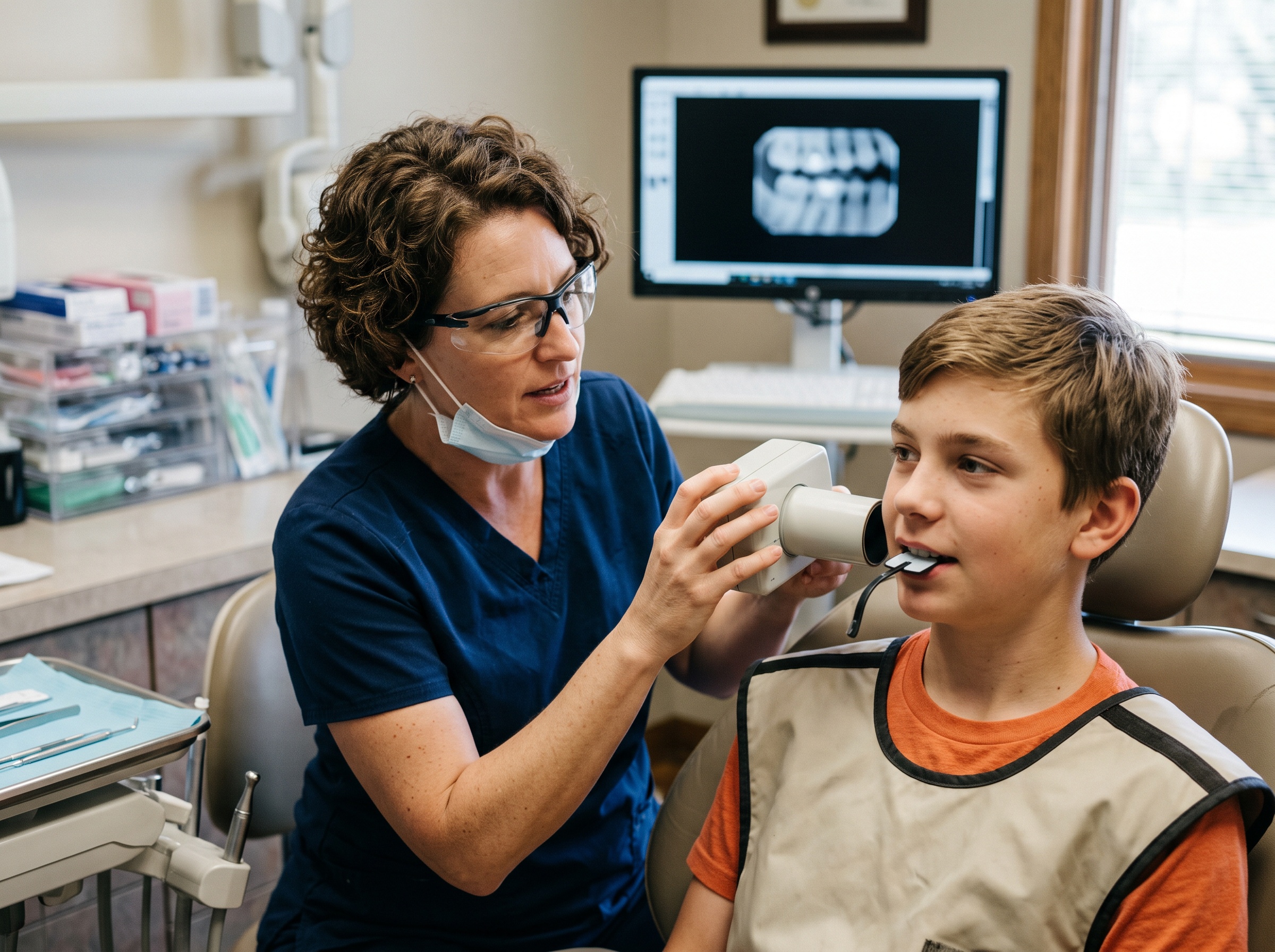
Horizontal Bitewing Advantages
Horizontal bitewing radiographs excel in specific clinical scenarios:
- Proximal Caries Detection: Superior visualization of interproximal surfaces in posterior teeth
- Crown Assessment: Optimal coverage of coronal structures and contact points
- Routine Screening: Efficient for standard recall examinations with minimal bone loss
- Patient Comfort: Generally easier positioning and better patient tolerance
Clinical studies demonstrate horizontal bitewings achieve 85-90% accuracy in detecting incipient proximal caries, making them invaluable for preventive dentistry protocols.
Vertical Bitewing Clinical Advantages
Recent research highlights significant benefits of vertical bitewing orientation:
- Periodontal Assessment: Enhanced visualization of interdental bone levels and crestal bone height
- Root Pathology Detection: Superior coverage of root surfaces and periapical areas
- Advanced Periodontitis: Critical for monitoring bone loss progression in compromised patients
- Endodontic Evaluation: Better root canal assessment and treatment planning
2026 Evidence-Based Selection Criteria
Contemporary research provides clear guidance for orientation selection:
Choose Horizontal Bitewings When:
- Patient age < 40 years with healthy periodontium
- Primary focus on caries detection
- Routine recall examinations (6-12 month intervals)
- Limited bone loss (< 2mm from CEJ)
Choose Vertical Bitewings When:
- Periodontal disease present or suspected
- Bone loss exceeds 3mm from cemento-enamel junction
- Endodontic evaluation required
- Comprehensive periodontal charting needed
Technical Considerations and Quality Factors
Optimal bitewing radiography requires attention to positioning fundamentals regardless of orientation. Key technical factors include:
- Receptor Placement: Proper centering and adequate coverage of target anatomy
- Vertical Angulation: +10° for horizontal, +5° to +15° for vertical orientations
- Horizontal Angulation: Perpendicular to interproximal contacts
- Exposure Parameters: Adjusted for patient size and receptor sensitivity
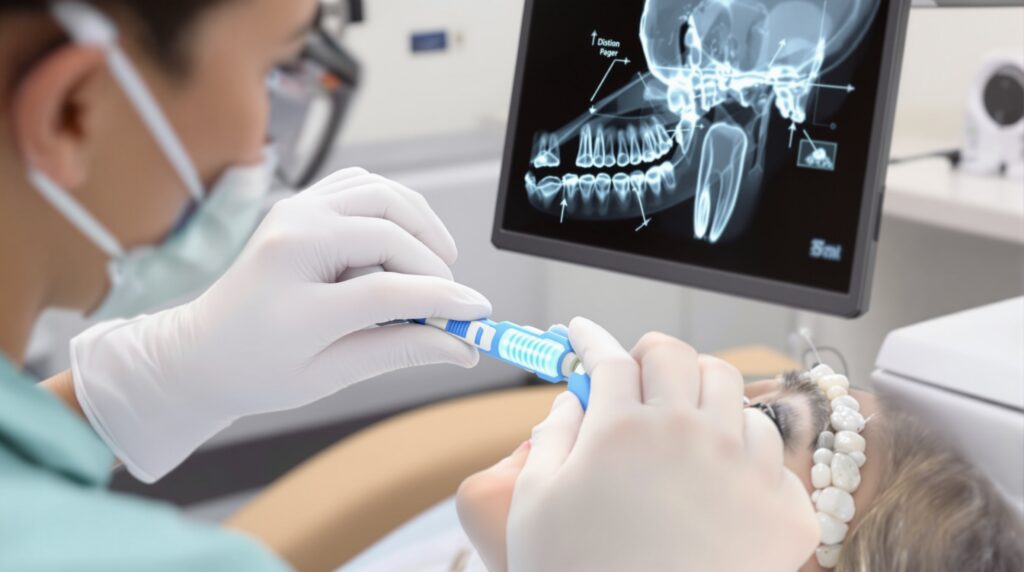
Digital sensors and phosphor plates have revolutionized bitewing imaging, offering immediate feedback and enhanced diagnostic capabilities through software analysis tools.
Clinical Decision-Making Framework
The 2026 American Dental Association guidelines recommend a risk-based approach to bitewing selection. High-risk patients with periodontal compromise, caries activity, or systemic conditions benefit from vertical bitewing protocols. Low-risk patients with healthy periodontium and good oral hygiene can maintain horizontal bitewing schedules.
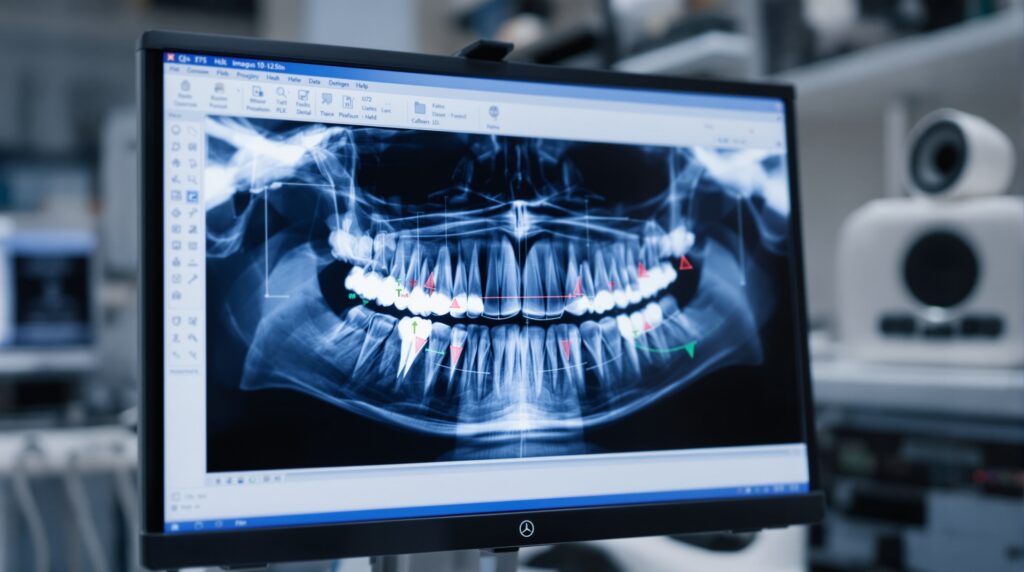
Integration of artificial intelligence and automated analysis tools increasingly supports clinical decision-making, with software capable of recommending optimal orientation based on patient-specific risk factors and imaging history.
Future Directions in Bitewing Radiography
Emerging technologies continue to refine bitewing techniques. Three-dimensional bitewing reconstruction, enhanced digital processing algorithms, and AI-assisted diagnosis represent the next evolution in dental imaging. These advances promise improved diagnostic accuracy while maintaining the fundamental principles that make bitewing radiography indispensable to modern dental practice.
The choice between vertical and horizontal bitewing orientations should be guided by clinical indication, patient risk assessment, and specific diagnostic objectives. Both techniques remain valuable tools in the comprehensive dental imaging arsenal, with selection criteria becoming increasingly evidence-based and patient-centered.
Sorry, the comment form is closed at this time.