


February 21, 2026 Wireless Intraoral Cameras: Revolutionizing Patient Education and Diagnostic Precision
Wireless Intraoral Cameras: Revolutionizing Patient Education and Diagnostic Precision
The evolution of intraoral camera technology has reached a pivotal moment with the widespread adoption of wireless systems. These innovative devices are transforming how dental professionals capture, share, and utilize clinical imagery, creating more efficient workflows while dramatically enhancing patient engagement and understanding. Recent technological advances have made wireless intraoral cameras not just convenient alternatives to wired systems, but superior diagnostic tools that are reshaping modern dental practice.
The Wireless Advantage in Clinical Practice
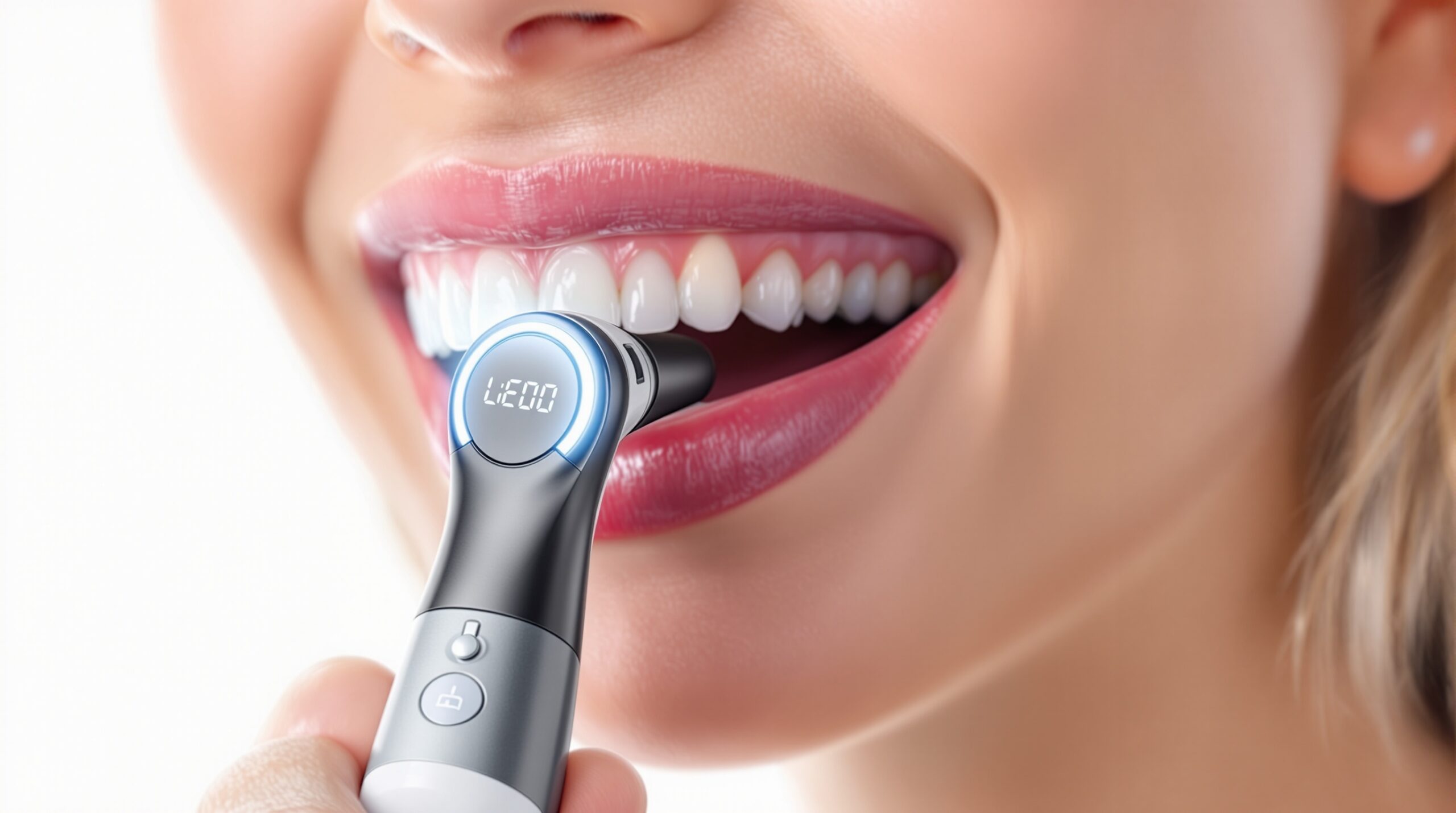
Traditional wired intraoral cameras, while effective, often created workflow limitations due to cable management challenges and restricted patient positioning. Wireless technology eliminates these barriers, providing unprecedented freedom of movement and positioning flexibility. Modern wireless intraoral cameras deliver professional-grade 1080p HD images with the same diagnostic quality as their wired counterparts, while offering significant operational advantages.

The benefits of wireless intraoral imaging extend beyond simple convenience:
- Enhanced patient comfort through unrestricted positioning
- Improved access to difficult-to-reach areas
- Streamlined clinical workflows with reduced setup time
- Greater practitioner mobility during examinations
- Simplified infection control protocols
Patient Education Through Visual Evidence
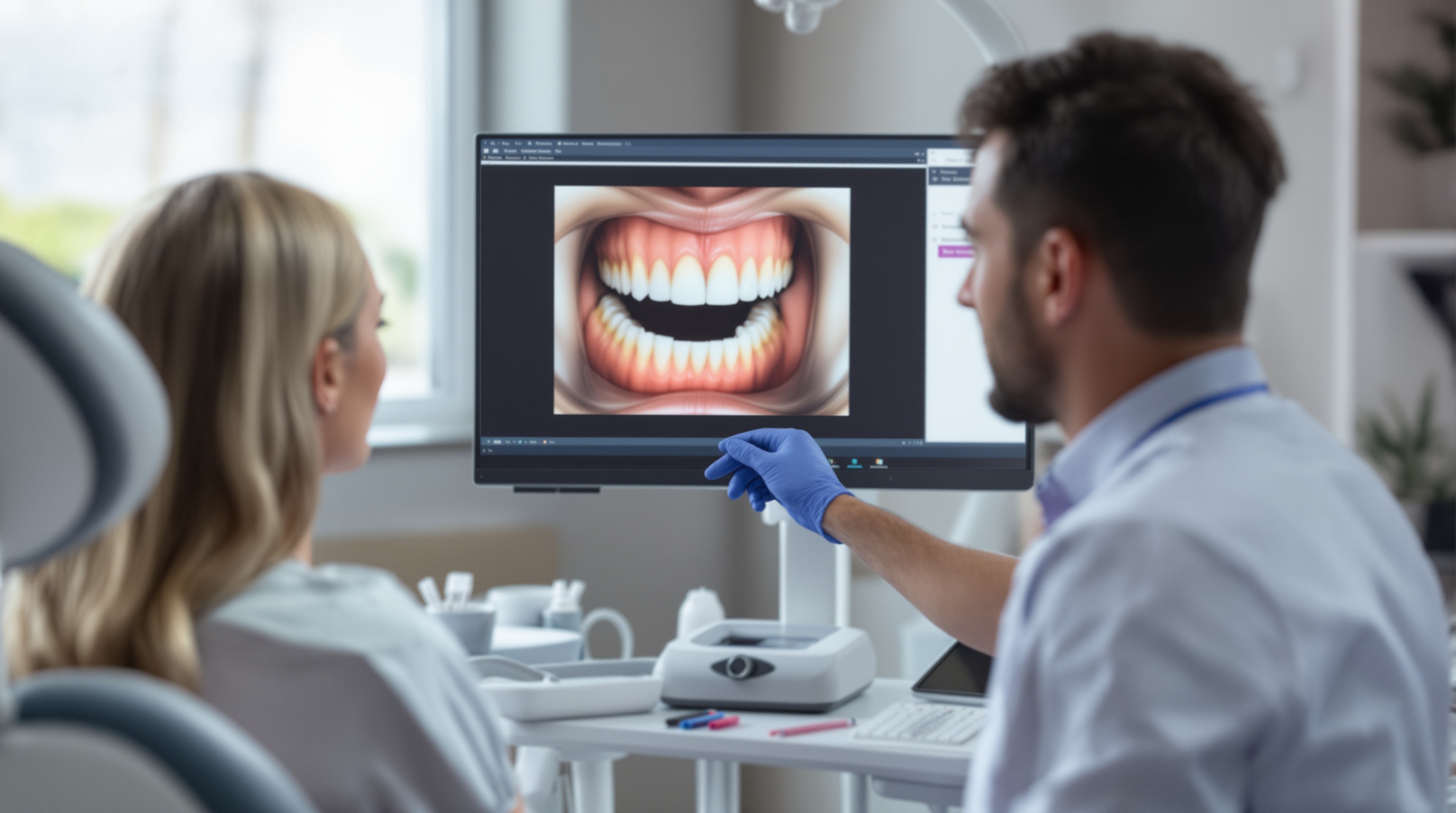
Perhaps the most significant impact of modern intraoral cameras lies in their ability to transform patient education and communication. When patients can see actual images of their oral conditions in real-time, their understanding and engagement increase dramatically. This visual evidence helps bridge the communication gap between clinical findings and patient comprehension.
Wireless cameras excel in educational applications because they can be easily repositioned to capture multiple angles and perspectives without the constraints of cable management. This flexibility allows practitioners to demonstrate conditions more effectively, showing patients the full scope of their oral health status and explaining treatment recommendations with unprecedented clarity.
Diagnostic Accuracy and Early Detection
The high-resolution imaging capabilities of modern wireless intraoral cameras significantly enhance diagnostic accuracy. These devices can reveal conditions that might be missed during traditional visual examinations, including early-stage caries, hairline fractures, and subtle tissue changes. The magnified view provided by intraoral cameras allows practitioners to distinguish between harmless tooth stains and developing pathology with greater confidence.
Advanced wireless systems now incorporate features such as:
- Multiple magnification levels for detailed examination
- Enhanced LED lighting systems for optimal tissue contrast
- Image stabilization technology for clear documentation
- Instant capture and review capabilities
- Seamless integration with practice management software
Integration with Digital Workflows
Modern dental practices are increasingly adopting comprehensive digital workflows, and wireless intraoral cameras play a crucial role in this transformation. These devices integrate seamlessly with cloud-based storage systems, enabling secure sharing of images between practitioners and specialists. The ability to instantly upload and access images from multiple devices enhances collaboration and facilitates more efficient case consultations.
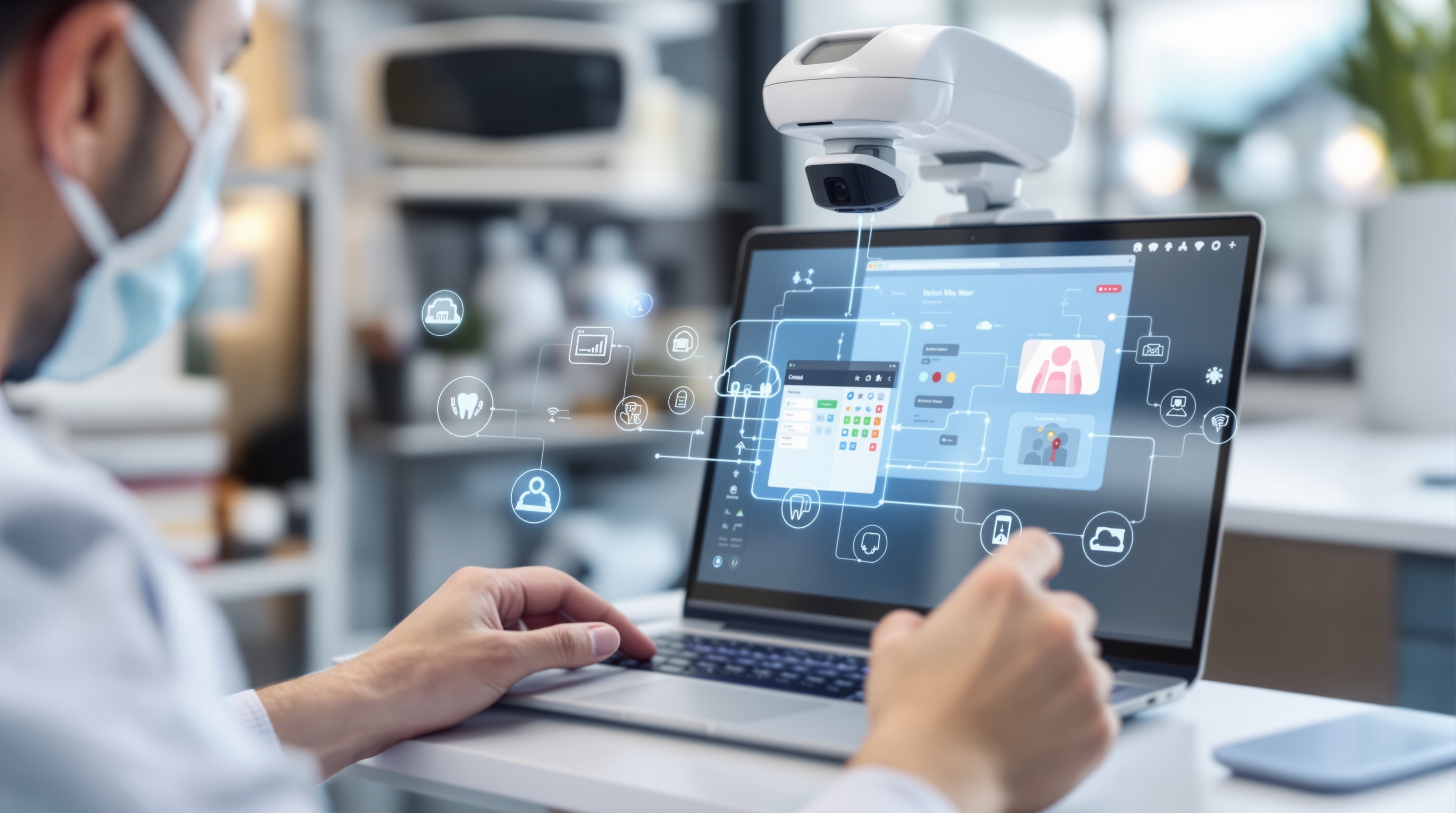
The integration capabilities extend to teledentistry applications, where high-quality intraoral images can be captured and transmitted for remote consultations. This technology has proven particularly valuable for connecting specialists with patients in underserved areas or for providing emergency consultations when direct access is limited.
Professional Applications and Case Documentation
Wireless intraoral cameras serve multiple professional applications beyond routine examinations. They are invaluable tools for case documentation, providing visual records that support treatment planning, insurance communications, and legal documentation. The ability to capture consistent, high-quality images helps establish treatment necessity and demonstrates the progression of conditions over time.
Educational institutions have also embraced wireless intraoral technology for training purposes. Students can use these devices for case studies, clinical documentation, and peer learning activities. The wireless nature of these cameras makes them ideal for educational settings where multiple users need access and portability is essential.
Technology Trends and Future Developments
The future of intraoral imaging technology continues to evolve with exciting developments on the horizon. Artificial intelligence integration is beginning to appear in advanced systems, offering automated detection of common conditions and standardized image quality assessment. These AI-enhanced cameras can suggest optimal imaging angles and highlight areas of concern for further examination.
Battery technology improvements are extending operating times while reducing device weight and size. Next-generation wireless cameras are becoming increasingly compact while maintaining or improving image quality. Cloud connectivity is also advancing, with new systems offering real-time synchronization across multiple devices and locations.
Choosing the Right Wireless System
When selecting a wireless intraoral camera system, practitioners should consider several key factors. Image quality remains paramount, with 1080p HD resolution representing the current standard for professional applications. Battery life and charging convenience affect daily workflow efficiency, while software compatibility ensures seamless integration with existing practice management systems.
The total cost of ownership includes not just the initial device cost but also ongoing software licenses, cloud storage fees, and maintenance requirements. Leading systems offer comprehensive support packages that include regular software updates, technical support, and equipment replacement programs. These factors combine to create a value proposition that extends well beyond the initial purchase price.
Sorry, the comment form is closed at this time.