


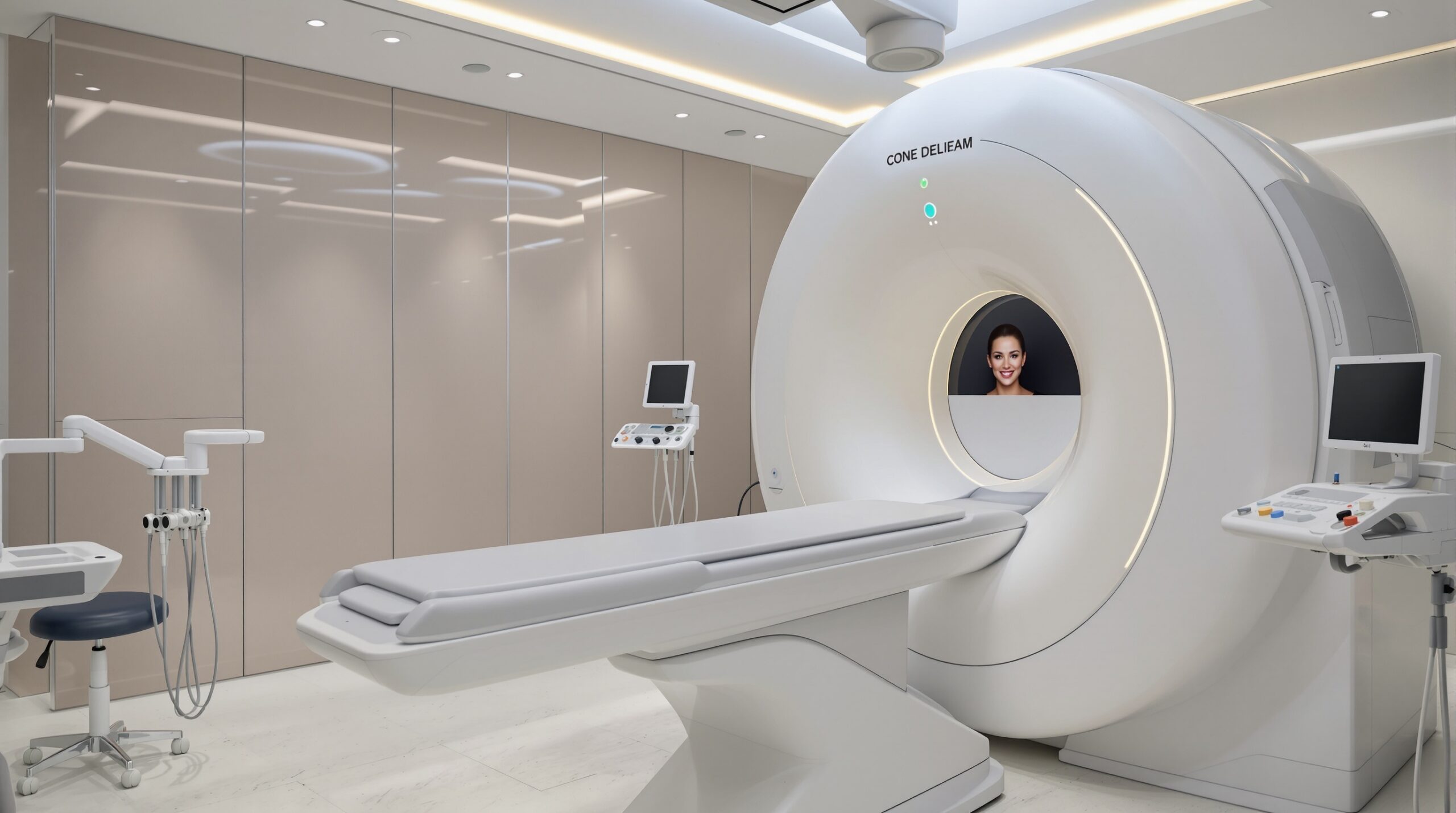
March 12, 2026 ADA Updates 2026 Dental Imaging Guidelines: CBCT Use and ALARA Principles
The American Dental Association has released comprehensive updates to dental imaging guidelines for 2026, emphasizing evidence-based protocols for CBCT use and reinforcing ALARA (As Low As Reasonably Achievable) radiation safety principles. These recommendations represent a significant shift toward more conservative imaging practices in orthodontics and general dentistry.
Key Updates in ADA 2026 Imaging Guidelines
The updated guidelines prioritize clinical examination as the foundation for diagnostic decision-making, with imaging serving as a supplementary tool rather than a primary diagnostic method. For periodontal disease evaluation, 2D full-mouth radiographic series combined with clinical examination remains the gold standard.
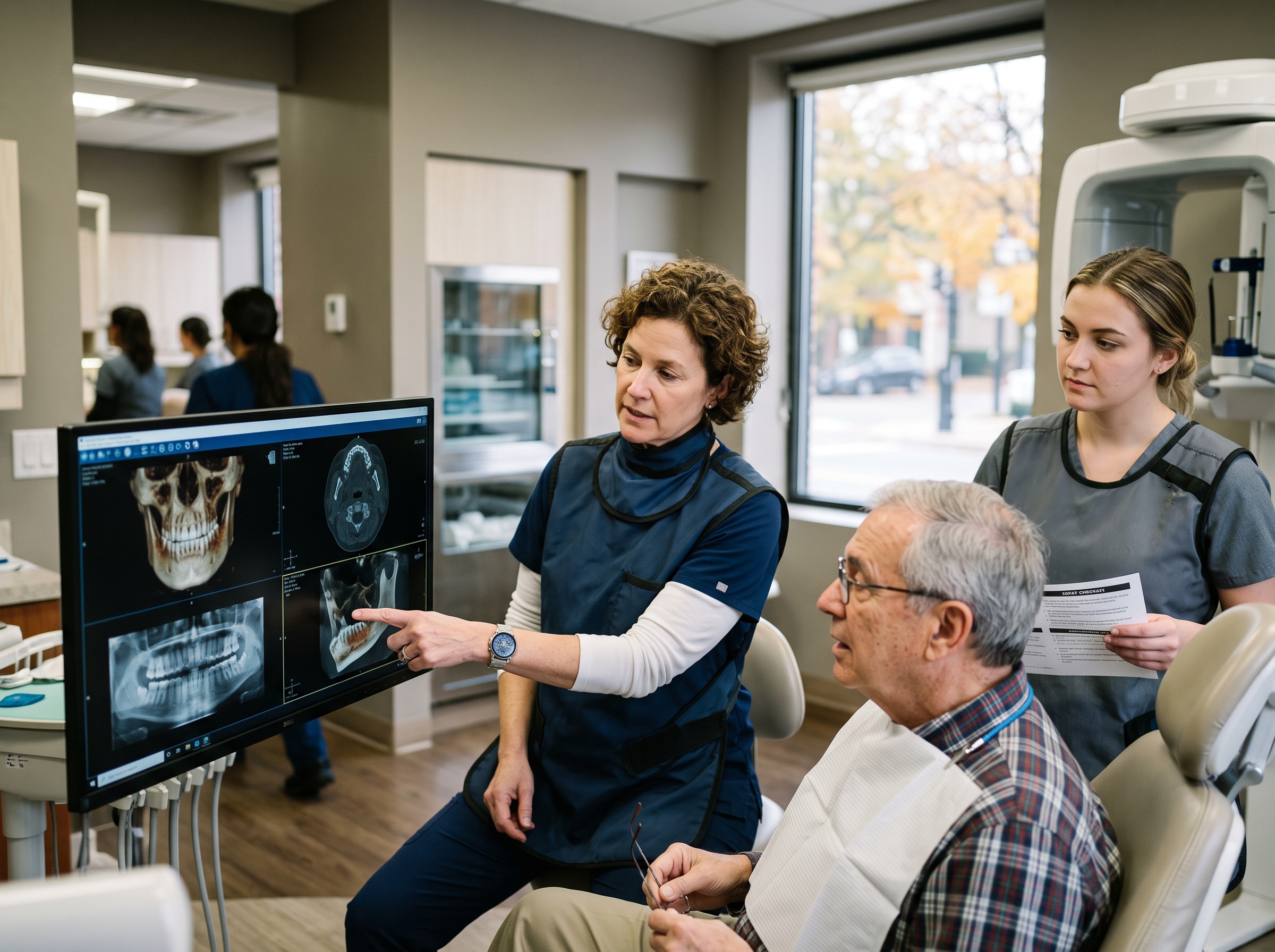
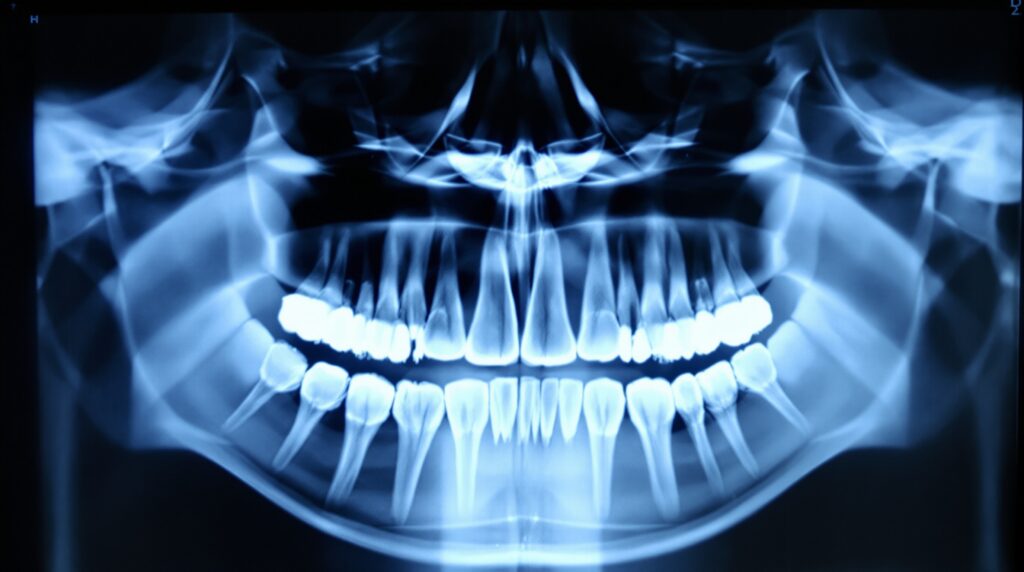
Panoramic radiography continues to serve as an essential screening tool for comprehensive oral assessment, providing broad coverage of dental and surrounding structures while maintaining relatively low radiation exposure.
CBCT Utilization Under New Guidelines
The 2026 recommendations establish clear boundaries for CBCT imaging, emphasizing its use only when conventional 2D imaging proves insufficient. For orthodontic applications, panoramic radiography addresses many diagnostic needs, with CBCT reserved for complex cases requiring three-dimensional visualization.
CBCT offers superior resolution (75-200 μm) compared to traditional panoramic imaging (300-500 μm), making it invaluable for detecting fine anatomical details such as accessory canals and evaluating complex root morphology. However, the guidelines stress that this enhanced capability must be balanced against increased radiation exposure.
ALARA Principle Implementation
The updated guidelines reinforce ALARA principles, requiring practitioners to justify each imaging decision based on expected diagnostic benefit versus radiation risk. This approach mandates consideration of patient age, pregnancy status, and cumulative radiation exposure when selecting imaging modalities.

Documentation requirements have been strengthened, with practitioners expected to record rationale for imaging decisions and demonstrate adherence to established protocols. Quality assurance programs must include regular equipment calibration and staff training on radiation safety protocols.
Periodontal Disease Management
Current evidence does not support routine CBCT use for periodontal disease management. The guidelines limit CBCT application to complex treatment planning scenarios where conventional imaging provides insufficient information for therapeutic decision-making.
Orthodontic Applications
For orthodontic evaluation, the guidelines recommend starting with clinical examination and panoramic radiography. CBCT should be considered only when additional three-dimensional information will significantly impact treatment planning or when evaluating impacted teeth, root resorption, or airway assessment.
Clinical Implementation Considerations
Practitioners must establish protocols ensuring systematic application of these guidelines. This includes developing decision trees for imaging selection, implementing quality control measures, and maintaining continuing education on evolving imaging technologies and safety standards.
The integration of artificial intelligence and advanced imaging processing continues to evolve, but the fundamental principle remains: imaging must serve a clear diagnostic purpose that cannot be achieved through less invasive methods.
These updated guidelines reflect the ADAs commitment to evidence-based practice while prioritizing patient safety through judicious use of ionizing radiation in dental imaging protocols.
Sorry, the comment form is closed at this time.