


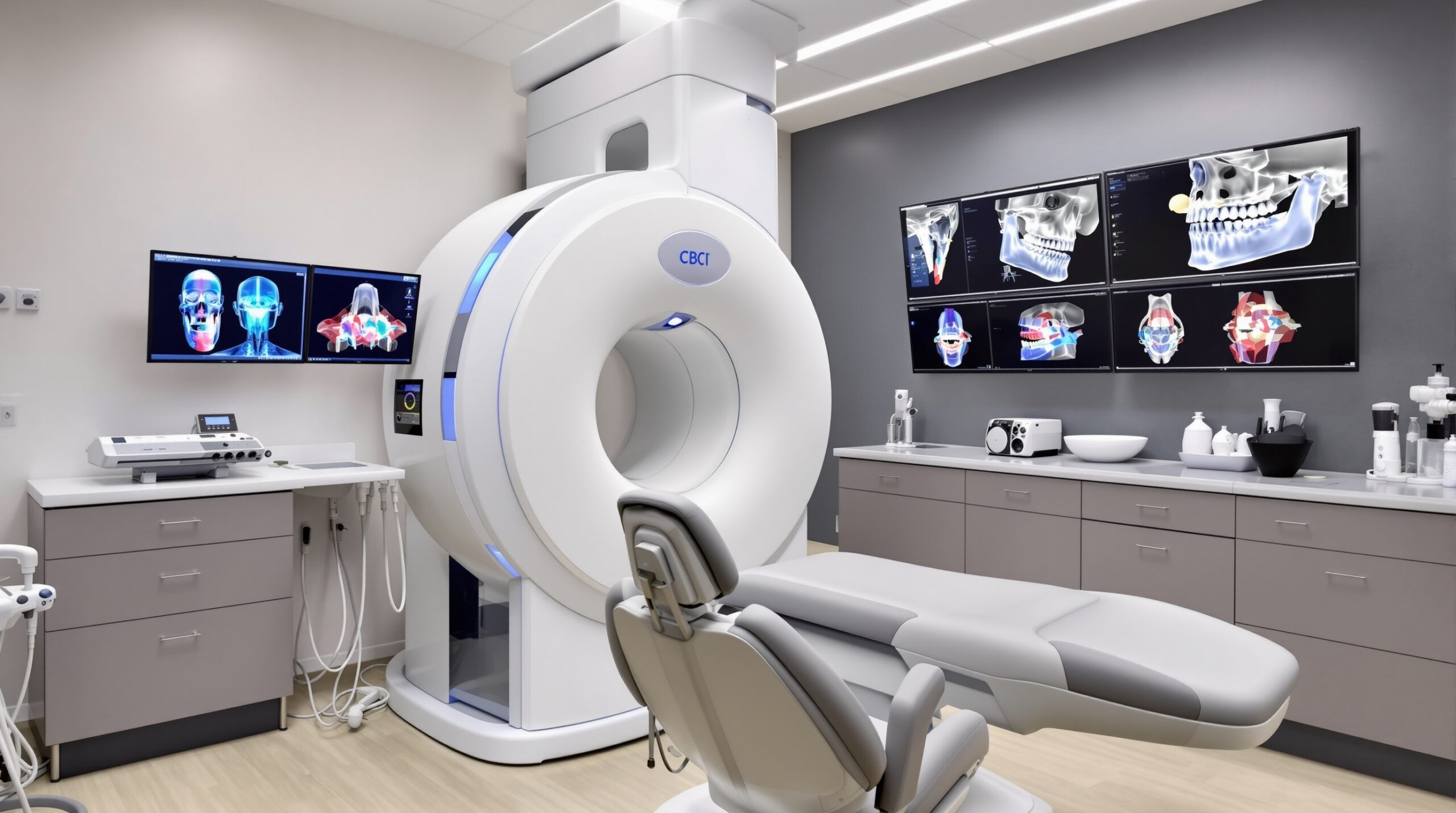
March 11, 2026 CBCT Workflow Orchestration: Beyond Imaging to Precision Quantification
Modern CBCT technology has evolved from simple imaging devices into sophisticated workflow orchestrators that define the future of precision dentistry. As we advance into 2026, the focus has shifted from “can we image it?” to “how precisely can we quantify it?” — a critical evolution for evidence-based digital dentistry.
The Evolution of CBCT as Workflow Orchestrators
Contemporary CBCT systems from leading manufacturers like Planmeca ProMax®, Carestream CS 9600, and Vatech PaX-i³D have transformed beyond mere imaging devices. These systems now integrate seamlessly with digital workflows, serving as central hubs for comprehensive treatment planning and execution.
Key Advancement Areas
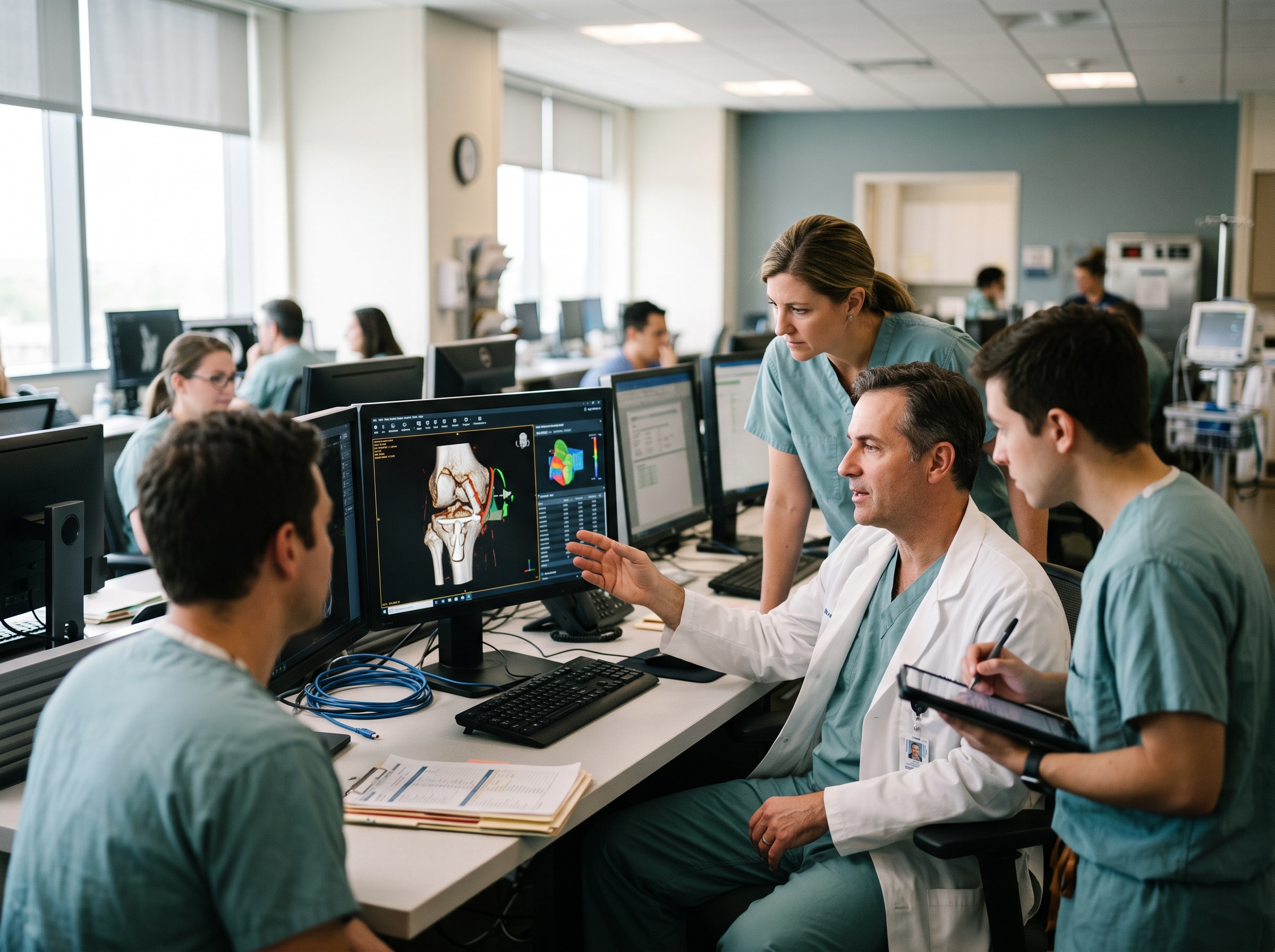
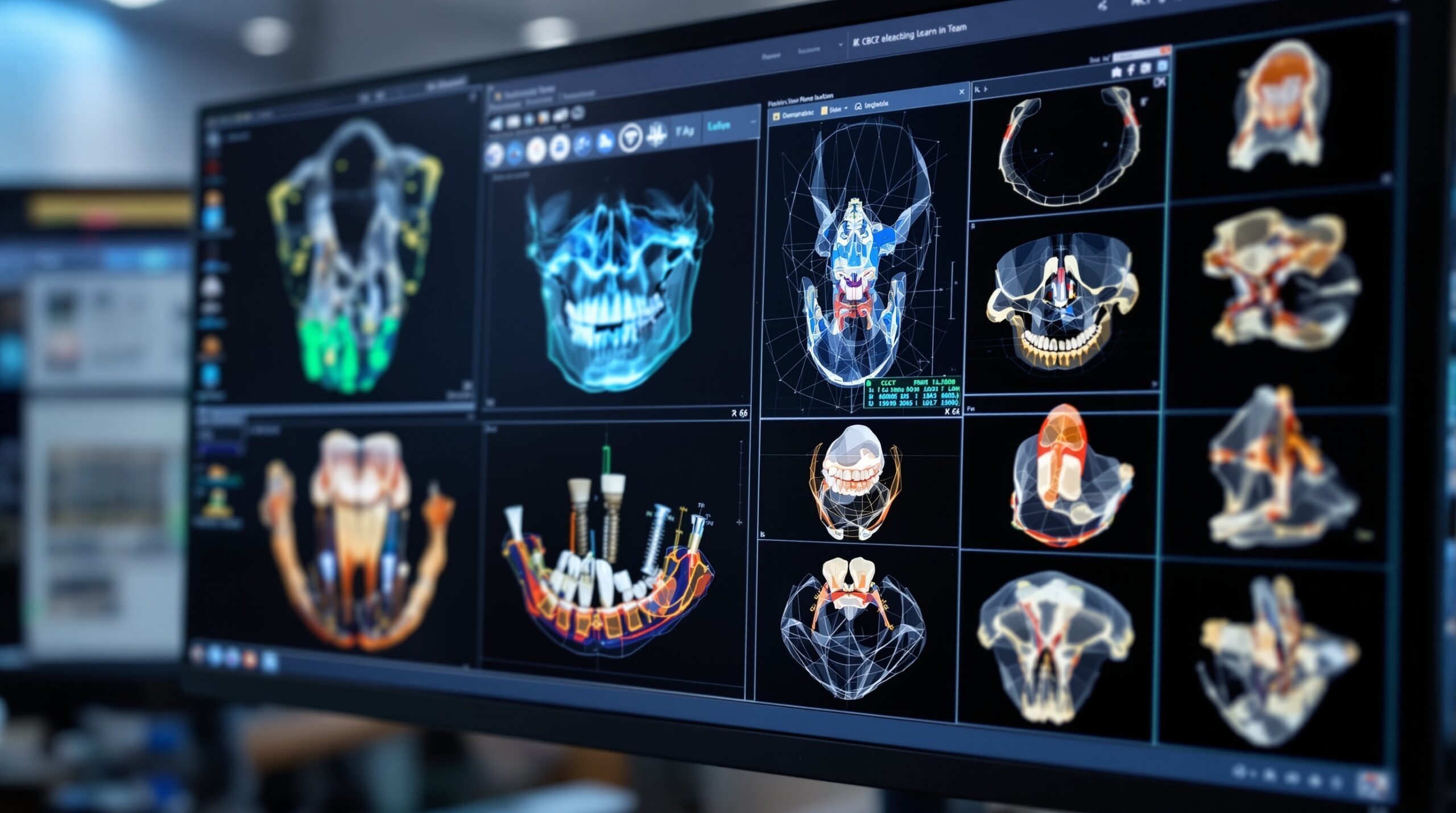
- Precision Quantification: Advanced algorithms now provide exact measurements for implant planning, bone density assessment, and anatomical analysis
- Workflow Integration: Seamless connectivity with CAD/CAM systems, digital impressions, and surgical guide fabrication
- Real-time Processing: Immediate reconstruction and analysis capabilities that enhance clinical efficiency
- Evidence-based Planning: Data-driven treatment decisions supported by comprehensive 3D analysis
Clinical Applications and Benefits
The transition to workflow-centric CBCT systems offers significant advantages across multiple clinical scenarios. Digital dental technologies, including intraoral scanners, 3D printing, and CAD/CAM systems, complement CBCT by enabling precise digital impressions and fabrication of surgical guides and custom restorations.
Enhanced Diagnostic Capabilities
Modern CBCT systems excel in providing detailed anatomical information that traditional 2D radiography cannot match. The precision quantification capabilities allow clinicians to:
- Accurately measure bone density and quality for implant site assessment
- Evaluate airway dimensions for sleep apnea screening
- Detect pathological changes in their earliest stages
- Plan complex surgical procedures with unprecedented accuracy

Technology Integration and Future Directions
The integration of artificial intelligence and machine learning algorithms into CBCT systems represents the next frontier in dental imaging. These technologies enable automated anatomical recognition, predictive analysis, and treatment outcome modeling.
Structured Light and Laser Triangulation Synergy
While structured light and laser triangulation technologies serve intraoral scanner applications for crown impressions, CBCT hardware focuses on reconstruction physics — establishing the gold standard for 3D maxillofacial imaging. This complementary relationship creates comprehensive digital workflows that bridge the gap between surface scanning and volumetric imaging.
Evidence-Based Digital Dentistry
The shift toward precision quantification supports the growing emphasis on evidence-based treatment planning. CBCT workflow orchestration enables clinicians to:
- Document treatment progress with quantifiable metrics
- Compare pre- and post-treatment anatomical changes
- Validate treatment outcomes with objective data
- Develop predictive models for treatment success
Implementation Considerations
Successful integration of advanced CBCT workflow systems requires careful consideration of clinical needs, technical infrastructure, and staff training. The investment in these sophisticated systems is justified by improved diagnostic accuracy, enhanced treatment planning capabilities, and better patient outcomes.
Training and Adaptation
The transition to workflow-orchestrated CBCT systems demands comprehensive staff training and gradual implementation strategies. Dental teams must adapt to new protocols that maximize the precision quantification capabilities while maintaining clinical efficiency.
Conclusion
CBCT technology in 2026 represents a paradigm shift from basic imaging to comprehensive workflow orchestration. The emphasis on precision quantification and evidence-based digital dentistry positions these systems as essential components of modern dental practice. As the technology continues to evolve, practitioners who embrace these advanced capabilities will be best positioned to deliver superior patient care and treatment outcomes.
The future of dental imaging lies not in simply capturing images, but in orchestrating complete digital workflows that transform how we diagnose, plan, and execute dental treatments. This evolution from “can we image it?” to “how precisely can we quantify it?” defines the next chapter in dental imaging excellence.
Sorry, the comment form is closed at this time.