


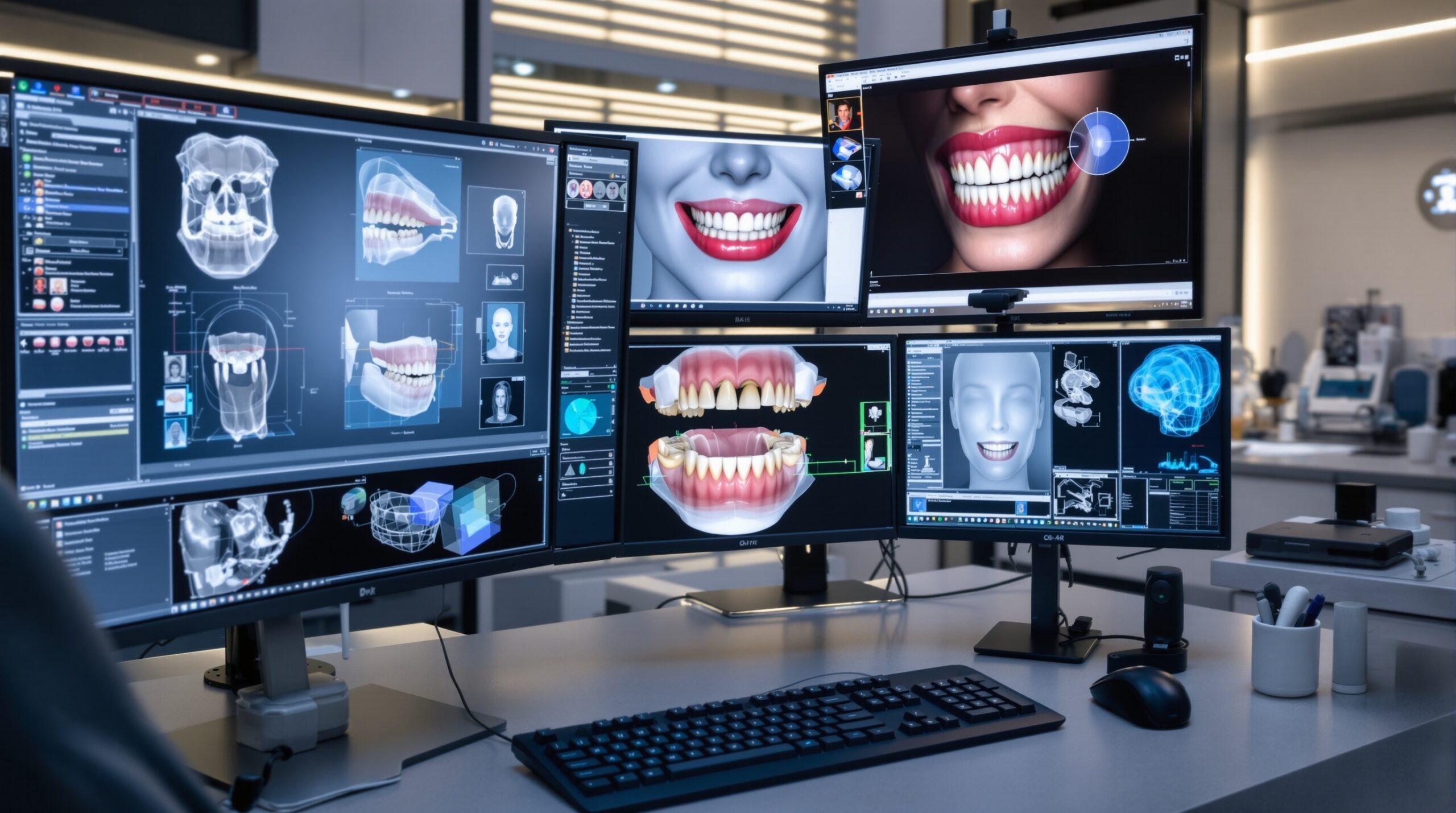
February 21, 2026 Digital Smile Design: How Advanced Imaging is Transforming Cosmetic Dentistry
Digital Smile Design: How Advanced Imaging is Transforming Cosmetic Dentistry
The integration of advanced digital imaging technology with cosmetic dentistry has revolutionized how practitioners approach smile design and aesthetic treatment planning. Digital Smile Design (DSD) represents a significant paradigm shift from traditional methods, offering unprecedented precision, predictability, and patient involvement in the aesthetic enhancement process. This sophisticated approach combines facial photography, dental imaging, and computer-aided design to create customized treatment plans that harmonize with individual facial features and patient preferences.
The Foundation of Digital Smile Design
Digital Smile Design is fundamentally a computerized application that integrates dental imaging with comprehensive facial photography analysis. The process begins with capturing high-resolution photographs and videos of the patient in various poses and expressions, providing a complete understanding of facial dynamics and aesthetic relationships. This comprehensive documentation serves as the foundation for creating digitally planned smile transformations that consider both static and dynamic facial features.
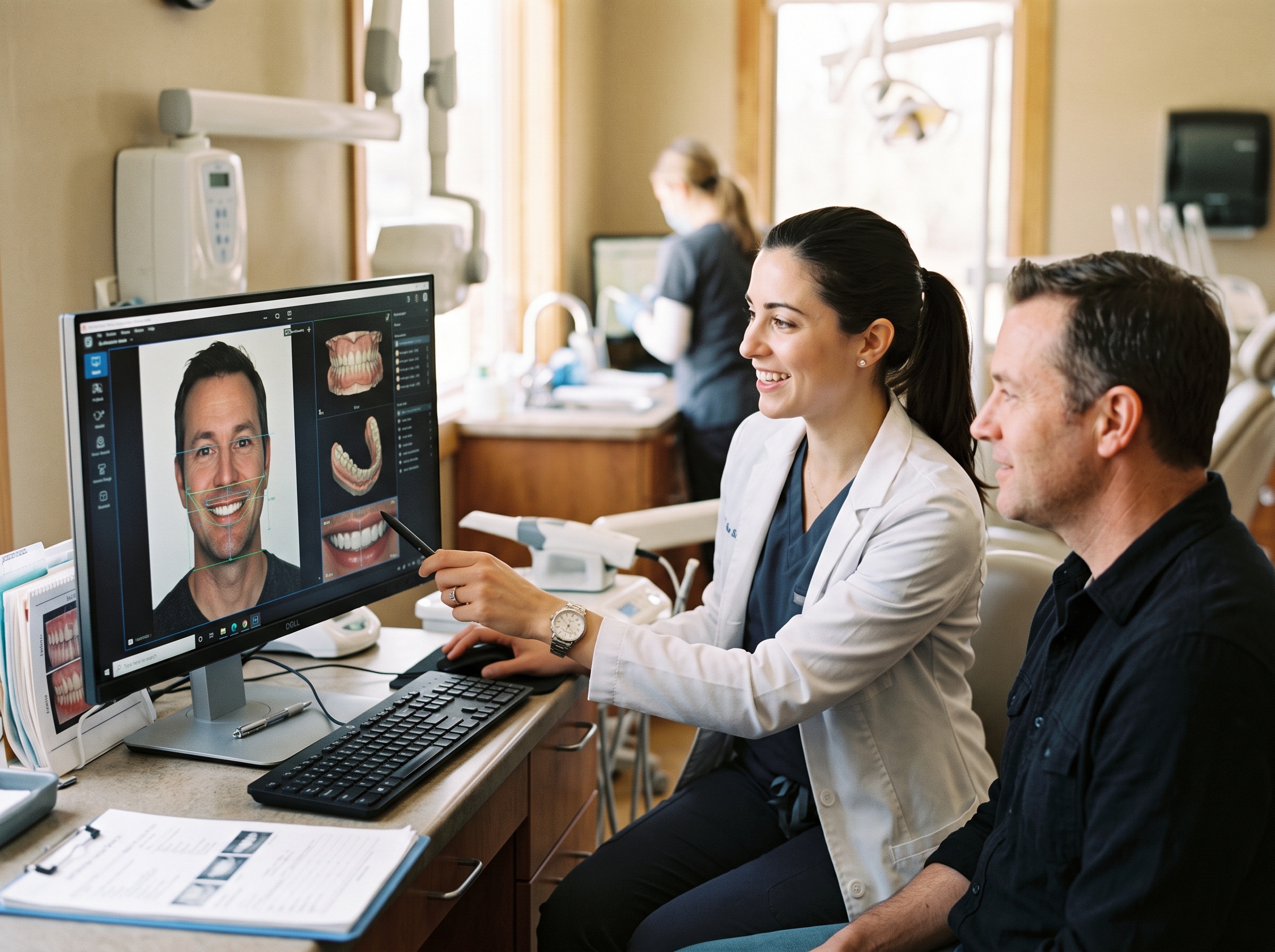
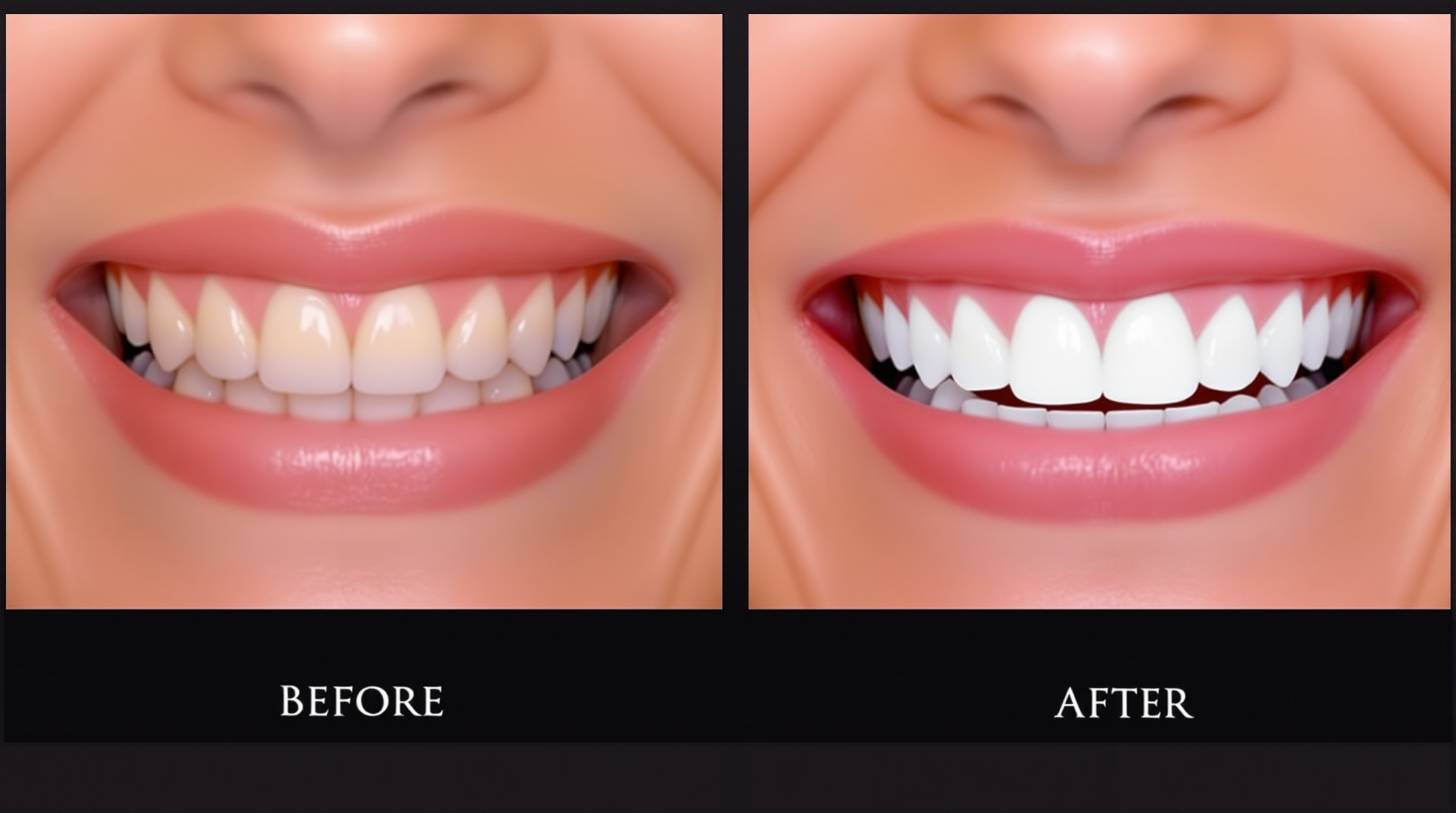
The technology examines critical aesthetic parameters including facial proportions, lip positioning, gingival contours, and tooth relationships. By analyzing these elements collectively, practitioners can design smiles that complement individual facial characteristics rather than applying standardized aesthetic templates. This personalized approach ensures that each treatment outcome appears natural and harmonious with the patient’s unique features.
Advanced Imaging Techniques and Technologies
Modern digital smile design relies on sophisticated imaging technologies that capture minute details impossible to detect through traditional assessment methods. High-resolution intraoral scanning provides precise three-dimensional models of existing dental anatomy, while facial scanning technology maps external contours and soft tissue relationships. These combined datasets create comprehensive digital representations that serve as the canvas for smile design.
Contemporary DSD software incorporates artificial intelligence algorithms that can analyze facial symmetry, identify optimal proportions, and suggest treatment modifications based on established aesthetic principles. Machine learning capabilities enable these systems to continuously improve their recommendations by analyzing thousands of successful treatment outcomes and aesthetic preferences.
Patient Communication and Education Revolution
One of the most significant advantages of digital smile design lies in its ability to transform patient communication and education. Traditional cosmetic dentistry consultations often required patients to imagine potential outcomes based on verbal descriptions or generalized before-and-after photographs. DSD technology enables practitioners to show patients precise visual representations of their proposed smile transformations before treatment begins.
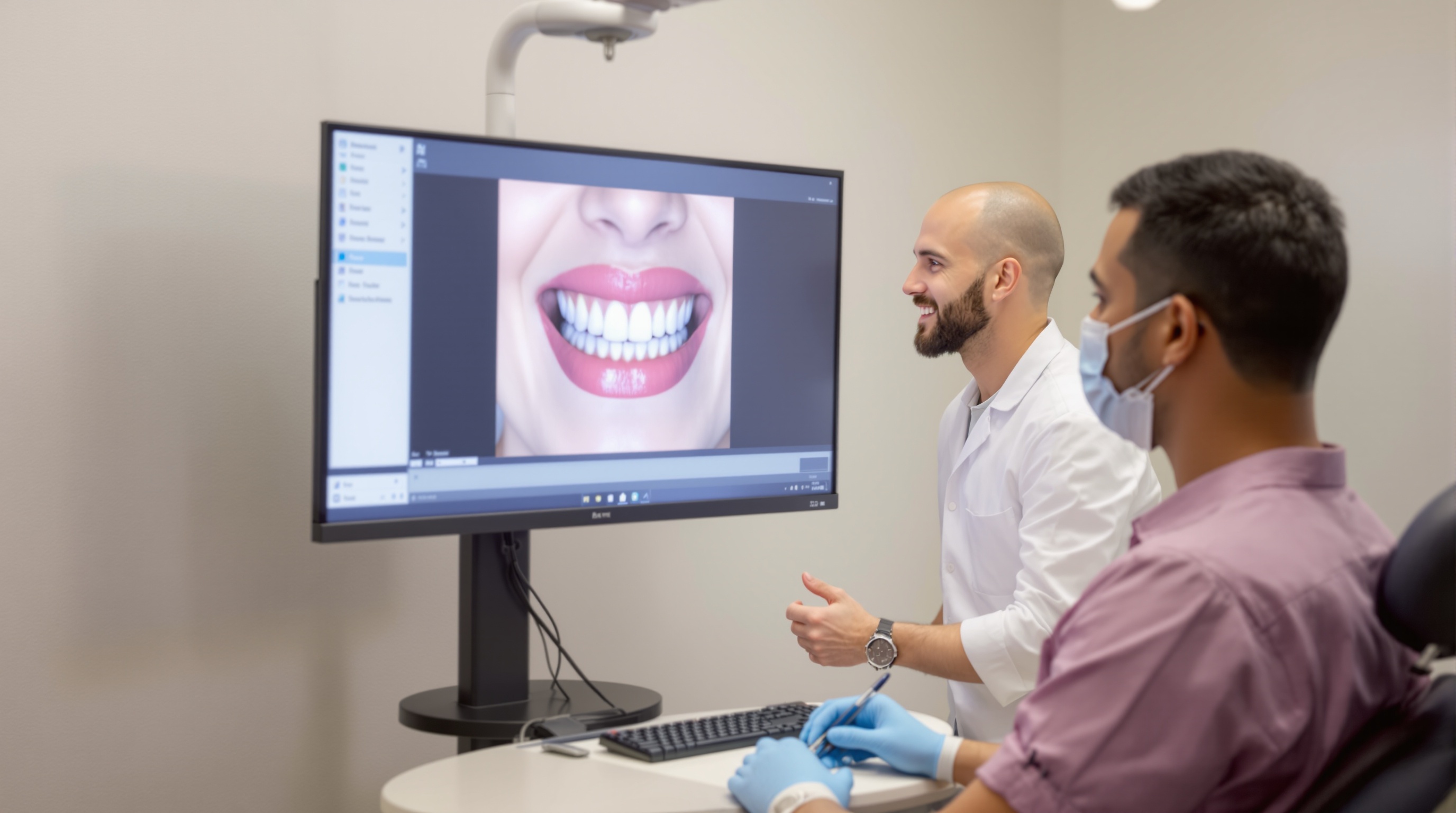
Interactive treatment planning sessions allow patients to view their potential results from multiple angles and make informed decisions about aesthetic preferences. This enhanced communication process significantly improves treatment acceptance rates and patient satisfaction levels. When patients can visualize their expected outcomes clearly, they develop realistic expectations and greater confidence in their treatment decisions.
Precision Treatment Planning and Execution
Digital smile design facilitates unprecedented precision in treatment planning by providing detailed measurements and specifications for every aspect of the aesthetic enhancement process. The technology can calculate optimal tooth dimensions, positions, and contours with mathematical precision, ensuring consistent and predictable results. This level of detail extends to gingival reshaping, orthodontic movements, and prosthetic fabrication specifications.
The integration of DSD with computer-aided design and manufacturing (CAD/CAM) systems enables seamless transition from digital planning to treatment execution. Digital treatment plans can be directly transmitted to dental laboratories or chairside manufacturing systems, ensuring that the final restorations precisely match the approved design specifications.
Interdisciplinary Collaboration and Communication
Complex cosmetic cases often require collaboration between multiple dental specialists, including orthodontists, periodontists, oral surgeons, and laboratory technicians. Digital smile design serves as a universal communication platform that enables all team members to visualize the treatment objectives and coordinate their interventions accordingly. This collaborative approach ensures that each phase of treatment contributes toward the overall aesthetic goals.
The digital format facilitates easy sharing and modification of treatment plans, allowing specialists to contribute their expertise while maintaining focus on the unified aesthetic outcome. This improved communication reduces treatment time, minimizes revisions, and enhances the predictability of complex interdisciplinary cases.
Quality Control and Outcome Assessment
Digital smile design technology provides sophisticated tools for quality control and outcome assessment throughout the treatment process. Practitioners can compare treatment progress against the original design specifications at any stage, ensuring that the final results match the approved plan. This capability is particularly valuable for complex cases involving multiple treatment phases or procedures.
Post-treatment assessment tools enable objective evaluation of aesthetic outcomes using quantitative measurements rather than subjective impressions. This data-driven approach to outcome assessment supports continuous improvement in treatment protocols and helps practitioners refine their aesthetic skills over time.
Integration with Modern Dental Workflows
Contemporary dental practices are integrating digital smile design technology into comprehensive digital workflows that streamline all aspects of patient care. From initial consultation through treatment completion, digital systems provide seamless connectivity between imaging, treatment planning, patient communication, and clinical execution. This integration improves practice efficiency while enhancing the overall patient experience.
Cloud-based platforms enable practitioners to access patient data and treatment plans from multiple locations, facilitating flexible scheduling and improved patient service. Mobile applications allow patients to view their treatment progress and communicate with their dental team between appointments, creating more engaged and satisfied patients.
Future Developments and Emerging Technologies
The field of digital smile design continues to evolve rapidly with emerging technologies promising even more sophisticated capabilities. Augmented reality systems are being developed that will allow patients to visualize their potential smile transformations in real-time through specialized viewing devices. Virtual reality platforms may soon enable patients to experience their new smiles in simulated social situations before committing to treatment.
Artificial intelligence development focuses on creating more intuitive and automated design systems that can generate optimal aesthetic solutions with minimal user input. Machine learning algorithms are being trained on vast databases of successful treatments to provide increasingly sophisticated design recommendations. These advances promise to make high-quality aesthetic dentistry more accessible while maintaining or improving treatment predictability and patient satisfaction.
Related Reading
- The Mathematics of the Smile: Golden Proportion, the RED, and the Imaging That Makes Beauty Measurable
- The Preview Becomes the Plan: AI Smile Design and the Automated Journey From Scan to Printed Mock-Up
- The Seductive Edge: How Sharpening, Contrast, and Noise Reduction Can Deceive on a Digital Dental Radiograph
Sorry, the comment form is closed at this time.