


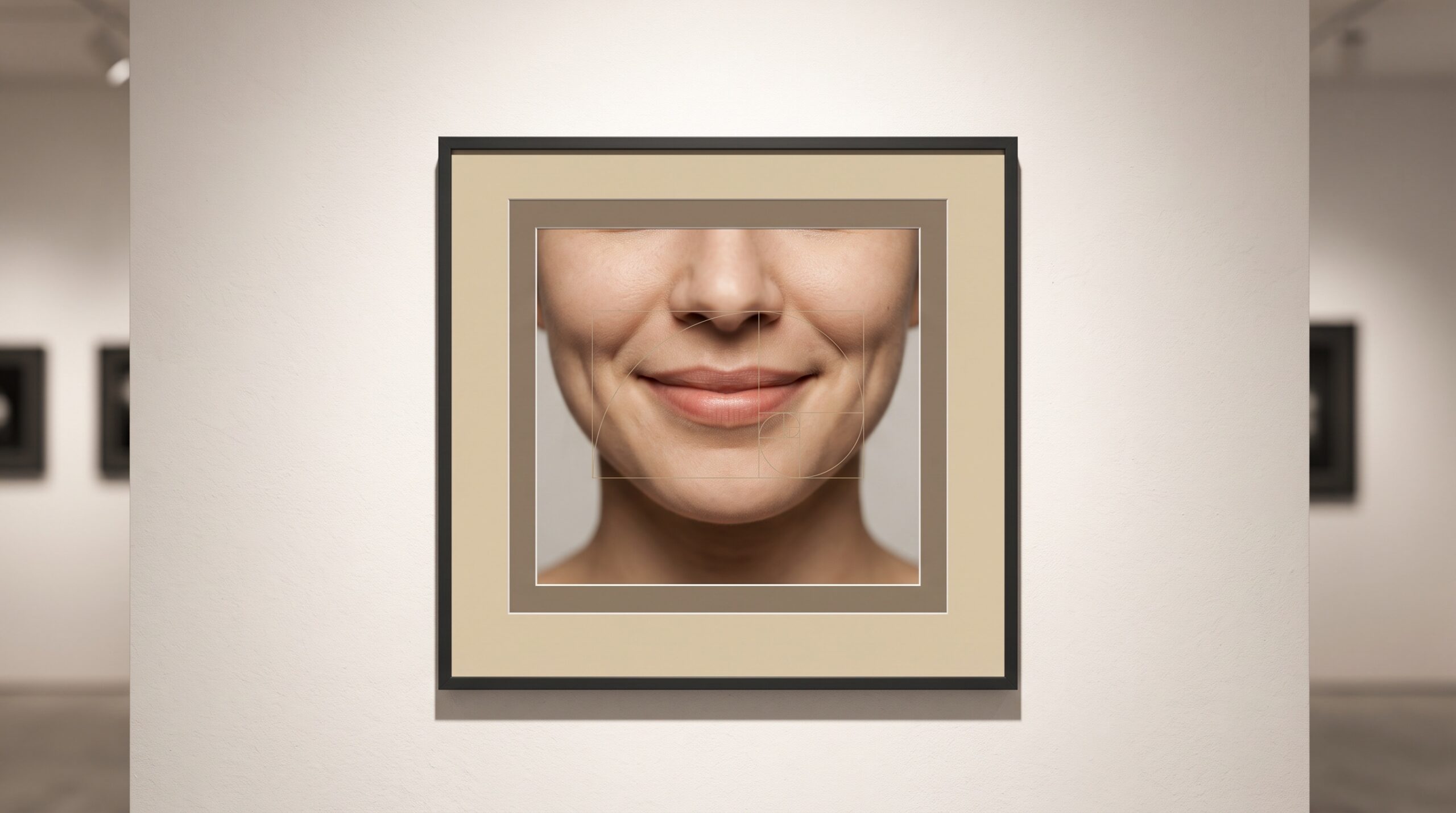
July 27, 2026 The Mathematics of the Smile: Golden Proportion, the RED, and the Imaging That Makes Beauty Measurable
There is a number that keeps reappearing wherever people have tried to define beauty. Painters divided their canvases by it, architects proportioned their facades to it, and botanists found it hiding in the spiral of a sunflower. It is phi, approximately 1.618, the golden ratio. When it is turned toward the human face and, more precisely, toward the anterior smile, something remarkable happens: an intuition we all share about which smiles look right becomes a geometry we can actually see and measure. And the instrument that makes it visible is not a compass or a caliper. It is the camera.
Phi, From the Parthenon to the Anterior Teeth
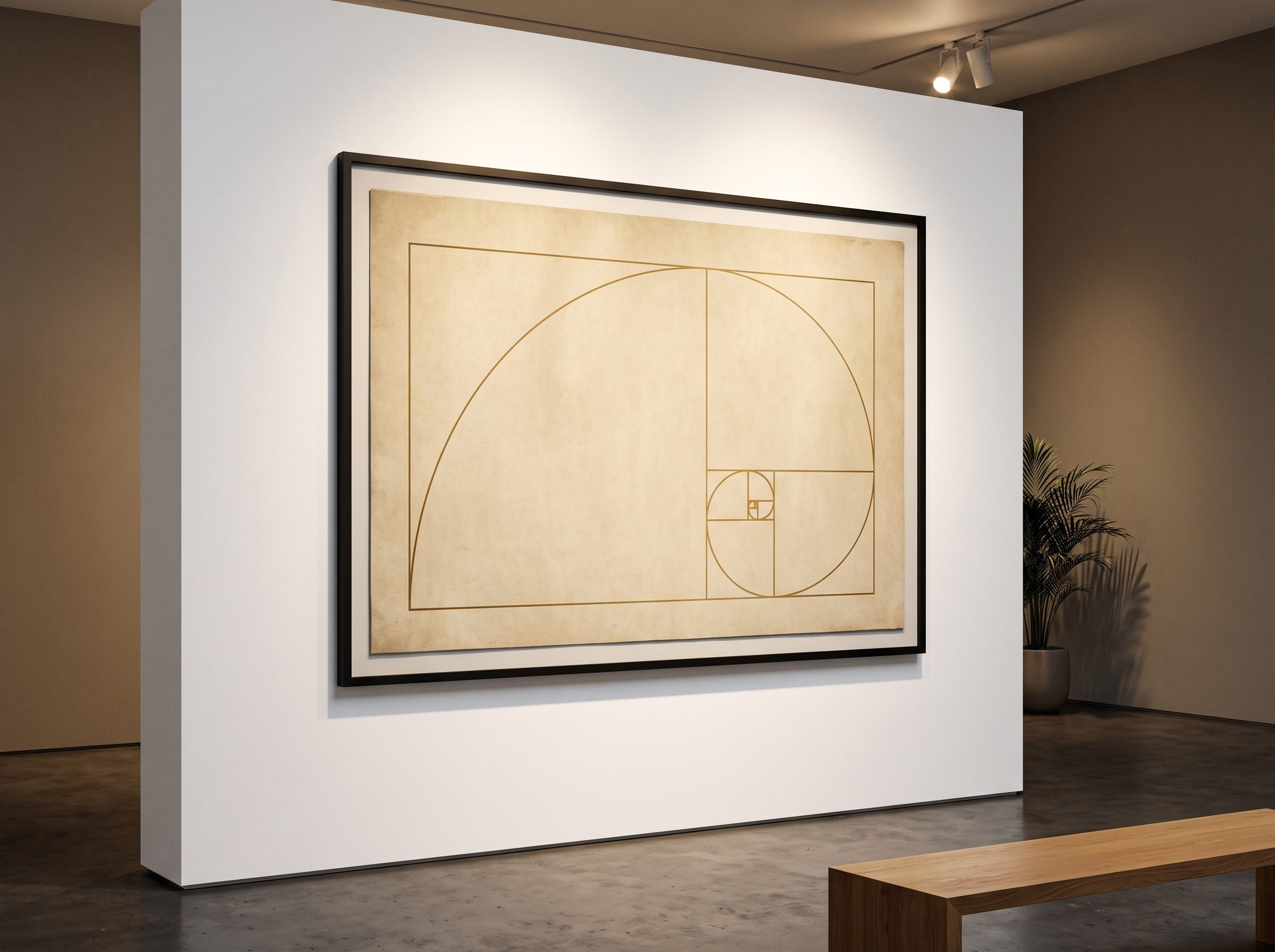
The golden ratio describes a specific relationship: a whole divided into two parts so that the larger part relates to the smaller exactly as the whole relates to the larger. That single recurring proportion, roughly 1.618 to 1, has been credited, sometimes generously, with the harmony of the Parthenon, the compositions of Renaissance painters, and the unfurling of nautilus shells. Its appeal is that it feels balanced without feeling monotonous.
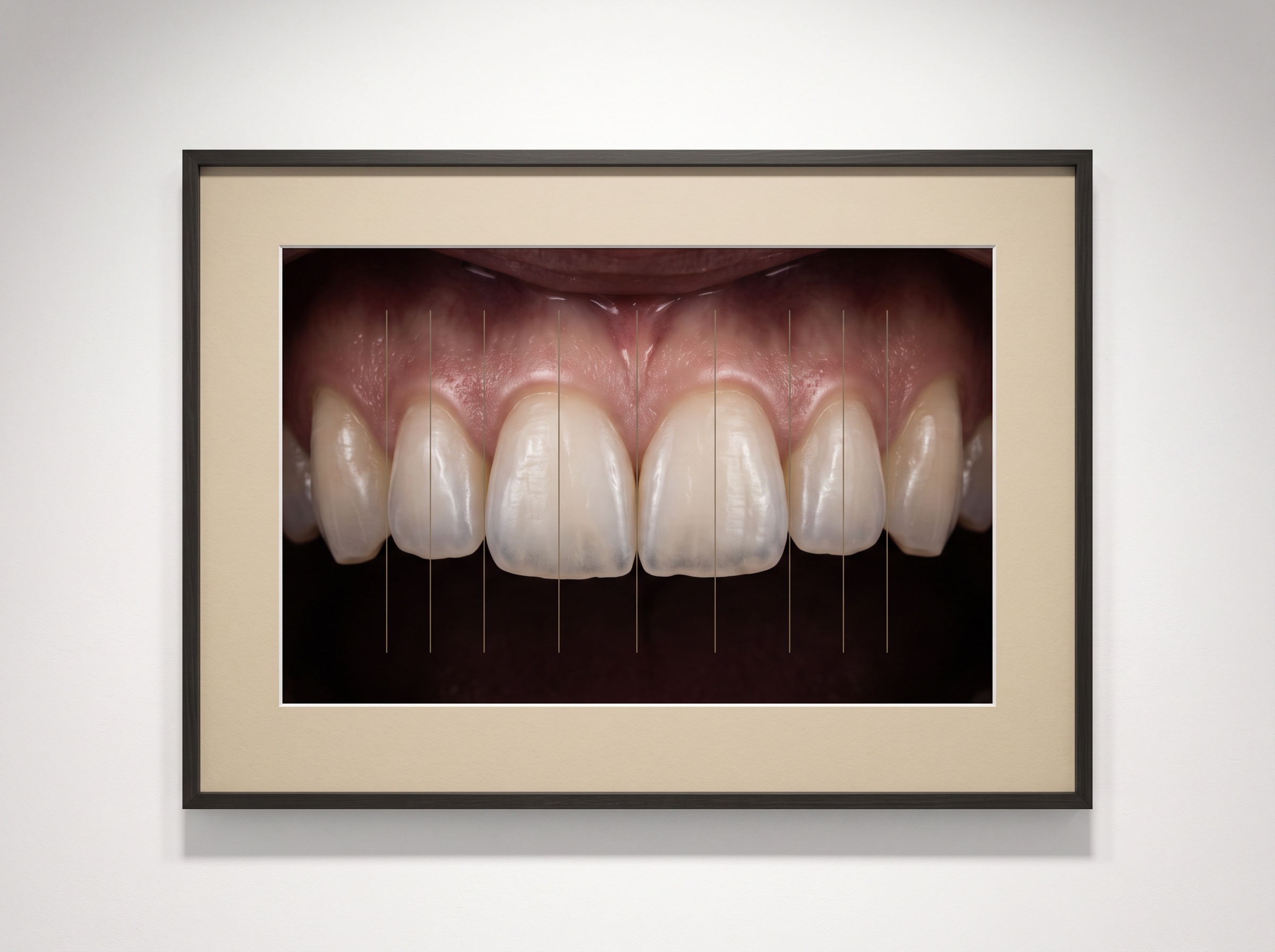
Applied to the smile, the idea is elegant. Viewed straight on, the front teeth appear to diminish in width as they recede toward the corners of the mouth. Proponents of the golden proportion proposed that each tooth should appear about sixty-two percent as wide as its neighbor toward the midline: the lateral incisor showing roughly sixty-two percent of the central incisor’s apparent width, and the visible portion of the canine showing roughly sixty-two percent of the lateral. Central to lateral to canine, the same ratio recurring, a small visual cadence that the eye reads as order.
The RED Refinement: A Guideline, Not a Law
The trouble with a single fixed number is that faces are not manufactured. Clinicians who measured a great many genuinely beautiful smiles found that few of them obeyed sixty-two percent with any discipline, and that imposing it rigidly could produce teeth that looked oddly short and narrow, correct on paper and lifeless in the mouth.
From that critique came the Recurring Esthetic Dental proportion, the RED. Its insight is subtle but liberating: what matters is not the specific value but the consistency of the ratio as it recurs from tooth to tooth. The clinician is free to choose that constant. A higher proportion, in the region of seventy percent, keeps the ratio recurring while yielding taller, fuller, more natural teeth, especially flattering in longer faces. The golden proportion, in this reading, is not a rule to be enforced but a starting point to be adjusted. It gives the eye a grammar; the clinician still writes the sentence.
How Imaging Makes the Geometry Real
All of this remains philosophy until an image pins it down, and here the discipline of capture matters enormously. These proportions describe apparent width, the width a tooth presents to a viewer looking straight at the smile, not the true width one would measure on a plaster cast. Apparent width is a creature of perspective, and perspective is unforgiving of sloppy photography.
A frontal portrait shot too close, or with a short focal length, exaggerates the central teeth and compresses the ones curving away, quietly corrupting every ratio derived from it. A standardized, calibrated frontal photograph, made with an appropriate lens at an honest working distance and squared to the facial midline, keeps those relationships intact. Only then can digital smile design software lay its overlays and grids across the image and let apparent widths be read as they truly are. The measurement is only as trustworthy as the photograph beneath it; imaging here is not documentation after the fact but the very foundation of the analysis.
From Overlay to Treatment Plan
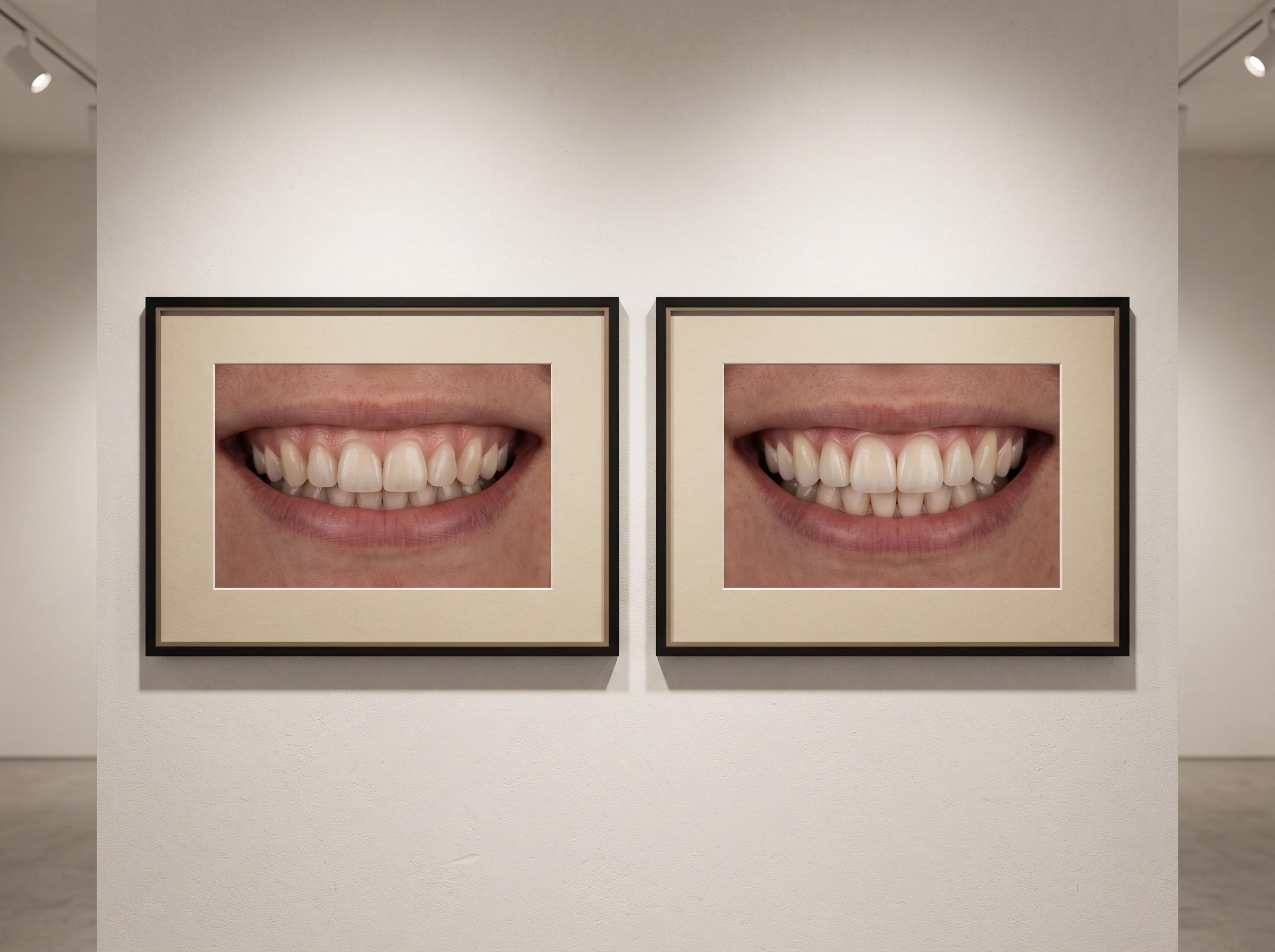
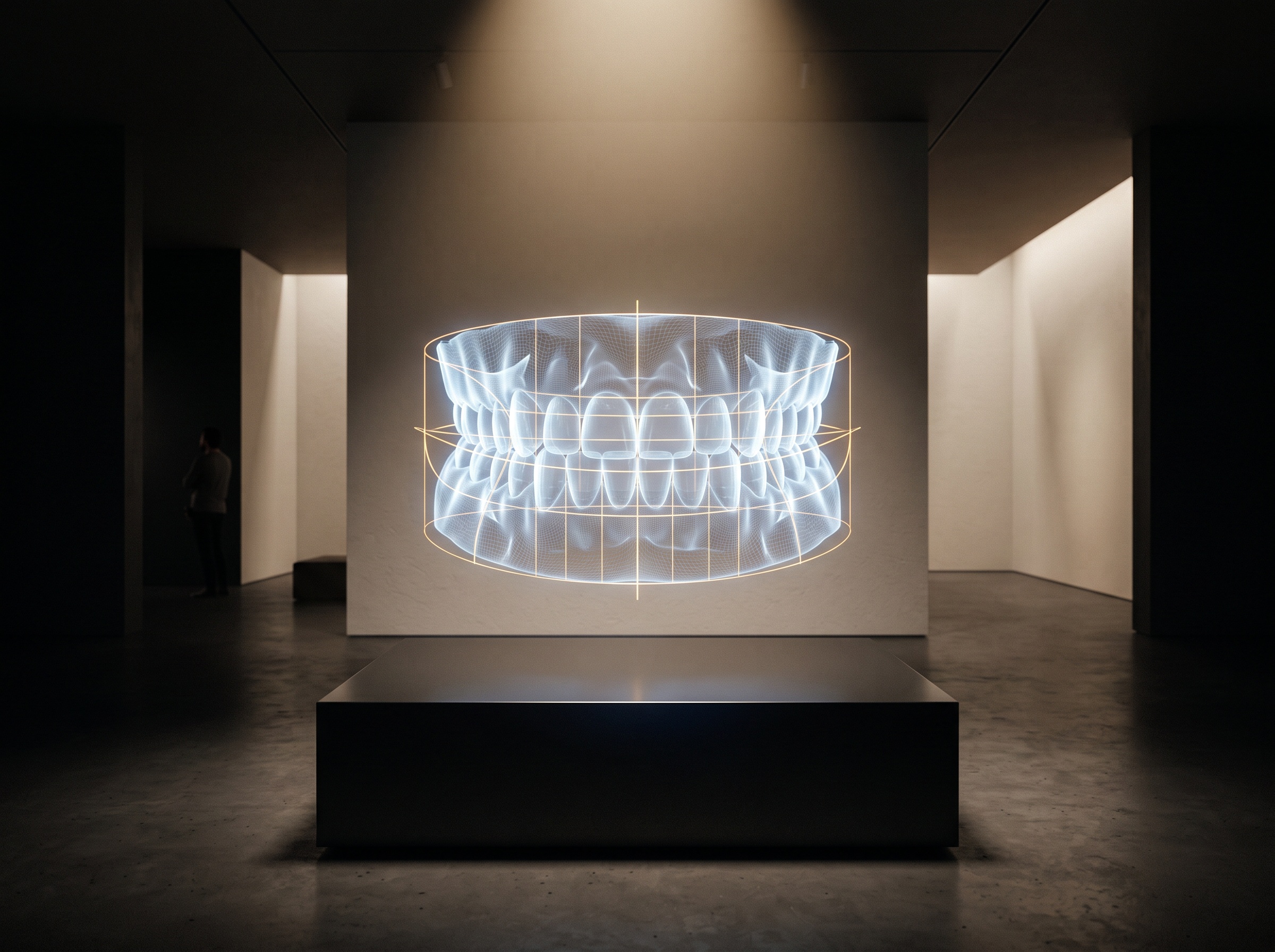
Once the frontal image is captured honestly and the grid is in place, the abstraction becomes a working tool. Planning veneers, crowns, or a full smile makeover ceases to be a matter of the clinician’s private intuition and becomes a shared, visible proposition. A recurring proportion can be chosen, the apparent widths adjusted within the overlay, and the outcome previewed before a single tooth is prepared.
The image also becomes a common language. A patient who cannot picture what a two-millimeter change means can see it instantly on a proportioned overlay of their own smile. The laboratory technician, working remotely, receives not a vague instruction to make the smile more balanced but a calibrated reference with the intended geometry made explicit. The photograph turns three separate imaginations, clinician, patient, and ceramist, toward a single agreed composition. This is where mathematics, perception, and craft meet: the number provides the discipline, the eye provides the judgment, and the image holds them together.
Future Developments
The next chapter belongs to systems that analyze proportion the moment the shutter closes. Machine learning models trained on large libraries of pleasing smiles are beginning to propose recurring ratios suited to a particular face rather than reciting a textbook constant, flagging where a smile departs from harmony and suggesting where it might return. Real-time overlays promise a viewfinder that draws proportion guides as the clinician composes, and three-dimensional smile design is lifting the analysis off the flat photograph entirely, letting proportion be studied as the head turns and the light moves, the way a real face is actually seen.
Yet the more precise these instruments become, the more clearly they reveal what they cannot decide. Phi can measure a smile; it cannot want one. The golden proportion and the RED are not verdicts but frames, ways of making the invisible logic of a beautiful smile visible enough to discuss, refine, and share. To advance dental imaging is to sharpen that frame without mistaking it for the picture, to treat the radiograph and the portrait as both measurement and art, and to remember that the final proportion worth pursuing is not the one that satisfies the equation but the one that looks, to a living face in a mirror, unmistakably like their own.
Sources & further reading:
Sorry, the comment form is closed at this time.