


September 20, 2026 The Smile That Moves: 4D Facial Capture and the Craft of Photographing a Dynamic Smile
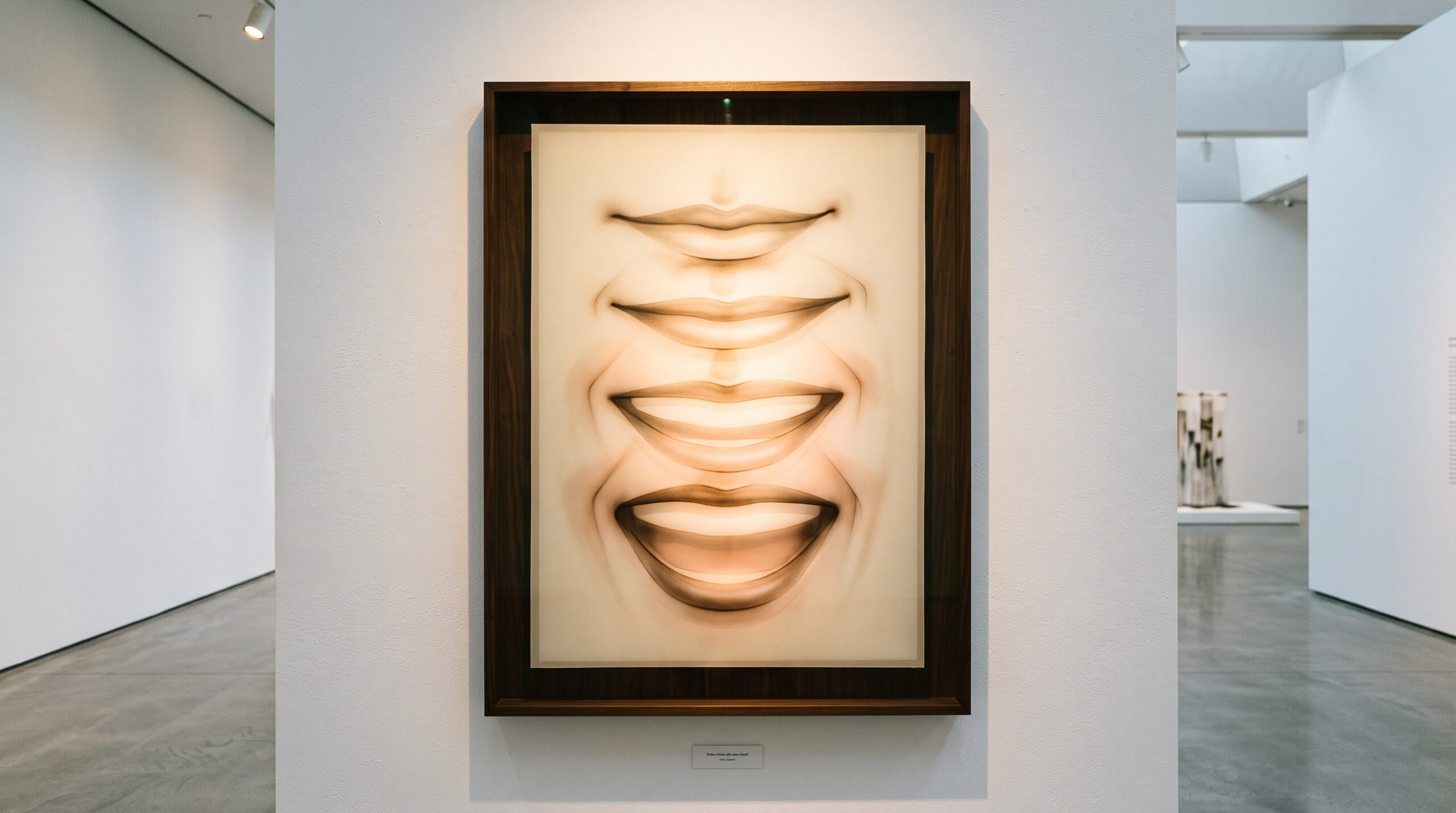
Almost every clinical photograph we take of a smile asks the patient to do something a smile never actually does: hold still. We say “big smile,” wait for the pose to settle, and press the shutter on a single held instant. It is a useful fiction, and a great deal of esthetic dentistry has been planned from it. But a smile is not a pose. It is a movement – a brief, faintly asymmetric event that begins at repose, gathers through speech, and blooms into the open display of a laugh before falling away again. The thing we most want to understand about a patient’s smile is the one thing a still frame is constitutionally unable to show: how it moves. Four-dimensional facial capture is the attempt to record that movement itself, and in doing so it quietly redraws what a portrait of the mouth can be.
The Limits of the Frozen Frame
A static portrait is a slice through time, and the slice is chosen almost arbitrarily. Ask ten patients for their “best” smile and you will freeze ten different points along a continuous motion – some caught mid-rise, some at a guarded social smile, few at the genuine, eye-crinkling display that appears only in unguarded laughter. The problem is not that the still is inaccurate; it is that it is incomplete in a specific and consequential way. The dimension it omits – time – is precisely the dimension in which the smile exists as an experience. A restoration designed to look ideal in the posed frame can read as too long, too short, or subtly off when the lips are actually moving, because it was fitted to a moment the patient rarely occupies. To photograph only the pose is to study a dancer from a single snapshot and hope to understand the dance.
Adding the Fourth Dimension
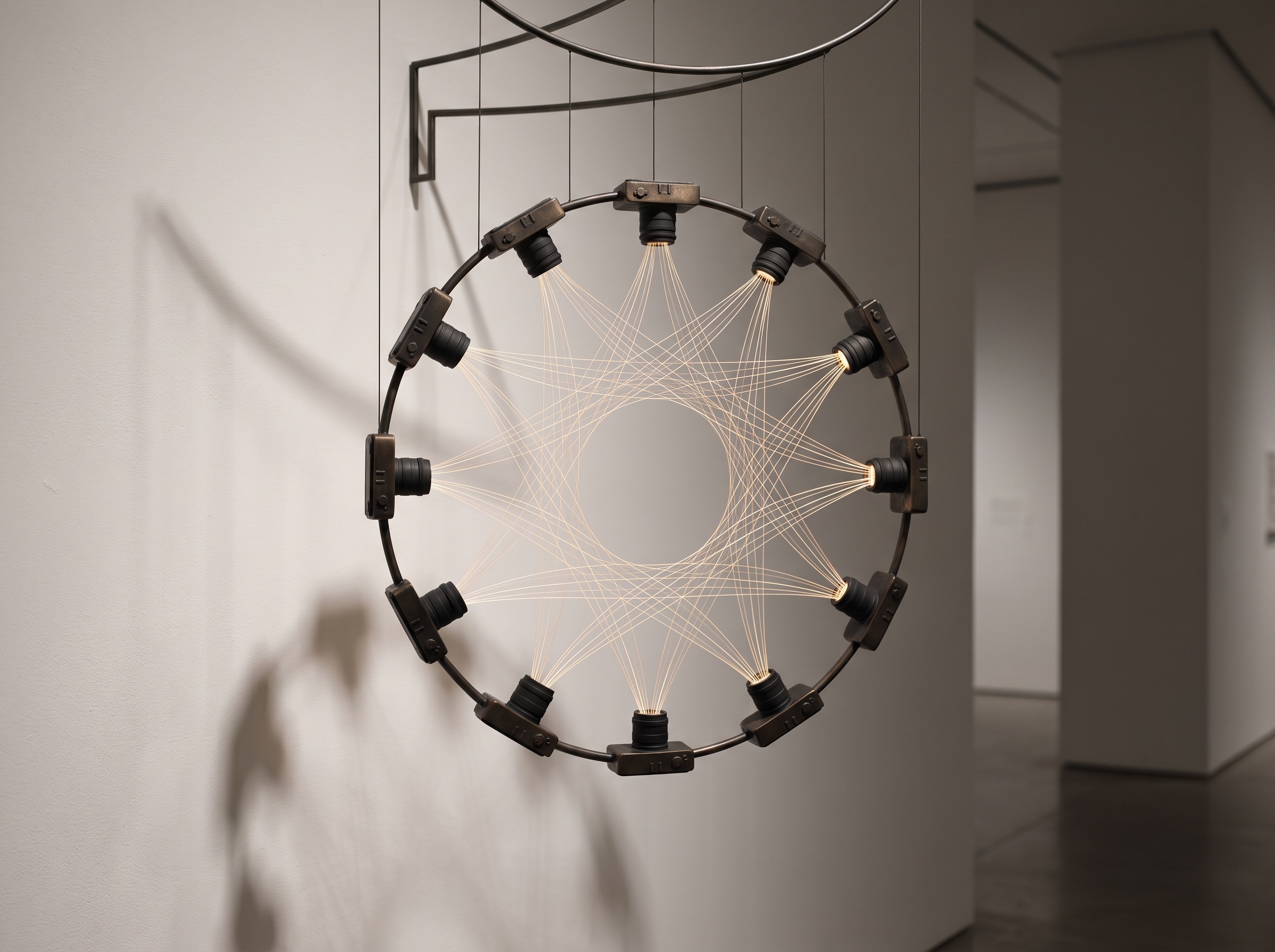
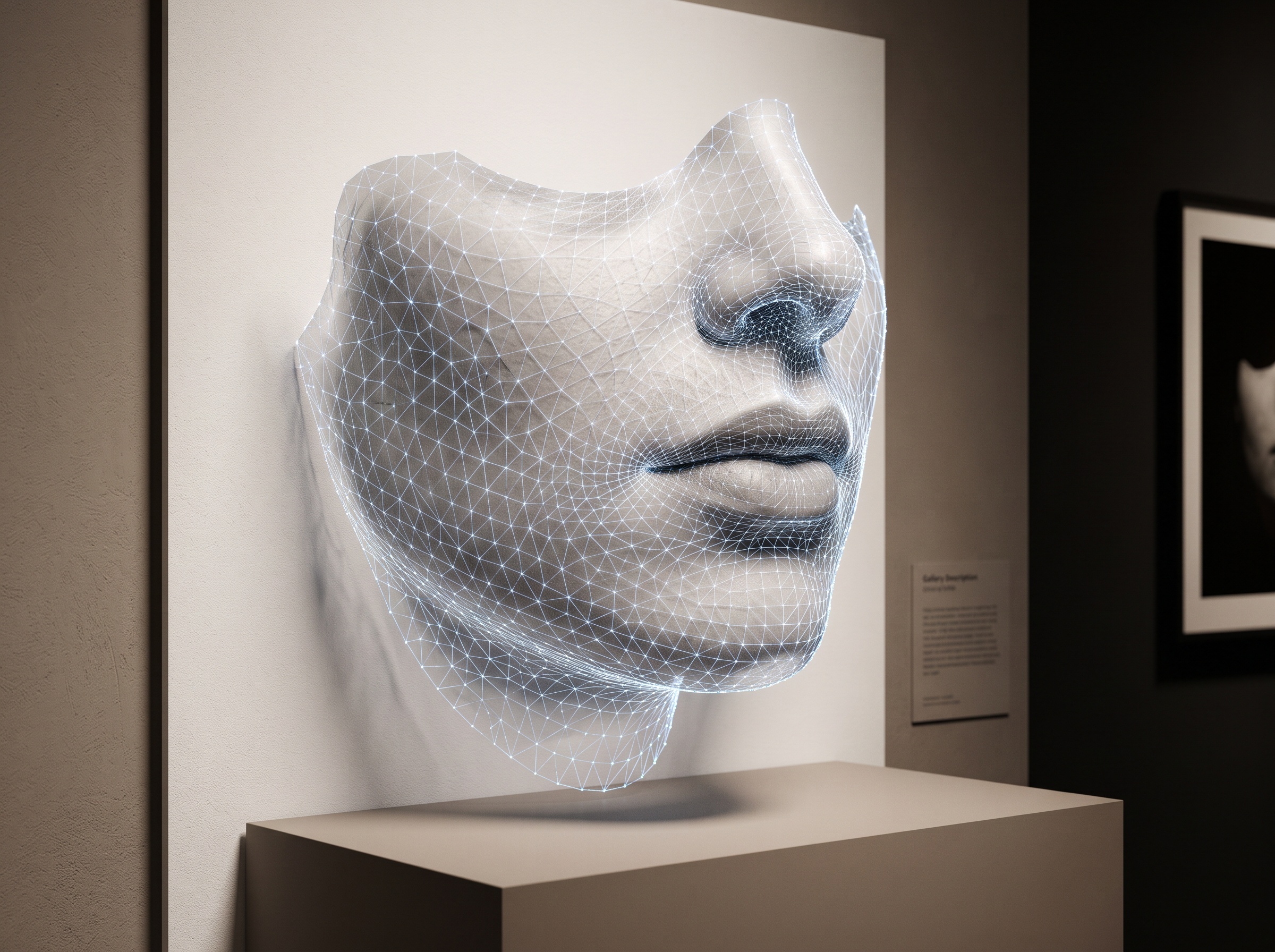
Three-dimensional facial imaging already exists and is familiar: stereophotogrammetry reconstructs a textured surface of the face from several cameras that see it at once, triangulating a dense mesh from overlapping viewpoints. Four-dimensional capture adds time to that surface. Instead of one reconstruction, a synchronized array of cameras – or a structured-light or high-speed video system – captures many complete 3D surfaces per second and stitches them into a continuous, textured sequence. The output is not a photograph, and not even a single 3D model, but a moving portrait: a mesh whose every vertex is resolved through time, wrapped in real photographic texture, that can be replayed, paused, and measured at any instant. The optical demands are considerable. The cameras must be calibrated to a common coordinate frame and shuttered in near-perfect synchrony, because a few milliseconds of drift between viewpoints smears the reconstruction of a fast-moving lip. Getting that geometry right is what separates a crisp moving surface from a shimmering approximation.
What Motion Reveals
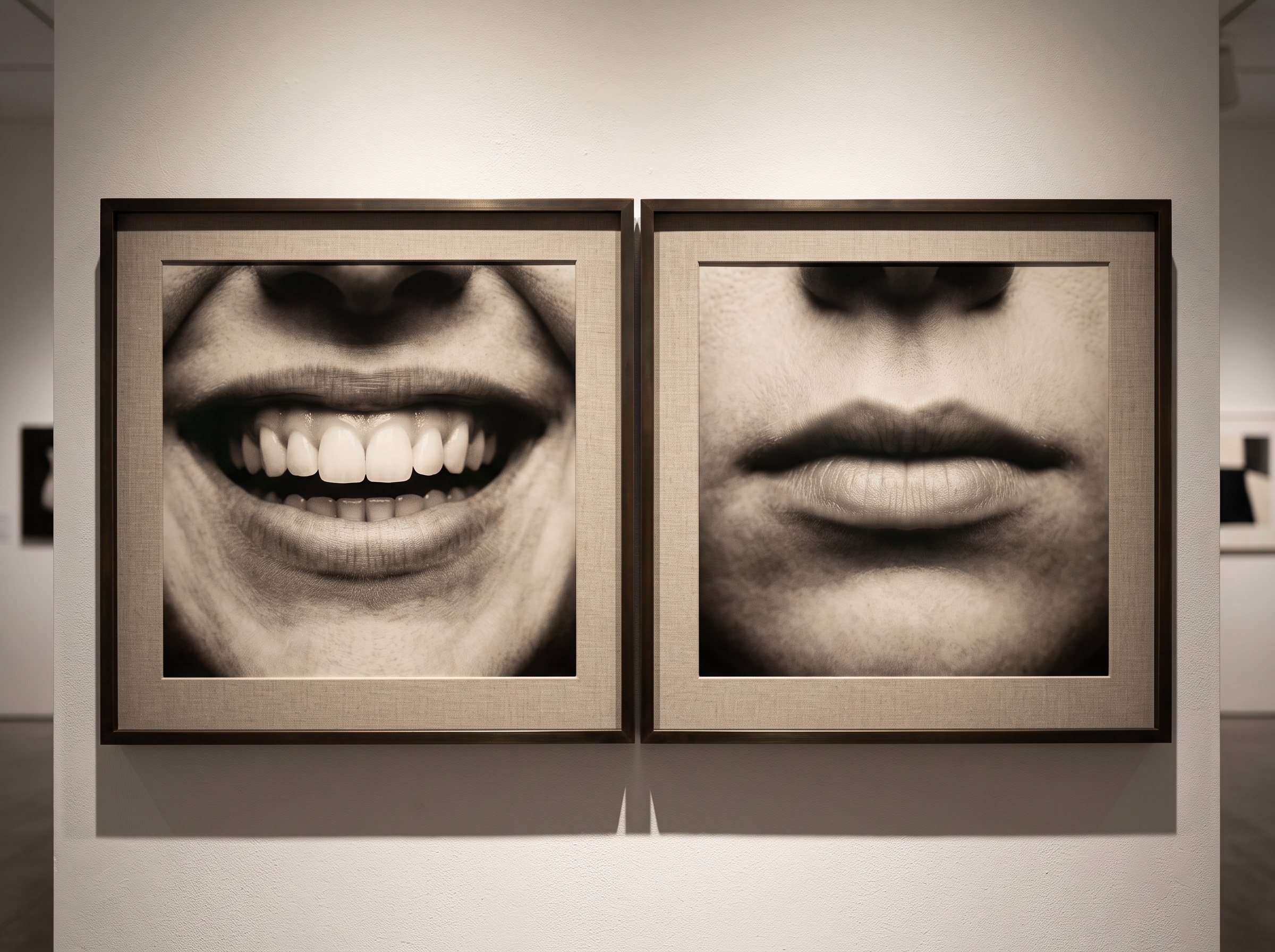
The reason to go to that trouble is that motion carries diagnostic and esthetic information stasis cannot. The display of the incisal edges during speech – how much tooth shows on an “f” or a “v,” where the lower lip meets the upper teeth – is a dynamic measurement that governs how natural a restored edge position will look and sound. The true extent of gingival display, the so-called gummy smile, often appears only at a full social or Duchenne smile and is entirely absent from a cautious posed frame, so planning around the pose can miss it completely. Lip dynamics and lip support, the way the soft tissue drapes and lifts, decide whether added tooth structure will be framed flatteringly or crowd the lip. And animation asymmetries – a commissure that lifts unevenly, a smile that pulls slightly to one side – are invisible in a symmetric held pose and obvious the moment the face moves. This is the quiet difference between a restoration that looks alive and one that looks staged: the living smile was consulted, not just the frozen one.
From Capture to Plan
A dynamic record does not replace the static analysis that esthetic planning has long relied on; it completes it. The geometry of proportion – the width relationships, the incisal curve, the framework explored in the mathematics of the smile and the golden proportion that makes beauty measurable – remains the scaffolding on which a design is built. What 4D capture adds is a way to test that scaffolding against behavior. A proposed incisal edge position can be checked not only at rest but through the arc of a real smile and the shapes of speech, so a digital smile design is validated in motion rather than approved at a single frozen pose. The static frame tells you what the smile should be; the moving one tells you whether the plan survives contact with how this particular face actually animates. Used together, they turn a proposal into something closer to a rehearsal.
The Craft Behind the Capture
For all its sophistication, a 4D capture obeys the same disciplines that govern any trustworthy clinical image, only multiplied. Illumination must be even and controlled across the whole capture volume, because the texture mapped onto the moving mesh is still a photograph and still fails under bad light – the reasoning behind the deliberate lighting choices in advanced twin-point flash illumination for dental photography. The subject must be positioned and framed to a repeatable standard, because a sequence captured off-axis inherits every distortion a single off-axis still would, which is exactly the compositional rigor argued in composing the clinical portrait around framing and the midline. And the whole record is only comparable to a later one if both were captured to the same protocol, the discipline formalized in standardized clinical photography protocols. Add time to the image and you do not escape these demands; you commit to meeting them dozens of times a second, across a moving target. The craft is in making that look effortless.
Future Developments
Today the finest 4D capture still lives in dedicated multi-camera rigs, and it will remain the reference standard for demanding esthetic and research work. But the interesting motion is toward the chairside. Depth-sensing cameras already sit in consumer phones, and while their fidelity is a fraction of a calibrated array, they are enough to bring crude markerless motion capture into an ordinary operatory – a short clip of a patient speaking and smiling that reconstructs into a rough moving surface. Behind that sits the more consequential prospect: software that quantifies smile dynamics automatically, tracing the lift of each commissure, flagging an animation asymmetry, and measuring incisal display through speech without a clinician marking a single landmark. The trajectory is clear enough. Imaging is moving from freezing the smile to following it – from the held pose we have always asked patients to perform toward the living expression they actually wear. At PatientGallery we have always treated the image of the mouth as a made thing, composed and lit with intent. The next portrait simply adds the dimension the still frame always left out, and lets us see the patient not as they hold still, but as they live.
Sorry, the comment form is closed at this time.