


April 3, 2026 Infrared Thermography in Dentistry: Radiation-Free Diagnostic Imaging for Early Detection
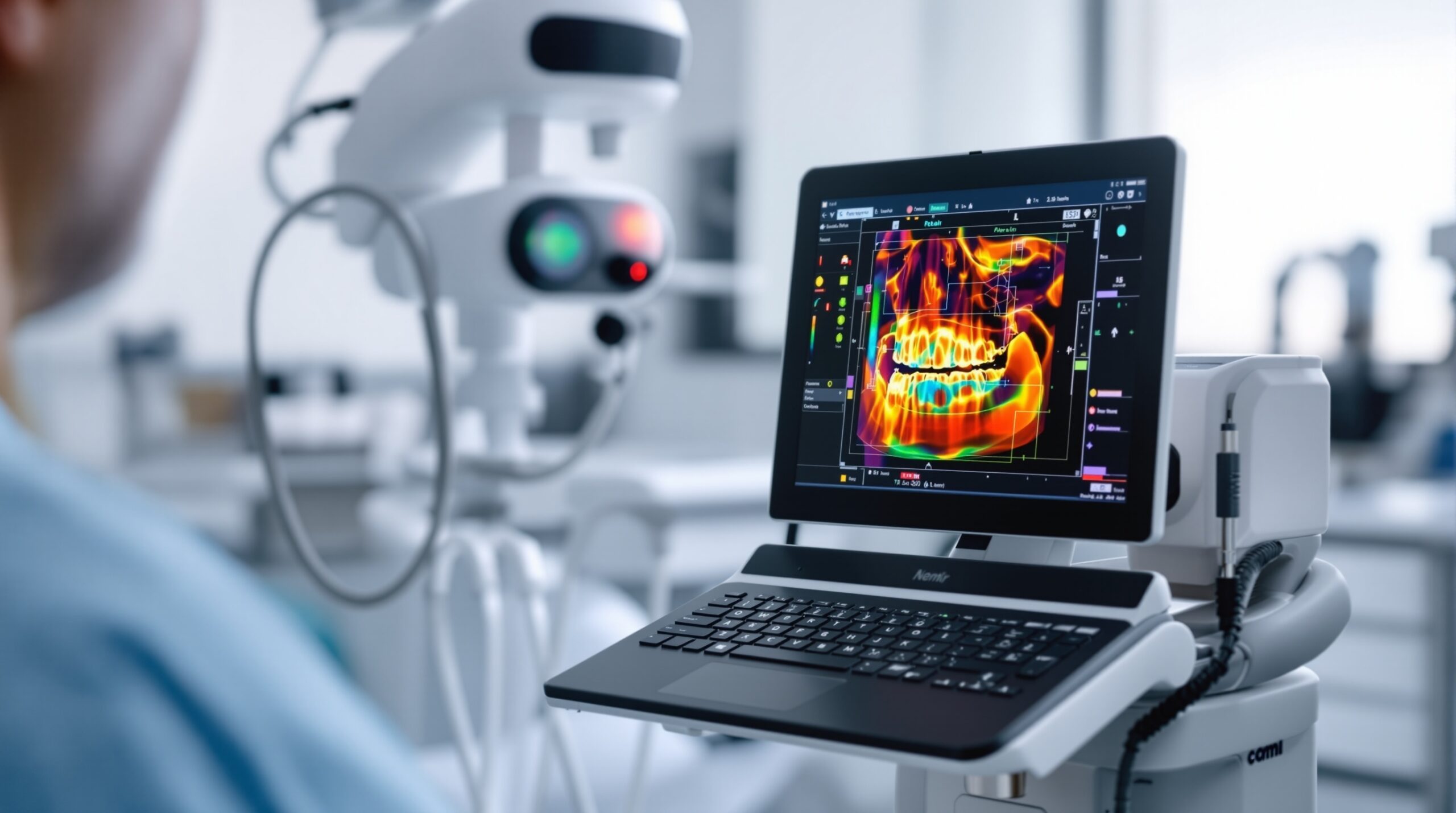
Infrared thermal imaging, also known as thermography, is emerging as a revolutionary diagnostic tool in modern dentistry. This radiation-free imaging technology offers clinicians the ability to detect inflammatory conditions, assess blood supply variations, and monitor healing processes without exposing patients to ionizing radiation.
Understanding Dental Thermography
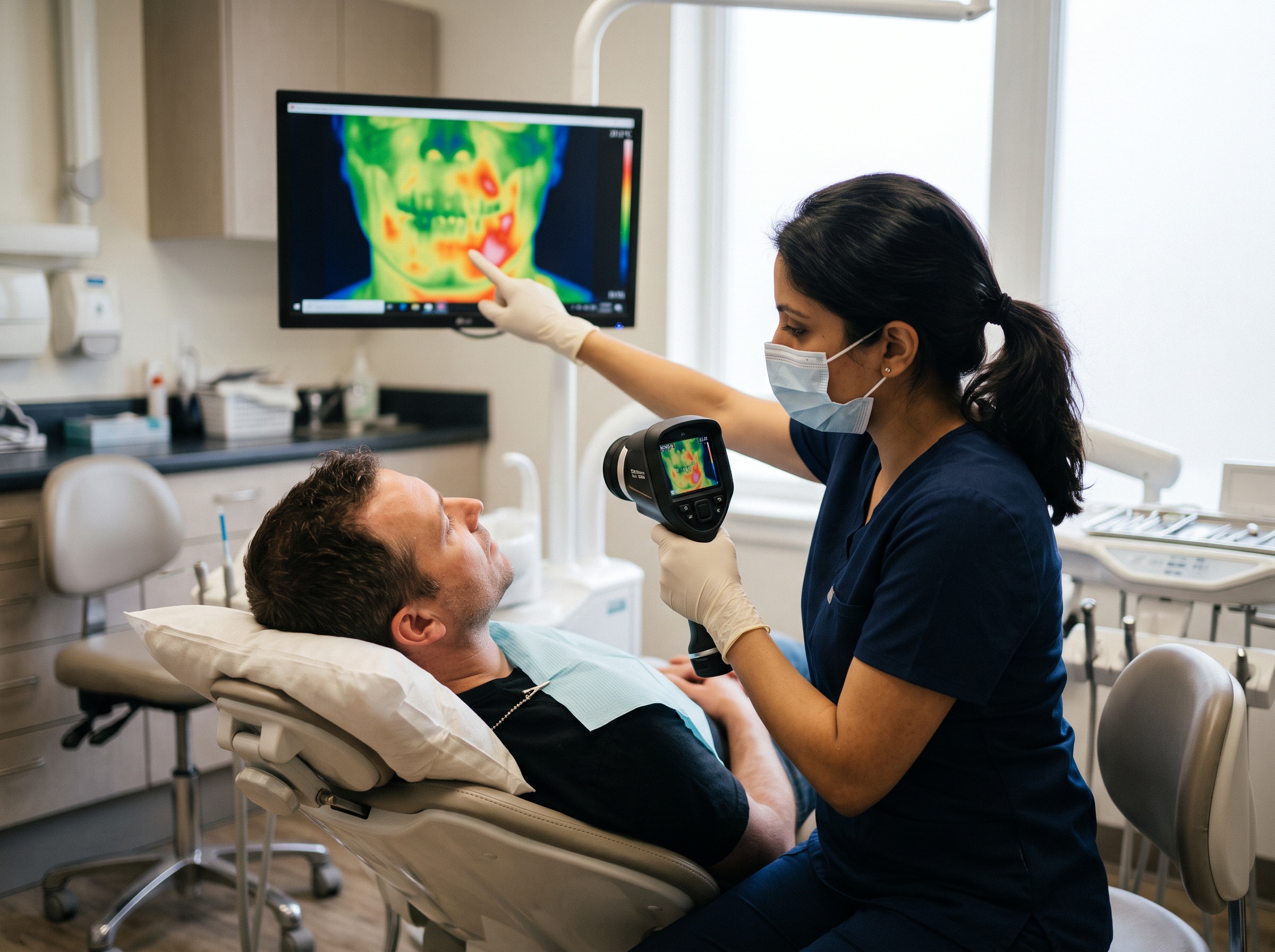
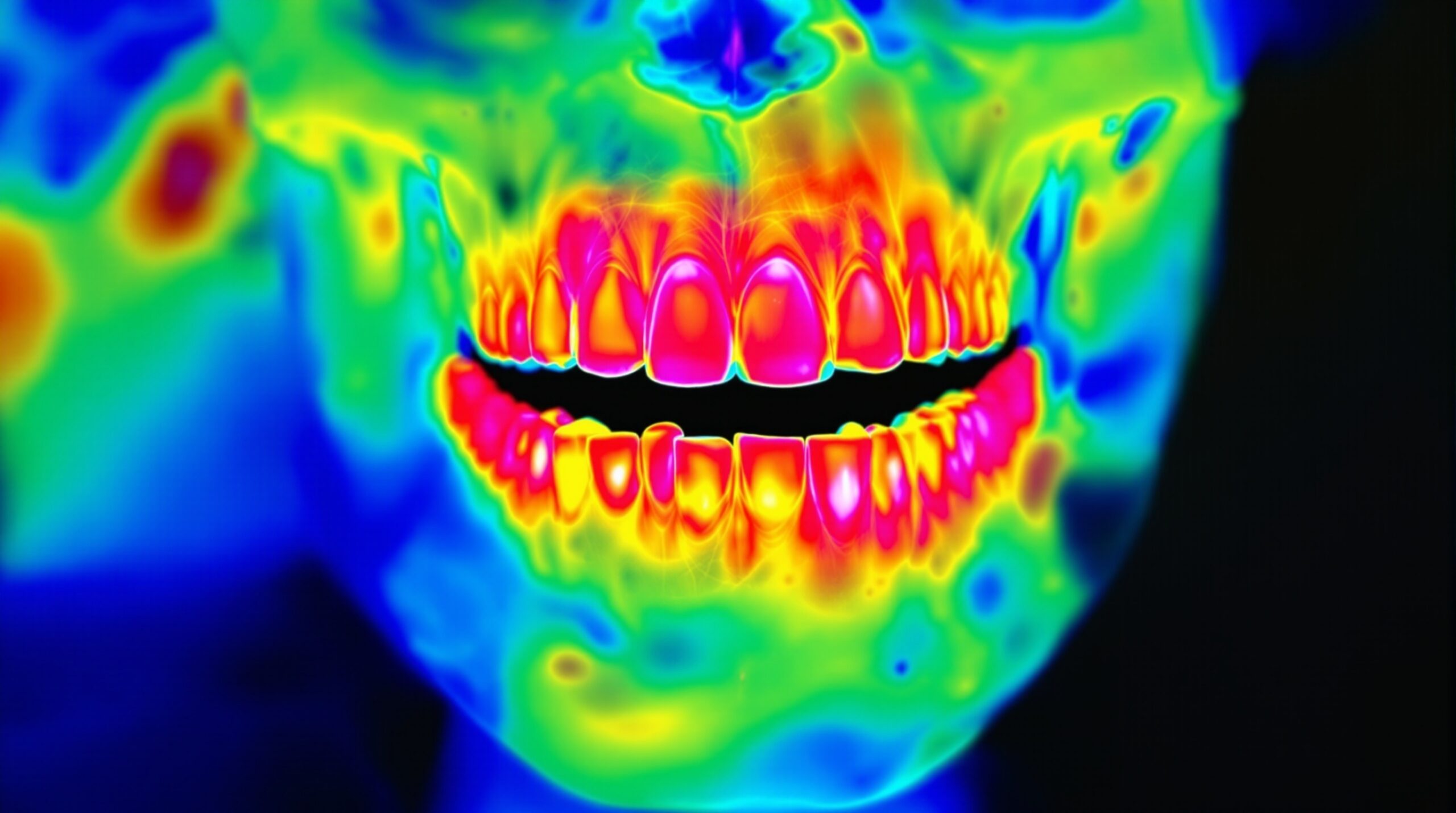
Dental thermography utilizes infrared cameras to capture temperature variations in oral tissues. The technology works on the principle that blood flow changes associated with inflammation, infection, or tissue damage result in detectable temperature differences. These variations can be visualized through color-coded thermal maps, providing valuable diagnostic information.
Clinical Applications
Periapical Lesion Detection
Recent studies demonstrate thermography’s effectiveness in diagnosing periapical inflammatory lesions. The technology can detect increased blood flow around infected root tips, often before clinical symptoms appear. This early detection capability allows for timely intervention and better treatment outcomes.
Temporomandibular Joint (TMJ) Disorders
Infrared imaging shows promise in TMJ disorder diagnosis by detecting temperature asymmetries in the temporomandibular region. Inflammation associated with joint dysfunction typically presents as increased thermal activity, which can be quantified and monitored over time.
Pulp Vitality Assessment
Thermography can assess dental pulp condition following trauma or thermal damage from dental procedures. Changes in pulpal blood flow are reflected in temperature variations, providing objective data to supplement traditional vitality tests.
Socket Healing Monitoring
Post-extraction healing can be monitored using thermal imaging to assess tissue recovery and detect complications. The technology is particularly valuable for evaluating the effectiveness of treatments like photobiomodulation therapy (PBMT) and photodynamic therapy (PDT).
Advantages Over Traditional Imaging
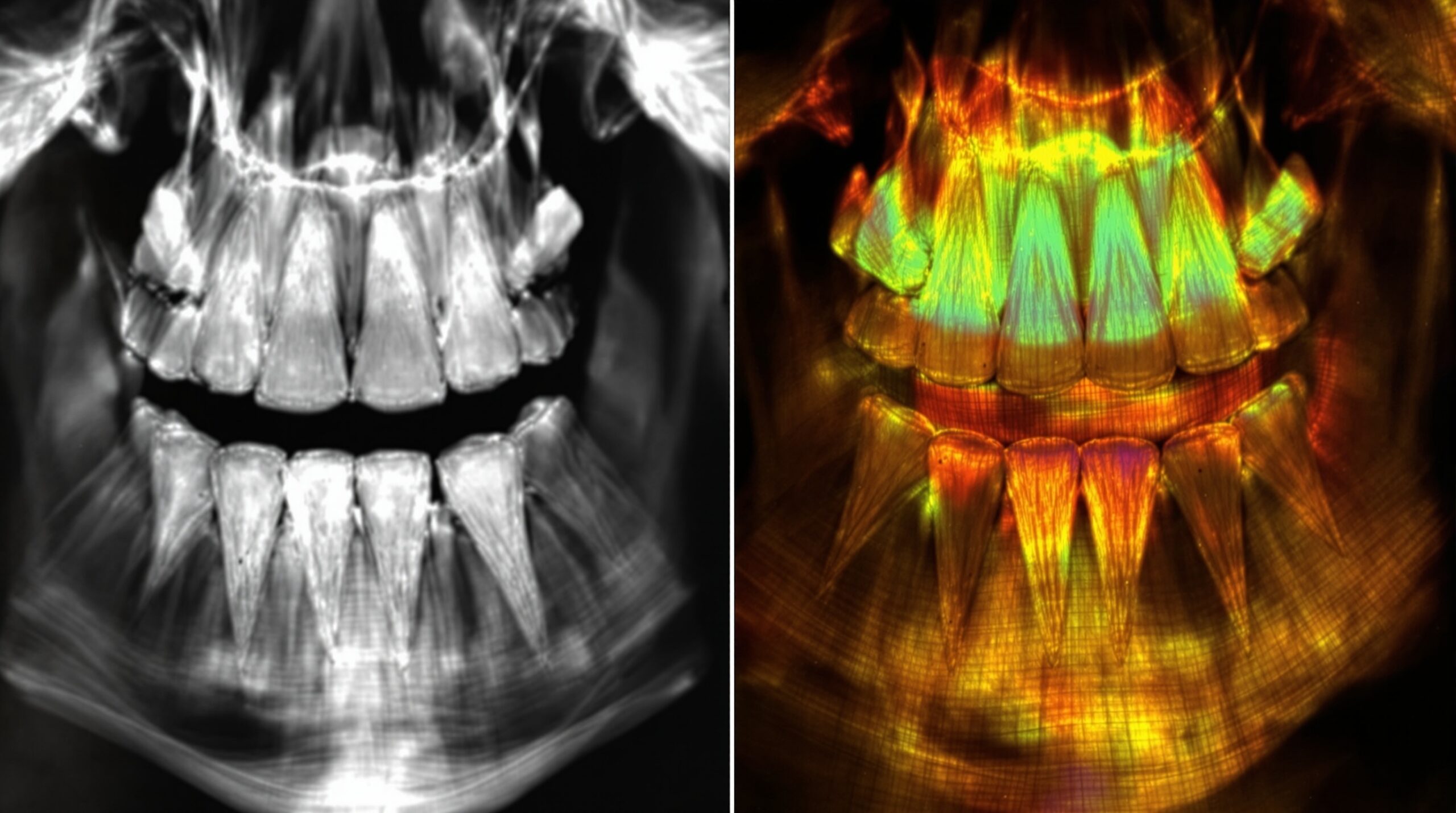
- Radiation-free: No ionizing radiation exposure, making it safer for pregnant patients and frequent monitoring
- Non-invasive: Painless procedure requiring no physical contact with tissues
- Real-time imaging: Immediate results available during the appointment
- Quantitative data: Provides objective temperature measurements for comparison over time
- Early detection: Can identify inflammatory conditions before clinical symptoms develop
Technological Advances and Current Limitations
Modern infrared thermal imaging systems have overcome many technological inadequacies of earlier devices. Current systems offer improved sensitivity, higher resolution, and better temperature accuracy. However, the technology still faces limitations including the need for controlled environmental conditions and the requirement for specialized training to interpret thermal patterns accurately.
Future Directions
As infrared technology continues advancing, dental thermography shows potential for integration with artificial intelligence algorithms for automated pattern recognition. This could enhance diagnostic accuracy and make the technology more accessible to general practitioners.
Implementation Considerations
While promising, dental thermography requires standardized protocols for optimal results. Factors such as room temperature, patient positioning, and timing after clinical procedures can affect thermal readings. Practitioners considering this technology should invest in proper training and establish consistent imaging protocols.
Infrared thermography represents a significant advancement in dental diagnostics, offering a safe, non-invasive method for early detection of oral pathologies. As research continues to validate its clinical applications, this radiation-free imaging modality may become an essential tool in comprehensive dental care.
Sorry, the comment form is closed at this time.