


July 24, 2026 Retractors, Mirrors, and Black Cards: The Physical Craft Behind a Clean Intraoral Photo
Long before a raw file reaches the editing suite, the character of an intraoral photograph is already fixed — not by the sensor, and not by the lens, but by a handful of unglamorous objects and the choreography that puts them to work. A retractor placed a centimeter too shallow, a mirror allowed to fog, a dark field left uncontrolled: these are the failures no slider can rescue. The clean intraoral image is a physical achievement first and a digital one second, and the clinicians who make it look effortless have simply internalized a craft that rewards patience, sequence, and a respect for optics.
What follows is a look at that craft — the tools of retraction, reflection, and subtraction, and the discipline of moving through a standardized series so that every frame arrives already worthy of the gallery wall.
The Retractor: The First Instrument in the Sequence
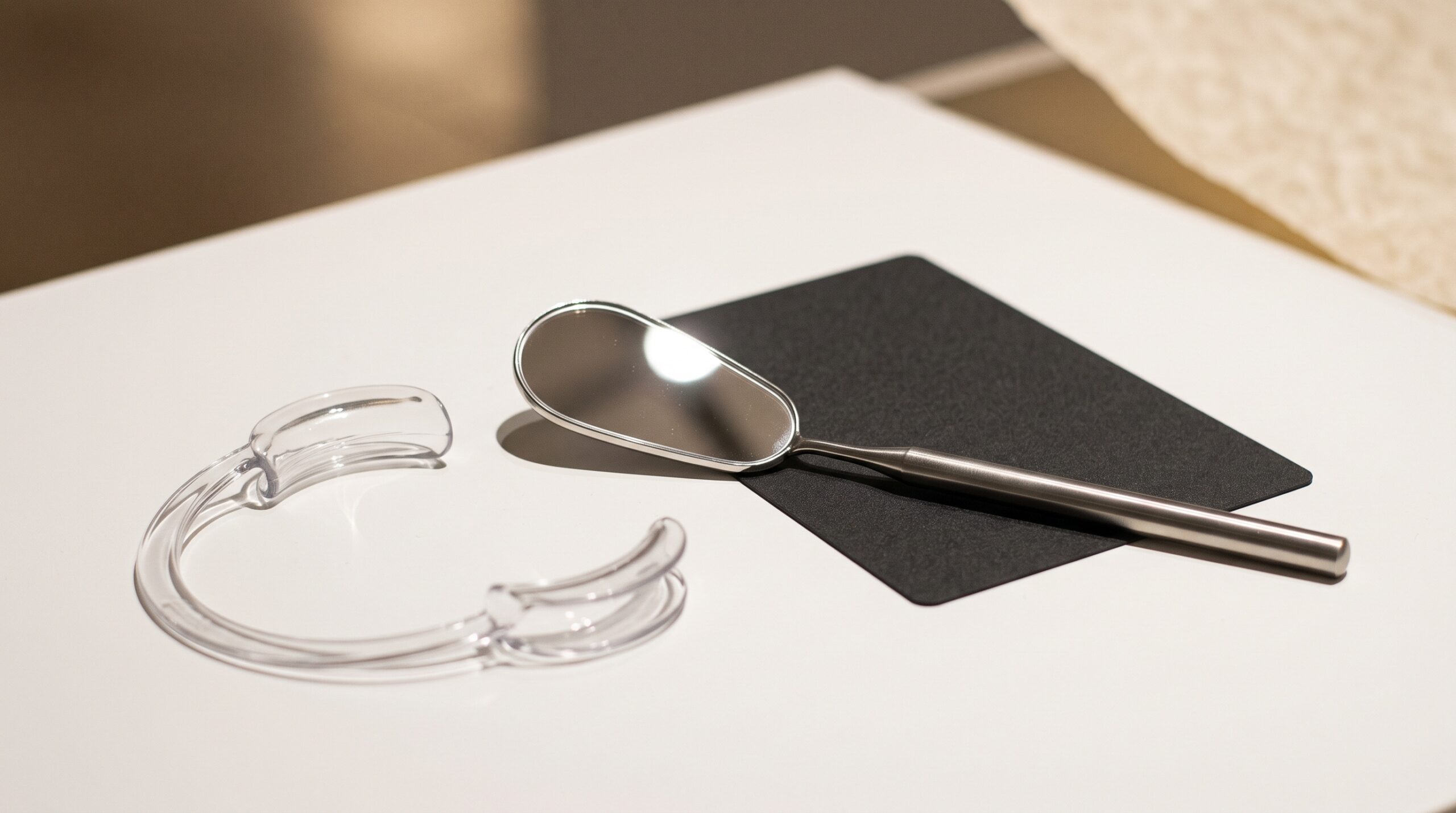
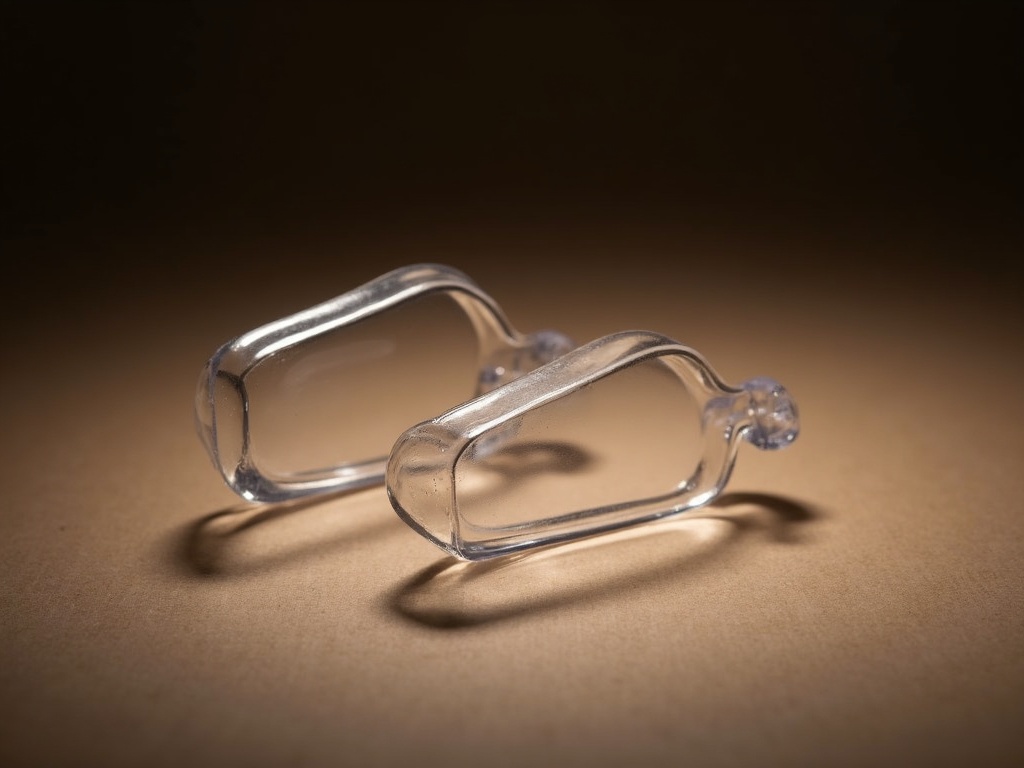
Retraction is where the shot begins, because a lens cannot photograph what a cheek or lip conceals. The everyday workhorse is the double-ended plastic retractor, wide loop on one side for full-arch and buccal views, narrow loop on the other for tighter lateral and canine framing. Self-retaining designs free both of the operator’s hands, while classic hooks let an assistant apply gentle, directed tension exactly where the frame demands it.
The art is in restraint. Over-retraction blanches the tissue, distorts the vermilion border, and turns a comfortable patient into a wincing one; under-retraction lets a stray lip creep into the corner of the composition. Warming the plastic slightly, seating the loops fully into the vestibule, and pulling outward and forward — not simply back — keeps the corners of the mouth relaxed and the exposure clean.
- Match loop size to the view rather than forcing one retractor to serve every frame.
- Pull anteriorly and away from the arch to open the vestibule without stretching the lips thin.
- Coordinate left and right tension so the midline stays honest and the smile line reads naturally.
Mirrors and the Physics of the Second Angle
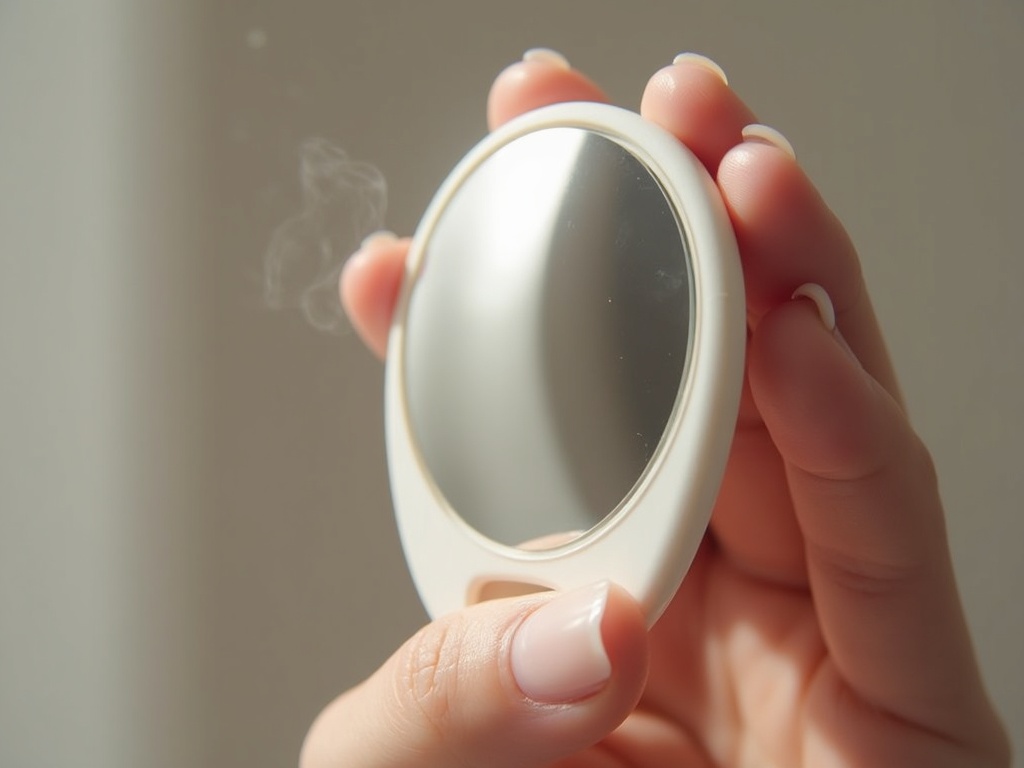
Occlusal and lingual surfaces cannot be met head-on, so the intraoral mirror becomes a second lens — a way to fold an impossible angle into the frame. Here material science matters more than most clinicians expect. An ordinary back-surfaced glass mirror produces a faint secondary reflection, a ghost image offset from the true one, because light bounces off both the glass and the coating behind it. A front-surface mirror plated with rhodium places the reflective layer on top, eliminating that ghost and delivering a crisp, single, color-neutral image with the durability to survive repeated sterilization. Where stainless steel mirrors offer economy and toughness, rhodium offers optical fidelity, and for gallery-grade work the difference is visible.
The eternal enemy is fog. A cold mirror meeting warm, humid breath clouds instantly, and a fogged mirror is a wasted frame. The countermeasures are simple and worth ritualizing:
- Warm the mirror in advance — a bath of warm water or a dedicated mirror warmer raises its surface above the dew point.
- Have the assistant direct a steady stream of air across the glass through the moment of capture.
- Use suction and the retractor together to move humid air away from the reflective surface.
The Black Card: The Art of Subtraction
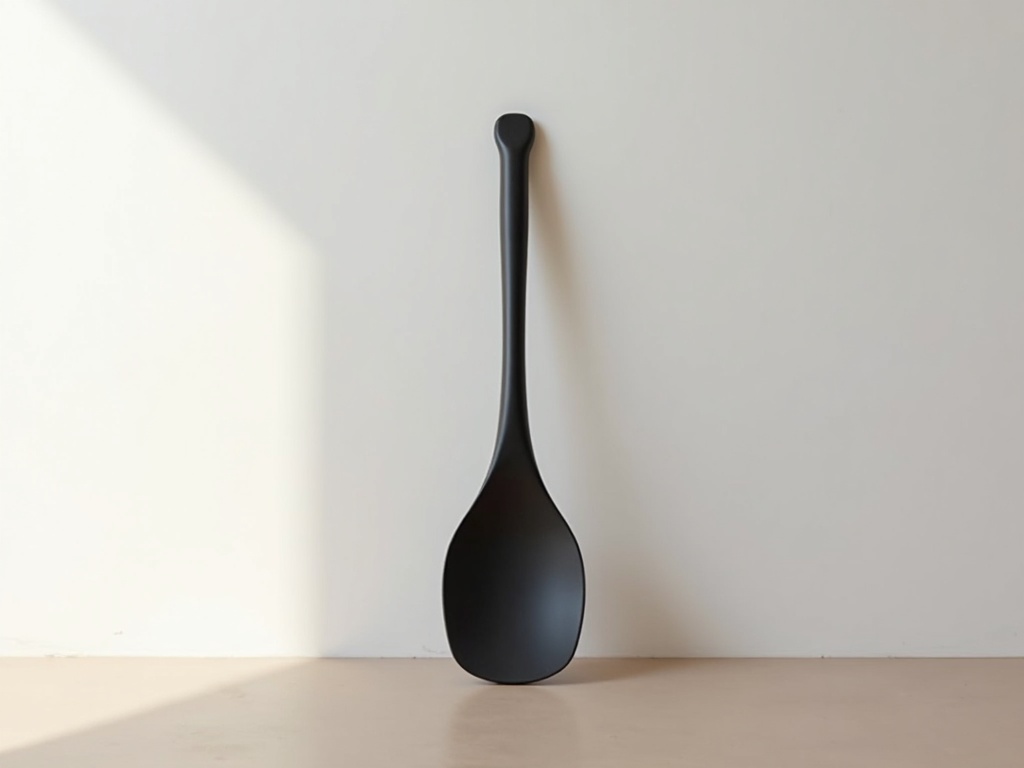
If retractors and mirrors add access, the contraster removes distraction. Slipped behind the incisal edges, a matte black card — often an anodized aluminum or coated paddle — turns the shadowed clutter of the opposing arch, the tongue, and the throat into a clean void. Suddenly the incisal translucency of the anterior teeth reads with full contrast, the enamel’s halo separates from its background, and the eye has nowhere to wander but the subject.
A good contraster is genuinely matte; any residual sheen throws a specular highlight that undoes the effect. It should be warmed to discourage its own fogging, positioned close behind the teeth without touching and smearing them, and angled so its edge falls outside the frame. This is composition by removal — the photographic equivalent of a sculptor taking away everything that is not the figure.
Moisture, Saliva, and the Tyranny of Reflection
Teeth are wet, curved, and glossy, which makes them behave like tiny mirrors of their own. A film of saliva or a pooling bubble catches the flash and blows out to a hard white blob precisely where detail should live. Yet enamel should not be desiccated into a chalky, dehydrated matte either, because that misrepresents its true value and translucency — a real concern when the image will guide shade selection.
The middle path is disciplined moisture control: a quick, gentle air-dry to clear surface pooling and stray bubbles, delivered just before capture so the natural sheen returns without a wet glare. Cotton rolls and suction manage the field; the assistant times the air so the frame is taken in the brief window when the surface is clean but still alive. Diffusing the light — a well-placed flash bracket or a ring-and-diffuser arrangement — softens the remaining reflections into gentle gradients rather than harsh points.
The Standardized Series as Choreography
A single hero shot is a photograph; a standardized series is a record. The familiar sequence — full-face and profile, retracted frontal in occlusion, right and left lateral, maxillary and mandibular occlusal through the mirror, and close-up anterior studies — exists so that images taken today compare cleanly with images taken a year from now. Reproducibility is the whole point, and reproducibility is a matter of physical rhythm.
That rhythm is a duet. The operator commands framing, focus, and shutter; the assistant manages retraction, mirror placement, air, and suction, anticipating each transition rather than reacting to it. Warmed mirrors wait in their bath, retractors sit in size order, the contraster is within reach. The series flows — frontal, laterals, occlusals, close-ups — with each hand-off rehearsed until the patient spends the least possible time with hardware in their mouth. Efficiency here is not merely courtesy; a comfortable patient holds still, and stillness is sharpness.
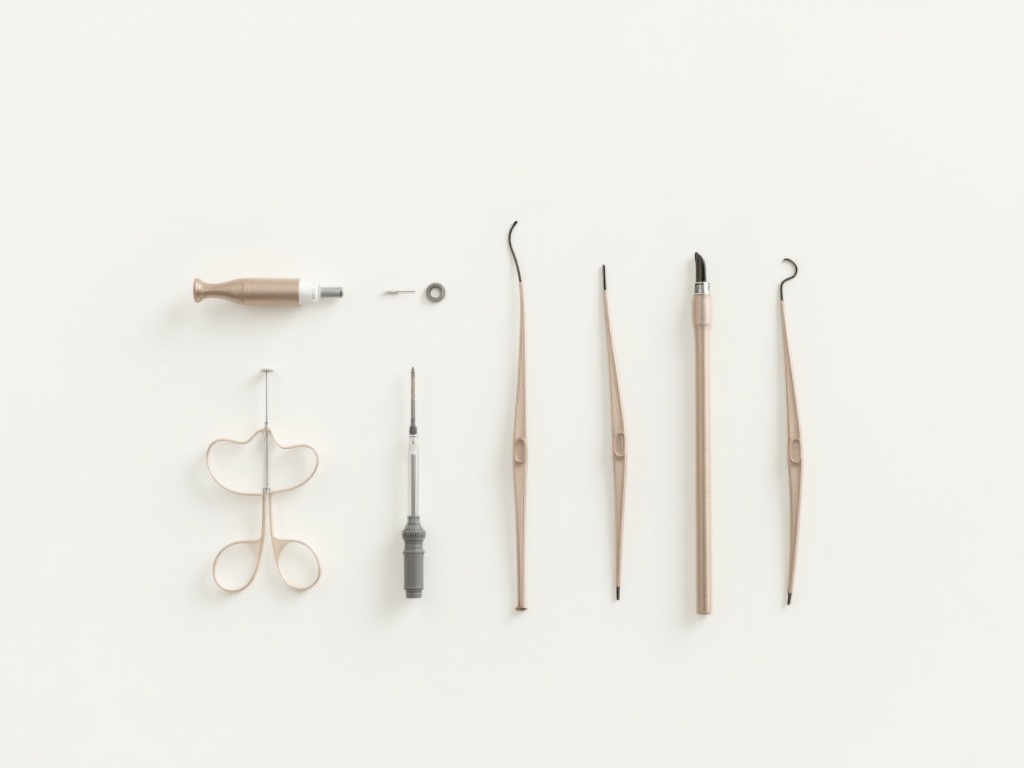
Discipline in the Service of the Image
None of this is visible in the final frame, and that is the quiet paradox of intraoral craft. The viewer sees only clean teeth on a black field, evenly lit, honestly colored, distraction-free — and never suspects the warmed rhodium, the timed puff of air, the card held a millimeter clear of the enamel, the two people moving in practiced sequence. The best physical technique erases its own evidence.
Future Developments
The trajectory of intraoral imaging points toward tools that lower the physical burden without lowering the standard. Heated and anti-fog mirror coatings are improving, retractor geometries are being refined for comfort and self-retention, and cross-polarizing filters are moving reflection control partly out of the field and into the optics themselves. Intraoral scanners and computational photography promise views once possible only through a mirror. Yet even as the instruments evolve, the discipline behind them will remain the deciding factor — the trained eye that knows how to subtract a distraction, dry a surface without deadening it, and choreograph a series so it reads as one coherent body of work. Imaging advances as science, but it endures as craft, and the clinician who honors both is the one whose photographs earn their place in the gallery.
Sorry, the comment form is closed at this time.