


April 26, 2026 Ultrasound Elastography in Dentistry: Revolutionary Tissue Stiffness Analysis for TMJ Disorders and Muscle Assessment
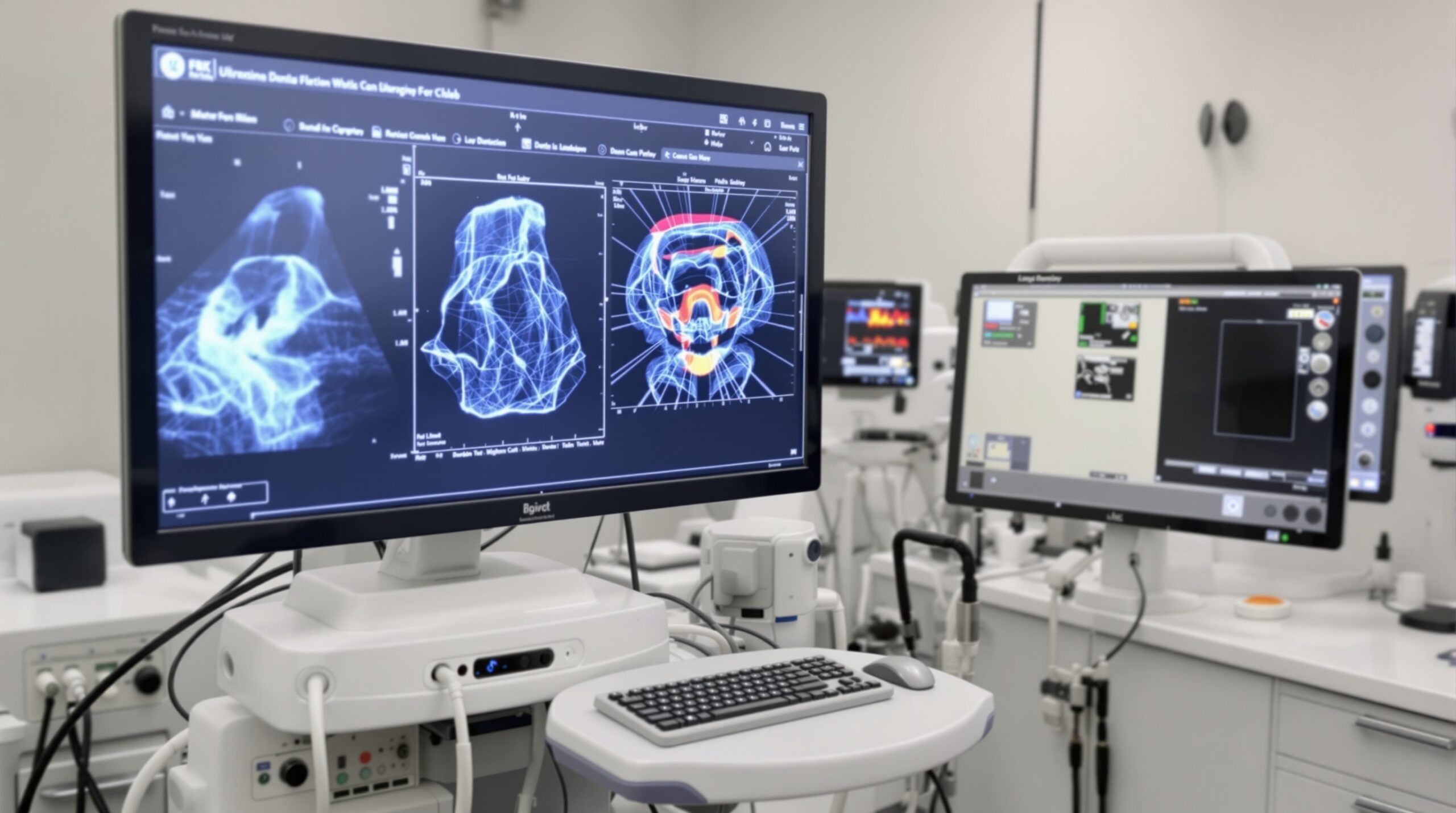
Ultrasound elastography represents a groundbreaking advancement in dental imaging technology, offering clinicians the ability to assess tissue stiffness and mechanical properties in real-time. This revolutionary diagnostic tool is transforming the way dental professionals evaluate temporomandibular joint (TMJ) disorders, masseter muscle conditions, and various oral tissue pathologies.
Understanding Ultrasound Elastography Technology
Ultrasound elastography works by measuring tissue elasticity through specialized ultrasound techniques that assess how tissues deform under mechanical stress. Unlike traditional imaging methods that only provide structural information, elastography delivers quantitative data about tissue stiffness, hardness, and mechanical properties. This capability proves invaluable in dental practice, where tissue consistency often indicates pathological changes.
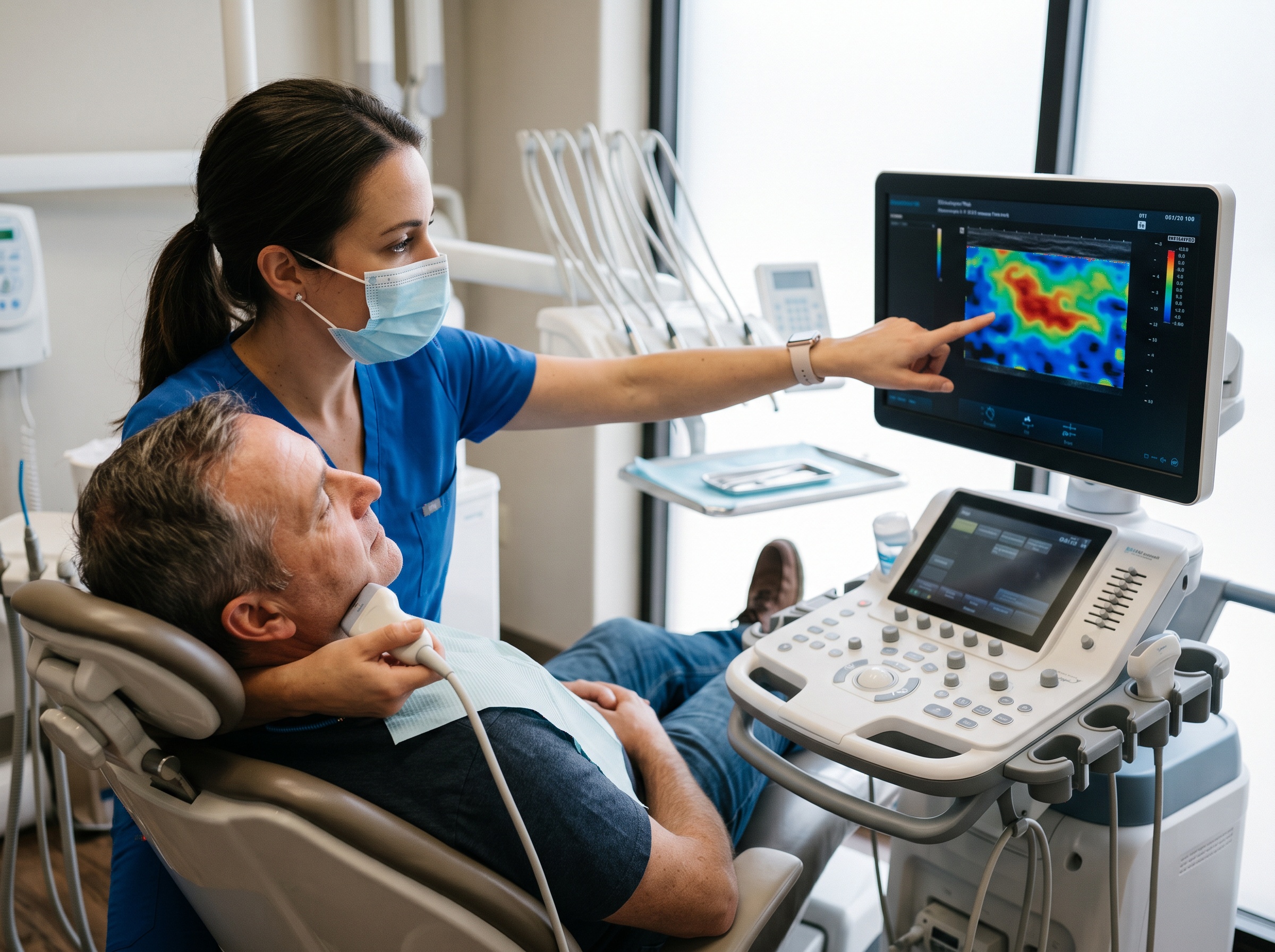
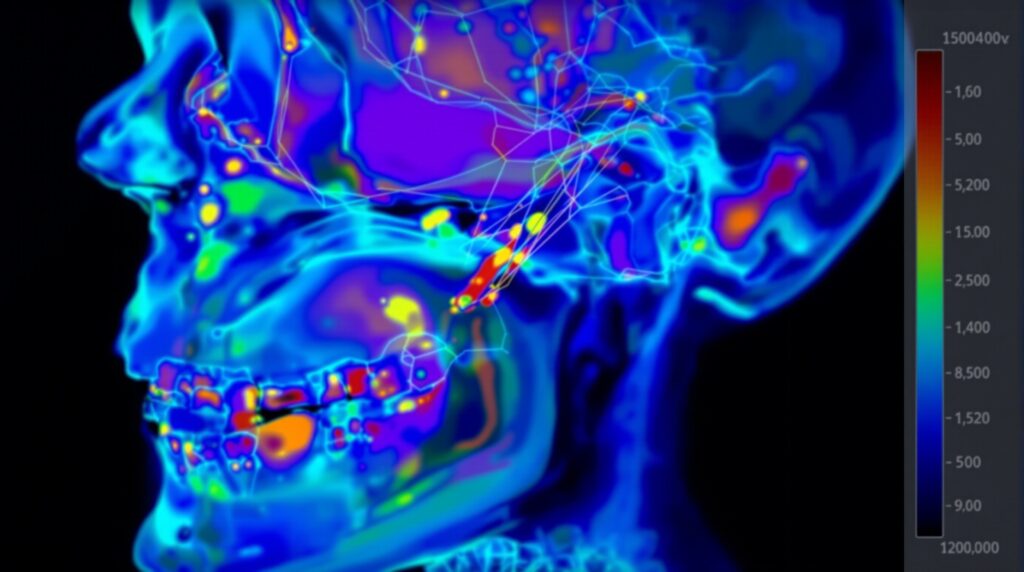
The technology employs two primary methods: strain elastography and shear wave elastography. Strain elastography compares echo patterns before and after tissue compression, while shear wave elastography measures the velocity of acoustic waves propagating through tissues to determine stiffness values.
TMJ Disorder Assessment and Diagnosis
Temporomandibular joint disorders present complex diagnostic challenges for dental practitioners. Ultrasound elastography offers unprecedented insights into masseter muscle function and TMJ mechanics. Research demonstrates that patients with TMJ osteoarthritis exhibit significantly different masseter muscle elasticity patterns compared to healthy individuals.
Clinical studies utilizing elastography have revealed measurable differences in masseter muscle stiffness between patients with and without temporomandibular disorders. The masseter elasticity index (MEI) and masseter stiffness index (MSI) provide quantitative measurements that enhance diagnostic accuracy and treatment planning capabilities.
Clinical Applications and Advantages
The implementation of ultrasound elastography in dental practice offers numerous clinical advantages. The technology enables non-invasive assessment of muscle hardness, tissue inflammation, and pathological changes in oral structures. Clinicians can monitor treatment progress objectively, adjusting therapeutic approaches based on quantitative elasticity measurements.
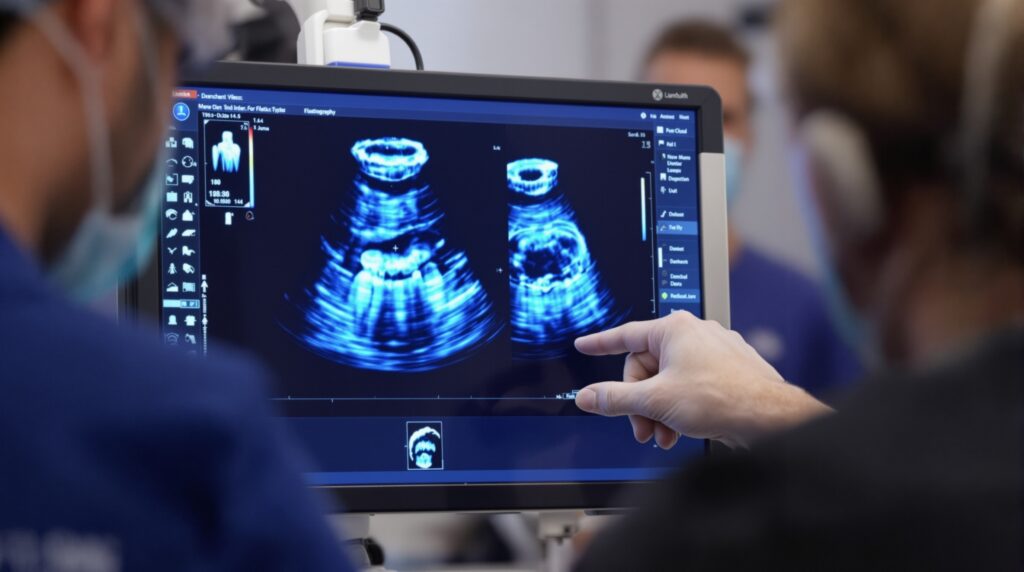
Point-of-care ultrasound capabilities allow for immediate bedside or chairside assessments, providing rapid diagnostic information during patient consultations. This real-time evaluation capability significantly enhances clinical workflow efficiency and patient care quality.
Research Applications and Future Developments
Current research focuses on establishing standardized reference values for healthy adult masseter and temporal muscle elasticity. Studies are developing protocols for measuring muscle thickness and hardness using shear wave elastography, creating comprehensive databases of normal tissue characteristics for comparative analysis.
Future developments in ultrasound elastography technology promise enhanced resolution, improved accuracy, and expanded clinical applications. Integration with artificial intelligence systems may enable automated tissue analysis and pattern recognition, further advancing diagnostic capabilities in dental practice.
Implementation in Modern Dental Practice
The integration of ultrasound elastography into dental practice requires specialized equipment and training. Modern ultrasound systems equipped with elastography capabilities offer user-friendly interfaces and comprehensive analysis tools. Practitioners benefit from standardized examination protocols and measurement techniques that ensure consistent, reliable results.
As this technology continues advancing, ultrasound elastography will likely become a standard diagnostic tool in dental practices worldwide. Its ability to provide objective, quantitative tissue assessment makes it an invaluable addition to the contemporary dental imaging arsenal, enhancing diagnostic accuracy and improving patient outcomes through better-informed treatment planning.
Sorry, the comment form is closed at this time.