


March 18, 2026 AI-Enhanced CBCT Analysis: Transforming Dental Diagnosis and Treatment Planning
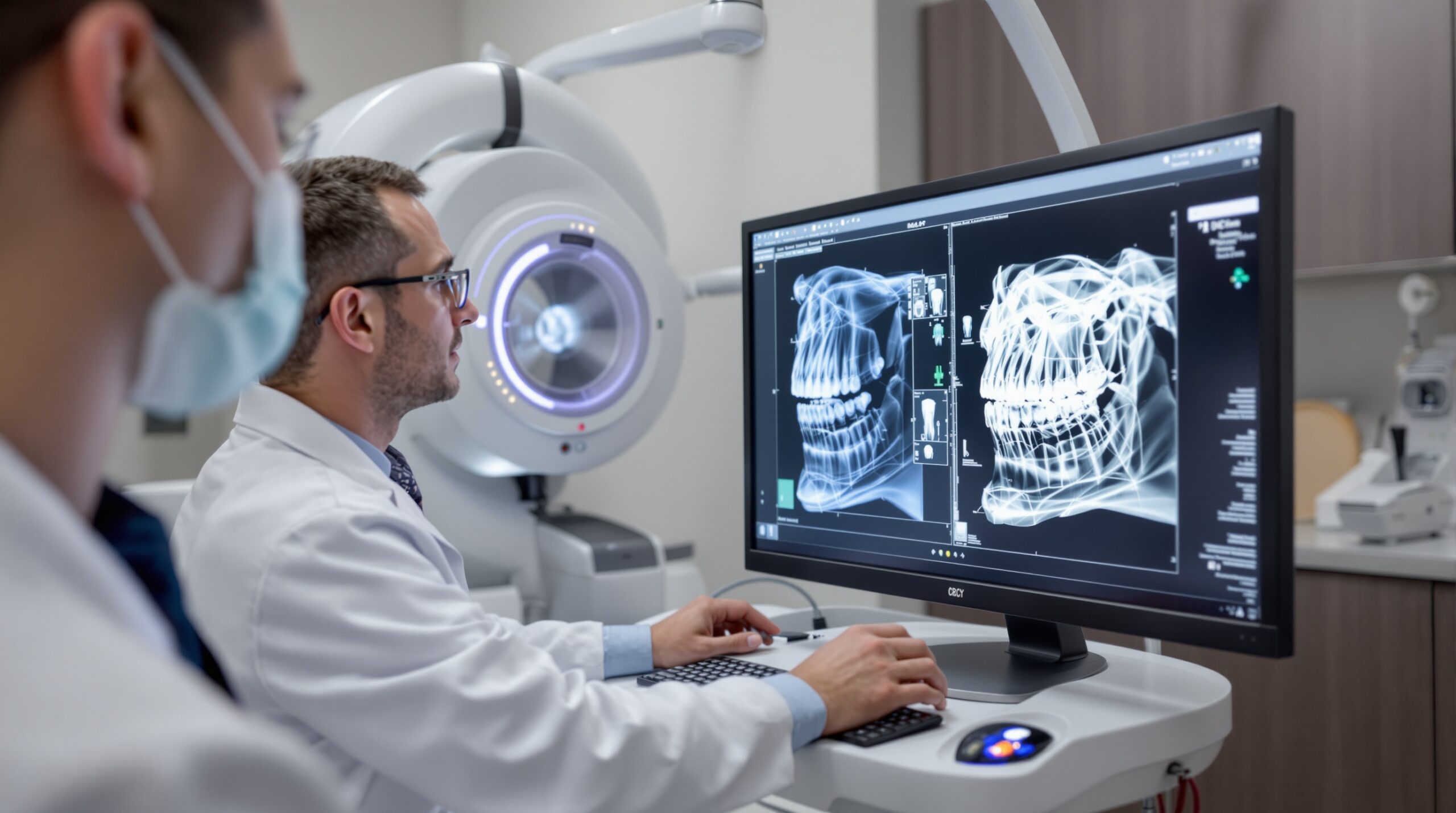
Artificial intelligence is revolutionizing the field of dental imaging, particularly in cone beam computed tomography (CBCT) analysis. Recent advances in machine learning algorithms are enhancing diagnostic accuracy and streamlining clinical workflows in ways that were previously unimaginable.
The Integration of AI in CBCT Technology
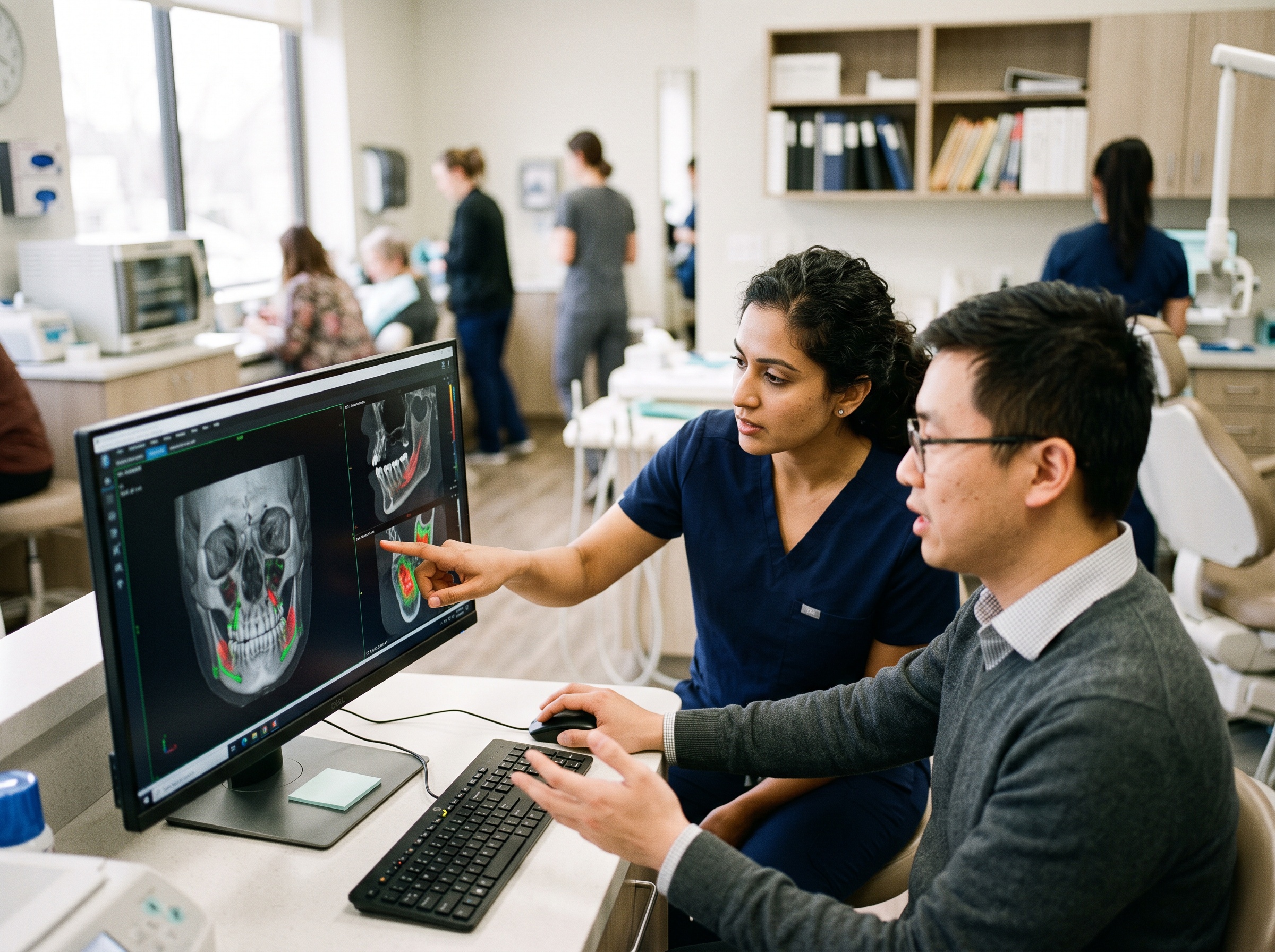
Modern CBCT systems combined with AI analysis provide unprecedented insights into dental anatomy and pathology. These sophisticated systems can automatically detect and analyze various dental conditions, from tooth segmentation to complex pathology identification, with remarkable precision.
Enhanced Diagnostic Capabilities
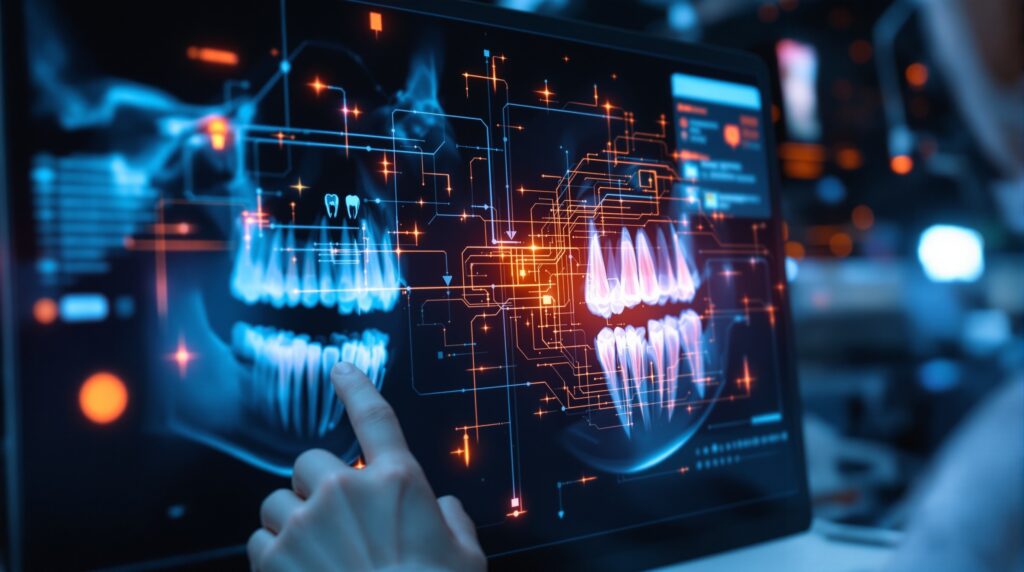
AI-powered CBCT analysis offers several key advantages over traditional interpretation methods:
- Automated Detection: Advanced algorithms can identify dental features and pathologies with high accuracy, reducing the risk of missed diagnoses.
- Consistent Analysis: AI systems provide standardized interpretation, eliminating variability between different practitioners.
- Time Efficiency: Rapid processing of complex 3D data sets allows for quicker diagnosis and treatment planning.
- Comprehensive Reporting: Automated generation of detailed reports with 2D and 3D visualizations enhances communication with patients and referring doctors.
Clinical Applications
The integration of AI in CBCT analysis has proven particularly valuable in several clinical scenarios:
Implant Planning: AI systems can precisely analyze bone density, identify anatomical landmarks, and suggest optimal implant placement strategies.
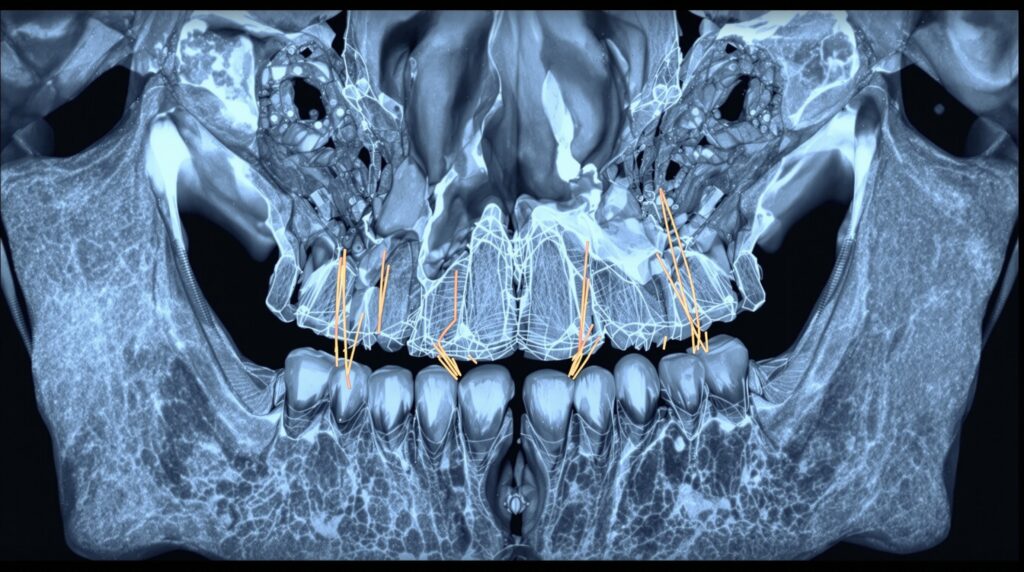
Orthodontic Treatment: Advanced tooth segmentation capabilities enable detailed analysis of root positioning and bone structures for comprehensive treatment planning.
Endodontic Assessment: AI can detect subtle changes in periapical tissues and root canal anatomy that might be missed by conventional analysis.
Future Prospects
The field continues to evolve rapidly, with emerging technologies promising even greater integration between AI, augmented reality, and virtual reality in dental diagnostics. These advancements are not only improving clinical precision but also transforming dental education and patient communication.
As AI systems become more sophisticated and accessible, they are becoming essential tools in modern dental practice, enhancing both diagnostic accuracy and clinical efficiency while maintaining the highest standards of patient care.
Sorry, the comment form is closed at this time.