


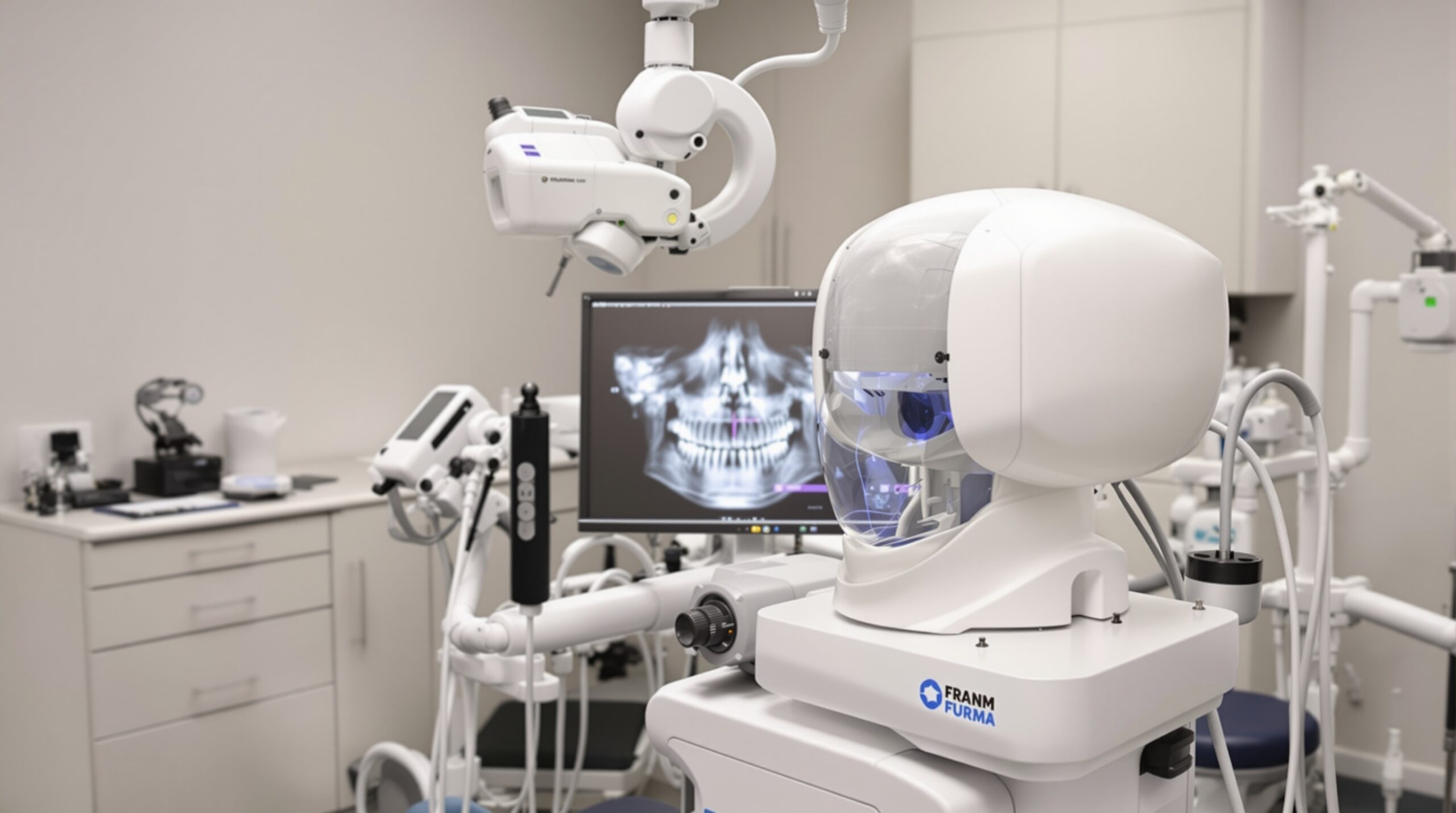
April 29, 2026 Quality Assurance Phantom Testing: Essential Calibration Protocols for Digital Dental Imaging Systems
Quality assurance (QA) phantom testing represents a cornerstone of modern digital dental imaging, ensuring consistent performance and diagnostic reliability across all imaging systems. These specialized calibration tools provide standardized test objects that enable dental professionals to maintain optimal imaging parameters while adhering to ALARA (As Low As Reasonably Achievable) radiation safety principles.
Understanding Quality Assurance Phantoms
A quality assurance phantom is a precisely manufactured test device containing known materials and geometries designed to evaluate specific performance characteristics of digital imaging systems. Unlike clinical images that vary with patient anatomy, phantoms provide reproducible test conditions that allow for objective assessment of system performance over time.
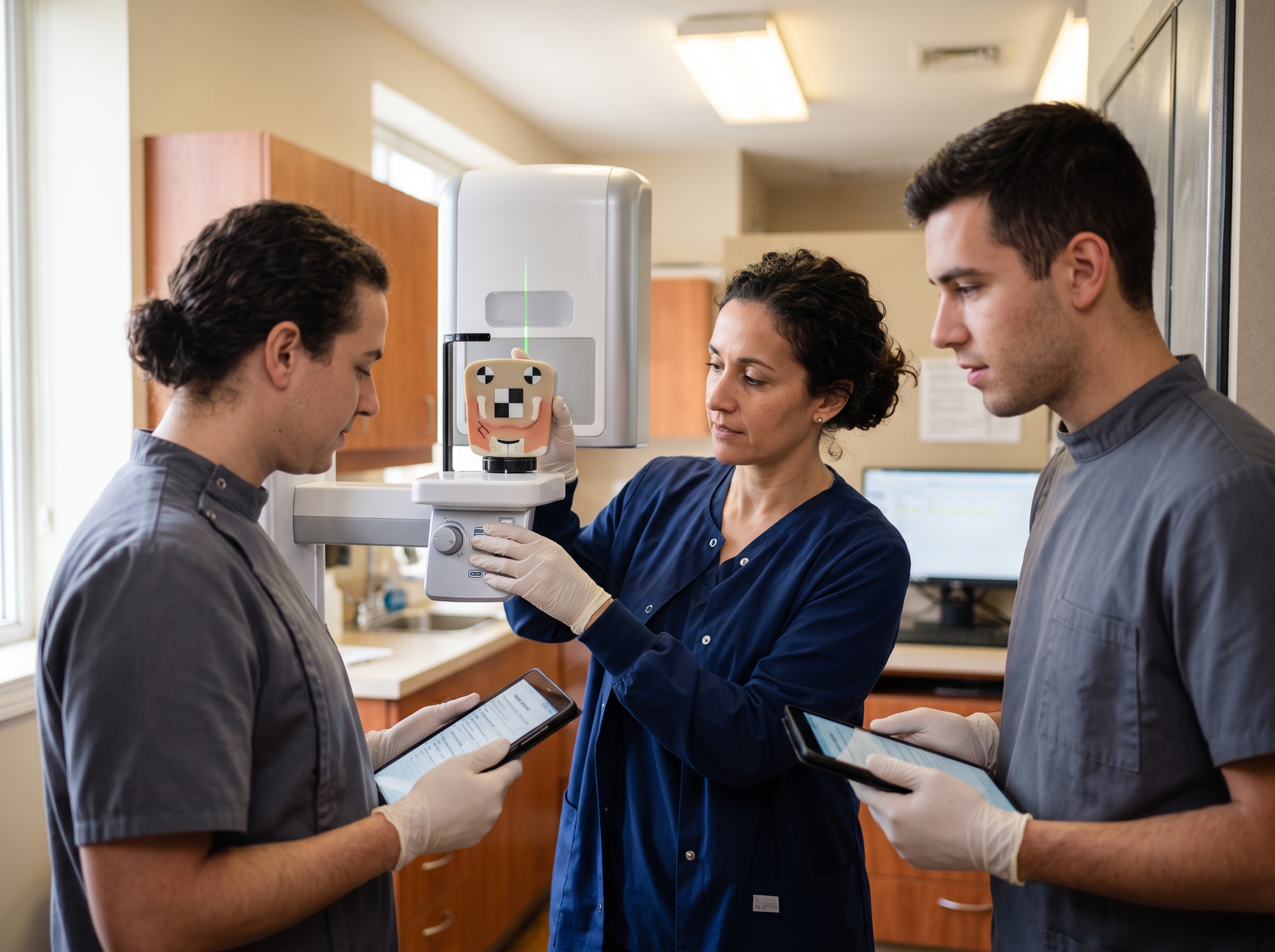
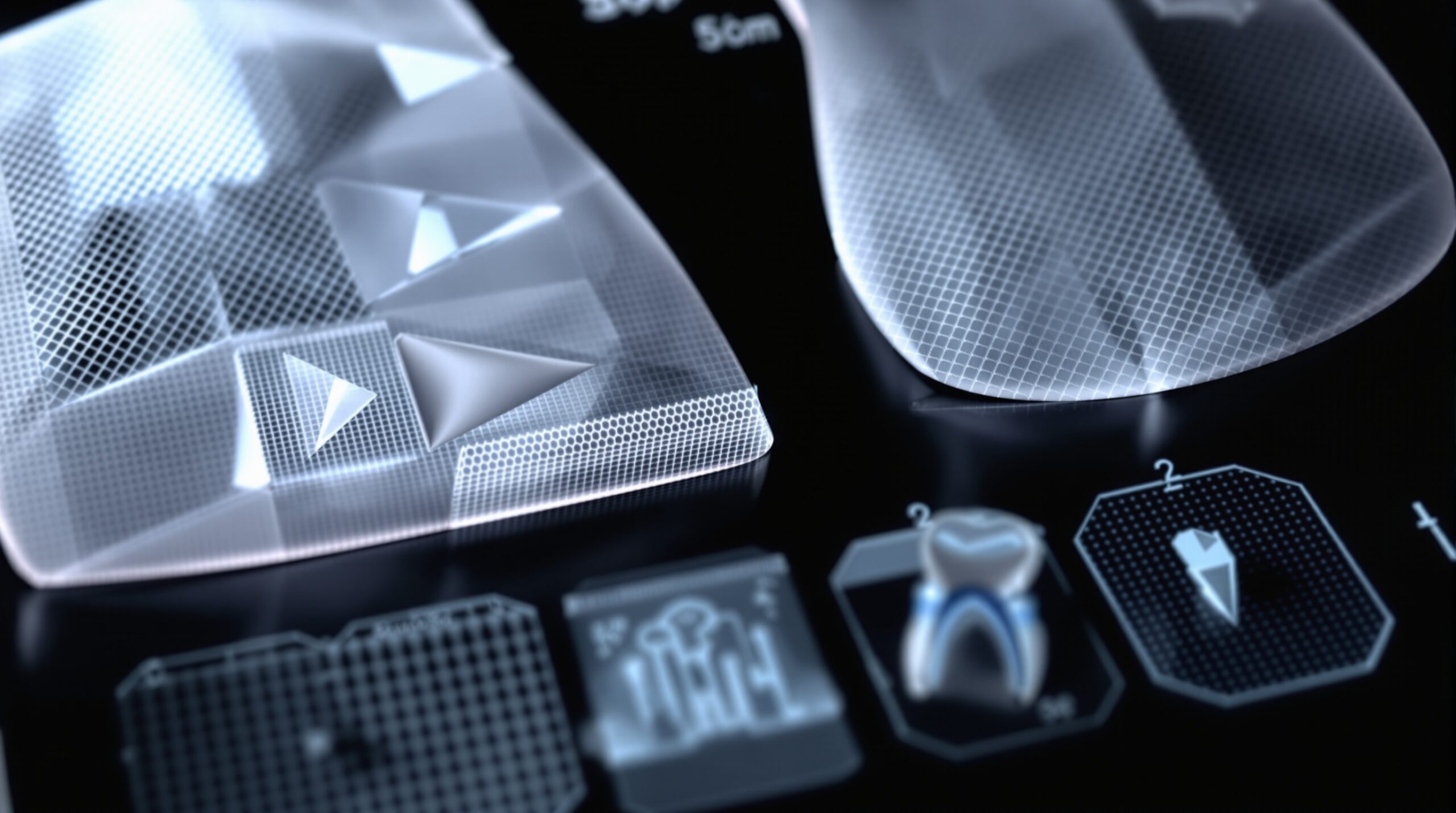
Modern dental QA phantoms incorporate multiple test elements including step wedges for contrast sensitivity assessment, mesh patterns for spatial resolution evaluation, and uniformity patches for consistency verification. These components work together to provide comprehensive system evaluation capabilities.
Critical Performance Parameters
Digital dental imaging systems require regular monitoring of several key performance indicators. Contrast sensitivity determines the system’s ability to distinguish between tissues of similar density, directly impacting diagnostic capability for early caries detection and periodontal assessment.
Spatial resolution testing evaluates the system’s capacity to resolve fine anatomical details, crucial for endodontic applications and precise treatment planning. Signal-to-noise ratio measurements ensure adequate image quality while maintaining radiation doses at optimal levels.
Calibration Frequency and Protocols
Professional guidelines recommend daily constancy checks using simplified phantom protocols, with comprehensive QA testing performed monthly or quarterly depending on system usage. Initial calibration following installation establishes baseline performance parameters that serve as reference points for ongoing monitoring.
Temperature stability, electrical noise levels, and detector uniformity all influence imaging performance and require systematic evaluation. Documentation of all QA measurements creates essential performance trending data that enables predictive maintenance scheduling.
Digital Integration and Analysis
Contemporary QA protocols leverage specialized software for automated phantom analysis, reducing operator variability and improving measurement precision. These systems can automatically detect test patterns, calculate performance metrics, and generate standardized reports for regulatory compliance.
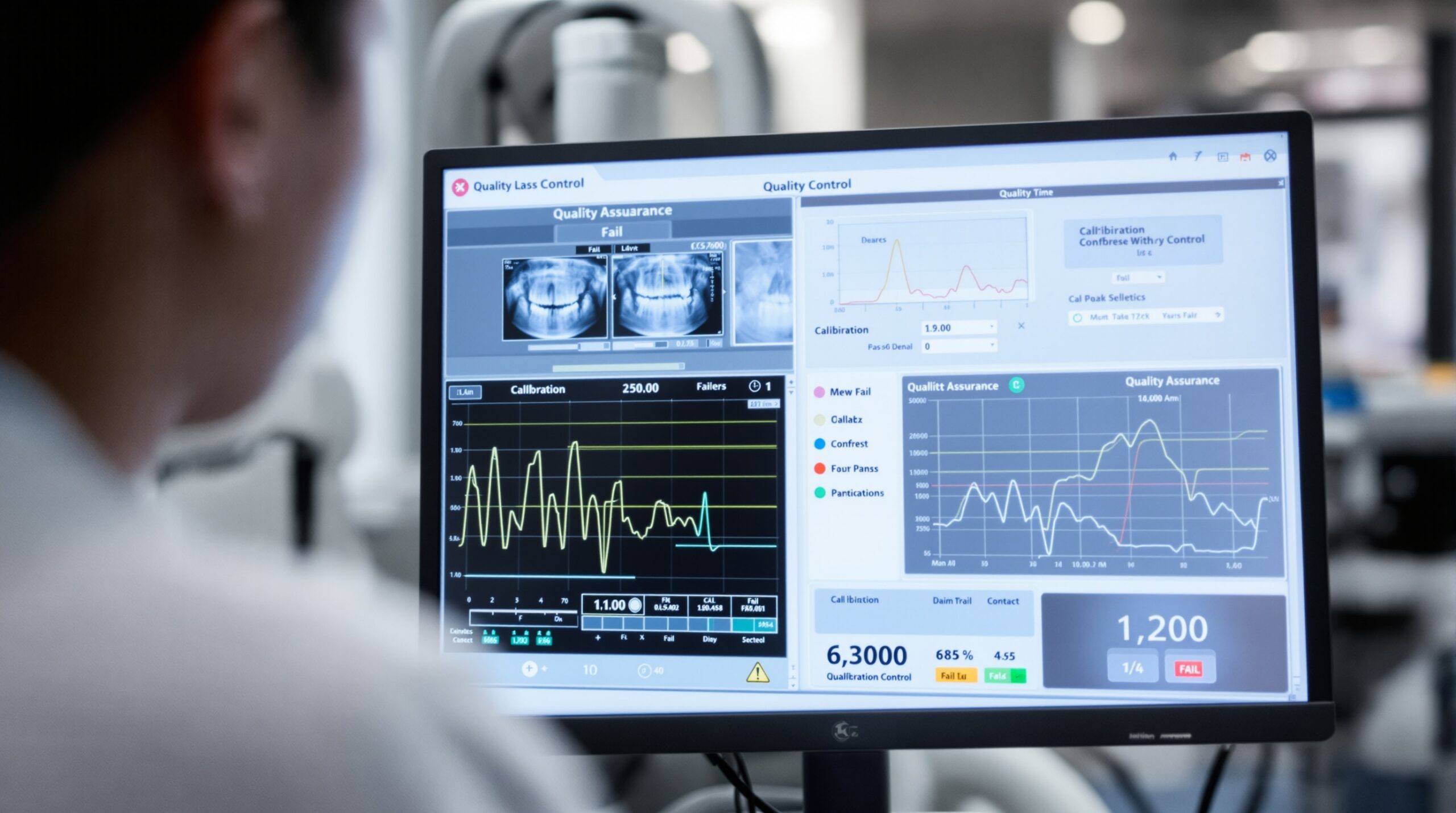
Real-time analysis capabilities enable immediate identification of performance degradation, allowing for prompt corrective action before clinical image quality becomes compromised. Trending algorithms can predict potential system failures, enabling proactive maintenance interventions.
Regulatory Compliance and Documentation
Quality assurance phantom testing fulfills essential regulatory requirements while supporting clinical risk management protocols. Comprehensive documentation demonstrates due diligence in maintaining optimal imaging performance and patient safety standards.
Regular QA testing helps practices maintain accreditation standards and ensures compliance with state and federal radiation safety regulations. Proper documentation also supports equipment warranty claims and provides valuable data for equipment replacement decisions.
Integration with Clinical Workflow
Successful QA programs integrate seamlessly with daily clinical routines, utilizing brief constancy checks that require minimal staff time while providing maximum quality assurance benefit. Staff training ensures consistent test execution and proper interpretation of results.
Modern practices often designate QA coordinators who oversee phantom testing schedules, maintain equipment calibration records, and coordinate with service technicians when performance issues arise. This systematic approach ensures sustained imaging excellence and optimal patient care outcomes.
Sorry, the comment form is closed at this time.