


October 7, 2026 The Best Mirrorless Cameras for Dental Photography in 2026
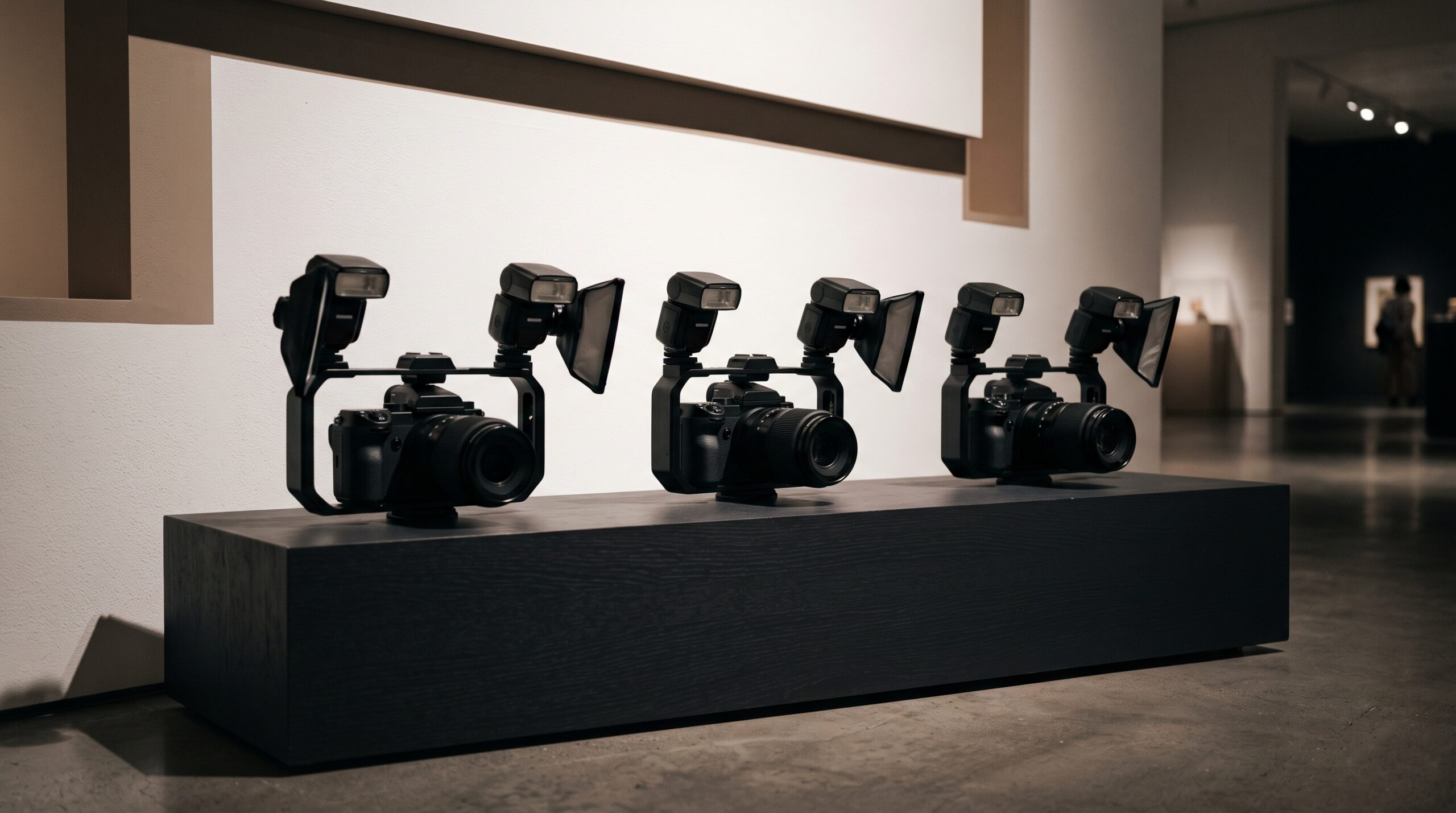
For most practices, the best mirrorless camera for dental photography in 2026 is a current Canon EOS R, Nikon Z, or Sony Alpha body paired with a true macro lens and a dedicated dental flash — and the body you choose matters far less than that lens-and-flash pairing. If forced to name one all-round pick, it is a Canon EOS R-series body with the RF 100mm Macro and a macro twin flash, because it is the most thoroughly dental-proven ecosystem. But the honest answer is that any of the three major systems, built correctly, will outlast the debate — and that an APS-C sensor is often the smarter choice in the operatory than full-frame.
How we judged
A dental camera is not a landscape camera, and the criteria that matter for one are nearly irrelevant to the other. We ranked these systems on what actually governs a clinical image: (1) macro capability — the availability of a dedicated lens that reaches roughly 1:1 magnification; (2) flash ecosystem — native ring and twin-flash options that mount at the lens front, since lighting is the hardest part of intraoral photography; (3) depth of field and framing at clinical working distances; (4) repeatability — how easily a whole practice can shoot the same settings the same way every time; and (5) total system cost, not just the body. Resolution is a tiebreaker, never the headline: every modern body already resolves far more detail than a shade match or a case record requires.
The picks
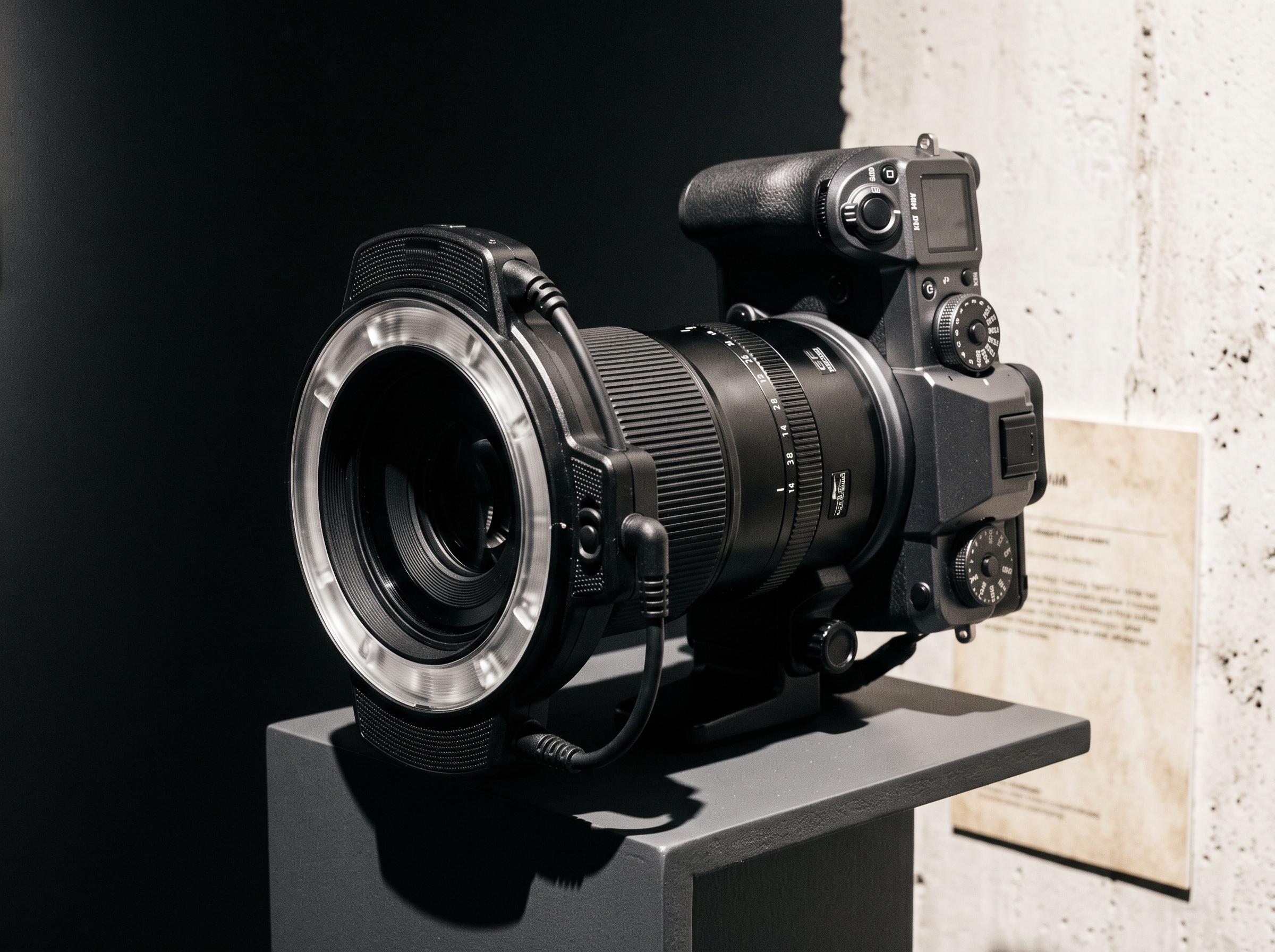
1. Canon EOS R-series — best all-round, most dental-proven ecosystem. What it is: Canon’s mirrorless line, from approachable APS-C bodies to full-frame, paired with the RF 100mm F2.8 Macro and Canon’s Macro Ring Lite or Macro Twin Lite. Best for: practices that want the most documented, best-supported dental path, where almost every course, bracket, and diffuser assumes your gear. The 100mm-macro-plus-twin-flash combination has been a clinical standard for years and carries straight into the R mount. Honest caveat: the premium native macro flashes are not cheap, and the full-frame bodies tempt you toward a format you may not want for intraoral work.
2. Nikon Z-series — best color rendition and ergonomics. What it is: Nikon’s mirrorless system with the excellent NIKKOR Z MC 105mm macro, across APS-C and full-frame bodies. Best for: clinicians who value Nikon’s out-of-camera color and deep, comfortable grips for a camera held at arm’s length all day. The 105mm macro gives a slightly longer working distance than a 90–100mm, which some operators prefer for retracted views. Honest caveat: Nikon’s native dedicated macro-flash options are thinner than Canon’s, so many Z dental kits pair the body with a third-party twin flash — perfectly workable, just one more decision.
3. Sony Alpha — best autofocus and hybrid photo/video. What it is: Sony’s E-mount system with the FE 90mm F2.8 Macro G and a very large lens catalogue. Best for: practices that also shoot patient video or want the fastest, most reliable autofocus. Honest caveat: Sony has no strong first-party macro ring or twin flash, so a Sony dental kit almost always relies on a third-party macro flash — the picture quality is first-rate, but the lighting half of the system is something you assemble yourself.
4. Shofu EyeSpecial — best for a no-decisions, point-and-shoot clinical workflow (honorable mention). What it is: a purpose-built, weatherproof dental camera with preset shooting modes tuned for intraoral, portrait, and shade work. It is not an interchangeable-lens mirrorless, which is why it sits here as an honorable mention rather than a ranked pick. Best for: offices where several staff members shoot and consistency matters more than ultimate control — you point, select a mode, and get a usable, repeatable image. Honest caveat: you trade the ceiling of a true macro-and-flash system and full raw control for that simplicity; the most demanding esthetic and laboratory documentation still belongs to an interchangeable-lens kit.
Why APS-C often beats full-frame in the operatory
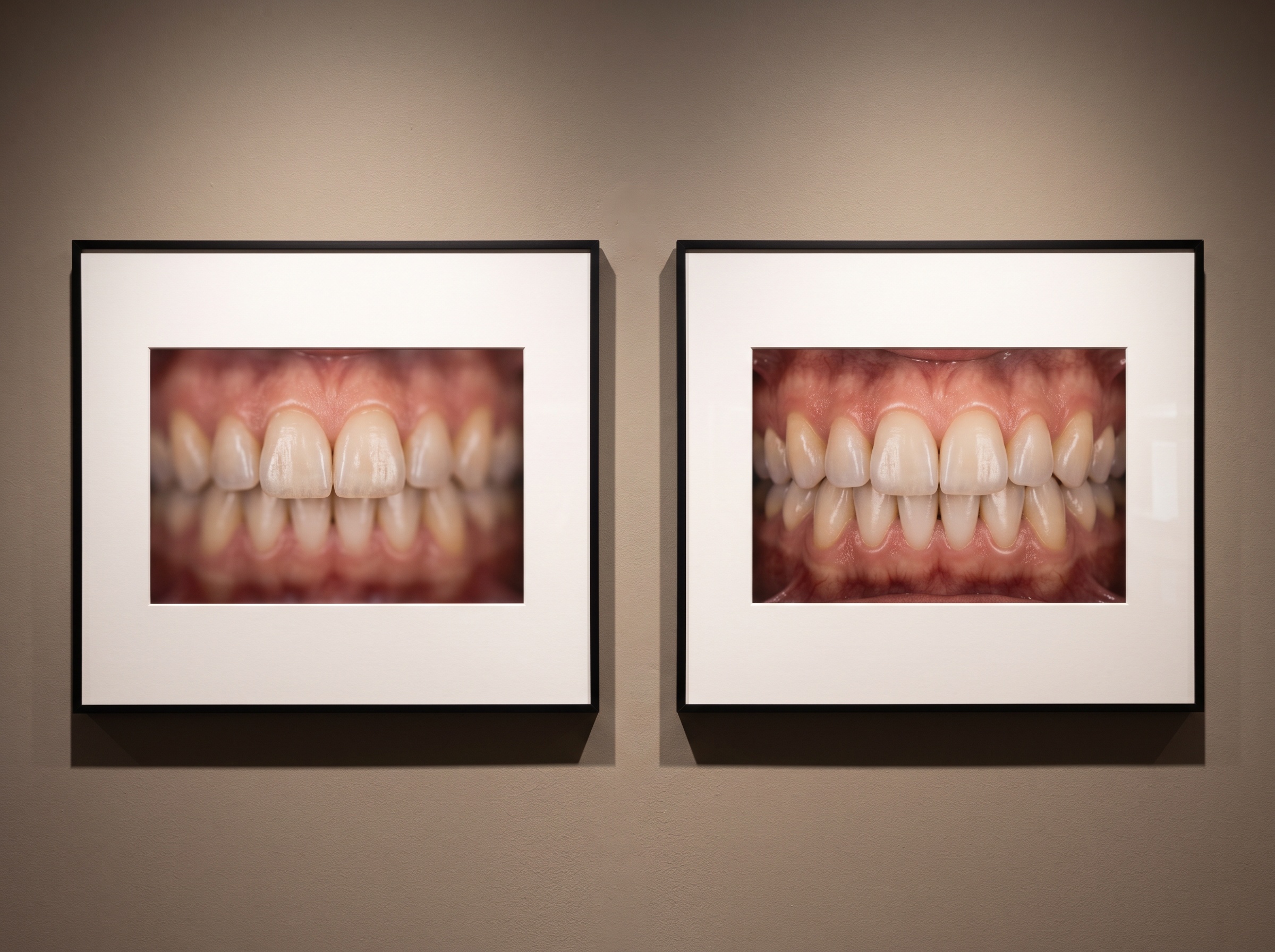
This is the detail that upends the usual “bigger sensor is better” instinct. In dental photography you are working at high magnification and close distance, where depth of field is cruelly shallow — and a smaller APS-C sensor delivers more depth of field than full-frame at the same framing and aperture. That means more of the arch stays sharp front to back without pushing the aperture so far that diffraction softens the image. An APS-C body also gives a given macro lens greater effective reach, usually costs less, and is lighter in a hand that holds it steady through a long day. For landscapes and weddings, full-frame earns its keep; for a retracted anterior view, APS-C is frequently the more clinical tool.
Whichever sensor you choose, the discipline of the image is set by lighting and technique, not the badge on the body. A dedicated flash at the lens front is what tames the glare and shadow of a wet, curved mouth — which is why a considered choice between a ring and a twin flash matters more than the body, and why twin-point flash lighting systems reward the practice that learns them. A cross-polarizing filter on that flash then strips the specular glare that no sensor can recover on its own.
Methodology and who this is for
These rankings weight macro capability, the native flash ecosystem, and clinical depth of field above resolution and video features, because those are the properties that decide whether a frame communicates accurately to a ceramist or a specialist. The ordering reflects a general practice building a documentation and shade-matching kit from scratch. If your priority is patient-education video, Sony’s autofocus moves it up; if several untrained staff will shoot, the EyeSpecial’s simplicity moves it up; if you already own lenses in one mount, that inertia reasonably outweighs every point above. Facts about each system are drawn from the manufacturers’ current public lineups — confirm the exact body, lens, and flash availability for your region before you buy, as model names rotate.
Two more truths that no camera fixes: color must be anchored at capture, so plan for a gray card and a custom white balance whatever body you choose, and the frame must be composed to a repeatable standard, which is the real subject of composing the retracted clinical portrait. Spend on the lens and flash; learn the technique; the body is the least of it.
Frequently asked questions
What is the best mirrorless camera for dental photography? For most practices, a current Canon EOS R, Nikon Z, or Sony Alpha body paired with a dedicated macro lens and a macro flash. Canon’s EOS R with the RF 100mm Macro and a twin flash is the most dental-proven all-round pick, but the lens-and-flash choice matters more than the body.
Do I need a full-frame camera for dental photography? No. An APS-C sensor usually gives more depth of field at the same framing and aperture, greater effective magnification, lower cost, and lighter weight — all advantages at the close, high-magnification distances of intraoral work. Full-frame offers no clinical advantage that outweighs these for routine dental documentation.
Which lens and flash should I pair with the body? A dedicated macro lens that reaches roughly 1:1 (around 90–105mm on full-frame, or its APS-C equivalent) and a ring or twin flash that mounts at the lens front. The flash is the hardest and most important part of the kit; budget for it as seriously as the body.
Is a dedicated dental camera like the Shofu EyeSpecial better than a mirrorless kit? It is better for simplicity and consistency across multiple untrained users, because its preset modes remove decisions. A mirrorless interchangeable-lens kit has a higher ceiling for esthetic and laboratory documentation and gives full raw control. Choose by how much control versus simplicity your clinic wants.
Future Developments
The direction of travel is toward cameras that think about the clinical scene rather than merely record it: computational macro that stacks focus in a single handheld burst to defeat the shallow depth of field we now work around, flash systems with cross-polarization built in rather than clipped on, and on-sensor color management that carries a calibrated profile from shutter to laboratory screen without a manual step. As that intelligence migrates into the body, the gap between a purpose-built dental camera and a general mirrorless kit will narrow from both ends. Until then, the choice remains refreshingly old-fashioned — a good macro lens, a well-understood flash, and a steady, practiced hand — and the best camera is simply the one your practice will pick up and use the same way, every time, for years.
No Comments