


March 19, 2026 AI-Powered Dental Radiography: Revolutionizing Anomaly Detection and Diagnostics in 2026
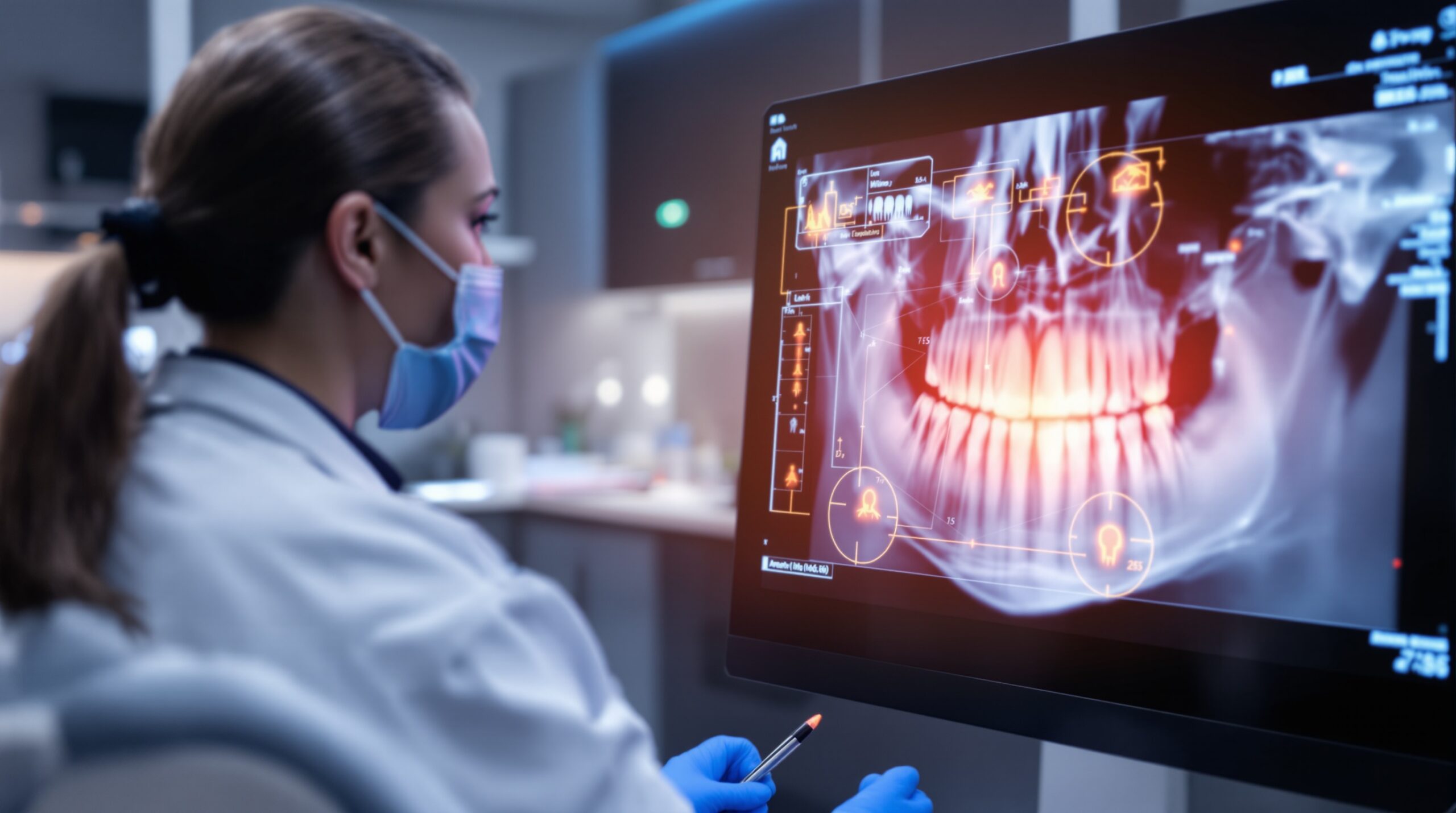
Artificial intelligence is transforming dental radiography, ushering in a new era of precision diagnostics and automated anomaly detection. As we advance through 2026, AI-powered imaging systems are becoming indispensable tools for dental professionals, offering unprecedented accuracy in identifying dental abnormalities that might otherwise go unnoticed.
The Evolution of AI in Dental Imaging
Modern dental practices are rapidly adopting artificial intelligence technologies to enhance their diagnostic capabilities. AI algorithms can now analyze digital radiographs, panoramic images, and CBCT scans with remarkable precision, identifying patterns and anomalies that even experienced practitioners might miss during initial examination.
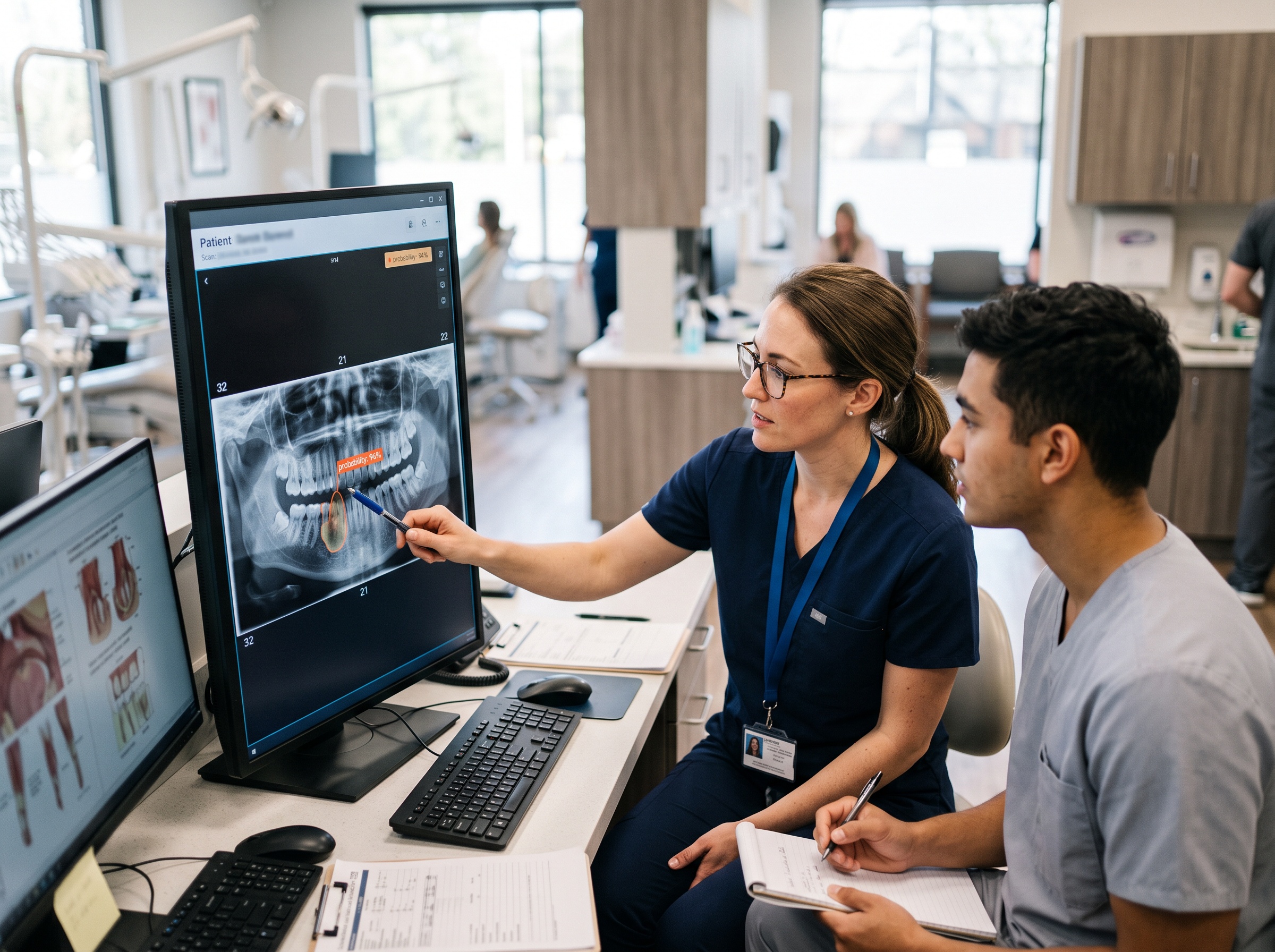
The integration of machine learning into dental radiography represents a significant leap forward from traditional diagnostic methods. These sophisticated systems can process vast amounts of imaging data, learning from thousands of cases to improve their detection accuracy continuously.
Key Applications in Anomaly Detection
AI-powered systems excel at identifying various dental conditions that traditionally required extensive manual review:
- Tooth Impaction: Automated detection of impacted wisdom teeth and other blocked eruptions
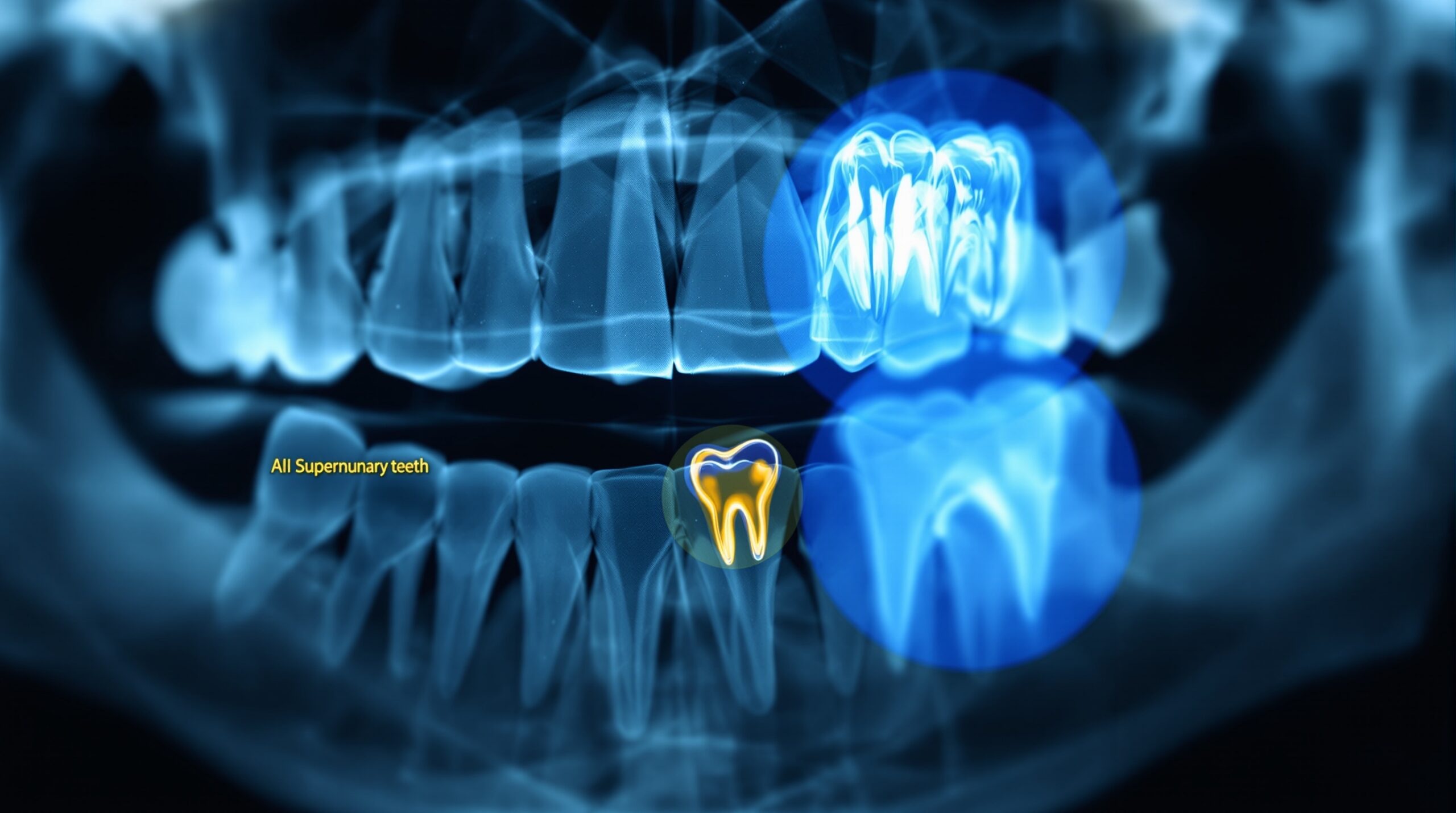
- Supernumerary Teeth: Identification of extra teeth that may impact orthodontic treatment planning
- Periapical Pathology: Early detection of infections and cysts around tooth roots
- Bone Loss: Precise measurement and monitoring of alveolar bone deterioration
- Caries Detection: Identification of cavities in their earliest stages
Enhanced Diagnostic Accuracy
Recent studies demonstrate that AI-assisted diagnostic systems achieve accuracy rates exceeding 98% in detecting common dental anomalies. This remarkable precision stems from the technology’s ability to analyze subtle variations in tissue density and structural patterns that might escape human observation.
Support Vector Machine (SVM) algorithms have proven particularly effective in landmark detection and abnormality identification on cephalometric images, revolutionizing orthodontic treatment planning and surgical procedures.
3D Imaging and CBCT Integration
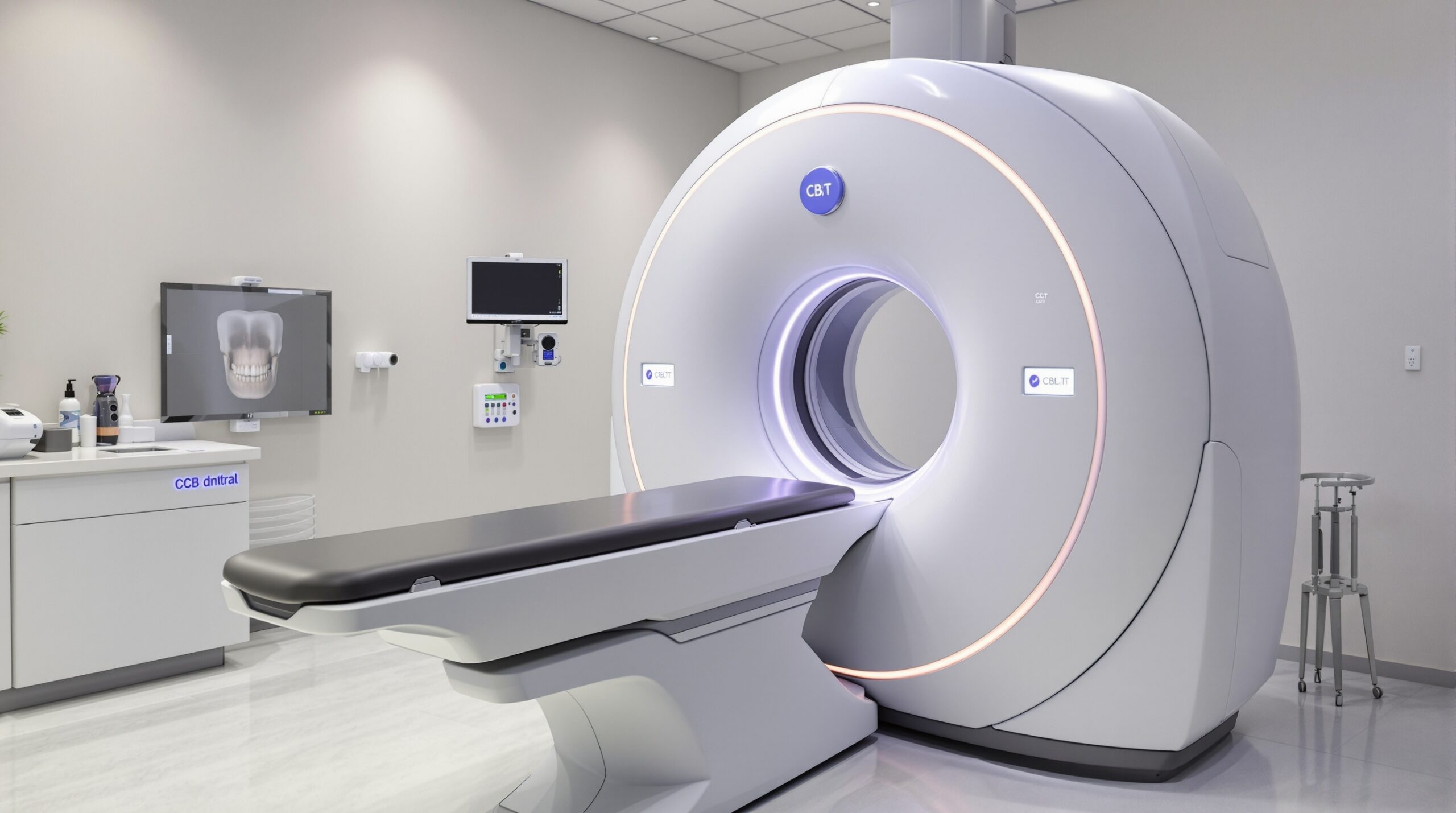
The combination of AI with Cone Beam Computed Tomography (CBCT) represents the cutting edge of dental diagnostics. Three-dimensional imaging provides comprehensive views of dental and maxillofacial structures, while AI algorithms analyze these complex datasets to identify anomalies across multiple planes simultaneously.
This integrated approach enables dentists to:
- Plan complex surgical procedures with greater precision
- Assess root canal anatomy before endodontic treatment
- Evaluate temporomandibular joint disorders
- Monitor healing progress in implant patients
Clinical Photography and AI Analysis
Beyond radiographic imaging, AI systems are now capable of analyzing clinical photographs to detect dental anomalies visible to the naked eye. This capability proves invaluable for documenting treatment progress and identifying conditions that may not be apparent on traditional X-rays.
Real-World Implementation Challenges
Despite its impressive capabilities, AI in dental radiography faces several implementation challenges:
- Training Dataset Requirements: AI systems require extensive, high-quality datasets for optimal performance
- Integration with Existing Systems: Compatibility with current practice management software
- Regulatory Compliance: Meeting healthcare data privacy and security standards
- Professional Training: Ensuring dental professionals can effectively interpret AI-generated results
Future Directions and Market Growth
The digital dental radiography market is experiencing robust expansion, with artificial intelligence integration driving significant growth. Current market trends indicate a compound annual growth rate of 7.37%, reflecting increasing adoption across dental practices worldwide.
Cloud-based imaging platforms are emerging as key solutions, connecting multiple practice locations and enabling collaborative diagnosis across dental networks. These platforms facilitate real-time consultation and second opinions, enhancing diagnostic confidence and patient outcomes.
Emerging Technologies
Looking ahead, several technological advances promise to further enhance AI-powered dental radiography:
- Real-time Analysis: Instant anomaly detection during image acquisition
- Predictive Modeling: Forecasting disease progression and treatment outcomes
- Multi-modal Integration: Combining radiographic, photographic, and clinical data
- Automated Reporting: Generated diagnostic reports with treatment recommendations
Conclusion
AI-powered dental radiography represents a paradigm shift in diagnostic dentistry, offering unprecedented accuracy in anomaly detection and diagnostic precision. As these technologies continue to evolve, dental professionals who embrace AI integration will provide superior patient care while improving practice efficiency.
The future of dental imaging lies in the seamless integration of artificial intelligence with traditional diagnostic expertise, creating a collaborative approach that leverages the best of both human knowledge and machine precision. As we progress through 2026, AI-assisted radiography will undoubtedly become the standard of care in progressive dental practices worldwide.
Sorry, the comment form is closed at this time.