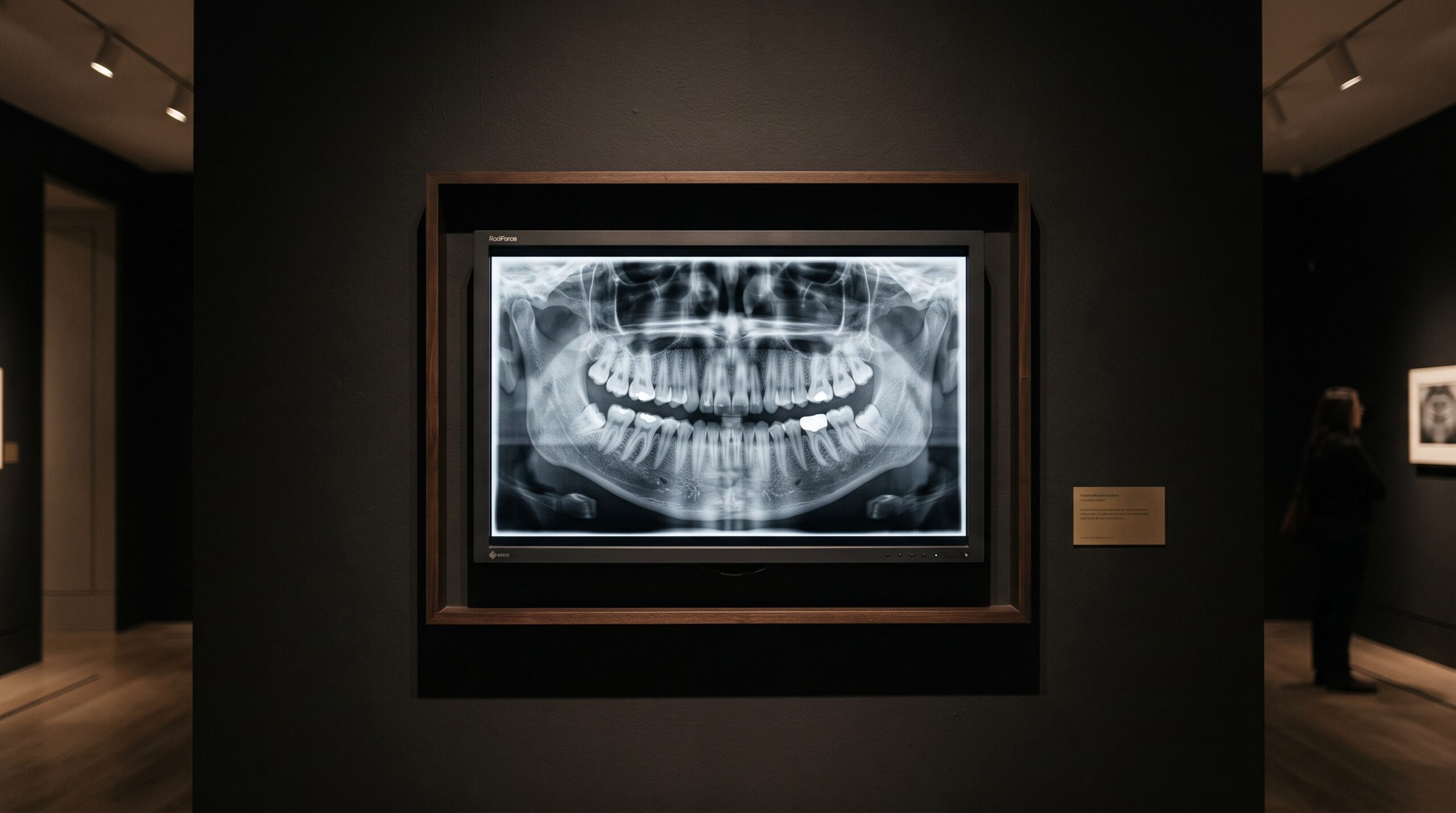
Cone Beam Computed Tomography (CBCT) has revolutionized dental imaging by providing exceptional 3D visualization capabilities. However, optimizing radiation exposure while maintaining diagnostic quality remains paramount for patient safety and clinical excellence. Modern dental practices are increasingly adopting low-dose CBCT protocols that can reduce radiation exposure by...

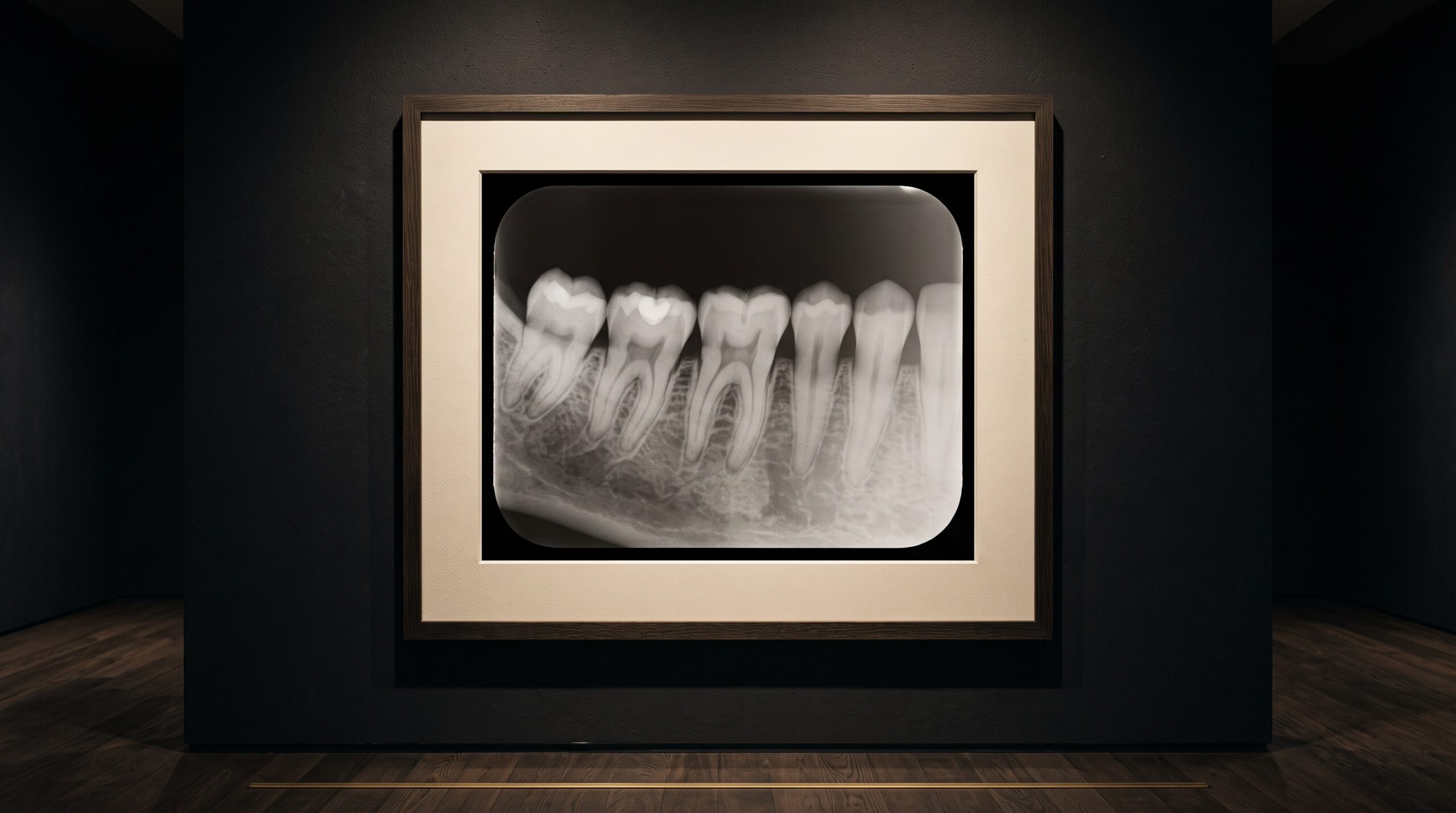
Bitewing radiography remains one of the most frequently performed dental imaging procedures, essential for detecting interproximal caries, evaluating bone levels, and monitoring periodontal health. However, achieving optimal diagnostic quality while ensuring patient comfort requires mastering specific positioning techniques and understanding the nuances of sensor placement. Fundamentals...

Ultrasound elastography represents a groundbreaking advancement in dental imaging technology, offering clinicians the ability to assess tissue stiffness and mechanical properties in real-time. This revolutionary diagnostic tool is transforming the way dental professionals evaluate temporomandibular joint (TMJ) disorders, masseter muscle conditions, and various oral tissue...

Digital Subtraction Radiography (DSR) represents a revolutionary advancement in dental imaging technology, offering unparalleled precision in detecting and monitoring subtle changes in oral and maxillofacial structures. This sophisticated technique has transformed how dental professionals approach diagnostic imaging by eliminating anatomical noise and highlighting even the...

Cephalometric radiography stands as the cornerstone of orthodontic diagnosis and treatment planning, providing standardized lateral and posteroanterior views of craniofacial structures that enable precise analysis of skeletal relationships. This specialized imaging technique utilizes a cephalostat to ensure reproducible positioning and consistent magnification, making it indispensable...

Photostimulable phosphor plates (PSP) represent a pivotal advancement in digital dental radiography, offering dental professionals a cost-effective transition from traditional film-based imaging to digital workflows. This semi-direct digital imaging technology combines the familiar feel of conventional radiography with the benefits of digital processing and storage....

Understanding Occlusal Radiography Occlusal radiography provides a unique cross-sectional view of dental structures, offering diagnostic capabilities that complement traditional periapical and bitewing techniques. This specialized imaging method captures a broader view of the maxillary or mandibular arch, making it invaluable for detecting pathology, locating impacted teeth,...

Dental ultrasound imaging represents a revolutionary advancement in diagnostic technology, offering clinicians a radiation-free alternative to traditional radiographic methods. This innovative approach has gained significant momentum in modern dentistry, providing real-time visualization of both hard and soft tissues while eliminating patient exposure to ionizing radiation. The...

Bitewing radiography remains a cornerstone of dental diagnostics, providing critical information about caries detection and periodontal health assessment. The choice between vertical and horizontal bitewing orientations significantly impacts diagnostic accuracy and clinical decision-making. Recent research and updated 2026 guidelines offer new insights into optimal positioning...

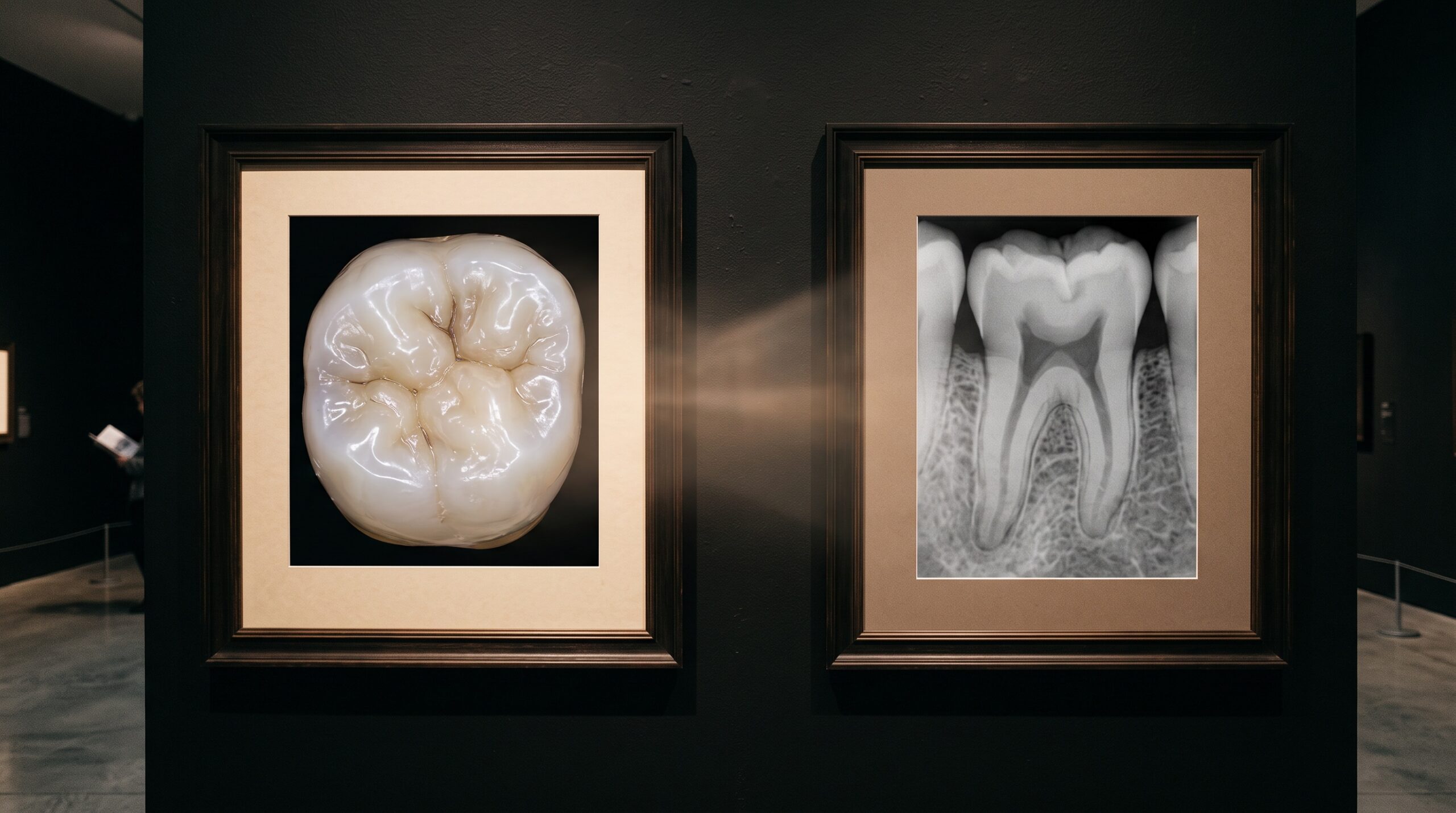
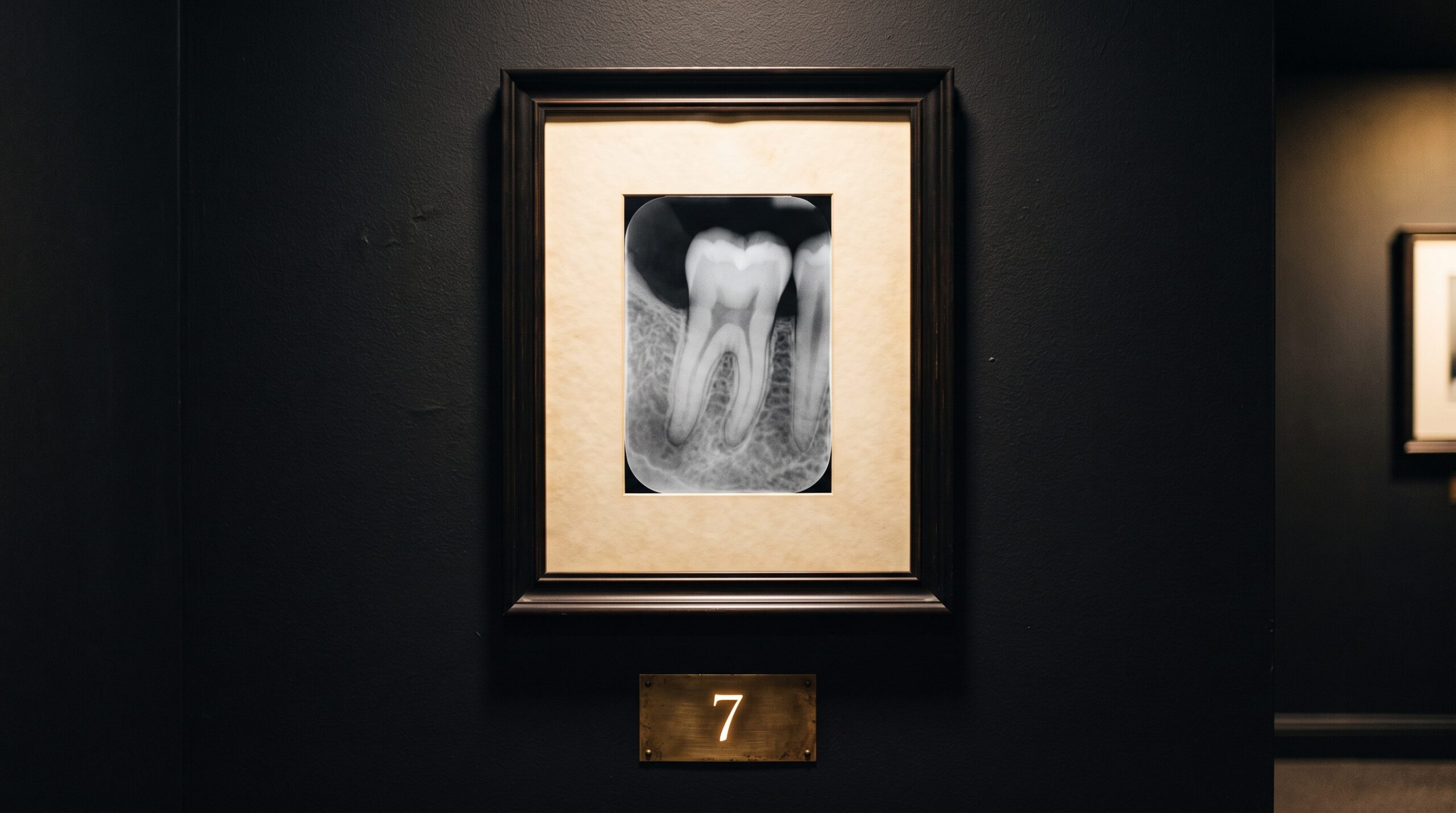
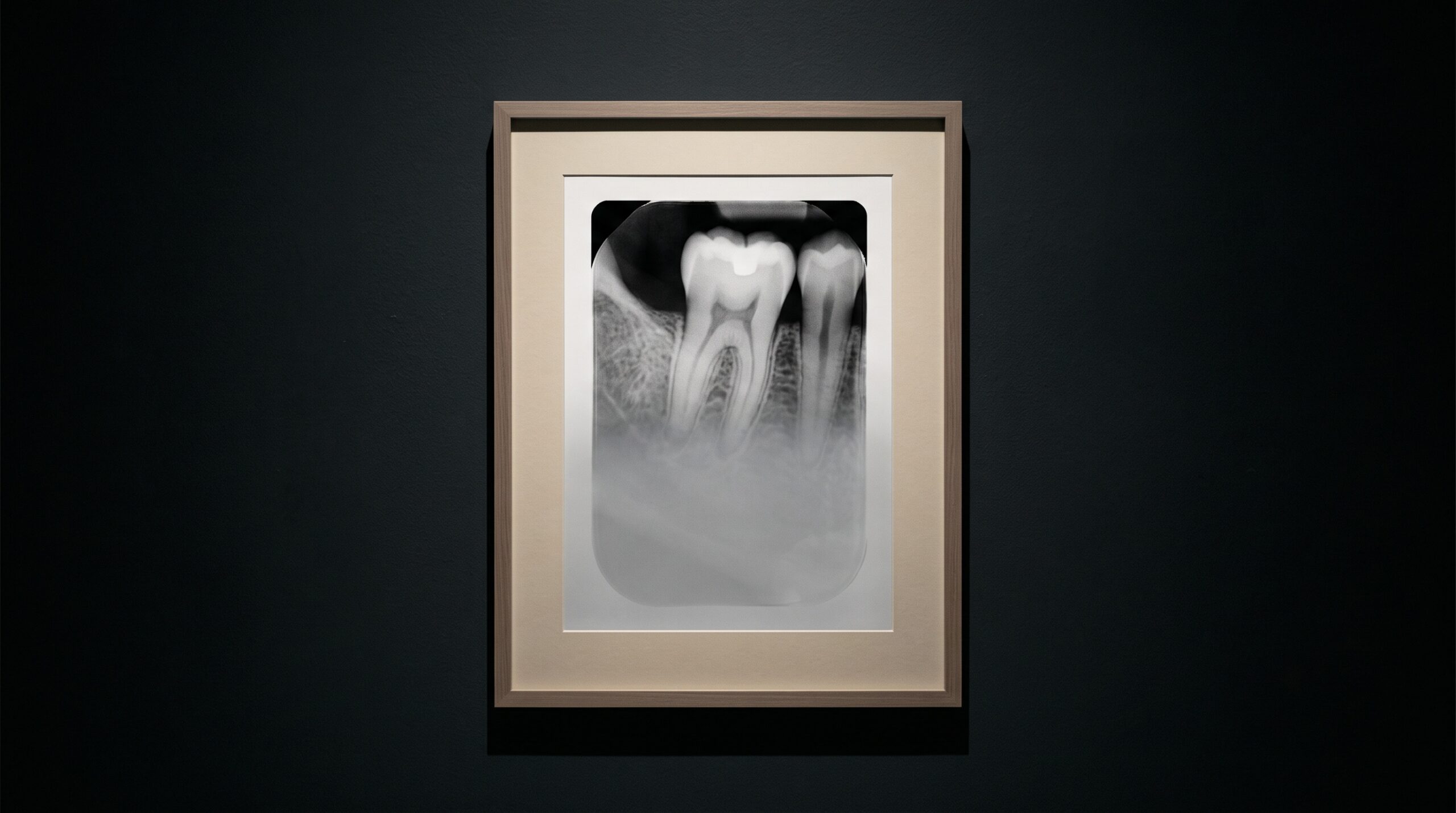
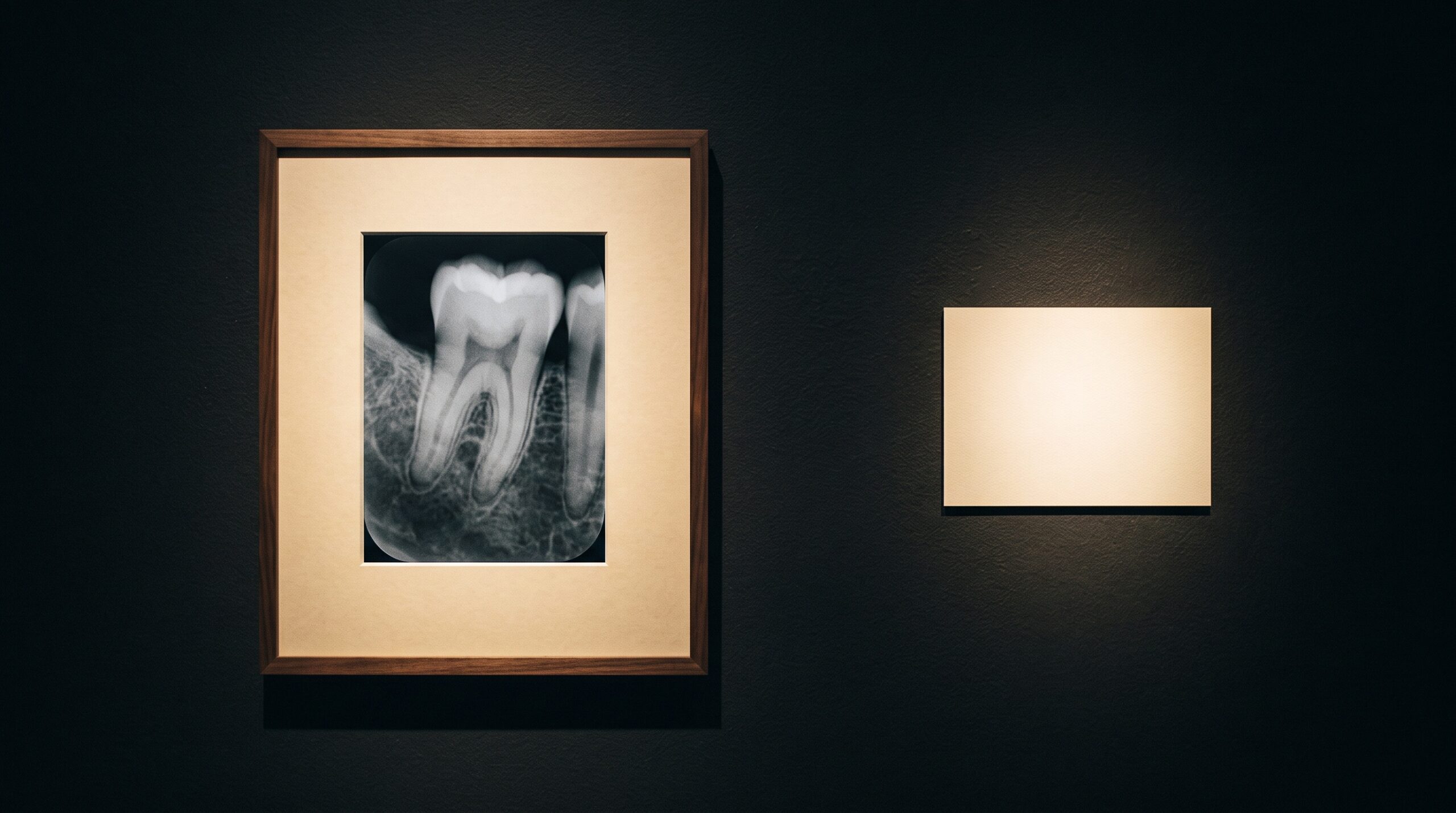
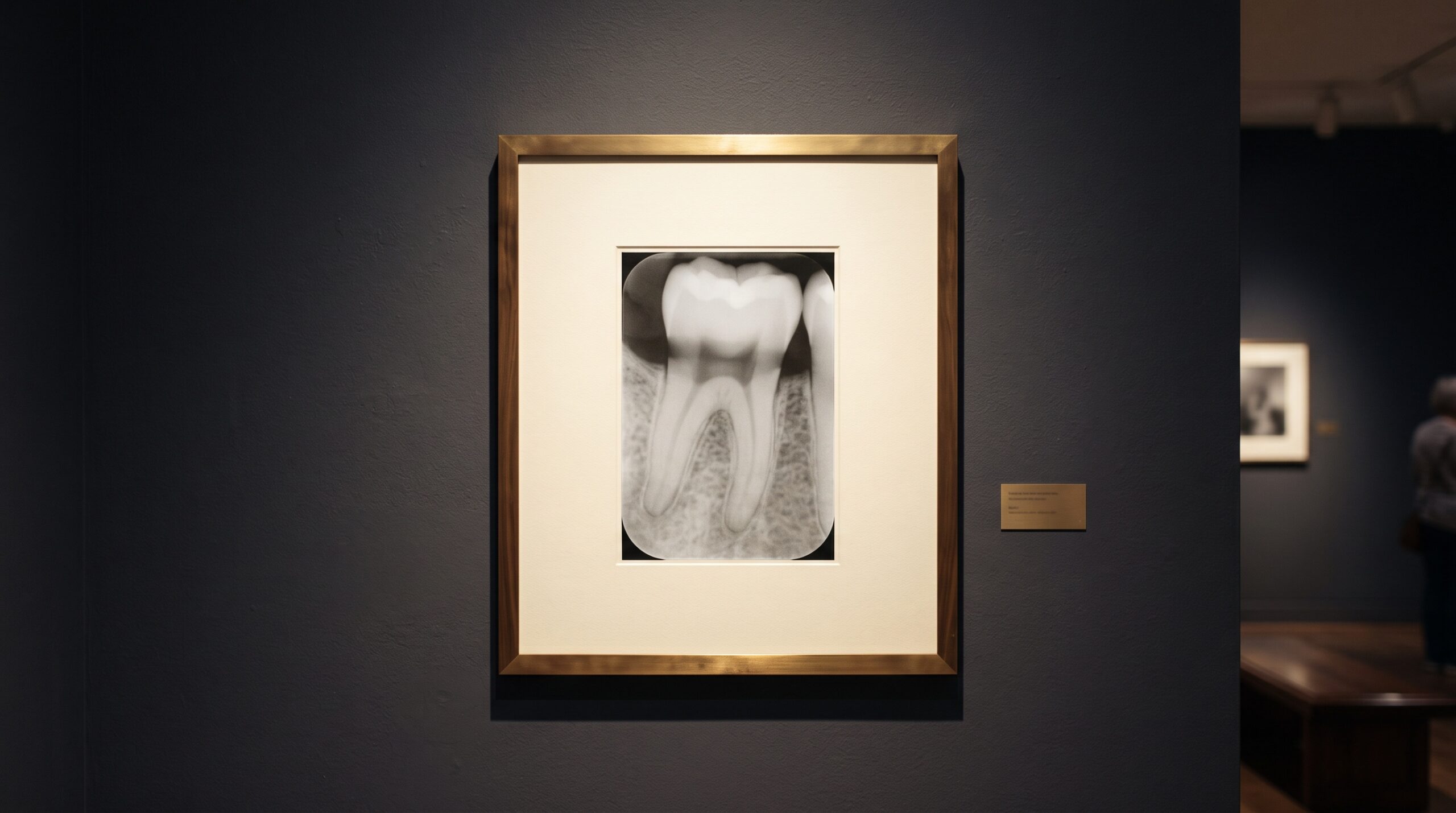
Periapical radiography remains the cornerstone of endodontic diagnosis and treatment planning, serving as the primary imaging modality for root canal therapy. Understanding proper technique, interpretation, and integration with modern diagnostic tools is essential for successful endodontic outcomes. The Foundation of Endodontic Imaging Intraoral periapical (IOPA) radiographs provide...