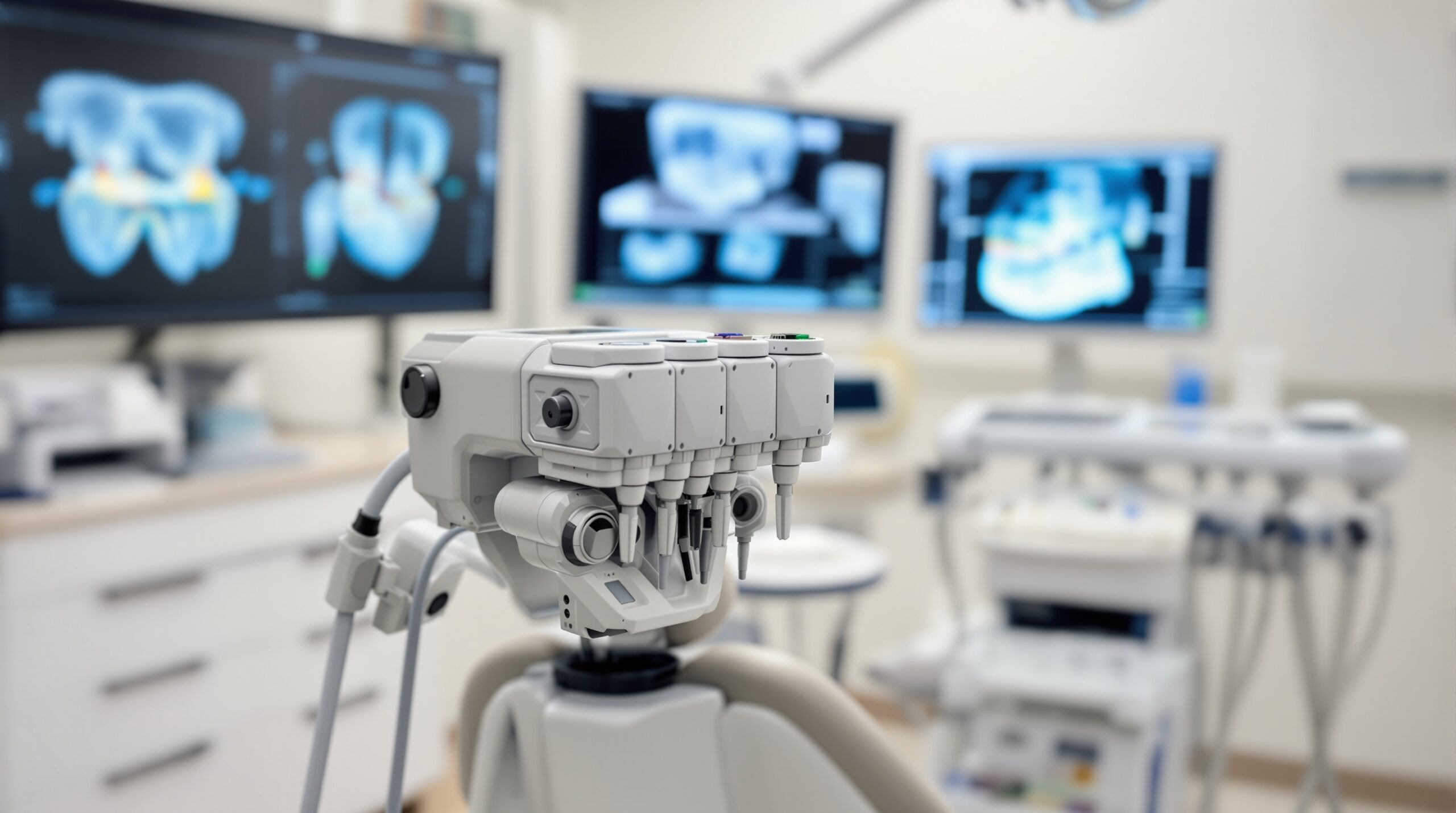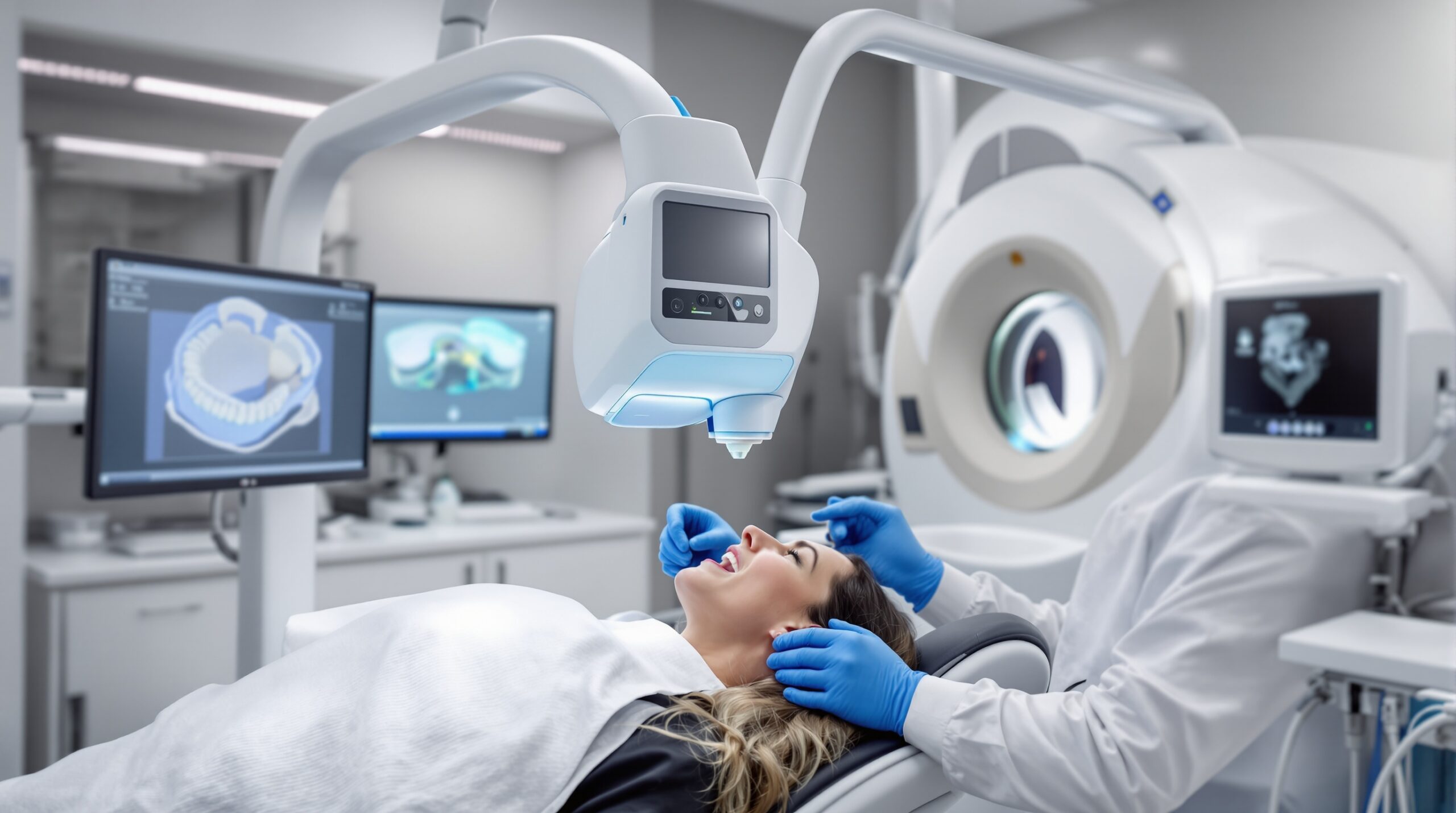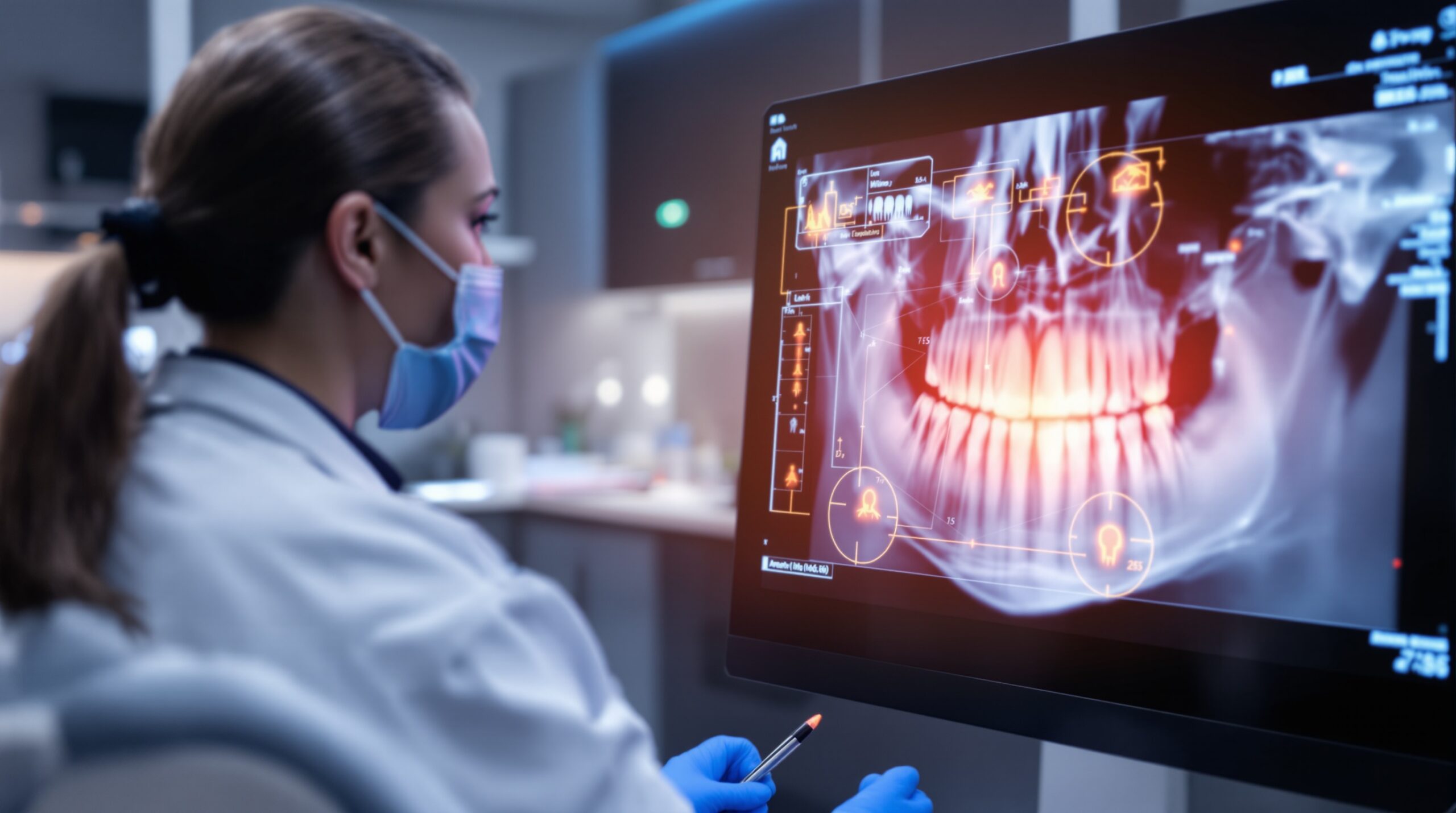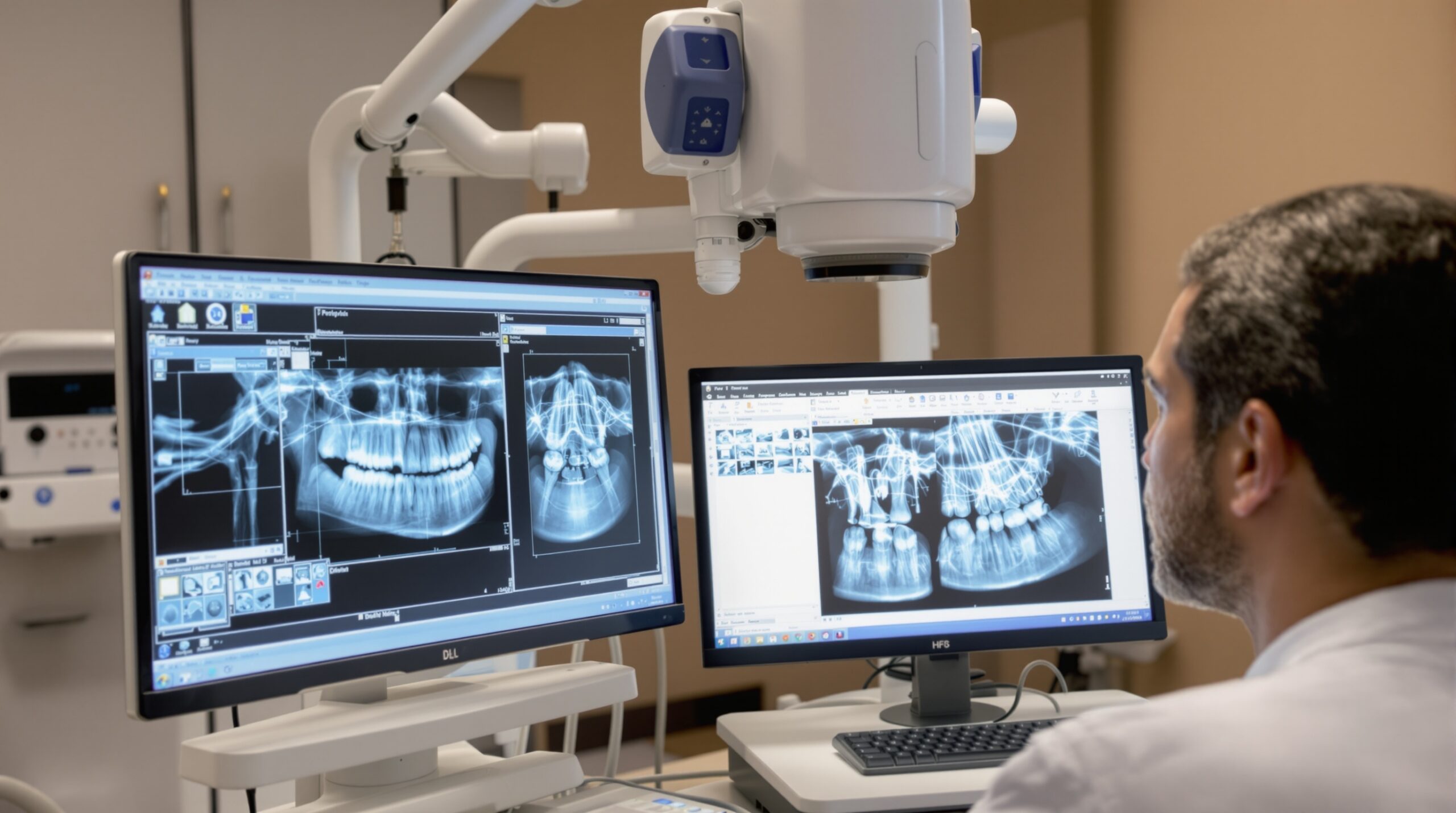
Digital Subtraction Radiography (DSR) represents a revolutionary advancement in dental imaging technology, offering unparalleled precision in detecting and monitoring subtle changes in oral and maxillofacial structures. This sophisticated technique has transformed how dental professionals approach diagnostic imaging by eliminating anatomical noise and highlighting even the...
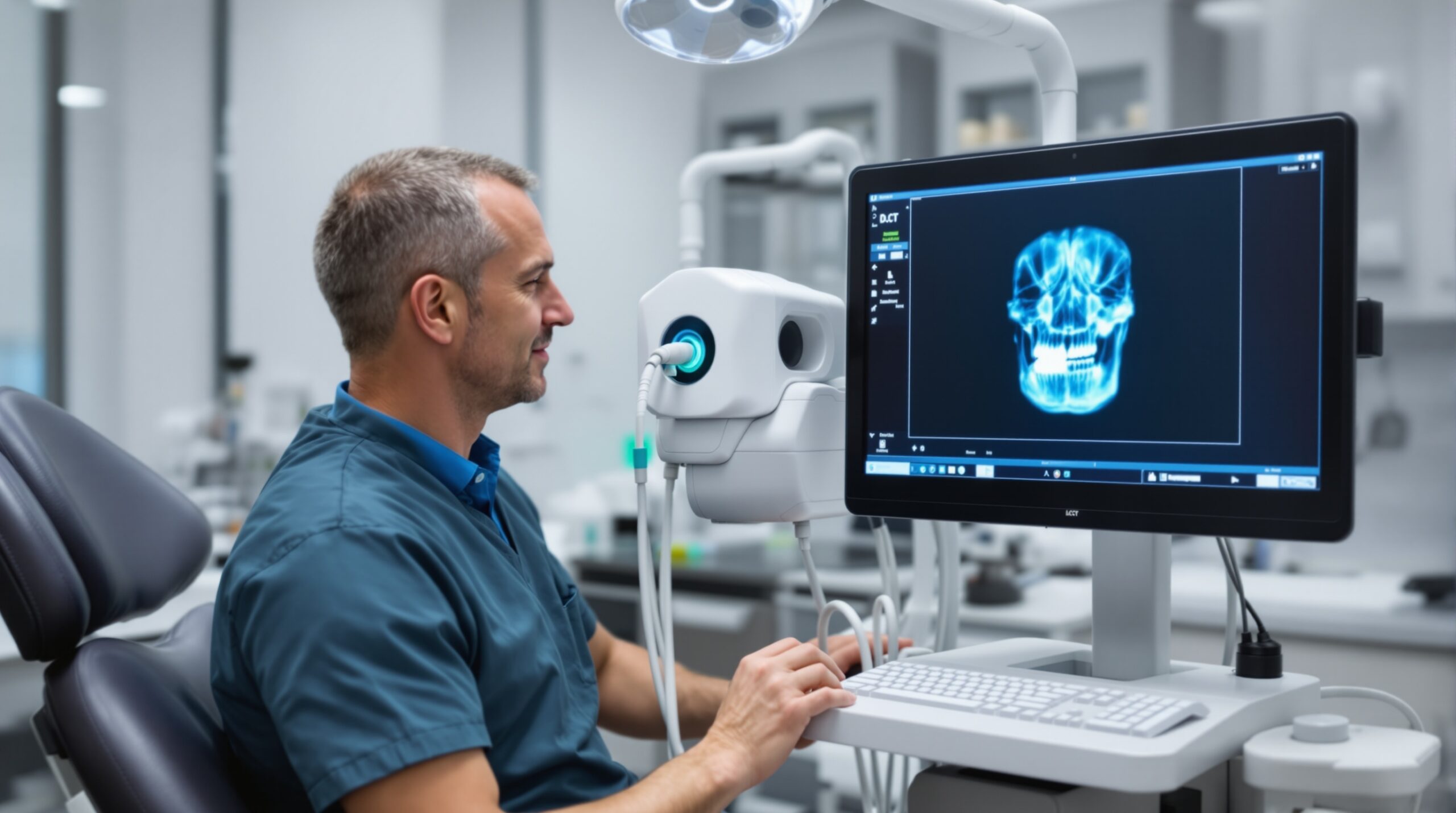
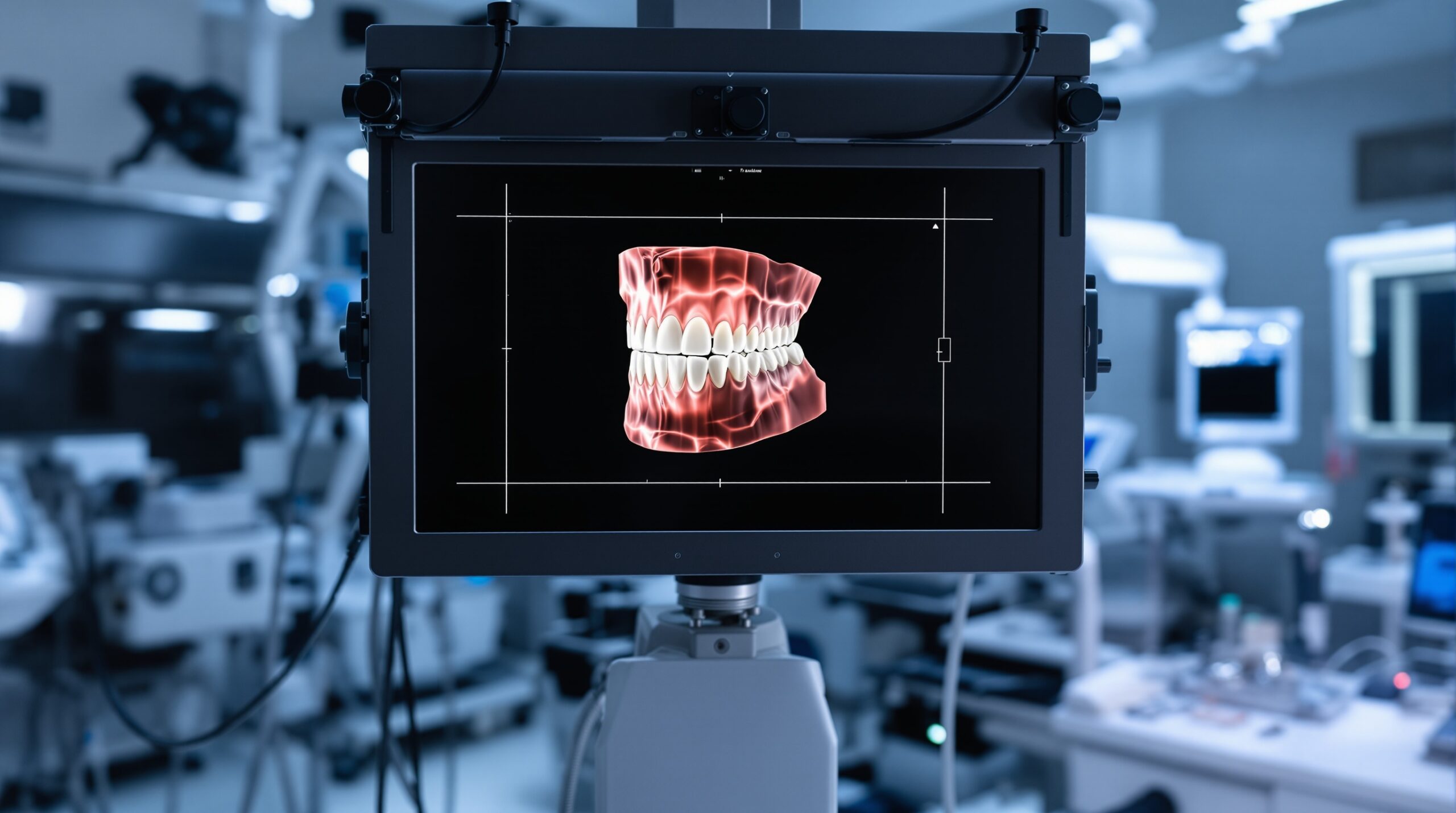
Optical coherence tomography (OCT) represents a groundbreaking advancement in dental imaging technology, offering clinicians unprecedented visualization capabilities for oral tissues without invasive procedures. Often referred to as an "optical biopsy," OCT provides high-resolution, cross-sectional imaging that rivals histopathological examination quality. Understanding OCT Technology OCT operates on the...

Close-range photogrammetry is transforming dental imaging by offering unprecedented accuracy and detail in 3D reconstruction of oral structures. This innovative technology combines multiple photographic perspectives to create precise digital models, revolutionizing diagnosis and treatment planning in modern dentistry. Understanding Close-Range Photogrammetry Close-range photogrammetry-based dental imaging (CPDI) represents...

Dental-Dedicated MRI: The Future of Radiation-Free Oral Imaging Magnetic Resonance Imaging (MRI) technology has revolutionized medical diagnostics across numerous specialties, and now dental-dedicated MRI (ddMRI) is emerging as a groundbreaking advancement in oral healthcare. This innovative approach to dental imaging offers unprecedented visualization of soft tissues...

Stationary Intraoral Tomosynthesis (sIOT) represents a revolutionary advancement in dental imaging technology, offering clinicians an innovative solution that bridges the gap between traditional 2D radiography and full 3D cone-beam computed tomography (CBCT). This cutting-edge imaging modality provides enhanced diagnostic capabilities while maintaining radiation doses comparable...

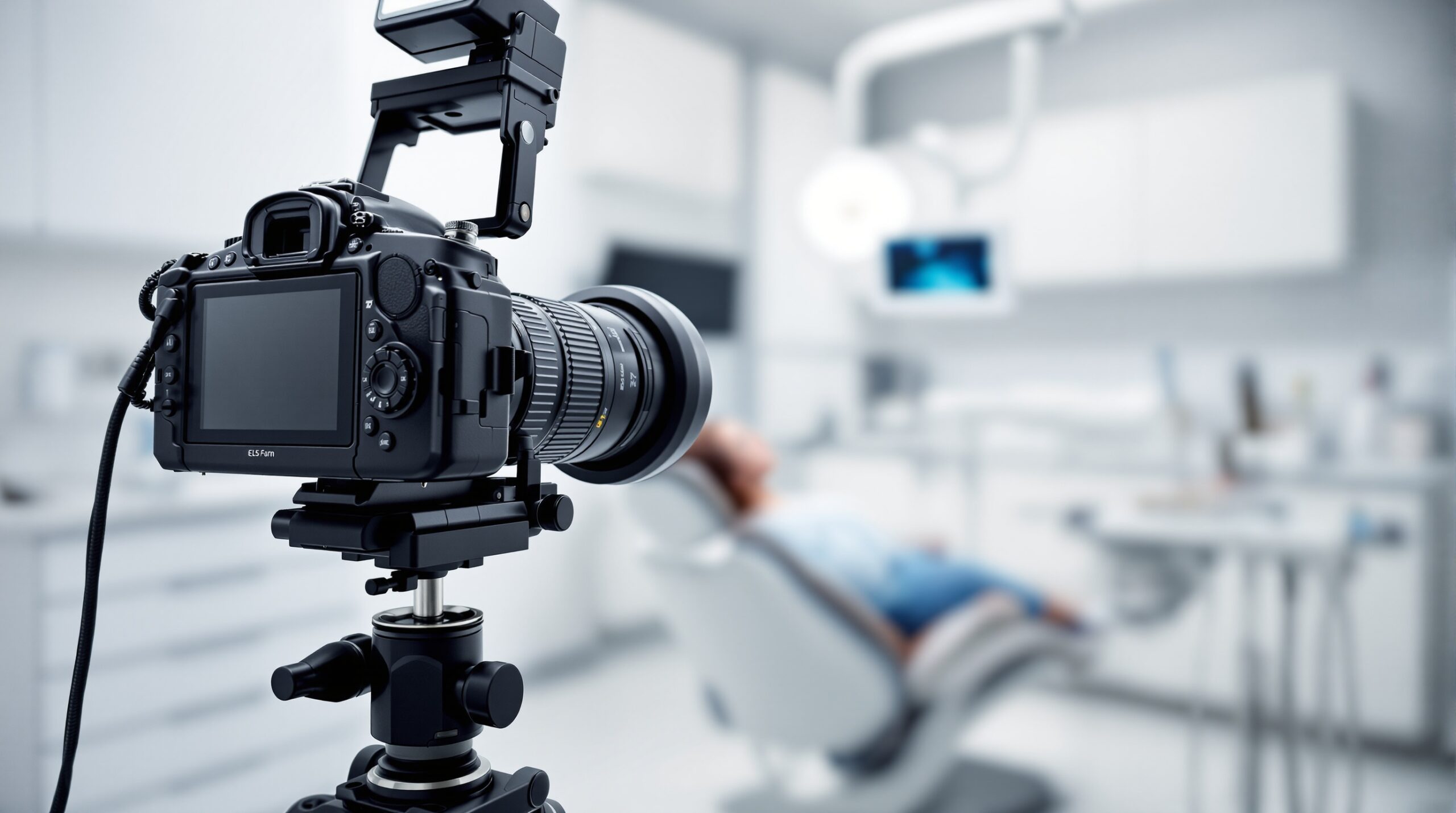
Professional dental photography has evolved from optional documentation to an essential component of comprehensive patient care. Modern dental practices require standardized protocols to ensure consistent, high-quality clinical images that support diagnosis, treatment planning, and patient communication.Essential Equipment and Setup StandardsSuccessful clinical photography begins with proper...

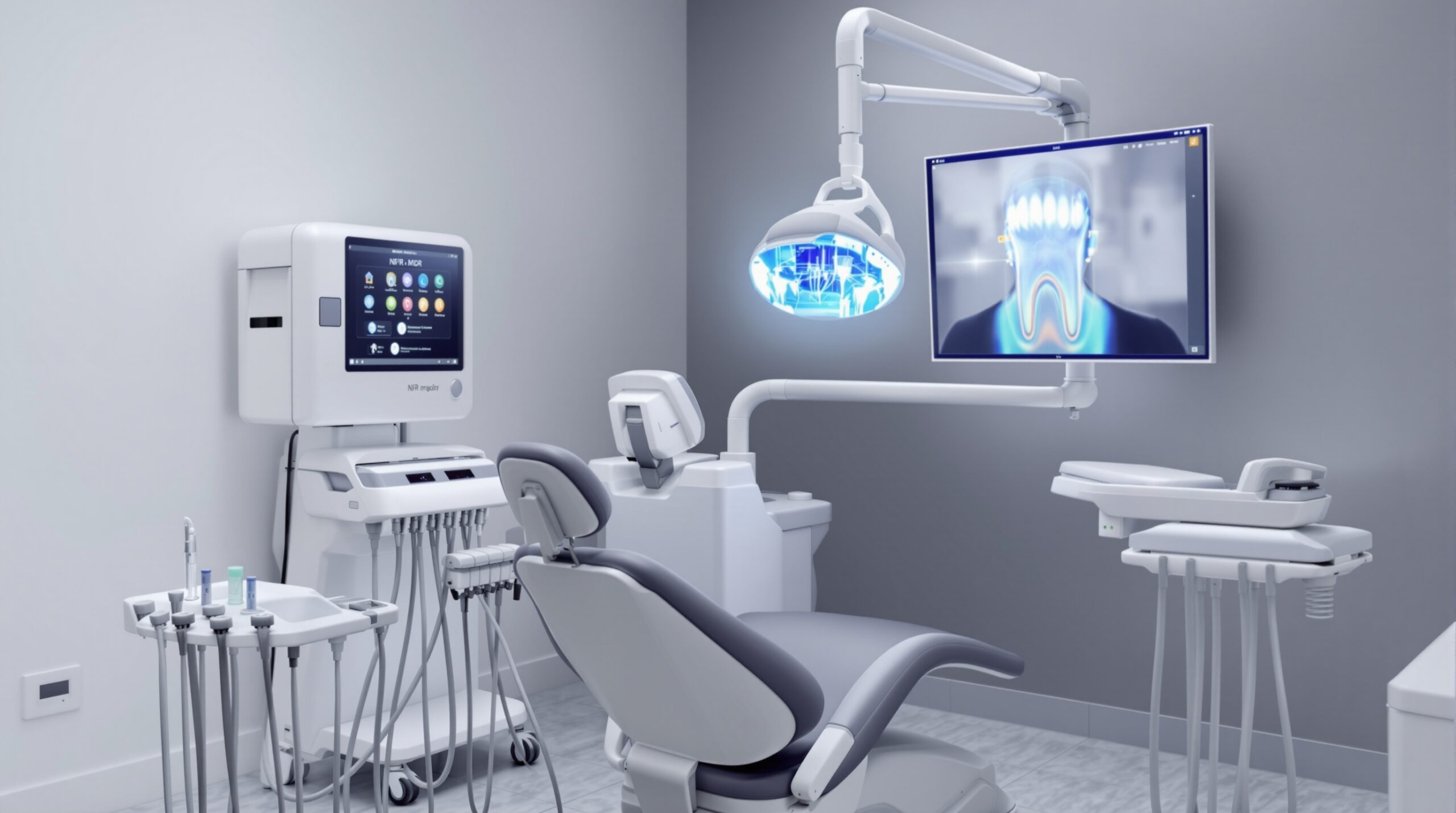
Near-infrared transillumination (NIRT) represents a revolutionary advancement in dental imaging technology, offering practitioners a radiation-free method for detecting early-stage dental caries and internal tooth pathology. This innovative diagnostic tool utilizes wavelengths in the 780nm range to penetrate dental tissues and reveal hidden defects that traditional...

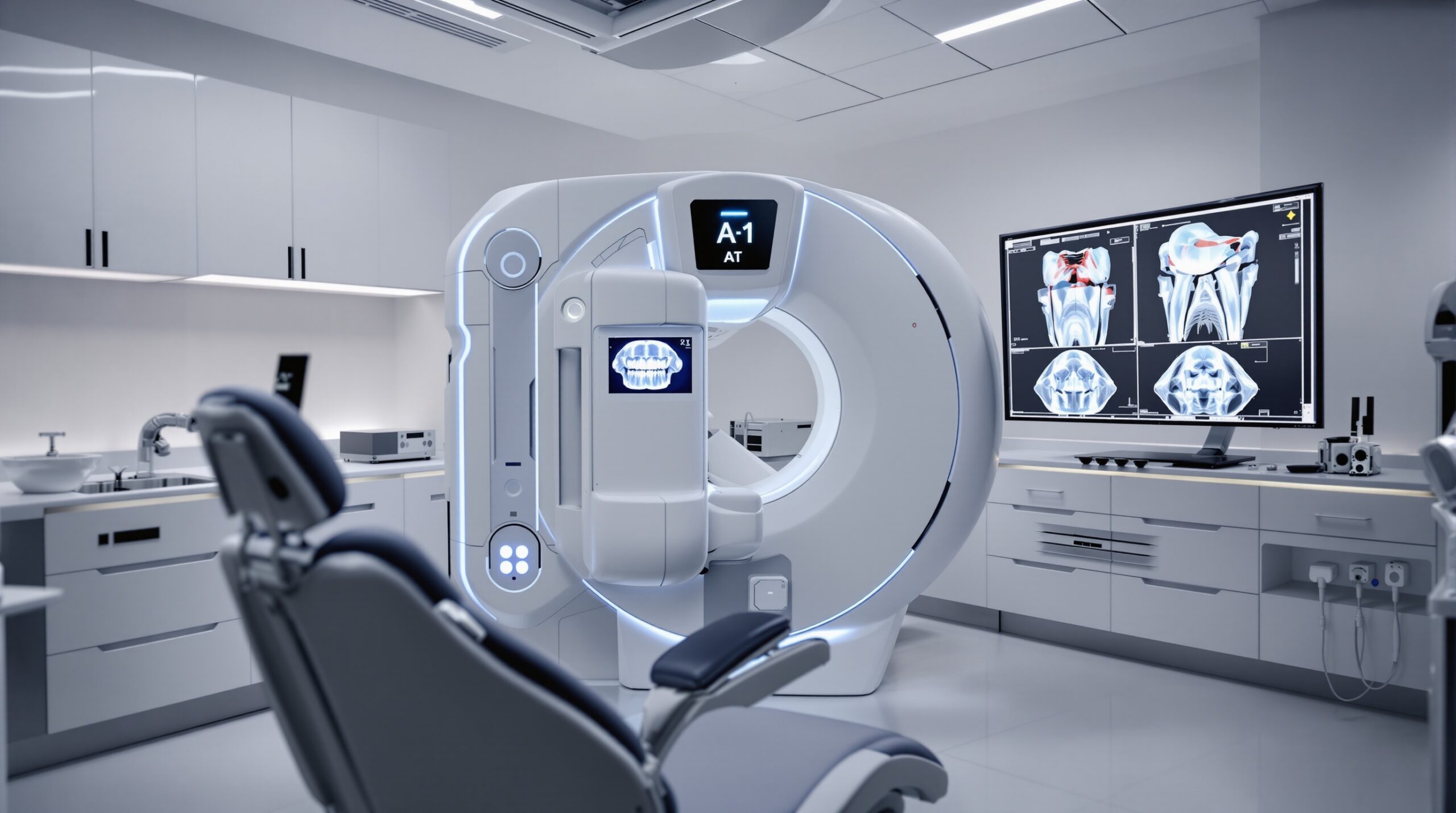
The integration of artificial intelligence (AI) with cone beam computed tomography (CBCT) is revolutionizing dental imaging, offering unprecedented accuracy in diagnostics and treatment planning. This technological advancement represents a significant leap forward in dental care, combining the detailed 3D visualization capabilities of CBCT with the...

The dental imaging landscape continues to evolve rapidly in 2026, with the integration of intraoral scanners (IOS) and Cone Beam Computed Tomography (CBCT) systems delivering unprecedented diagnostic precision and treatment planning capabilities. This technological convergence is revolutionizing how dental professionals approach complex cases across implantology,...

Artificial intelligence is transforming dental radiography, ushering in a new era of precision diagnostics and automated anomaly detection. As we advance through 2026, AI-powered imaging systems are becoming indispensable tools for dental professionals, offering unprecedented accuracy in identifying dental abnormalities that might otherwise go unnoticed. The...