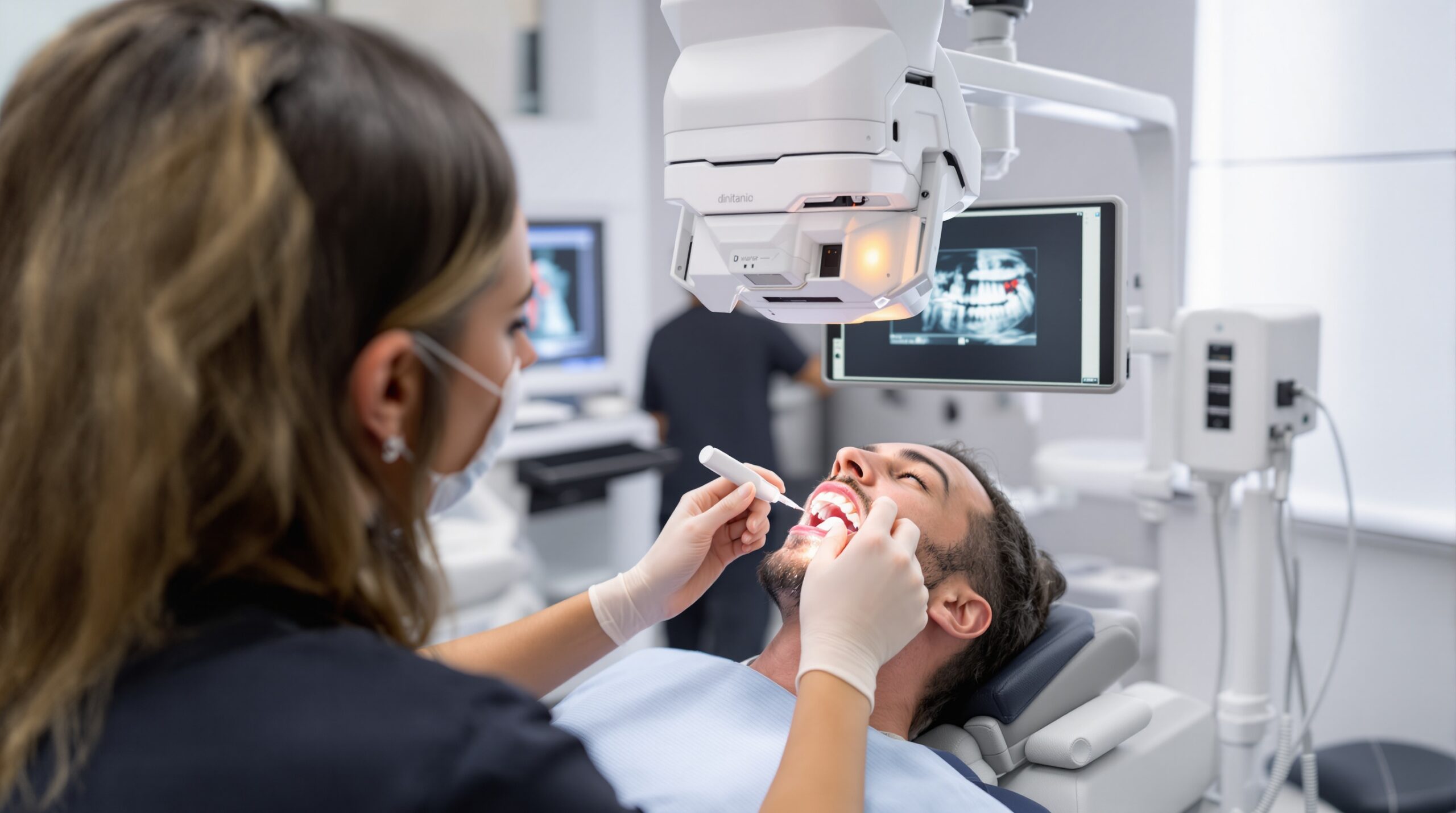
Cephalometric radiography stands as the cornerstone of orthodontic diagnosis and treatment planning, providing standardized lateral and posteroanterior views of craniofacial structures that enable precise analysis of skeletal relationships. This specialized imaging technique utilizes a cephalostat to ensure reproducible positioning and consistent magnification, making it indispensable...

Stationary Intraoral Tomosynthesis (sIOT) represents a revolutionary advancement in dental imaging technology, offering clinicians an innovative solution that bridges the gap between traditional 2D radiography and full 3D cone-beam computed tomography (CBCT). This cutting-edge imaging modality provides enhanced diagnostic capabilities while maintaining radiation doses comparable...

Professional dental photography has evolved from optional documentation to an essential component of comprehensive patient care. Modern dental practices require standardized protocols to ensure consistent, high-quality clinical images that support diagnosis, treatment planning, and patient communication.Essential Equipment and Setup StandardsSuccessful clinical photography begins with proper...

Photostimulable phosphor plates (PSP) represent a pivotal advancement in digital dental radiography, offering dental professionals a cost-effective transition from traditional film-based imaging to digital workflows. This semi-direct digital imaging technology combines the familiar feel of conventional radiography with the benefits of digital processing and storage....

Near-infrared transillumination (NIRT) represents a revolutionary advancement in dental imaging technology, offering practitioners a radiation-free method for detecting early-stage dental caries and internal tooth pathology. This innovative diagnostic tool utilizes wavelengths in the 780nm range to penetrate dental tissues and reveal hidden defects that traditional...

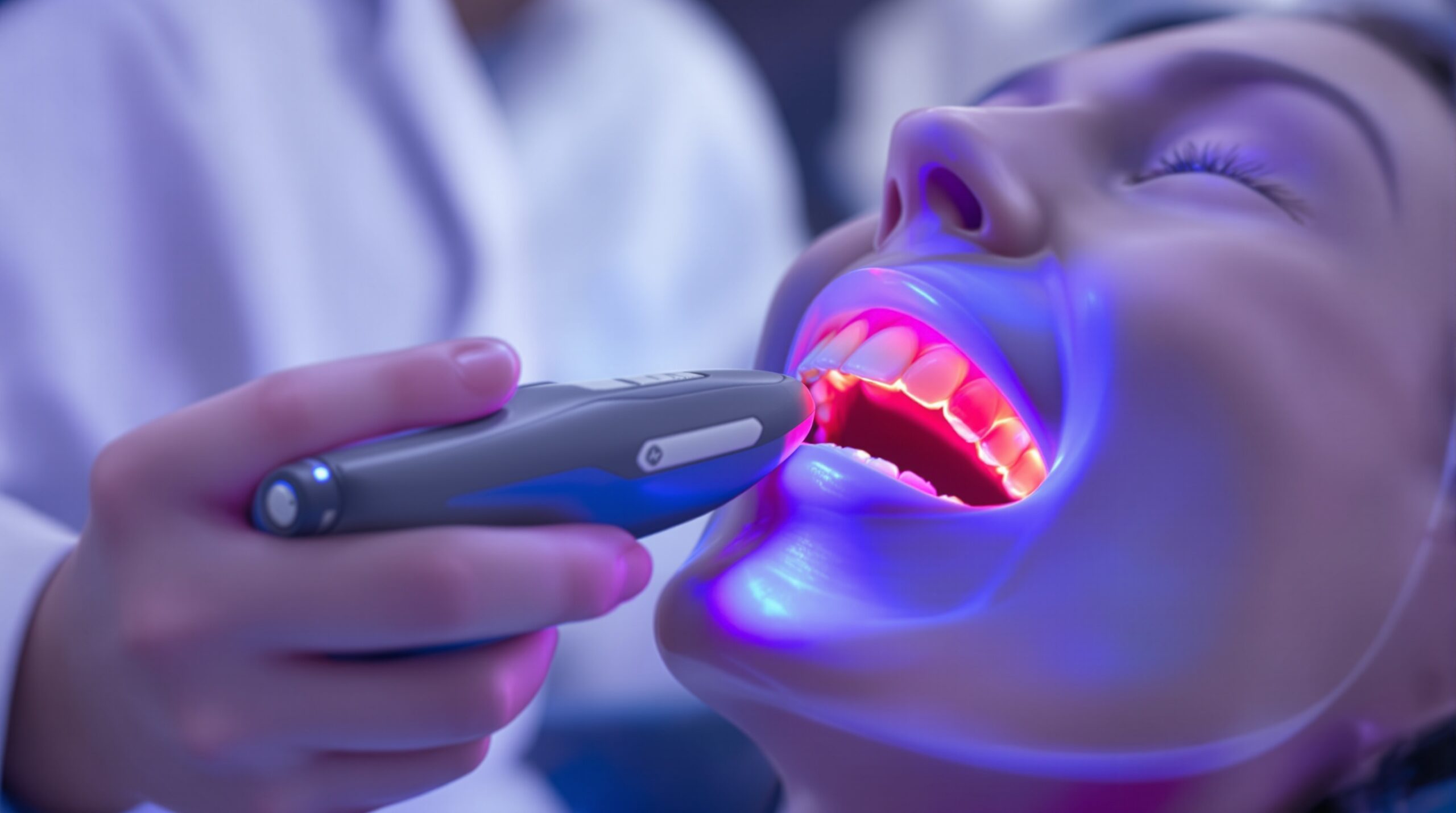
Quantitative Light-Induced Fluorescence (QLF) represents a revolutionary advancement in dental caries detection and monitoring, offering clinicians unprecedented precision in identifying early demineralization processes that traditional visual and radiographic methods often miss. This non-invasive optical imaging technique harnesses the natural fluorescence properties of tooth structure to...

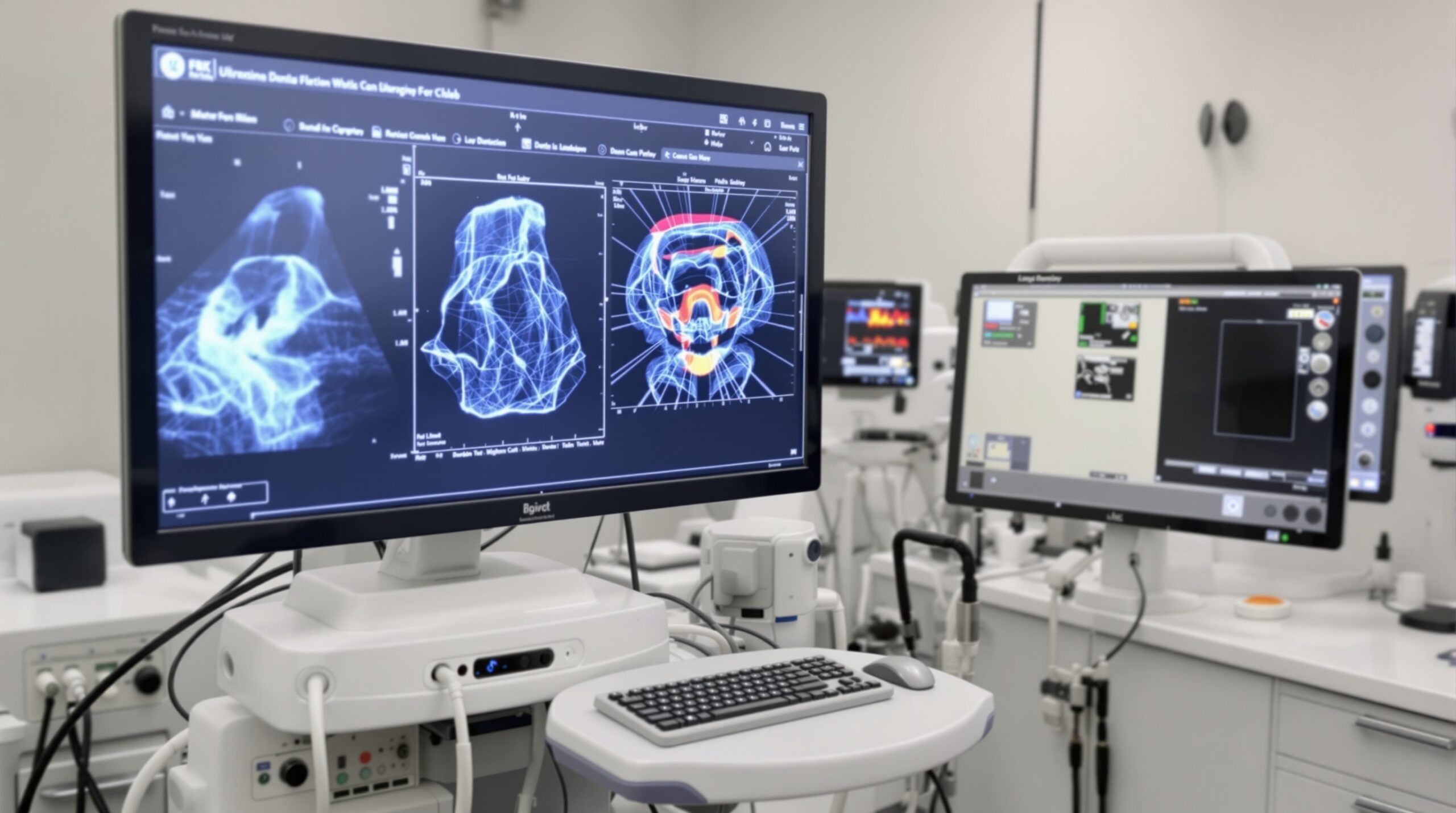
Dental ultrasound imaging represents a revolutionary advancement in diagnostic technology, offering clinicians a radiation-free alternative to traditional radiographic methods. This innovative approach has gained significant momentum in modern dentistry, providing real-time visualization of both hard and soft tissues while eliminating patient exposure to ionizing radiation. The...

Bitewing radiography remains a cornerstone of dental diagnostics, providing critical information about caries detection and periodontal health assessment. The choice between vertical and horizontal bitewing orientations significantly impacts diagnostic accuracy and clinical decision-making. Recent research and updated 2026 guidelines offer new insights into optimal positioning...

Periapical radiography remains the cornerstone of endodontic diagnosis and treatment planning, serving as the primary imaging modality for root canal therapy. Understanding proper technique, interpretation, and integration with modern diagnostic tools is essential for successful endodontic outcomes. The Foundation of Endodontic Imaging Intraoral periapical (IOPA) radiographs provide...

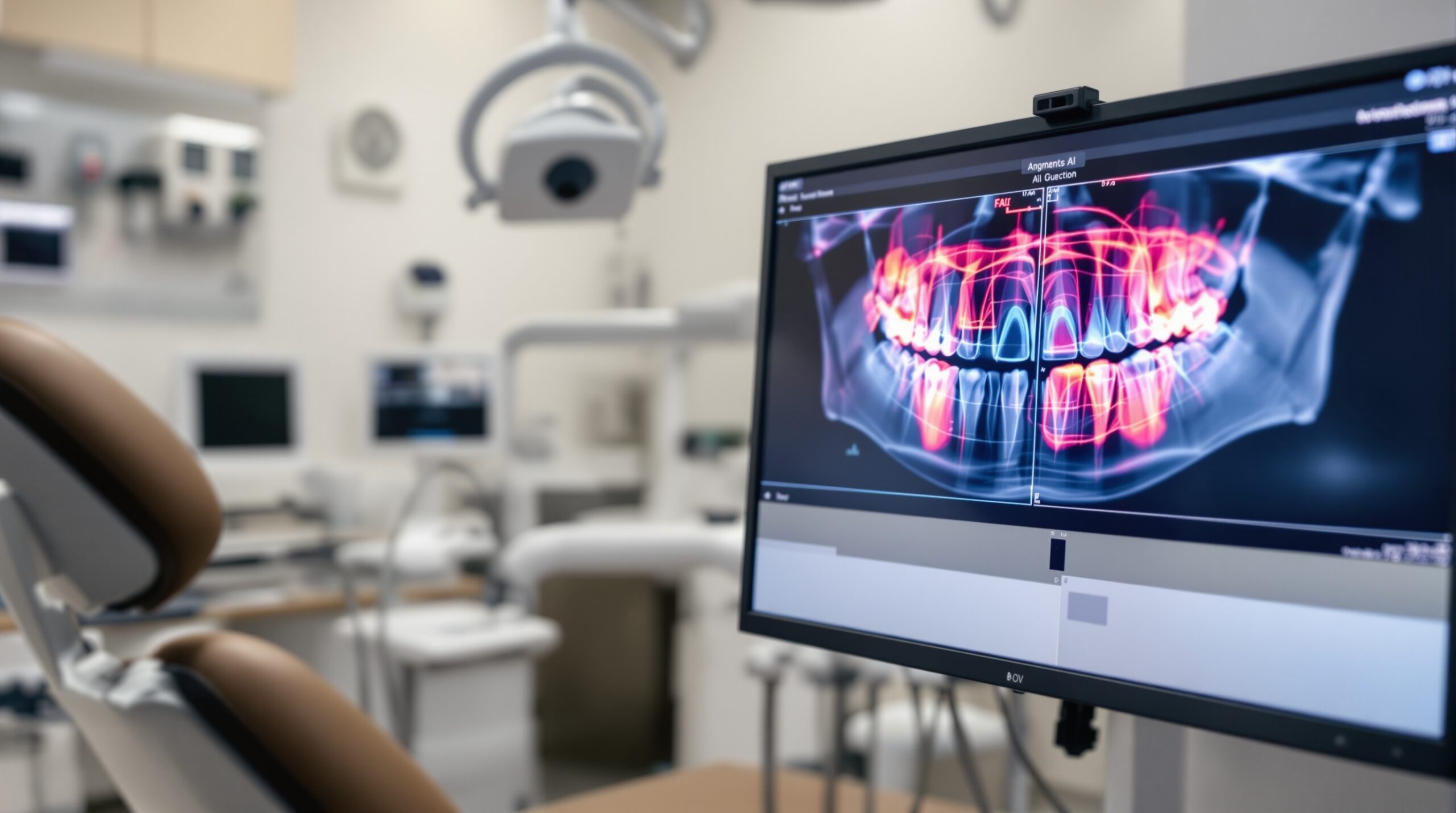
Panoramic radiography continues to evolve as a cornerstone of dental imaging, offering comprehensive visualization of the maxillofacial structures in a single exposure. The American Dental Association's updated 2026 guidelines emphasize evidence-based practices that maximize diagnostic value while minimizing patient radiation exposure. Current ADA Recommendations for Panoramic...