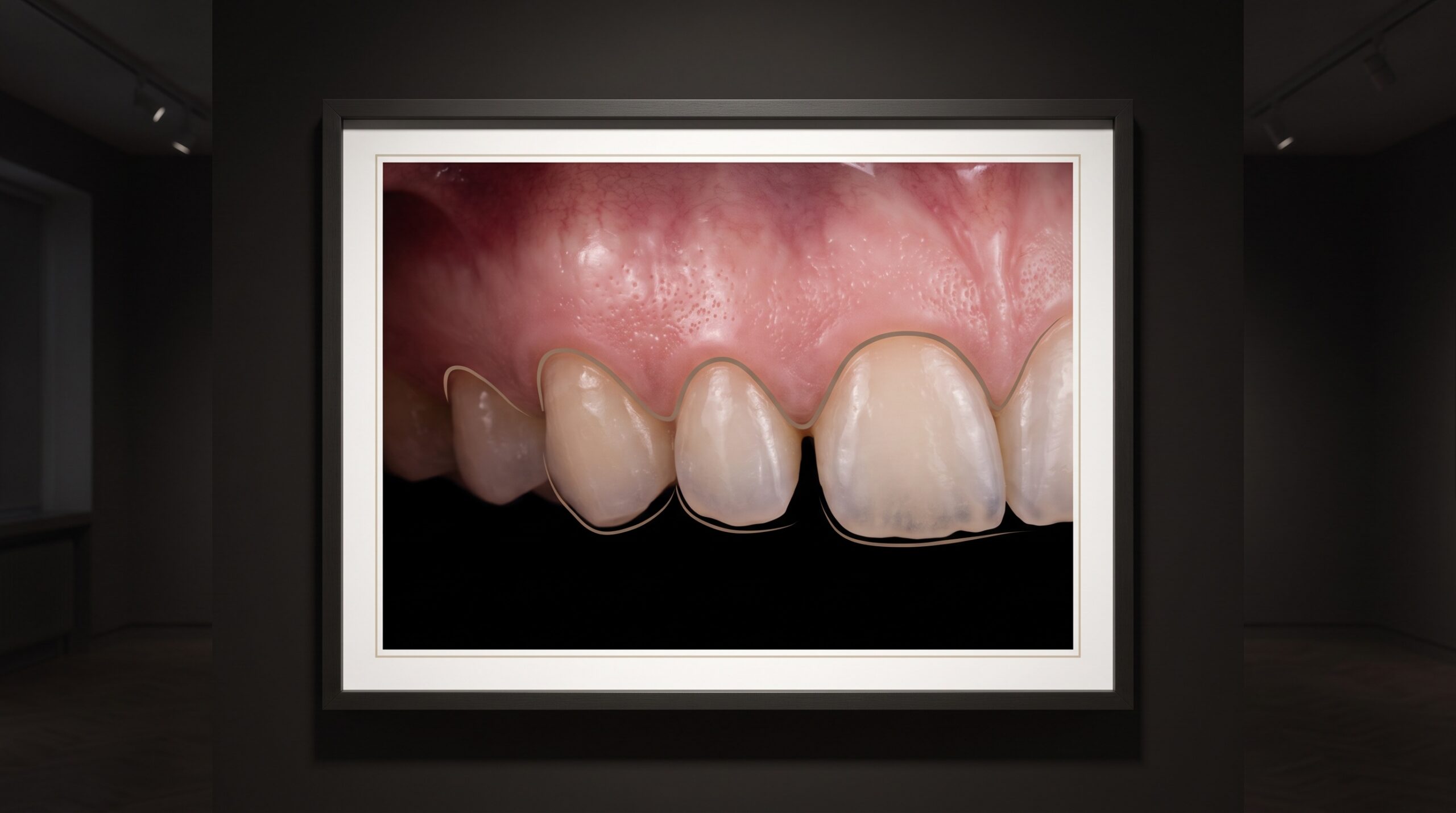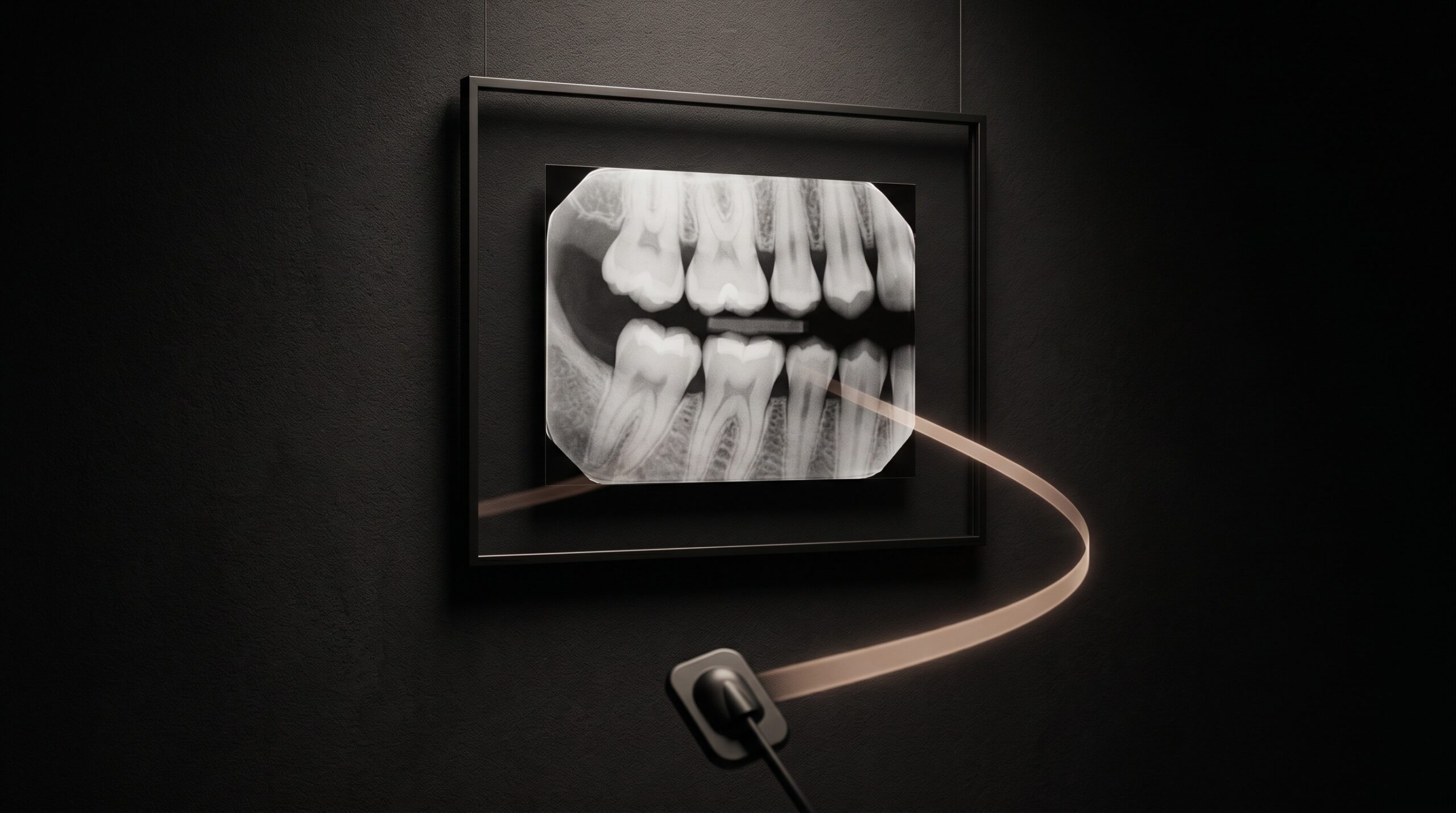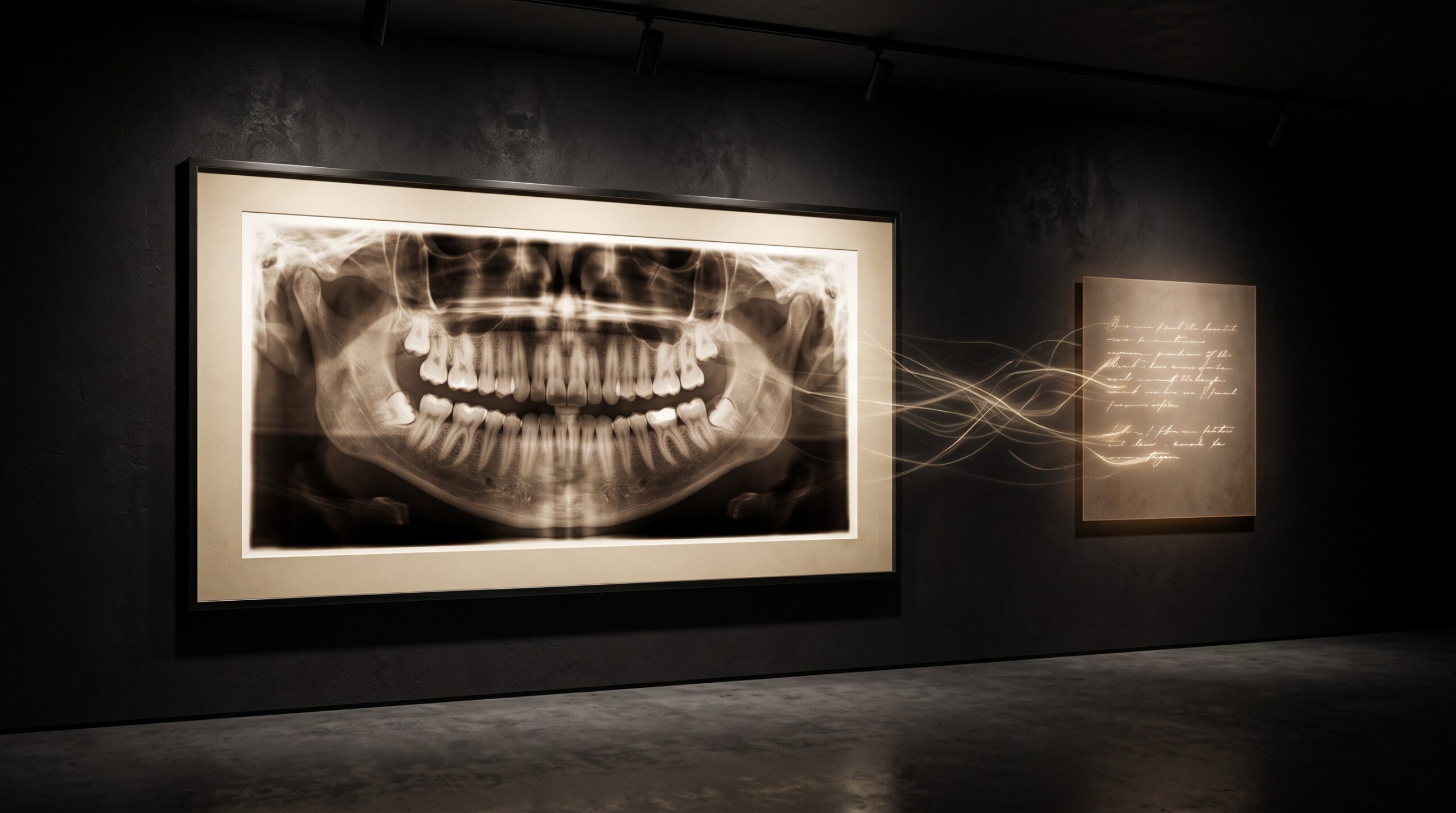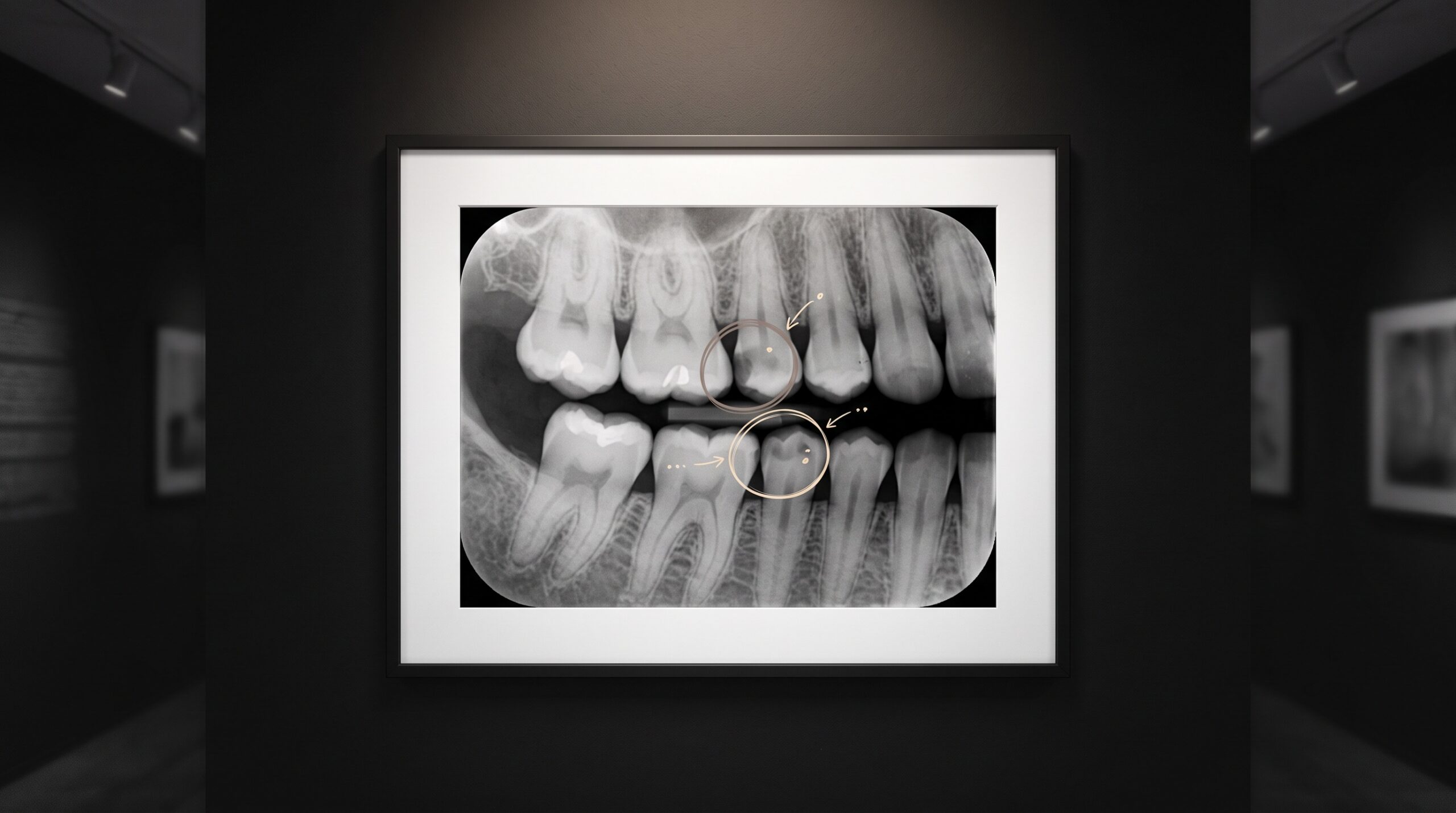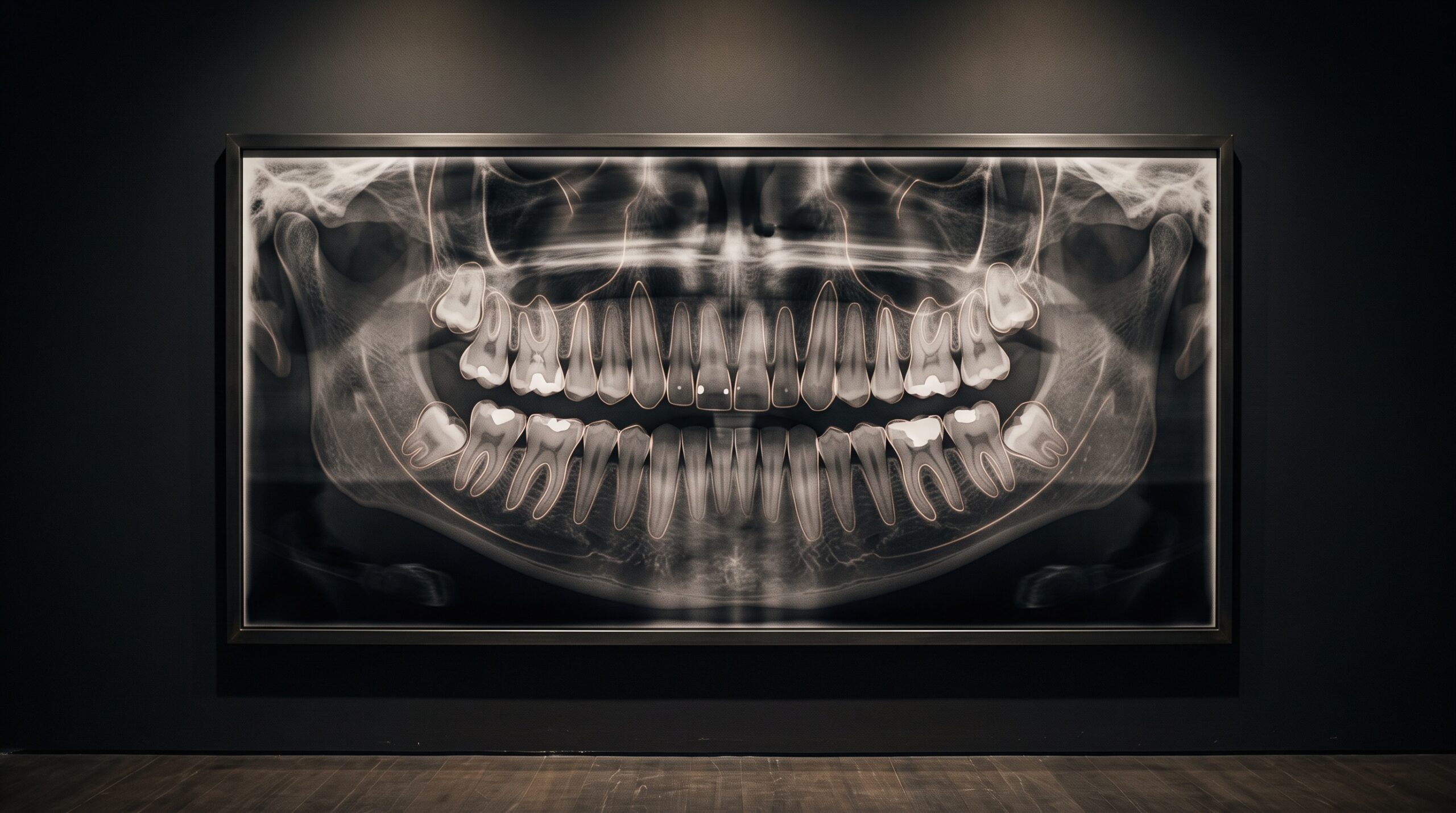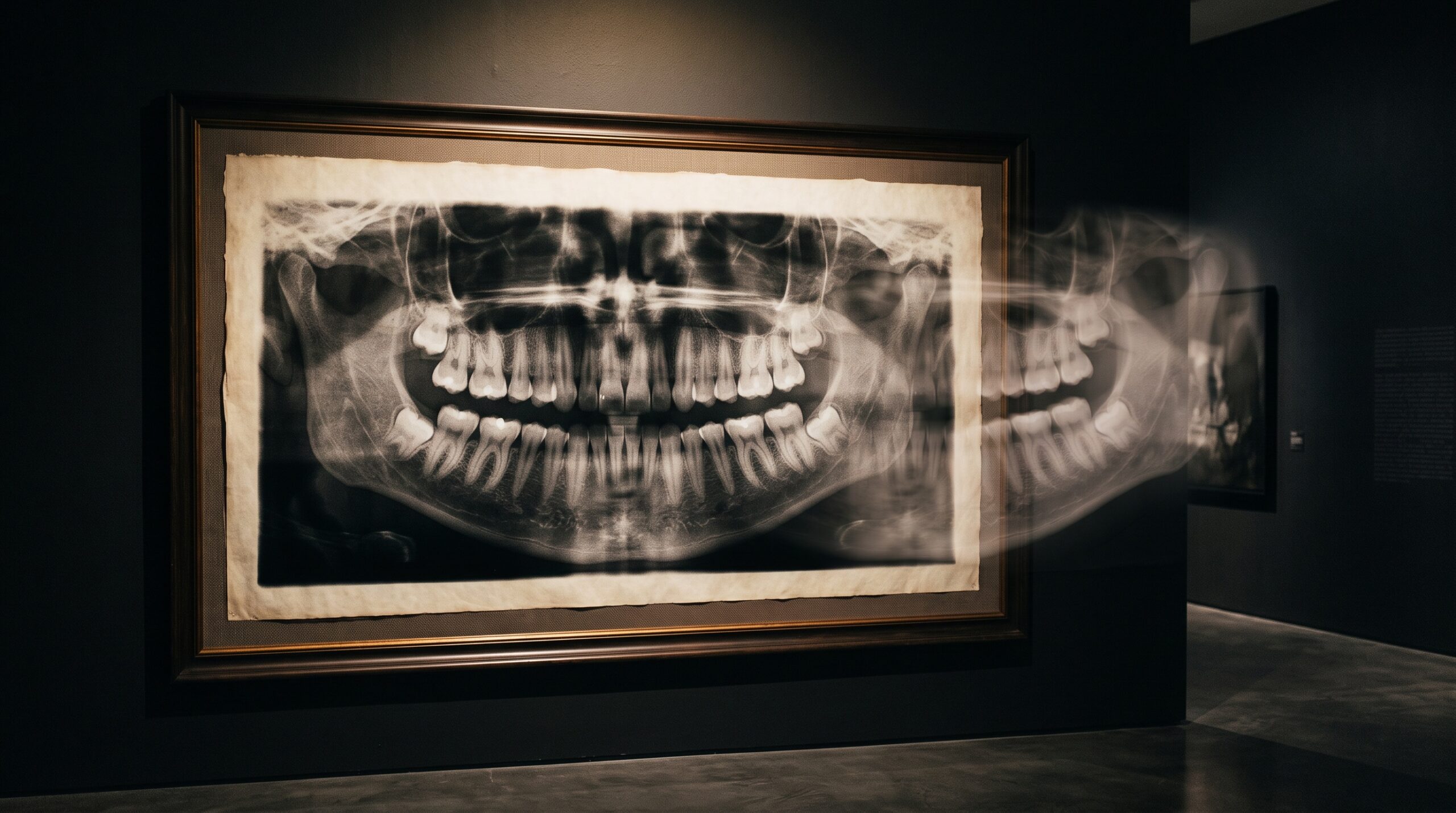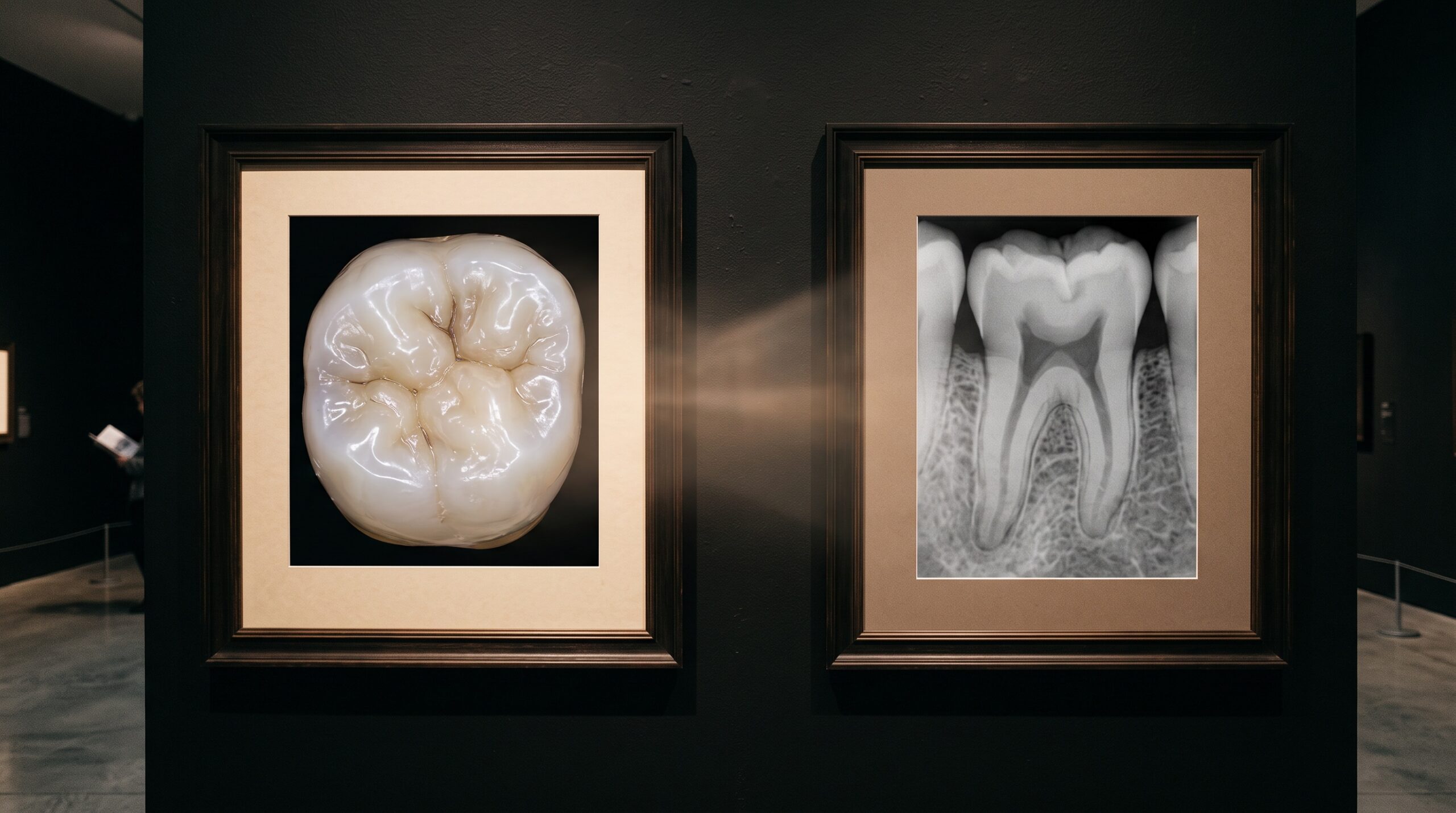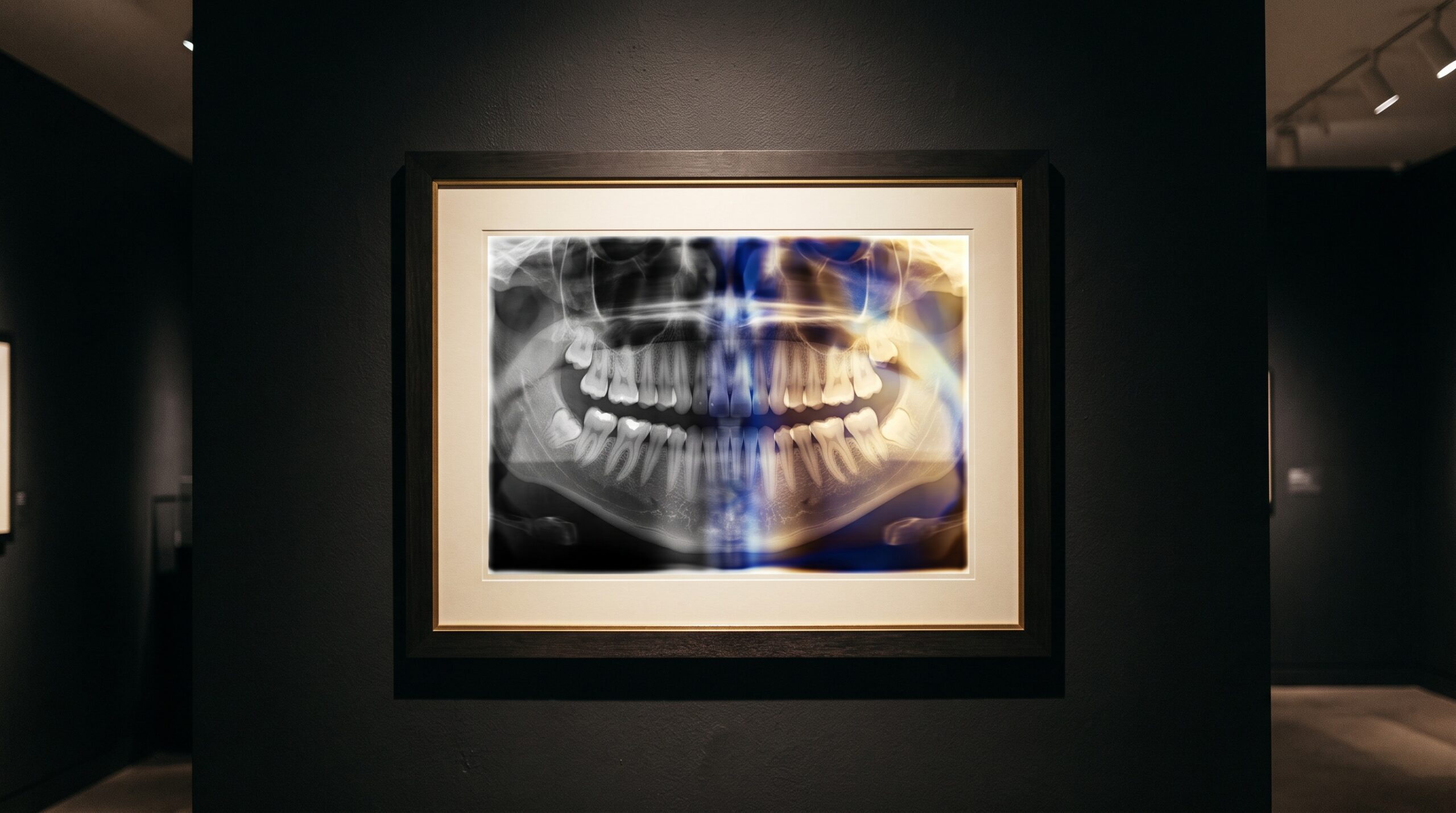
Near-infrared transillumination (NIRT) represents a revolutionary advancement in dental imaging technology, offering practitioners a radiation-free method for detecting early-stage dental caries and internal tooth pathology. This innovative diagnostic tool utilizes wavelengths in the 780nm range to penetrate dental tissues and reveal hidden defects that traditional...

Quantitative Light-Induced Fluorescence (QLF) represents a revolutionary advancement in dental caries detection and monitoring, offering clinicians unprecedented precision in identifying early demineralization processes that traditional visual and radiographic methods often miss. This non-invasive optical imaging technique harnesses the natural fluorescence properties of tooth structure to...

Understanding Occlusal Radiography Occlusal radiography provides a unique cross-sectional view of dental structures, offering diagnostic capabilities that complement traditional periapical and bitewing techniques. This specialized imaging method captures a broader view of the maxillary or mandibular arch, making it invaluable for detecting pathology, locating impacted teeth,...

Dental ultrasound imaging represents a revolutionary advancement in diagnostic technology, offering clinicians a radiation-free alternative to traditional radiographic methods. This innovative approach has gained significant momentum in modern dentistry, providing real-time visualization of both hard and soft tissues while eliminating patient exposure to ionizing radiation. The...

Bitewing radiography remains a cornerstone of dental diagnostics, providing critical information about caries detection and periodontal health assessment. The choice between vertical and horizontal bitewing orientations significantly impacts diagnostic accuracy and clinical decision-making. Recent research and updated 2026 guidelines offer new insights into optimal positioning...

Periapical radiography remains the cornerstone of endodontic diagnosis and treatment planning, serving as the primary imaging modality for root canal therapy. Understanding proper technique, interpretation, and integration with modern diagnostic tools is essential for successful endodontic outcomes. The Foundation of Endodontic Imaging Intraoral periapical (IOPA) radiographs provide...

Panoramic radiography continues to evolve as a cornerstone of dental imaging, offering comprehensive visualization of the maxillofacial structures in a single exposure. The American Dental Association's updated 2026 guidelines emphasize evidence-based practices that maximize diagnostic value while minimizing patient radiation exposure. Current ADA Recommendations for Panoramic...

The integration of artificial intelligence (AI) with cone beam computed tomography (CBCT) is revolutionizing dental imaging, offering unprecedented accuracy in diagnostics and treatment planning. This technological advancement represents a significant leap forward in dental care, combining the detailed 3D visualization capabilities of CBCT with the...

The dental imaging landscape continues to evolve rapidly in 2026, with the integration of intraoral scanners (IOS) and Cone Beam Computed Tomography (CBCT) systems delivering unprecedented diagnostic precision and treatment planning capabilities. This technological convergence is revolutionizing how dental professionals approach complex cases across implantology,...

Artificial intelligence is transforming dental radiography, ushering in a new era of precision diagnostics and automated anomaly detection. As we advance through 2026, AI-powered imaging systems are becoming indispensable tools for dental professionals, offering unprecedented accuracy in identifying dental abnormalities that might otherwise go unnoticed. The...